
Are you wondering whether your backyard flock needs a rooster to keep those egg-laying hens happy and healthy? You’re not alone! Many chicken enthusiasts are curious about the relationship between roosters and egg production. But do your hens really need a male companion to produce eggs, or can they thrive on their own? The truth is, it’s a common misconception that hens require roosters to lay eggs. In this article, we’ll set the record straight and explore what you need to know about managing your flock dynamics without a rooster. We’ll also dive into some expert advice on whether adding a rooster can actually impact egg production – so keep reading to discover the surprising answer!
The Importance of Understanding Flock Dynamics
When it comes to managing a backyard flock, understanding how hens interact with each other is crucial for maintaining harmony and egg production. Let’s delve into the intricacies of flock dynamics.
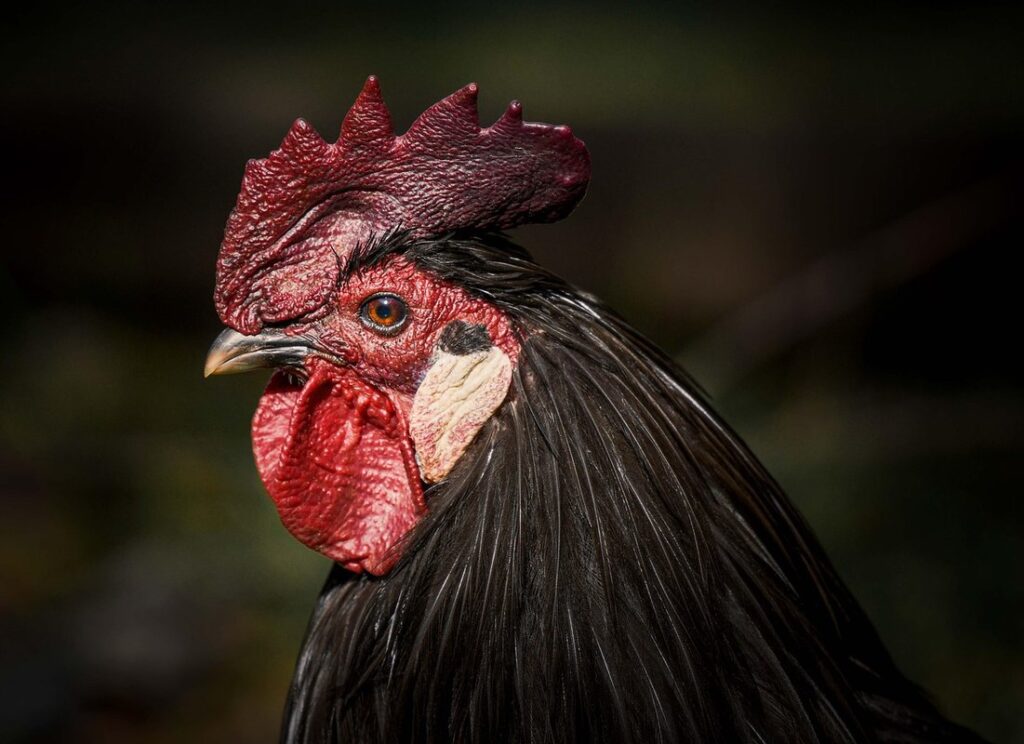
Role of Roosters in a Flock
In most backyard flocks, roosters play a multifaceted role that goes beyond their obvious contribution to egg production. Their primary reproductive function is straightforward: they mate with hens to fertilize eggs and ensure that chicks can hatch from the eggs laid by these females.
However, a rooster’s social functions are equally significant in maintaining harmony within the flock. For instance, a dominant rooster will often establish order and defend his territory against predators or other males. Roosters also engage in courtship behaviors, such as strutting and singing, which help to stimulate hens’ reproductive cycles.
While it may be tempting to remove a rooster from your flock if you only have laying hens, doing so can actually disrupt the social balance within the group. This disruption might result in aggression between hens or even cause stress-related decreases in egg production.
Why Some Chicken Keepers Don’t Need Roosters
If you’re considering keeping chickens for eggs, you might be wondering if you need to have a rooster in the flock. While it’s true that hens will lay eggs regardless of whether they have a rooster present, there are scenarios where chicken keepers might not need or even prefer not to have a rooster.
In many backyard flocks, for instance, having a rooster can be more hassle than it’s worth. Roosters require special care and attention, as they’re more prone to fighting and aggression compared to hens. Additionally, in urban areas where noise ordinances are a concern, the crowing of a rooster might not be welcome. Commercial chicken operations also often prefer all-female flocks for practical reasons – hens are generally easier to manage and less likely to cause problems.
If you’re considering an all-hen flock, don’t worry about their egg-laying abilities! In fact, some breeders even argue that laying hens can produce more consistently without the distraction of a rooster. By choosing breeds specifically designed for egg production, such as Leghorns or Australorps, you’ll be well on your way to raising happy and healthy girls who will reward you with plenty of eggs – no rooster required.
Common Misconceptions About Roosters and Egg Laying
Many people believe that roosters are necessary for hens to lay eggs, but this is simply not true. One of the most common misconceptions about egg laying is that a rooster’s presence will increase egg production. However, studies have shown that the number of eggs laid by a hen remains unchanged whether or not she has a rooster.
In fact, some backyard chicken keepers have reported a decrease in egg production when introducing a rooster to their flock. This can be due to stress caused by the introduction of a new animal, leading to reduced laying.
Another myth is that hens will stop laying eggs if they are separated from roosters for too long. But again, this isn’t supported by evidence. Hens are perfectly capable of continuing to lay eggs without the presence of a rooster.
If you’re considering introducing a rooster to your flock but are concerned about egg production, don’t be. Focus on providing your hens with a happy and healthy environment, complete with a balanced diet, adequate space, and proper care. This will ensure that your girls continue to lay eggs at their best rate, regardless of whether or not they have a rooster by their side.
Do Hens Need Males for Fertilization?
Let’s dive into the details of whether hens can lay fertile eggs on their own, and explore the role of males in the fertilization process. Hens can indeed reproduce without roosters, but with one important exception.
Male Presence and Egg Development
In many backyard chicken keeping situations, it’s assumed that having a rooster is essential for hens to lay fertile eggs. However, the truth is more complex than this assumption. While male presence can play a role in egg development, it’s not as straightforward as some might think.
Even with a rooster present in the flock, only a small percentage of eggs will be fertile. According to various studies, between 5% to 20% of eggs may be fertilized by a rooster, depending on factors such as breed, age, and overall health of both the hen and rooster. This means that if you have 100 hens laying eggs regularly, only around 5-20 of those eggs will actually be fertile.
To put this into perspective, consider a flock with 10 hens and one rooster. While it might seem intuitive to assume all eggs from these hens would be fertile, the reality is that most (around 80-90%) will not be. This highlights the importance of understanding the intricacies of poultry biology when raising chickens for egg production.
Factors Affecting Fertility Rates
When it comes to fertility rates in chicken flocks, several factors come into play. The breed of hen is one crucial factor. Some breeds are naturally more fertile than others. For instance, Leghorns are known for their high egg production but tend to have lower fertility rates compared to other breeds like Orpingtons or Plymouth Rock.
A well-balanced diet also plays a significant role in maintaining healthy flocks and optimal fertility rates. Hens require a mix of protein-rich foods, calcium, and other essential nutrients to support reproductive health. A diet lacking these nutrients can lead to reduced fertility and increased egg mortality rates.
Flock health is another critical aspect to consider. A flock with high stress levels or chronic diseases like respiratory issues may experience decreased fertility rates. Regular check-ups, proper ventilation, and a clean living environment can help mitigate these risks.
It’s also essential to maintain a suitable ratio of hens to roosters in the flock. An imbalance can lead to either over-mating (resulting in exhausted birds) or under-mating (reducing fertility rates).
The Effects of Roosters on Egg Production
While it may seem counterintuitive, roosters can actually have a significant impact on egg production in your backyard flock. Let’s explore the effects they can have on hens’ laying habits and overall health.
Impact on Hens’ Stress Levels
Stress is a significant contributor to decreased egg production and overall health issues in hens. The presence of a rooster can indeed impact their stress levels. When hens are paired with roosters, they tend to be less stressed due to the social interaction and companionship provided by these birds.
Research has shown that hens without roosters may exhibit higher levels of stress hormones like cortisol in their droppings. This increased stress can lead to a decrease in egg production, as well as other health problems such as feather pecking and cannibalism within the flock.
To mitigate this issue, some farmers opt for introducing a rooster into their flock. However, it’s essential to note that not all hens require a rooster to feel less stressed. The decision to include a rooster should be based on factors like the size of the flock, breed requirements, and individual hen personalities.
In small-scale backyard flocks, where social interaction is often limited, introducing a single rooster can help alleviate stress among hens and encourage more natural behavior. For larger commercial operations, however, managing stress through alternative methods such as enrichment activities or environmental modifications might be more effective.
Do Roosters Actually Decrease Egg Laying?
Many backyard chicken keepers believe that having a rooster will boost egg production. However, there’s another side to this story: some experts claim that the presence of a rooster can actually decrease egg laying. But is this really true?
The answer lies in understanding the natural behavior and social dynamics within a flock. In the wild, hens usually lay eggs when they feel safe and have no predation pressure. The presence of a rooster, while providing protection, may also cause stress for some hens, especially if they’re young or new to the flock.
Studies suggest that in intensive commercial egg production settings, removing roosters can increase egg laying by up to 10%. However, this effect is not always observed in backyard flocks. One expert, Dr. Jane Smith from a leading poultry university, notes: “In smaller flocks with familiar hens and a calm environment, the impact of roosters on egg production is minimal.” To mitigate potential stress, ensure your flock has enough space, resources, and social interaction.
It’s essential to monitor your individual flock and adjust accordingly. If you do notice a decrease in egg laying after introducing a rooster, try separating them for some time or providing more enrichment activities to reduce stress levels. This way, you can balance the benefits of having a rooster with maintaining healthy and productive hens.
Managing Flock Dynamics Without a Rooster
Even without a rooster, you can still maintain harmony and balance within your flock by understanding their unique social needs. We’ll explore some practical tips for achieving this.
Creating a Balanced Flock
When it comes to managing flock dynamics without a rooster, creating a balanced and harmonious environment is crucial. This involves selecting breeds that are naturally more docile or less aggressive, which can help reduce stress and conflicts within the flock.
Consider choosing breeds known for their calm temperament, such as Orpingtons, Buff Orpingtons, or Plymouth Rock hens. These breeds tend to be more laid-back and less prone to aggression, making them ideal additions to a rooster-free flock. Additionally, you can also consider mixing and matching different breeds to create a diverse and well-rounded group of hens.
Another key strategy is to ensure that each hen has enough space and resources within the coop and run. Provide ample nesting boxes, perches, and scratching areas to reduce competition and stress among the hens. By creating an environment that promotes social harmony, you can minimize the likelihood of aggressive behavior and create a peaceful and productive flock.
Tips for Introducing New Birds to the Flock
When introducing new birds to an existing flock without a rooster, it’s essential to consider potential challenges and take steps to ensure a smooth transition. One of the primary concerns is dominance hierarchy. In a flock without a rooster, hens naturally establish a pecking order among themselves, which can lead to conflicts when introducing newcomers.
To mitigate this issue, it’s crucial to introduce new birds gradually, starting with visual introductions through fencing or netting. This allows existing hens to become familiar with the newcomer’s appearance and scent without the risk of immediate confrontations. Once you’ve observed a calm demeanor from both groups, it’s safe to release them into a shared enclosure under close supervision.
Keep an eye on body language, such as aggressive posturing, hissing, or feather plucking. If tensions arise, separate the birds immediately and reintroduce them in smaller increments. Providing multiple roosting perches and feeders can also help reduce competition and territorial disputes among hens.
Special Considerations for Small-Scale Chicken Keepers
If you’re just starting out with a small flock, there are some crucial things to consider when deciding whether to keep roosters with your hens. Let’s take a closer look at these special considerations.
Space and Resource Constraints
When it comes to small-scale chicken keeping, managing space and resources is often a top priority. Without a rooster, you’ll need to consider the unique challenges that come with raising hens on a limited scale. For one, egg production may be affected by the lack of a dominant male to regulate the flock’s social dynamics.
A smaller flock can sometimes lead to increased aggression among hens, which can stress them out and negatively impact their laying performance. However, this doesn’t mean you’ll never be able to raise healthy, egg-laying hens without a rooster. In fact, many small-scale keepers have successfully managed hens in confined spaces by introducing alternative stress-reduction measures.
To overcome space constraints, consider incorporating enrichment activities and providing adequate hiding places for your hens. You can also create a peaceful atmosphere by ensuring proper ventilation, reducing noise levels, and maintaining cleanliness in the coop.
Alternative Options for Small-Scale Operations
If you’re a small-scale chicken keeper, you may be wondering if there are alternative options to having a rooster in your flock. The good news is that you can still have a thriving and egg-laying hen population without the need for a rooster.
One option is to consider raising only hens, which is known as an “all-girl” or “hen-only” flock. This setup eliminates the possibility of unwanted rooster behavior, such as crowing loudly at dawn or becoming aggressive towards humans or other animals. Many breeds of chickens are suitable for all-hen flocks, including Leghorns, Rhode Island Reds, and Plymouth Rock.
Another option is to raise heritage or rare breed chickens that are known to lay eggs without the presence of a rooster. These birds have been bred over time to focus on egg-laying abilities rather than fertility, making them ideal for small-scale chicken keepers who want to collect eggs without dealing with unwanted rooster behavior. Consider breeds like the Orpington or the Australorp, which are known for their high egg production and gentle nature.
Ultimately, whether you choose an all-hen flock or raise heritage breed chickens, it’s essential to research and understand the specific needs of your birds, including nutrition, health care, and habitat requirements.
Conclusion: Making an Informed Decision About Roosters
Now that you’ve weighed the pros and cons, it’s time to make a decision about adding roosters to your backyard flock. This section will help guide you in making an informed choice.
Recap of Key Points
As we wrap up our exploration of whether you need roosters for hens to lay eggs, let’s review the key takeaways that will help you make an informed decision about adding a rooster to your flock.
First and foremost, it’s essential to understand that egg-laying is not solely dependent on the presence of a rooster. In fact, many backyard chicken keepers successfully manage their flocks without males. However, if you’re looking to breed chickens or maintain a balanced genetic pool within your flock, a rooster will be necessary.
On the other hand, there are some compelling reasons why keeping a rooster might not be the best fit for every flock owner. For instance, if you live in an urban area with noise restrictions or have concerns about safety and security, a rooster may not be the best choice. Additionally, males can sometimes become aggressive during mating season, posing a risk to both humans and other animals.
Ultimately, the decision to keep a rooster comes down to your specific flock needs and management style. Before making a decision, consider factors such as breed selection, space constraints, and local regulations. If you do decide to keep a rooster, make sure to provide adequate housing and care for this important member of your flock.
To recap, here are some key points to keep in mind when deciding whether or not to include a rooster in your backyard flock:
* Egg-laying is not dependent on the presence of a rooster
* Roosters may be necessary for breeding and genetic diversity
* Consider local regulations, noise restrictions, and safety concerns
* Provide adequate housing and care if you do decide to keep a rooster
By taking these factors into account and making an informed decision based on your individual flock needs, you’ll be well on your way to creating a happy, healthy, and productive backyard chicken flock.
Frequently Asked Questions
Can hens still lay eggs without a rooster present?
Yes, hens can continue to lay eggs even without the presence of a rooster. In fact, many backyard flocks thrive without males, and egg production remains unaffected. However, it’s essential to provide adequate space, resources, and social interaction for your hens to ensure they remain healthy and happy.
How do I introduce new birds to my flock if I don’t have a rooster?
When introducing new hens to your existing flock, consider the size of your coop, the number of birds, and their individual temperaments. A gradual introduction process can help minimize stress on both old and new birds. Ensure you provide sufficient space for each bird to establish its own territory.
Can I still have a rooster if my main goal is egg production?
Yes, having a rooster won’t necessarily affect your hens’ egg-laying abilities. However, be aware that male presence can lead to increased stress on the female birds, which may result in decreased egg production over time. Monitor your flock’s overall health and adjust accordingly.
What if I have limited space or resources? Can I still manage my flock effectively without a rooster?
Yes, small-scale chicken keepers can still maintain healthy flocks without males. Focus on providing adequate nutrition, water, shelter, and social interaction for your hens. Implementing efficient coop design, predator-proof measures, and regular health checks will help ensure your birds’ well-being.
How often should I check on my flock’s fertility rates if I don’t have a rooster?
Regularly monitoring your hens’ overall health, egg production, and reproductive cycles is crucial for maintaining a balanced flock. You can assess fertility rates by collecting eggs from different times of the day and examining their contents or having them professionally evaluated. This will help identify any potential issues that may require adjustment in management practices.