
Feeding bread to ducks has become a popular pastime for many, but have you ever stopped to think about whether it’s actually harming these lovely waterfowl? It turns out that feeding bread to ducks is not as harmless as we might assume. In fact, it can lead to some serious problems – from the health of individual ducks to the overall ecosystem balance in our local parks and lakes.
As a responsible duck enthusiast or simply someone who loves spending time outdoors, it’s essential to know how your actions are impacting these amazing creatures. That’s why I’m here to break down the hidden dangers of feeding bread to ducks and explore what local regulations have to say about it. From the impact on their digestive systems to the consequences for our environment, we’ll be diving into the reality behind this seemingly innocent practice in today’s article.
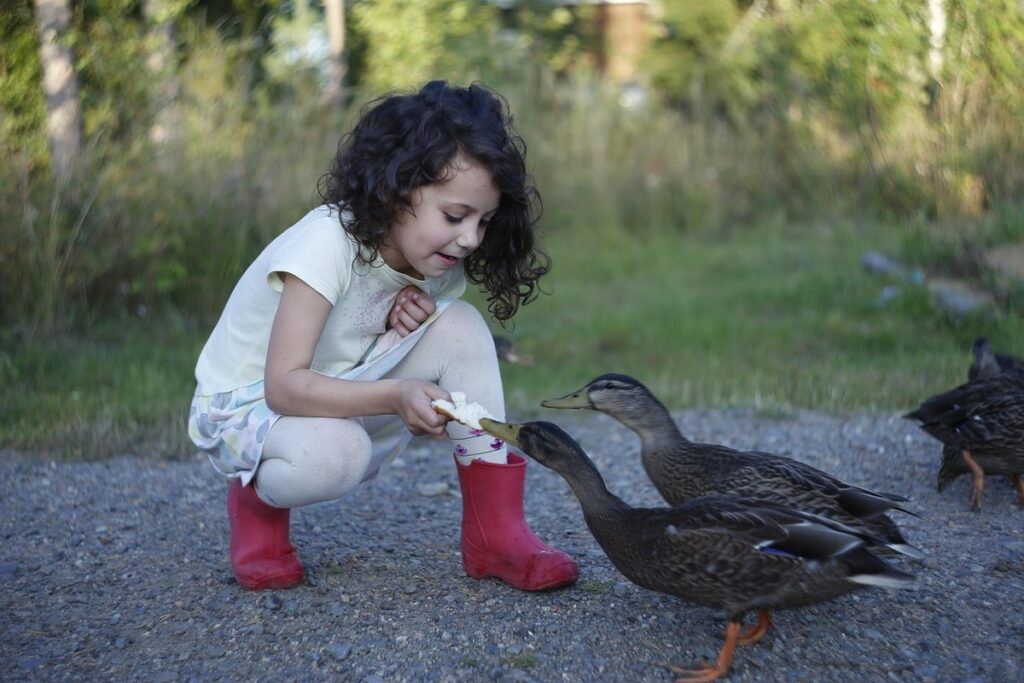
The Origins of Feeding Bread to Ducks
Feeding bread to ducks is a practice that dates back centuries, but its origins are shrouded in myth and misinformation. Let’s explore how this tradition got started.
History of Bread Feeding in Parks and Ponds
Feeding bread to ducks has become a beloved pastime for many park visitors. However, this practice has its roots in history. In the early 20th century, European immigrants brought their tradition of feeding bread to waterfowl with them to North America. As urban parks and ponds became popular recreation areas, this custom was adopted by locals.
By the mid-20th century, feeding bread to ducks had become a common activity among visitors to public parks and ponds. People would often bring loaves of bread and scatter crumbs on the water’s surface for the ducks to eat. This practice was seen as a way to connect with nature and provide a source of entertainment for both children and adults.
As time passed, feeding bread to ducks became an ingrained part of park culture. However, this activity has several unintended consequences that can harm the very birds it aims to help. By understanding the history behind this practice, we can begin to appreciate why it’s essential to reevaluate our actions towards these waterfowl and consider more responsible alternatives for interacting with them.
Why People Feed Bread to Ducks
Feeding bread to ducks has become a popular pastime for many visitors to parks and lakes. For some people, it’s seen as a harmless or even beneficial act that brings joy to both the feeder and the birds. They believe that sharing bread with ducks is a way of showing kindness and compassion towards these feathered friends. However, this practice has been going on for decades, and it’s not just about feeding them – it’s also about providing entertainment for humans.
Many people view bread-feeding as an opportunity to connect with nature and observe the fascinating behavior of ducks. They see the quacking, swimming, and diving for bread as a spectacle that brings a smile to their faces. Some even believe that bread is essential for maintaining the ecosystem, as it provides a source of nutrition for the birds during times when other food sources are scarce.
In reality, however, this notion has been largely debunked by wildlife experts and conservationists.
The Impact on Duck Health
Feeding bread to ducks can have serious consequences for their well-being, including digestive problems and malnutrition, which are a major concern for duck health. Let’s take a closer look at these issues together.
Malnutrition and Stomach Problems
Feeding bread to ducks may seem like a harmless gesture, but it can have devastating consequences on their health. One of the primary issues is malnutrition, as bread lacks essential nutrients that ducks require to stay healthy. Unlike humans who thrive on carbohydrates, ducks need a balanced diet rich in protein, fiber, and vitamins to maintain optimal health.
When ducks rely solely on bread for sustenance, they may develop nutrient deficiencies over time. This can lead to stomach problems, such as bloating, diarrhea, and abdominal pain. In severe cases, malnutrition can cause weight loss, weakened immune systems, and even organ failure.
In reality, many parks and lakes have seen the detrimental effects of feeding bread to ducks firsthand. For instance, a study in London found that duck populations fed on bread had higher rates of disease and parasites compared to those fed on natural foods. To avoid causing harm to these beautiful creatures, it’s essential to refrain from feeding them bread altogether. Instead, opt for nutrient-rich alternatives like fruits, vegetables, and whole grains specifically formulated for ducks.
Introduction of New Diseases
When you feed bread to ducks, you may be unintentionally introducing new diseases to their population. Foreign materials can carry pathogens that are not native to the duck’s environment, and these bacteria can spread quickly among the flock. This is particularly concerning for waterfowl, as they often congregate in large numbers and have a high level of social interaction.
A prime example of this phenomenon is the outbreak of Avian cholera in 2006 at Lake Merritt in California. The disease was thought to have been introduced by humans feeding bread to ducks and other waterbirds. The bacteria were present on the bread, which was then ingested by the birds, ultimately leading to a massive die-off.
It’s essential to be aware of this risk when visiting parks or waterways with duck populations. Instead of feeding them bread, consider bringing birdseed or other nutrient-rich options that won’t harm these amazing creatures. If you do choose to feed ducks, wash your hands thoroughly before and after handling the food, and make sure to handle the food in a way that minimizes contamination.
The Effect on Ecosystem Balance
When we disrupt a natural ecosystem by feeding bread to ducks, it can have far-reaching consequences that affect not just the duck population but also their environment. Let’s dive into the details of what this means for the delicate balance of nature.
Disruption of Natural Food Chains
When you feed bread to ducks regularly, it can disrupt their natural food chain and lead to an overreliance on human-provided sustenance. This alteration of their dietary habits has significant consequences for the ecosystem balance.
Ducks are designed to eat a variety of aquatic plants, including algae, water lilies, and duckweed, which provide essential nutrients. Bread, however, lacks these vital nutrients, leading ducks to become malnourished over time. Furthermore, bread feeding often causes them to consume excessive amounts of carbohydrates, contributing to obesity, insulin resistance, and other health issues.
As a result of this dietary shift, ducks may abandon their natural foraging behaviors, preferring the convenience of human-provided food. This disruption not only affects individual duck populations but also has broader implications for the entire ecosystem. By altering the food chain, bread feeding can create an imbalance that trickles down to other species in the environment, highlighting the importance of responsible wildlife management practices.
Incorporating a balanced and diverse food source into your outdoor spaces is crucial for maintaining a healthy ecosystem balance.
Impact on Native Plant Species
When we feed bread to ducks, it’s not just their diet that’s affected – native plant species are also impacted. You see, bread-feeding attracts a variety of herbivorous birds, such as geese and coots, which can consume plants meant for other animals like amphibians and insects.
For instance, the invasive Canada goose is known to eat aquatic vegetation, including cattails and duckweed, which are essential food sources for native species. When these birds overgraze, it disrupts the delicate balance of the ecosystem, leading to a decline in native plant populations.
This has a ripple effect on other organisms that rely on these plants for survival. For example, amphibians like frogs and salamanders rely on aquatic vegetation for shelter and food. If these plants disappear due to overgrazing, it can lead to a decline in their populations as well.
The Role of Local Authorities
Local authorities play a crucial role in protecting and conserving wildlife, including duck populations. In this context, their regulations can have a significant impact on feeding bread to ducks.
Regulations and Laws Regarding Bread Feeding
Many local authorities have implemented regulations and laws to discourage bread feeding in public parks and ponds. These measures aim to protect both ducks and humans from potential health risks associated with bread consumption. For instance, the City of London has banned bread feeding in many of its parks due to concerns about water pollution and negative impacts on wildlife.
In some areas, fines or penalties may be imposed for non-compliance. In California, for example, feeding bread to ducks can result in a fine of up to $500. Similarly, in certain Canadian provinces, offenders can face penalties ranging from $50 to $10,000.
If you’re caught feeding bread to ducks, it’s essential to know your local regulations and be prepared for potential fines. Some parks also display clear signs indicating that bread feeding is prohibited. To avoid any issues, take note of posted warnings or seek guidance from park rangers or local authorities before feeding ducks.
Educational Initiatives and Alternatives
Local authorities are increasingly taking steps to educate the public about the dangers of feeding bread to ducks. Many cities and towns have implemented educational initiatives aimed at raising awareness about the negative impact of bread feeding on duck populations. For instance, some parks now display signs that inform visitors about the risks associated with feeding bread to ducks, including malnutrition, choking hazards, and the promotion of aggressive behavior.
In addition to education campaigns, local authorities are also promoting alternative activities that promote duck welfare. Many parks now offer guided tours or interactive exhibits that allow visitors to learn about duck behavior, habitat, and conservation efforts. Some parks even have designated “duck-friendly” areas where visitors can feed ducks using healthier alternatives like lettuce or berries.
To support these initiatives, residents can get involved by volunteering at local parks or participating in community events that promote duck welfare. By working together, we can create a safer and more sustainable environment for both humans and animals to coexist peacefully.
The Importance of Education
While it may seem harmless, understanding the impact of feeding bread to ducks requires a solid foundation in basic wildlife knowledge and conservation principles. This is why education plays a crucial role in making informed decisions about interacting with animals.
Raising Awareness Among Visitors
When visiting parks and waterways where ducks congregate, it’s common to see people feeding them bread. However, this well-intentioned practice can have unintended consequences on the duck population’s health and environment. To mitigate these effects, it’s essential to raise awareness among visitors about the risks associated with bread feeding.
Signage is an effective way to educate visitors about the issue. Park authorities can install clear signs indicating that feeding bread to ducks is not recommended, along with reasons why. These signs can be placed in strategic locations where people are likely to see them, such as near duck habitats or at park entrances.
Interactive exhibits can also promote education and engage visitors in a fun way. For example, a digital display can show the effects of excessive bread consumption on ducks’ digestive systems, while an interactive quiz can test visitors’ knowledge about responsible wildlife feeding practices. By incorporating these educational elements, parks can encourage visitors to make more informed choices and adopt sustainable behaviors when interacting with the duck population.
Community Engagement and Participation
Engaging communities in duck conservation efforts is crucial for protecting these beautiful creatures and their habitats. Many local initiatives are underway to promote bird-friendly gardening practices that not only help conserve ducks but also create a haven for various wildlife species.
One such initiative is the “Duck-Friendly” garden program, which encourages residents to incorporate native plants, trees, and flowers into their gardens that provide berries, seeds, and insects – a natural food source for ducks. For instance, planting shrubs like dogwood or willow can help attract ducks while also providing shelter from harsh weather conditions.
To get involved in your community’s duck conservation efforts, consider joining local environmental groups or participating in park cleanups. You can also start by converting your own backyard into a bird-friendly oasis. Simply choose plants that are native to your region and provide the right food sources for ducks. For example, planting aquatic plants like cattails or water lilies in ponds or lakes will help support duck populations while also maintaining water quality. By taking small steps towards creating a more sustainable environment, we can collectively make a significant impact on duck conservation efforts.
Alternatives to Bread Feeding
If you’ve decided to stop feeding bread to your feathered friends, it’s time to consider some tasty alternatives that will keep them happy and healthy. We’ll explore some delicious options for a duck-friendly diet.
Healthy Snacks for Ducks
When it comes to providing healthy snacks for ducks, there are plenty of alternatives to bread that you can offer. Fruits such as strawberries, blueberries, and grapes make great treats for ducks, just be sure to remove any seeds or pits first. Vegetables like leafy greens, carrots, and sweet potatoes are also nutritious options.
You can also consider providing specially formulated bird food that’s specifically designed for waterfowl. These foods usually contain a balanced mix of nutrients that meet the dietary needs of ducks. Many pet stores carry these types of foods, or you can even order them online.
If you’re looking to make snack time more convenient, you can also try storing pre-cut fruits and veggies in an easy-to-reach container near the pond or water feature. This way, visitors can easily grab a healthy snack for the ducks without having to rummage through bags of bread.
Supporting Local Conservation Efforts
When you’re visiting a nearby park or lake and see ducks swimming around, it’s natural to want to feed them. However, as we’ve discussed earlier, feeding bread to ducks can harm their health and the environment. But what if you still want to contribute to the well-being of these beautiful creatures? Supporting local conservation efforts is a great way to make a positive impact.
One way to do this is by participating in citizen science projects. Many organizations, such as the Audubon Society or local wildlife refuges, offer opportunities for volunteers to help with research and monitoring initiatives. For example, you could assist with bird counts, water quality tests, or habitat restoration efforts. Not only will you be contributing valuable data to inform conservation decisions, but you’ll also have the chance to learn about the local ecosystem and its inhabitants.
Another way to support local conservation is by donating to reputable organizations that work towards protecting and preserving wildlife habitats. Look for groups that are transparent about their mission, goals, and financials. Some examples include The Nature Conservancy or your local chapter of the Humane Society. By giving back financially, you’ll be helping to fund important initiatives like duck habitat restoration, water quality monitoring, and education programs.
You can also make a difference by spreading awareness about the importance of not feeding bread to ducks. Share articles or social media posts with friends and family, and encourage them to support local conservation efforts instead of bread-feeding. By taking these steps, you’ll be helping to create a healthier environment for ducks and other wildlife, and promoting a more sustainable approach to interacting with nature.
By getting involved in citizen science projects or donating to reputable organizations, you can make a real difference in the lives of local ducks. Not only will you be contributing to their well-being, but you’ll also be helping to protect the environment and promote responsible wildlife viewing practices.
Conclusion
So, let’s wrap up our exploration of feeding bread to ducks and summarize what we’ve learned along the way.
Summary of Key Points
Feeding bread to ducks may seem like a harmless act of kindness, but it’s essential to understand the harm it causes. Let’s summarize the key points discussed throughout this article.
Feeding bread to ducks can lead to malnutrition and obesity due to the high carbohydrate content in bread, which can cause an imbalance in their diet. The lack of essential nutrients, such as protein, fiber, and vitamins, can weaken their immune system, making them more susceptible to diseases. Moreover, bread is not a natural food source for ducks, leading to digestive issues and potentially life-threatening conditions.
It’s also crucial to consider the impact on local ecosystems. Excessive bread feeding can attract large numbers of ducks, causing overcrowding, competition for resources, and stress among the population. Furthermore, leftover bread can contaminate waterways and harm aquatic life. To ensure duck welfare, it’s best to avoid feeding them bread altogether. Instead, opt for duck-friendly foods like leafy greens, fruits, and insects, which provide essential nutrients and support a healthy lifestyle. By making this simple switch, you can make a significant difference in the lives of these magnificent creatures.
Call to Action
As you’ve learned throughout this post, feeding bread to ducks can have severe consequences for their health and well-being. It’s time to put this knowledge into action. By adopting a more responsible approach to interacting with ducks, we can create a safer and healthier environment for these magnificent creatures.
So, what can you do? Start by refraining from feeding bread to ducks during your next visit to the park or lake. Instead, consider bringing some healthy alternatives like leafy greens, vegetables, or fruits. Many cities also offer duck-friendly feed options, so be sure to check with local authorities for suggestions.
Moreover, get involved in local conservation efforts by volunteering at a nearby wildlife sanctuary or participating in community clean-up initiatives. By working together, we can protect these incredible animals and preserve their habitats for future generations. Every small action counts, and collectively, we can make a significant difference in the lives of our feathered friends.
Frequently Asked Questions
What can I do immediately to help reduce bread feeding in my local park or pond?
As a responsible citizen, you can start by reporting any instances of bread feeding to the park authorities or conservation society. You can also participate in local clean-up initiatives and promote awareness about the negative impacts of bread feeding through social media and community groups.
How do I know if the ducks are getting enough nutrients from their natural food sources?
Observe the ducks’ behavior and body condition over time. If they appear malnourished, have dull feathers, or seem lethargic, it may indicate a lack of essential nutrients in their diet. Consult with local wildlife experts or conservation organizations to assess the ecosystem’s overall health.
What alternatives can I offer to visitors who insist on feeding the ducks?
Offering healthy snacks like lettuce, spinach, or oats is a great alternative to bread. You can also encourage visitors to bring their own birdseed or purchase it from local vendors. Consider setting up educational signs or posters near duck habitats to promote responsible feeding practices.
Can I still visit parks and enjoy watching ducks if I’m aware of the negative impacts of bread feeding?
Absolutely! Parks and wildlife areas offer a wealth of opportunities for nature observation, photography, and relaxation. By being mindful of your actions and supporting conservation efforts, you can enjoy these experiences while minimizing harm to the environment.
What role do local authorities play in regulating bread feeding practices?
Local governments often work with conservation organizations to develop regulations and laws addressing bread feeding. These may include fines or penalties for offenders, educational programs for visitors, or designated areas for responsible feeding. Check with your local park administration or wildlife agency for specific guidelines.