
Are you ready to unlock the secrets of one of nature’s hidden treasures? Dogwood fruit is a nutrient-rich powerhouse that deserves more attention than it usually gets. Not only is it packed with vitamins, minerals, and antioxidants, but it also boasts an impressive array of health benefits, from boosting the immune system to supporting digestive well-being. But dogwood fruit isn’t just good for you – it’s also incredibly versatile and easy to grow in your own backyard. In this article, we’ll delve into the wonderful world of dogwood fruit, covering everything from its nutritional value and health benefits to tips on growing, harvesting, and using it in food, medicine, and more. Whether you’re a seasoned gardener or just starting out, get ready to discover the amazing possibilities of dogwood fruit!
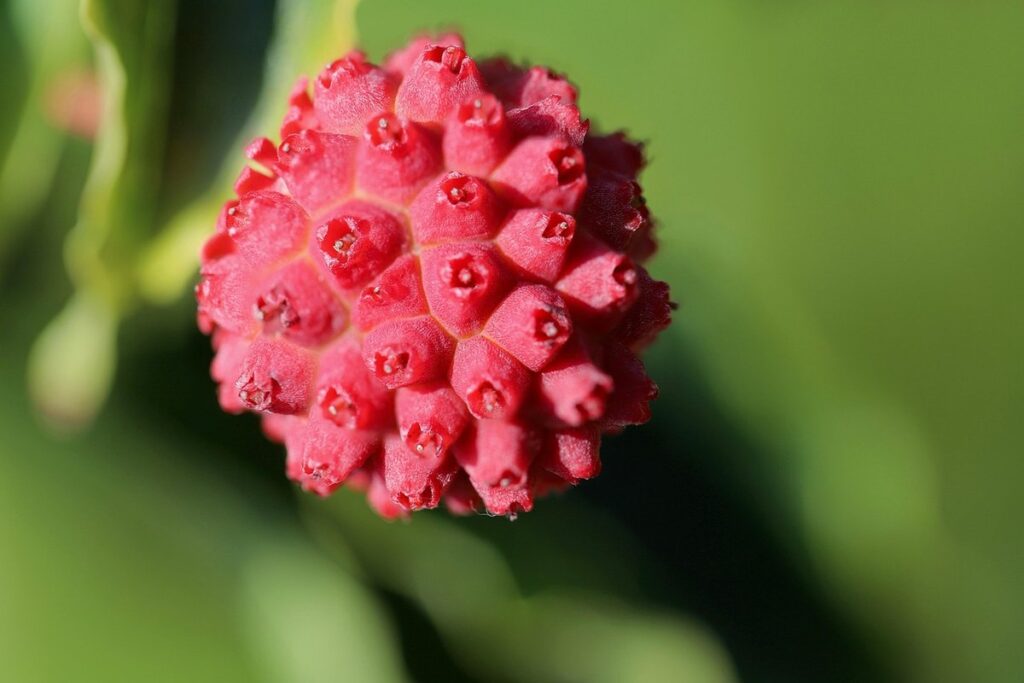
What is Dogwood Fruit?
Let’s dive into what dogwood fruit actually is and how it grows on these beautiful trees that are a favorite among gardeners and nature lovers alike. You might be surprised by its unique characteristics!
Definition and Types
Dogwood fruit is a nutritious and delicious treat that’s packed with vitamins, minerals, and antioxidants. So, what exactly is dogwood fruit? In simple terms, it refers to the edible seeds, fruits, or berries produced by the dogwood tree (Cornus spp.). This versatile fruit can take on various forms, including berries, drupes, capsules, and even pomes.
The different types of dogwood fruit are quite fascinating. For instance, the American dogwood (Cornus florida) produces small, blue or red berries that are a favorite among birds and other wildlife. In contrast, the Pacific dogwood (Cornus nuttallii) yields yellow or white berries that are safe for human consumption. Other dogwood species produce drupes, such as the Cornelian cherry dogwood (Cornus mas), which has edible fruits similar to cherries.
When it comes to identifying edible dogwood fruit, it’s essential to note that not all varieties are safe to eat. Some dogwood berries can be toxic or cause gastrointestinal issues if ingested. As a general rule, it’s best to stick with well-documented species like the Cornelian cherry dogwood, which has been consumed for centuries in various parts of Europe and Asia. Before attempting to forage or eat any dogwood fruit, make sure to consult with an expert or do thorough research on the specific variety you’re interested in.
Nutritional Value and Health Benefits
Dogwood fruit is a nutrient-dense superfood that offers an impressive array of vitamins, minerals, and antioxidants. Rich in vitamin C, dogwood fruit supports immune function and collagen production, making it an excellent addition to a healthy diet. A single serving of dogwood fruit also provides a boost of potassium, magnesium, and iron, essential for maintaining healthy blood pressure, muscle function, and red blood cell production.
The antioxidants present in dogwood fruit have been shown to exhibit anti-inflammatory properties, which may help alleviate conditions such as arthritis, gout, and other inflammatory diseases. Additionally, the high content of anthocyanins and other polyphenols has been linked to improved heart health, reduced cancer risk, and enhanced cognitive function.
To reap the nutritional benefits of dogwood fruit, simply consume it raw or use it in a variety of recipes, such as jams, preserves, or smoothies. You can also dry or freeze the fruit for later use. As with any new food addition, start with small amounts to monitor your body’s response and adjust your consumption accordingly.
Growing Dogwoods for Fruit Production
If you’re interested in growing dogwoods for their delicious fruit, you’ll want to learn about the specific needs and techniques required to ensure a bountiful harvest every year. Let’s dive into the specifics of growing dogwoods for maximum fruit production.
Choosing the Right Variety
When selecting a dogwood variety for fruit production, several factors come into play. First and foremost, consider the climate of your area. Some dogwood varieties thrive in cooler temperatures, while others prefer warmer climates. For example, ‘Appalachian Spring’ is well-suited for USDA zones 5-8, whereas ‘Kessel’s Hardy’ can tolerate as low as -40°F and performs well in USDA zones 3-7.
Next, think about the soil type on your property. Dogwoods generally prefer slightly acidic to neutral soils with good drainage. However, some varieties like ‘Cornelian Cherry’ are more adaptable to alkaline soils. It’s essential to research the specific needs of each variety to ensure a harmonious relationship between plant and environment.
Lastly, consider the desired fruit characteristics. Are you looking for large berries or smaller, sweeter fruits? Some popular dogwood varieties include ‘Hartford’ with its medium-sized red berries and ‘Prairie Fire’ with its small, orange-red fruits. By weighing these factors, you’ll be able to choose a dogwood variety that’s tailored to your specific needs and climate.
Planting and Caring for Dogwood Trees
When planting and caring for dogwood trees, it’s essential to establish them correctly from the start. Choose a location with well-draining soil and full sun to partial shade, depending on the specific variety. Dig a hole twice as wide and just as deep as the root ball, and gently place the tree in the hole. Backfill with soil, firming it around the roots as you go.
Regular pruning is crucial for maintaining a healthy dogwood tree. Prune in late winter or early spring, removing any dead, diseased, or damaged branches. Thin out the center of the tree to allow sunlight to penetrate and promote air circulation. This will help prevent disease and encourage fruiting branches.
Fertilize your dogwood trees annually with a balanced, slow-release fertilizer. Follow the manufacturer’s instructions for application rates. Keep an eye out for pests like aphids, scale, and borers, and use integrated pest management techniques to control infestations.
Be mindful of soil pH levels, as dogwoods prefer slightly acidic conditions (pH 6.0-6.5). Test your soil annually and adjust as needed. With proper care and attention, your dogwood trees will thrive and produce an abundance of delicious fruit for years to come.
Harvesting and Preparing Dogwood Fruit
Now that you’ve learned all about the benefits and varieties of dogwood fruit, it’s time to get hands-on and learn how to harvest and prepare it for eating. We’ll walk you through every step of the process.
When and How to Harvest
When it comes to harvesting dogwood fruit, timing is everything. The best time to harvest depends on the variety and desired ripeness of the fruit. For example, if you’re growing a Kousa dogwood (Cornus kousa), which produces small, cherry-like fruits, wait until they’re fully ripe and have turned from green to yellow or red. This usually occurs in late summer to early fall.
For other varieties like the Flowering dogwood (Cornus florida), the fruit is typically ready for harvest in late spring to early summer. However, it’s essential to note that dogwood fruit doesn’t ripen off the tree, so choose fruits that are slightly soft to the touch but still firm enough not to be mushy.
To handle and store harvested dogwood fruit, make sure to gently wash them with cool water and pat dry with a clean cloth. Store them in a cool, well-ventilated area away from direct sunlight. You can also freeze or dehydrate the fruits for later use in jams, preserves, or as a topping for yogurt or oatmeal.
Cooking and Preserving Methods
Dogwood fruit is incredibly versatile and can be used in a variety of ways beyond just eating it fresh. One of the most popular methods for preserving dogwood fruit is by making jams and jellies, which can be canned or frozen for later use. To make a simple dogwood jam, combine 2 cups of crushed dogwood fruit with 1 cup of granulated sugar and 1/4 cup of water in a saucepan. Bring the mixture to a boil, then reduce heat and simmer for 10-15 minutes.
You can also make a delicious dogwood sauce by pureeing cooked fruit in a blender or food processor, then straining it through a fine-mesh sieve. This sauce is perfect for topping pancakes, waffles, or ice cream. Another option is to dry the fruit using a dehydrator or your oven on its lowest temperature setting. Dried dogwood fruit can be stored for months and used in teas, smoothies, or as a snack.
Consider experimenting with other recipes, like dogwood syrup or fruit leather, to create unique flavor combinations and textures. Whether you’re looking to preserve the fruit for later use or simply want to try something new, dogwood’s mild flavor pairs well with many ingredients, making it an excellent addition to your culinary repertoire.
Dogwood Fruit in Wildlife Management and Ecosystems
Dogwood fruit plays a crucial role in supporting local wildlife, providing food for birds and small mammals during the winter months. This section explores its impact on ecosystems.
Role in Bird-Friendly Gardens
When it comes to incorporating dogwood fruit into wildlife management and ecosystems, its role as a food source for birds is particularly noteworthy. In urban gardens and parks, bird-friendly landscaping has become increasingly popular, and dogwood fruit plays a vital part in this movement.
Birds such as cedar waxwings, American robins, and blue jays rely on dogwood fruit as a primary food source during the fall and winter months when other options are scarce. In fact, studies have shown that urban areas can be up to 40% more productive for bird populations than natural habitats due to the abundance of fruit trees like dogwood.
If you’re looking to create a bird-friendly garden featuring dogwood fruit, consider incorporating native plants that provide a variety of food sources throughout the year. Plant multiple dogwood species to ensure a steady supply of fruit from spring through fall. Additionally, avoid using pesticides and herbicides in your garden, as these can be detrimental to local wildlife.
You can also encourage birds to visit your garden by installing bird feeders or bird baths near your dogwood trees.
Impact on Local Ecosystems
Dogwood trees play a vital role in maintaining the balance and health of local ecosystems. As one of the primary pollinator plants, dogwood trees provide a rich source of nectar for bees, butterflies, and other pollinators. This is especially crucial as many commercial crops rely on these same pollinators to reproduce.
Beyond pollination, dogwood trees also contribute significantly to pest control in local ecosystems. The fruit of the tree serves as a vital food source for various birds and small mammals, which helps regulate pest populations by controlling insects and other pests that can damage crops.
In addition to their role in pollination and pest control, dogwood trees also play a critical part in maintaining soil health. Their roots help stabilize the soil, preventing erosion and nutrient depletion, while their leaf litter provides essential nutrients for microorganisms that thrive in soil ecosystems. By incorporating dogwood trees into your local ecosystem, you can experience these benefits firsthand – simply plant one or several around your property to attract pollinators and support a healthier balance of nature.
Potential Uses and Applications
As we’ve explored the unique characteristics of dogwood fruit, you’re probably wondering what you can do with it. Let’s dive into some creative potential uses for this versatile ingredient!
Food Industry Opportunities
Dogwood fruit is not only a beautiful and unique ingredient to add to jams and jellies but also offers opportunities for commercial production. One of the most exciting uses of dogwood fruit in the food industry is its potential as a key ingredient in high-end commercial jam or jelly products.
Imagine adding a touch of local, artisanal flair to your breakfast table with homemade-style dogwood fruit preserves. Dogwood fruit’s unique flavor profile and beautiful presentation make it an ideal candidate for small-batch jam production. With its delicate balance of sweetness and tartness, dogwood fruit can be combined with other ingredients like honey or berries to create complex and intriguing flavors.
To explore commercial production opportunities, consider partnering with local farmers who specialize in dogwood cultivation. By leveraging their expertise and resources, you can source high-quality dogwood fruit at a competitive price point. Additionally, investing in small-batch jam-making equipment will enable you to produce a consistent product that meets the demands of discerning consumers.
Dogwood fruit’s growing popularity among foodies and chefs creates a lucrative market for producers who can deliver unique, handcrafted products that cater to this niche demand. With its versatility and rich flavor profile, dogwood fruit has the potential to become a staple in gourmet food stores and restaurants across the country.
Medicinal and Cosmetic Properties
Dogwood fruit has been used for centuries in traditional medicine and cosmetic remedies. In many Asian cultures, it’s valued for its anti-inflammatory properties, which are said to help alleviate symptoms of arthritis and other joint-related issues. For example, a study published in the Journal of Ethnopharmacology found that dogwood fruit extract reduced inflammation and improved pain relief in mice with induced arthritis.
In traditional Chinese medicine, dogwood fruit is used to treat various conditions, including fever, cough, and sore throat. The fruit’s high antioxidant content is also said to promote healthy skin and hair, making it a popular ingredient in natural beauty products. Some herbalists recommend using dogwood fruit as a face mask or adding it to skincare creams for its purported anti-aging benefits.
If you’re interested in trying dogwood fruit for medicinal or cosmetic purposes, be sure to consult with a healthcare professional first. You can also find dogwood fruit supplements or extracts online, but ensure that they’re sourced from reputable manufacturers. When using dogwood fruit in skincare products, start with small amounts and patch test to avoid any adverse reactions.
Conclusion and Future Directions
As we come to a close, let’s take a look at what the future holds for dogwood fruit enthusiasts and how you can continue exploring the amazing world of these delicious fruits.
Recap and Key Takeaways
As we conclude our journey into the amazing world of dogwood fruit, let’s take a moment to recap the main points and highlight key takeaways for you, our reader.
We’ve explored the unique characteristics of dogwood fruit, from its diverse range of species to its nutritional benefits. We discussed how this lesser-known fruit is packed with antioxidants, vitamins, and minerals that can boost your immune system, improve heart health, and even provide anti-inflammatory properties. Whether you’re a seasoned forager or just starting to explore the world of wild fruits, dogwood fruit is definitely worth considering.
One key takeaway from our exploration is the importance of proper identification. With so many species of dogwood trees, it’s crucial to accurately identify the type of fruit before consumption. We provided some helpful tips and tricks to ensure you’re picking the right berries or fruits for eating. Remember, always prioritize caution when trying new foods, especially if they’re not commonly consumed in your area.
We also highlighted the versatility of dogwood fruit in cooking and recipes. From jams and preserves to sauces and marinades, this fruit can add flavor and nutrition to a wide range of dishes. We shared some delicious recipe ideas to get you started, so be sure to check those out for inspiration.
As we move forward, keep in mind that dogwood fruit is not just a tasty treat – it’s also an incredible resource for sustainable living. The trees themselves provide habitat for wildlife, improve soil health through nitrogen fixation, and even help mitigate the effects of climate change by absorbing carbon dioxide. By exploring and using dogwood fruit, you’re not only nourishing your body but also contributing to a healthier planet.
As you continue on this journey of discovery, remember that every small step counts – whether it’s trying new recipes or foraging in your own backyard. Happy exploring, and we hope you’ll join us again soon as we dive into the next amazing world of natural wonders!
Frequently Asked Questions
How can I identify dogwood fruit trees on my property or when foraging?
If you’re new to foraging or gardening, it’s essential to correctly identify dogwood fruit trees. Look for distinctive features like opposite branches, simple leaves with pointed tips, and clusters of small, white flowers that bloom in spring. You can also consult field guides or online resources to confirm identification.
Can I grow dogwood fruit in a container or indoors?
While dogwood trees prefer well-drained soil and full sun, you can still grow them in containers or indoors. Choose compact varieties like ‘Cornus kousa’ or ‘Cornus florida’, which thrive in large pots with regular watering and fertilization.
How do I preserve dogwood fruit for long-term use?
Preserving dogwood fruit requires proper handling and storage to maintain its nutritional value and flavor. Clean, dry, and store the fruit in airtight containers or freeze it to prevent spoilage. You can also dehydrate or make jams, jellies, or syrups using your preserved dogwood fruit.
Can I grow multiple varieties of dogwood fruit trees together?
Yes! Dogwood trees are relatively low-maintenance and can be interplanted with other species. When choosing multiple varieties, consider factors like growth habits, maturity dates, and space requirements to ensure harmonious coexistence.
Are there any potential allergens or cautions when handling or consuming dogwood fruit?
While rare, some individuals may experience allergic reactions to dogwood fruit. Be cautious when handling the fruit, especially if you have sensitive skin or allergies. Additionally, pregnant women, breastfeeding mothers, and people with certain medical conditions should consult healthcare professionals before consuming dogwood fruit products.