
Are you familiar with Dogwood Korean? This versatile plant has been used for centuries in traditional medicine, cooking, and ornamental gardening. Native to Asia, Dogwood Korean is a prized species among botanists and gardeners alike. Its unique characteristics make it an excellent addition to any landscape, while its medicinal properties have been harnessed by herbalists for generations.
In this article, we’ll delve into the origins of Dogwood Korean, exploring its history and cultural significance. We’ll also cover its key uses in traditional medicine, highlighting its potential health benefits. Additionally, we’ll provide expert advice on cultivating Dogwood Korean in your garden, including tips on planting, care, and maintenance. Whether you’re a seasoned gardener or simply interested in learning more about this remarkable plant, read on to discover the many wonders of Dogwood Korean!
Origins and History of Dogwood Korean
Let’s dive into the fascinating origins and history of Dogwood Korean, a species that has captured the hearts of gardeners for centuries. Its unique characteristics are rooted in its ancestry.
Introduction to Dogwood Korean
Dogwood Korean has its roots deeply embedded in Korean culture and history. This ornamental tree has been cherished for centuries for its stunning beauty and symbolic significance. In Korea, Dogwood is considered a sacred plant associated with good fortune, prosperity, and longevity.
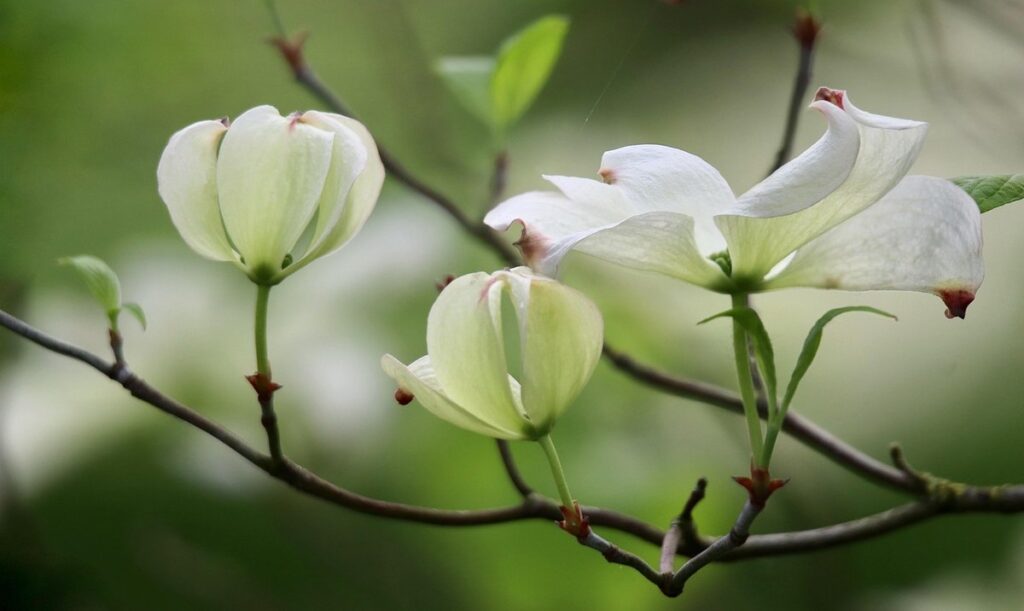
Its history dates back to the Goryeo Dynasty (918-1392 AD), where it was highly prized as a decorative element in traditional Korean gardens. The tree’s striking white flowers, which bloom in late spring, were seen as a symbol of purity and innocence. During this period, Dogwood was also used in traditional medicine for its believed healing properties.
In modern times, the cultural significance of Dogwood has evolved to include a deeper appreciation for its ecological benefits. In Korean cities, it’s common to see Dogwood planted along streets and parks, providing shade and habitat for local wildlife. By incorporating this plant into your garden or landscape design, you too can bring a touch of Korean culture and history to your outdoor space.
In traditional Korean gardens, Dogwood is often paired with other plants like azaleas and cherry blossoms to create a breathtaking floral display. When planting Dogwood in your own garden, consider these pairing ideas to add an extra layer of cultural significance and visual appeal.
Historical Uses and Significance in Traditional Medicine
In traditional Korean medicine, Dogwood Korean has been used for centuries to address various health issues. This versatile plant is rich in antioxidants and flavonoids, making it an effective remedy for inflammation, fever, and pain relief. The bark of the tree was particularly valued for its antipyretic properties, and it was often used to treat conditions such as rheumatism, arthritis, and even malaria.
In traditional Korean medicine, Dogwood Korean was also used to treat gastrointestinal issues like diarrhea and dysentery. The plant’s antiseptic properties made it an effective treatment for wounds and skin infections. Korean practitioners would often combine Dogwood Korean with other herbs to enhance its medicinal effects. For example, a combination of Dogwood Korean, ginseng, and licorice root was used to treat respiratory issues like bronchitis.
It’s worth noting that while these traditional uses are promising, more research is needed to confirm the effectiveness of Dogwood Korean for modern health conditions. However, its rich history in traditional medicine highlights its potential as a natural remedy for various ailments. If you’re interested in incorporating Dogwood Korean into your healthcare routine, consult with a qualified practitioner or herbalist to learn more about its safe and effective use.
Evolution and Spread of Dogwood Korean
Dogwood Korean has a rich history that spans centuries, originating from the mountainous regions of Korea and spreading throughout Asia. Its introduction to Western cultures was largely facilitated by European explorers and traders who were drawn to its stunning beauty and versatility. As trade routes expanded, Dogwood Korean made its way into gardens and landscapes across Japan, China, and other parts of Asia.
In Japan, for instance, Dogwood Korean was prized for its unique flowering habit and was often used as a ornamental specimen in traditional Japanese gardens. The plant’s popularity continued to grow, with it being cultivated and bred for its vibrant blooms and compact growth habit. As Western trade expanded, Dogwood Korean made its way into Europe, where it became a sought-after species among gardeners and horticulturists.
Today, Dogwood Korean can be found in gardens and landscapes around the world, from tropical to temperate regions. Its adaptability and hardiness have made it an attractive choice for gardeners of all levels, while its beauty continues to captivate audiences with its stunning white or pink blooms that appear in late spring.
Characteristics and Identification of Dogwood Korean
One of the most exciting things about dogwood korean is its unique characteristics, and learning to identify it correctly can make all the difference in your garden. Let’s take a closer look at what sets this plant apart.
Botanical Description and Key Features
Dogwood Korean boasts an attractive set of physical characteristics that make it stand out among other trees. The leaves are its most striking feature, being ovate with a pointed tip and serrated edges. They typically grow between 2-4 inches long and have a deep green color on the top side, while the underside is covered in fine hairs giving it a soft appearance.
The flowers of Dogwood Korean are white or pale pink and appear in late spring, often clustering together to create a stunning display. The bark is smooth when young but gradually develops a grayish-brown texture with prominent furrows as the tree matures.
One of the most distinctive features of Dogwood Korean is its ability to thrive in challenging conditions. With proper care, it can tolerate extreme temperatures, from scorching summers to harsh winters. However, it does prefer well-draining soil and partial shade, which makes it an ideal choice for gardeners who want a low-maintenance yet visually appealing tree.
Growth Habits and Environmental Preferences
To thrive, Dogwood Korean requires specific growing conditions that should be carefully considered before planting. Ideally, it prefers well-drained acidic soil with a pH between 5.5 and 6.5. This native Eastern Asian species is adaptable to various soil types but struggles in heavy clay or alkaline soils.
When it comes to climate, Dogwood Korean can tolerate temperatures as low as -20°F (-29°C) and as high as 80°F (27°C). However, prolonged exposure to intense heat above 85°F (30°C) can cause leaf scorch. It thrives in full sun to partial shade, but consistent moisture is essential.
To replicate these conditions, ensure your garden receives at least four hours of direct sunlight daily and maintain a consistent watering schedule. Mulching around the base helps retain moisture and suppresses weeds that compete for water and nutrients. By understanding and meeting Dogwood Korean’s specific needs, you can provide it with the ideal environment to flourish and enjoy its stunning beauty year-round.
When selecting a planting location, avoid low-lying areas where water may collect and prevent root rot. A location with good air circulation is also crucial to minimize disease susceptibility.
Distinguishing Features from Similar Species
Dogwood Korean is often mistaken for other dogwood species due to its similarities. However, with a few key features, you can accurately identify it among its counterparts.
One way to distinguish Dogwood Korean from other species is by examining the shape and size of its leaves. While many dogwood varieties have ovate or elliptical-shaped leaves, those of Dogwood Korean are typically narrower and more lance-shaped. Additionally, the leaves tend to be a deeper green color with a waxy texture.
Another distinguishing feature is the flower clusters. Dogwood Korean produces showy white flowers in flat-topped clusters, often with red or yellow bracts that give it a distinctive appearance. This differs from some other dogwoods, like Cornelian Cherry Dogwood, which has smaller, yellowish-green flowers in compact clusters.
When examining the bark of Dogwood Korean, you’ll notice it’s typically grayish-brown and exfoliates in thin strips, unlike some other dogwood species with smoother or more fibrous bark.
Cultivation and Care of Dogwood Korean
To grow a healthy Dogwood Korean, you’ll want to focus on providing it with the right amount of water, sunlight, and nutrients. This section will break down the specific care requirements for your tree.
Propagation Methods and Techniques
Propagating Dogwood Korean is a great way to share this stunning tree with friends and family, or to expand your own collection. There are several methods to propagate Dogwood Korean, including seeds, cuttings, and layering.
To start, you can propagate from seeds collected from mature trees in the fall after they have lost their leaves. Sow the seeds 1/4 inch deep in a seed tray filled with a well-draining seed starting mix. Keep the soil consistently moist but not waterlogged until germination occurs. It’s essential to note that seeds may take up to two years to sprout, and the resulting saplings may not retain the exact characteristics of the parent tree.
For faster results, you can use stem cuttings taken from mature trees during the dormant season. Cut 6-8 inch sections of stem with at least two nodes, remove lower leaves, and dip the cut end in rooting hormone powder before planting them in a propagation tray filled with a moistened potting mix. Water well and maintain high humidity until roots develop.
Layering is another effective method for propagating Dogwood Korean. Select a healthy tree with a long, flexible branch that can be bent to the ground without breaking. Tie the branch down using a soft material like twine or wire, making sure it remains buried under soil. Roots will form on the buried section of the stem within six months, allowing you to carefully cut and separate the new sapling from the parent tree.
Soil Preparation and Fertilization
When it comes to cultivating a thriving Dogwood Korean tree, soil preparation and fertilization play a crucial role. To ensure optimal growth, you’ll want to create a well-draining mix that’s rich in organic matter.
A good starting point is to test the pH level of your soil, as Dogwood Koreans prefer slightly acidic conditions (pH 5.5-6.5). If your soil is too alkaline or too acidic, you can adjust it with lime or sulfur. For a balanced mix, combine equal parts of compost, perlite, and peat moss.
When it comes to fertilizing, Dogwood Koreans are heavy feeders that require regular nutrient replenishment. Apply a slow-release fertilizer in the early growing season (late winter or early spring), following the manufacturer’s instructions for application rates. Supplement with an organic fertilizer during the active growing period (summer) to promote healthy foliage and flower production.
Aim to fertilize your Dogwood Korean tree every 2-3 months, adjusting the frequency based on its growth rate and soil conditions. Keep in mind that over-fertilization can damage the roots, so monitor your tree’s response closely and adjust accordingly.
Pruning and Training Techniques
Pruning is an essential part of maintaining your Dogwood Korean’s shape and promoting healthy growth. It’s recommended to prune your tree annually, removing any dead, diseased, or damaged branches. When pruning, cut just outside a bud or growth node, as this will encourage new growth from that point.
When it comes to training the tree’s shape, consider using techniques such as tip pruning or thinning. Tip pruning involves cutting the very top of the tree to control its height and promote a more balanced canopy. Thinning removes select branches throughout the tree to allow for better air circulation and sunlight penetration.
To maintain your Dogwood Korean’s unique “weeping” habit, avoid heavy pruning that would encourage straight growth. Instead, focus on selective removal of branches to maintain a layered appearance.
Timing is everything when it comes to pruning. Late winter or early spring are ideal times, as they allow for new growth to emerge without being damaged by frost. Summer pruning can also be done, but be cautious not to promote new growth that may be vulnerable to pests and diseases.
Uses and Benefits of Dogwood Korean
When it comes to using your Dogwood Korean tree, you’ll be happy to know that its unique benefits extend far beyond its stunning beauty, making it a valuable addition to any garden or landscape. Here are some exciting uses for this versatile tree.
Traditional Medicine and Health Applications
Dogwood Korean has been used for centuries in traditional medicine to treat various ailments. The plant’s medicinal properties have been extensively studied, and research has confirmed its antibacterial, anti-inflammatory, and antiviral effects.
One of the most significant benefits of Dogwood Korean is its ability to combat infections caused by bacteria, viruses, and fungi. The plant contains compounds such as arbutin and salicin, which have been shown to inhibit the growth of pathogens and reduce inflammation. For example, studies have demonstrated that Dogwood Korean extract can effectively treat urinary tract infections (UTIs) by targeting the underlying bacterial causes.
In addition to its antibacterial properties, Dogwood Korean has also been found to exhibit anti-inflammatory effects. The plant’s compounds have been shown to reduce swelling and pain in animal models of arthritis, making it a potential treatment for inflammatory diseases. Furthermore, research suggests that Dogwood Korean may also possess antiviral activity, with one study demonstrating its ability to inhibit the replication of certain viruses.
If you’re interested in harnessing the medicinal properties of Dogwood Korean, consider using it topically or ingesting it as a supplement. However, be sure to consult with a healthcare professional before doing so, especially if you have any underlying medical conditions or are taking prescription medications.
Culinary and Edible Uses
In traditional Korean cuisine, Dogwood Korean is a prized ingredient for its unique flavor and medicinal properties. The tree’s bark, leaves, and flowers are used to make various dishes, from soups and stews to teas and jams.
One popular recipe is “Dongbaekguk,” a dogwood root soup that’s a staple in Korean cuisine. To prepare it, simply boil 1-2 cups of chopped dogwood roots in water for an hour, then season with salt, garlic, and ginger. This nourishing soup is believed to improve digestion and boost energy.
In Korea, the flowers are also pickled or made into jams to be served as a side dish or used as an ingredient in traditional desserts. To make a simple dogwood flower jam, combine 1 cup of chopped flowers with 2 cups of sugar and 1 cup of water, simmering for about 20 minutes until thickened.
When using Dogwood Korean in cooking, it’s essential to note that the tree’s medicinal properties can be affected by processing. To preserve its potency, use fresh or dried ingredients, and avoid over-processing.
Decorative and Ornamental Value
One of the most significant reasons dogwood Korean has become a popular ornamental plant for gardens and landscapes is its exceptional decorative value. Its stunning flowers, vibrant foliage, and unique growth habit make it an attractive addition to any outdoor space. In particular, the showy white or pink bracts that surround the tiny yellow flowers create a striking visual impact, adding a pop of color and texture to the garden.
When used as a specimen plant, dogwood Korean can become a focal point in the landscape, drawing attention from across the yard. Its compact size, typically reaching 8-10 feet tall and wide, makes it an excellent choice for smaller gardens or hedges. Additionally, its tolerance of various soil types and moisture levels allows it to thrive in a range of conditions, further increasing its appeal.
To maximize the ornamental value of dogwood Korean, consider combining it with other plants that share similar growing requirements. This will create a cohesive look and reduce maintenance needs. By incorporating dogwood Korean into your garden design, you can add a touch of elegance and sophistication to your outdoor space while enjoying its numerous benefits throughout the seasons.
Challenges and Pests Affecting Dogwood Korean
As you care for your Dogwood Korean, it’s essential to be aware of the challenges and pests that can affect its health, from fungal diseases to unwanted critters. We’ll cover these common issues in more detail below.
Common Problems and Solutions
Dogwood Korean is not immune to pests and diseases that can cause significant damage if left unchecked. One common problem is powdery mildew, a fungal disease that appears as a white, powdery coating on leaves. To prevent this, ensure good air circulation around the tree by providing enough space between plants and pruning regularly.
Other common pests include aphids, scales, and borers. Aphids can be controlled using neem oil or insecticidal soap, while scales require a more thorough treatment with horticultural oil. Borers, however, are more challenging to eliminate and often require systemic insecticides. Regularly inspecting your tree for signs of infestation is key.
To prevent diseases, maintain good hygiene practices when handling the tree. Wash your tools regularly, and avoid overwatering which can foster fungal growth. Fungal infections like dogwood anthracnose can be more severe if not treated promptly with fungicides. Regularly monitoring your tree’s health will allow you to catch any issues early on.
Climate Change and Environmental Impact
Climate change poses significant challenges to the growth and distribution of Dogwood Korean. Rising temperatures and altered precipitation patterns can disrupt its natural habitat, making it more susceptible to pests and diseases. Warmer winters may allow pests like insects and fungal diseases to thrive, while droughts can stress the plant, making it more vulnerable to infestations.
Moreover, climate change exacerbates environmental issues that can impact Dogwood Korean’s growth. Increased frequency of extreme weather events like heavy rainfall and flooding can lead to soil erosion, nutrient depletion, and water pollution. This not only affects the plant’s health but also contaminates nearby ecosystems.
Interestingly, studies have shown that certain tree species, including Dogwood Korean, can mitigate environmental issues by absorbing carbon dioxide from the atmosphere and producing oxygen. They also provide habitats for beneficial insects and microorganisms that help maintain soil quality. To promote a healthy environment, gardeners can plant native species like Dogwood Korean in areas prone to soil erosion or water pollution.
By incorporating these trees into their landscaping, individuals can contribute to environmental conservation efforts while enjoying the beauty of nature.
Conclusion: Cultivating a Better Understanding of Dogwood Korean
As we wrap up our ultimate guide, let’s take a moment to reflect on what you’ve learned and how you can apply it to truly appreciate this beautiful tree. This section will summarize key takeaways and insights gained throughout your journey with Dogwood Korean.
Recap of Key Takeaways
As we conclude our comprehensive guide to Dogwood Korean, let’s recap the key takeaways that will help you cultivate a better understanding of this remarkable tree.
One of the most important things to remember is that Dogwood Korean is a versatile and adaptable species that can thrive in various environments. To care for your Dogwood Korean effectively, make sure to choose a location with well-draining soil and provide it with regular watering and fertilization.
We’ve also discussed the unique characteristics of Dogwood Korean, including its stunning white flowers and attractive fall foliage. By understanding these traits, you’ll be able to appreciate its beauty and make informed decisions about how to showcase its best features in your garden or landscape design.
In terms of care and maintenance, we highlighted the importance of pruning and training techniques to promote healthy growth and encourage a strong, upright shape. With regular attention and TLC, your Dogwood Korean will reward you with years of vibrant color and beauty.
By incorporating these key takeaways into your understanding of Dogwood Korean, you’ll be well-equipped to grow this stunning tree in your own outdoor space and enjoy its many benefits for years to come.
Final Thoughts and Future Directions
As you’ve gained a deeper understanding of Dogwood Korean through this ultimate guide, it’s essential to reflect on its significance in Korean culture and consider potential areas for further research and application. Dogwood Korean is more than just an ornamental tree; it holds cultural and historical value that deserves recognition.
In traditional Korean settings, the dogwood tree is often used as a symbol of beauty and elegance. Its stunning white or pink flowers add a touch of serenity to gardens and landscapes. However, beyond its aesthetic appeal, Dogwood Korean plays a vital role in Korean culture as a natural remedy for various ailments.
As you’ve learned throughout this guide, Dogwood Korean’s unique characteristics make it an attractive subject for further research. Its high tolerance to extreme temperatures, drought resistance, and disease-fighting properties make it an ideal candidate for innovative applications in medicine, agriculture, or even sustainable urban planning.
Frequently Asked Questions
Can I grow Dogwood Korean in a container or indoors?
Dogwood Korean can thrive in containers, but it requires careful selection of the right size pot and sufficient drainage. Ensure your container is at least 3-4 feet deep to accommodate the tree’s root system. Indoor growth is also possible, but provide ample light (4-6 hours direct sunlight) and maintain a consistent temperature between 65-75°F (18-24°C). Monitor soil moisture carefully, as overwatering can be detrimental.
How do I propagate Dogwood Korean from seed or cuttings?
Propagation from seed can be challenging due to low germination rates. For better results, use stem cuttings taken in late spring or early summer. Remove lower leaves, dip the cutting in rooting hormone powder, and plant it in a moistened potting mix. Keep the soil consistently moist but not waterlogged until roots develop (about 2-3 months). Prune the parent tree regularly to encourage new growth.
What are some common pests and diseases affecting Dogwood Korean?
Powdery mildew and root rot can affect Dogwood Korean, especially in humid environments. Regularly inspect your tree for signs of pest infestation or disease, such as white powdery patches on leaves or black spots on the bark. Implement integrated pest management techniques (IPM) to control pests and diseases.
Can I use Dogwood Korean in traditional medicine if it’s not certified organic?
While certification is desirable, using non-certified organic Dogwood Korean for traditional medicine may be acceptable if you can verify its origin and cultivation practices through trusted sources or expert suppliers. However, ensure proper identification of the plant and any processing methods used to avoid contamination.
How do I protect my Dogwood Korean from climate change?
Gradual changes in temperature and precipitation patterns can affect Dogwood Korean’s growth and health. Implement sustainable gardening practices like mulching, rainwater harvesting, and composting to create a resilient ecosystem. Also, consider planting native species that are adapted to local climate conditions, reducing the need for frequent pruning or support.