
If you’re considering adding some feathered friends to your farm or backyard, raising domestic geese can be a surprisingly rewarding experience. Not only are they relatively low-maintenance pets, but they also provide a wealth of entertainment and companionship. However, before bringing home these charming birds, it’s essential to understand the benefits and challenges that come with caring for them. From choosing the right breed to training and socialization, there’s more to domestic goose ownership than meets the eye. In this article, we’ll explore the ins and outs of raising happy and healthy domestic geese, covering everything from selecting the perfect breed to providing top-notch care and attention. Whether you’re a seasoned farmer or just starting out with pets, our expert tips will help you navigate the world of domestic goose ownership like a pro.
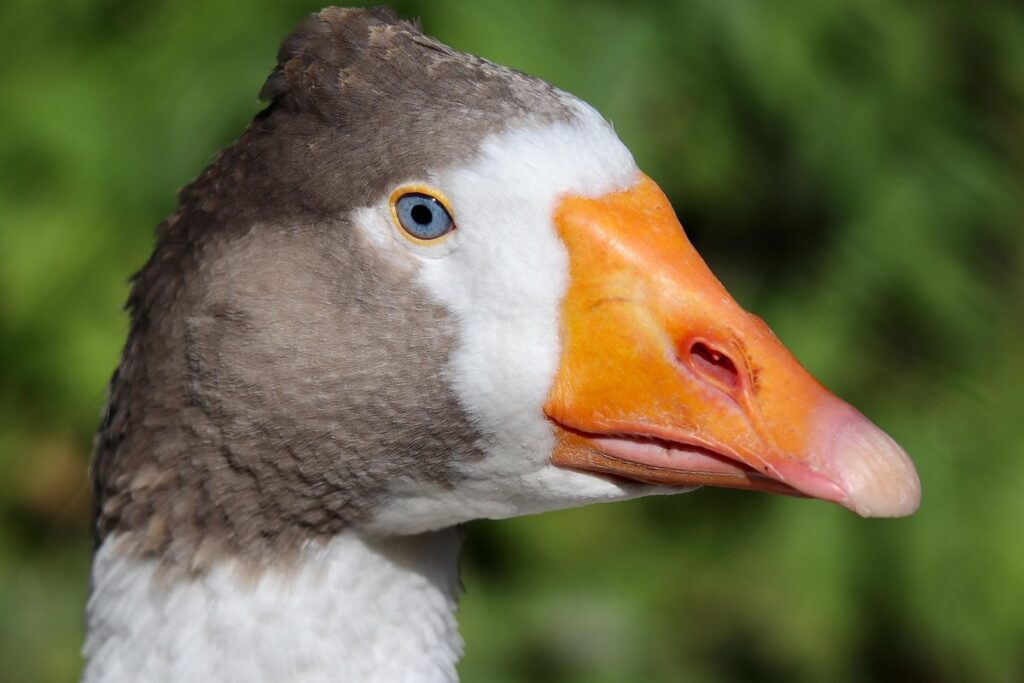
Introduction to Domestic Geese
If you’re new to domestic geese, starting with the basics is essential. This section will provide a gentle introduction to their unique characteristics and needs.
History of Domestication
Domestic geese have a rich history that spans thousands of years. Their journey from wild ancestors to domesticated birds is marked by key milestones in selective breeding for desirable traits. The process began around 3000 BC, when early humans first started keeping wild geese as companions and later as a source of food.
As humans selectively bred these birds, they noticed distinct differences in temperament and appearance between the kept geese and their free-flying counterparts. Breeders favored geese that were more docile, less aggressive, and easier to manage. This selective breeding led to the development of smaller, friendlier geese that were better suited for human interaction.
One notable example of this selective breeding is the emergence of the Embden Goose breed in 17th-century Europe. These geese were prized for their exceptional temperament, with some being known to form strong bonds with their owners. Today, domestic geese are kept worldwide for companionship, eggs, and meat production. Their history serves as a testament to human ingenuity and our ability to shape the natural world through selective breeding.
Benefits of Keeping Domestic Geese
Keeping domestic geese as pets or on farms can be incredibly rewarding, offering numerous benefits that go beyond just their endearing presence. One of the most significant advantages is noise reduction. Domestic geese are known to be vocal animals, but they have a unique ability to alert you to potential threats such as intruders, wild predators, and even severe weather conditions. By keeping them nearby, you’ll enjoy enhanced security without the need for expensive alarm systems.
In addition to their watchful nature, domestic geese excel at lawn maintenance. With regular grazing, they can help keep your grass trimmed to perfection, eliminating the need for noisy lawn mowers and reducing your carbon footprint in the process. Their grazing habits also promote healthy soil development by dispersing seeds and aerating the ground.
Geese are also effective natural pest controllers, capable of devouring unwanted insects, slugs, and snails that can damage crops or gardens. By introducing a few domestic geese to your farm or backyard, you’ll experience significant reductions in pesticide use and enjoy a more balanced ecosystem as a result.
Choosing the Right Breed
When choosing a domestic goose, it’s essential to select a breed that suits your lifestyle and needs. With over 100 recognized breeds, narrowing down the options can be overwhelming for first-time owners.
Factors to Consider When Selecting a Breed
When it comes to selecting a breed of domestic goose, there are several key factors to consider. One of the most important considerations is size. Domestic geese come in a range of sizes, from the small Chinese goose to the large Embden. If you’re looking for a companion animal that will live on a small property or even in a backyard, a smaller breed may be a better fit.
Temperament is another crucial factor to consider when selecting a domestic goose breed. Some breeds are known for their friendly and social nature, while others can be more aggressive. If you plan to keep your geese with other animals, such as chickens or ducks, it’s essential to choose a breed that is known for being docile.
Egg-laying ability is another consideration when selecting a domestic goose breed. Some breeds, such as the Toulouse and the Sebastopol, are prolific layers, producing up to 200 eggs per year. Others, like the African and the Chinese, may only lay around 100 eggs per year. If you’re looking for a breed that will provide a steady supply of fresh eggs, you’ll want to choose one with high egg-laying potential.
Feather color is also an important consideration when selecting a domestic goose breed. Some breeds, such as the White Embden and the Snow White Chinese, have striking white feathers, while others, like the Toulouse and the Sebastopol, come in a range of colors, including black, brown, and gray.
Popular Breeds of Domestic Geese
When it comes to choosing the right breed of domestic geese for your farm or backyard, there are many popular options to consider. Some of the most well-known breeds include Embden, Toulouse, and Chinese Geese.
The Embden breed is known for its distinctive white feathering and friendly temperament. They are relatively small in size, with adults reaching heights of around 2-3 feet. One advantage of the Embden breed is their high-quality eggs, which can weigh up to 1.5 ounces each. However, they do require regular exercise and social interaction to prevent boredom and stress.
The Toulouse breed, on the other hand, boasts a more rugged appearance with its black and white feathering. They are larger than Embdens, reaching heights of up to 4 feet, and are known for their gentle nature. One disadvantage of the Toulouse breed is their tendency to be noisy, especially in the morning.
The Chinese Geese breed is prized for its vibrant orange and white plumage. They are relatively small in size, reaching around 2-3 feet in height, and are known for their friendly and social nature. However, they can be quite territorial and may not be suitable for small backyards or coops.
It’s essential to research each breed thoroughly before making a decision, considering factors such as climate, space, and your personal experience level with geese care.
Health and Nutrition
To keep your domestic goose healthy, it’s essential to provide a balanced diet that meets their unique nutritional needs. A well-planned feeding schedule is also crucial for their overall well-being.
Common Health Issues in Domestic Geese
Domestic geese are generally hardy birds, but they can be prone to certain health issues if not properly cared for. Respiratory problems are one of the most common health concerns affecting domestic geese. Pneumonia and bronchitis can be caused by bacteria, viruses, or fungi, and may be triggered by factors such as poor ventilation, dust, or drafts. To prevent respiratory issues, it’s essential to provide your geese with a clean, well-ventilated enclosure and ensure they have access to fresh air.
Parasites are another common health issue that can affect domestic geese. Internal parasites like mites, lice, and fleas can cause discomfort, anemia, and even death if left untreated. External parasites such as ticks, flies, and mosquitoes can also transmit diseases like avian cholera. Regular cleaning of the enclosure, using diatomaceous earth or other parasite control methods, and monitoring your geese’s health closely can help prevent parasitic infections.
Diseases such as avian cholera, botulism, and histomoniasis are other significant health concerns for domestic geese. These diseases are often caused by contaminated food or water, poor sanitation, and inadequate vaccination. To minimize the risk of these diseases, ensure your geese have access to clean drinking water, provide a balanced diet, and maintain a clean living environment.
It’s also crucial to monitor your geese regularly for signs of illness such as labored breathing, lethargy, or changes in appetite or droppings. If you suspect any health issues, consult with a veterinarian experienced in caring for domestic geese.
Nutritional Needs of Domestic Geese
Domestic geese have unique nutritional requirements that must be met to ensure their optimal health and well-being. A balanced diet for these birds should include a mix of high-quality protein sources such as grains like oats, barley, and wheat, as well as legumes like beans and peas. Geese also require a significant amount of calcium to support strong bone growth and development.
Vitamins and minerals are crucial components of a domestic goose’s diet. Vitamin A is essential for maintaining healthy skin, eyes, and immune function, while vitamin D is necessary for regulating calcium levels in the body. Minerals like potassium and sodium play important roles in maintaining proper fluid balance and nerve function. It’s also worth noting that domestic geese require access to fresh water at all times.
In addition to these basic requirements, it’s recommended to supplement a domestic goose’s diet with foods rich in omega-3 fatty acids such as fish oil or flaxseed meal. This will help support the bird’s overall health and reduce inflammation. A good rule of thumb is to provide 1/4 cup of grains per pound of body weight daily, along with fresh fruits and vegetables as treats.
Housing and Fencing
When it comes to providing a safe and secure home for your domestic goose, proper housing and fencing are crucial elements to consider. Let’s explore some essential tips on setting up the perfect enclosure.
Essential Components of a Goose Coop or Enclosure
When it comes to building a goose coop or enclosure, there are several essential components to consider. First and foremost, size is crucial – a minimum of 2 square feet per bird should be provided, with adequate space for movement and exercise. However, the ideal size will depend on the number of geese you plan to keep and their breed.
Proper ventilation is also vital to prevent ammonia buildup from goose droppings. Ensure that your coop has windows or vents that can be opened to allow fresh air in, especially during hot weather. Lighting is another key consideration – natural light is ideal, but supplemental lighting may be necessary during periods of low sunlight.
Predator protection is a must-have for any backyard flock. Hardware cloth or chicken wire with openings of 1 inch or smaller should enclose the coop and run to prevent predators like coyotes, foxes, and raccoons from getting in. Consider adding additional features such as electric fencing or netting to further secure your geese.
Tips for Building an Effective Fence Around Your Property
When it comes to domestic geese, safety is a top concern. One crucial aspect of their care and management is ensuring they are protected from predators that may see them as an easy target. A sturdy fence around your property can provide the necessary security for these beautiful birds.
The ideal fence should be at least 6 feet high to prevent jumping predators like coyotes, foxes, or stray dogs from reaching your geese. You’ll also want to make sure the fence is made of durable materials that won’t easily break or damage under pressure. Consider using hardware cloth, a mesh material with openings as small as 1 inch, to prevent digging animals like raccoons and opossums.
When building the fence, keep in mind the geese’s natural instinct to follow each other. Make sure the fence is designed to direct them safely around the perimeter of your property. You can also incorporate gates that lock securely to prevent any unwanted visitors from entering or exiting the area. With a well-built and well-maintained fence, you’ll have peace of mind knowing your domestic geese are safe from harm.
Training and Socialization
Training and socialization are crucial aspects of domestic goose care, as these birds can be strong-willed and require early training to become gentle companions. Proper introduction to handling and interaction is key to a harmonious household.
Basic Training Commands for Domestic Geese
Training domestic geese requires patience, consistency, and positive reinforcement. Start by teaching basic commands that will help you establish a strong bond with your feathered friends. One of the most essential commands is “walk on a leash.” To train your goose to walk on a leash, begin by introducing the harness and leash gradually, allowing them to become accustomed to the feeling and scent. Reward your goose with treats for remaining calm and tolerating the leash.
Next, teach your goose to respond to basic calls such as “come” or “follow me.” Use positive reinforcement techniques like offering treats or toys when they respond promptly. Gradually increase the distance between you and your goose during training sessions to ensure they understand that the commands are universal.
When interacting with people, it’s crucial to socialize your geese from an early age. Introduce them to new individuals, allowing them to become comfortable with various voices, textures, and scents. With patience and consistency, your domestic geese will learn basic training commands, making interactions with you and others enjoyable and stress-free.
Importance of Socialization in Domestic Geese
Socialization is an often-overlooked aspect of domestic goose care, yet it plays a crucial role in shaping their behavior and well-being. Geese are social animals that thrive on interaction with their human caregivers and other geese. Without adequate socialization, they can become stressed, anxious, and even aggressive.
A lack of socialization can lead to behavioral problems such as feather pecking, screaming, and destructive tendencies. This is because geese have complex communication needs that are not met through isolation or inadequate interaction. For example, a study found that domestic geese raised in small groups had significantly lower stress levels than those raised alone.
To ensure your geese receive adequate socialization, spend quality time with them daily, engaging in activities like feeding, walking, and playing together. You can also introduce them to other geese or animals, under close supervision, to promote a sense of community and reduce aggression. With proper socialization, you’ll be rewarded with happy, healthy, and well-adjusted geese that are a joy to care for. By prioritizing their social needs, you’ll create a harmonious and balanced living environment for your feathered friends.
Conclusion
Now that you’ve learned how to care for and manage your domestic goose, it’s time to wrap up our comprehensive guide and summarize the key takeaways for a successful goose-keeping experience. We’ll highlight the most important points from what we’ve covered so far.
Recap of Key Takeaways
In this comprehensive guide, we’ve covered all aspects of domestic goose care and management. To recap, here are the key takeaways to keep in mind for a happy and healthy flock:
As we discussed, it’s crucial to provide adequate housing, including secure fencing that protects both geese and neighboring properties from potential escape or damage. Ensure their enclosure is at least 10 feet tall and has a sturdy door that can withstand strong winds.
Regular health checks and vaccinations are also essential. Keep an eye out for signs of illness or injury, such as labored breathing, lethargy, or unusual droppings. A well-balanced diet rich in nutrients and a reliable water source are vital to maintaining their overall health.
Effective communication with your geese is key to building trust and ensuring they remain calm around humans. Start by establishing clear boundaries and rewards for desired behavior. Regular interaction and socialization can also help reduce aggression and stress within the flock.
Final Tips and Recommendations
Before you bring domestic geese into your life, whether as pets or on farms, there are some final considerations to keep in mind. First and foremost, be prepared for a long-term commitment – geese can live up to 20-30 years with proper care, so make sure you’re ready to provide a stable home for them.
It’s also essential to remember that domestic geese are social animals and require regular interaction and exercise to stay happy and healthy. Set aside time each day to let your geese out of their enclosure and roam freely in a secure area, such as a fenced pasture or paddock.
In terms of specific advice, consider the following: make sure you have adequate space for your geese to move around (at least 10 square feet per bird) and provide a balanced diet that includes grains, vegetables, and fruits. Regular veterinary check-ups are also crucial to prevent diseases and parasites.
Lastly, be aware that domestic geese can be noisy, so if you live in an urban area or have close neighbors, this may not be the best pet for you. With careful planning and attention to their needs, however, domestic geese can make wonderful additions to your family or farm.
Frequently Asked Questions
Can I keep domestic geese as pets if I live in an urban area?
If you’re interested in keeping domestic geese as pets, it’s essential to check local zoning laws and regulations regarding backyard animals. While some cities allow small pet birds, others may have restrictions on noise levels or property size. Research your area’s specific requirements before bringing home your feathered friends.
How do I protect my domestic geese from predators?
Protecting your geese from predators is crucial to their safety and well-being. Consider investing in a sturdy fence around your coop or enclosure, ensuring it’s at least 6 feet tall and made of durable materials like wood or metal. Additionally, introduce your geese to guard animals like dogs or donkeys that can help deter potential threats.
Can domestic geese learn to follow me on walks?
Domestic geese are intelligent birds that can be trained to follow you on walks. However, it’s crucial to establish clear boundaries and commands early on. Start with short training sessions, using positive reinforcement techniques like treats and praise. Be patient and consistent, as building trust takes time.
How often should I clean the coop of my domestic geese?
Regular cleaning is vital to maintaining a healthy environment for your geese. Aim to clean the coop at least once a week, removing soiled bedding, droppings, and uneaten food. Disinfect all surfaces with a pet-safe solution, replacing old bedding with fresh material.
What are some common health issues in domestic geese?
Domestic geese can be prone to certain health issues, including respiratory problems, parasites, and feather pecking disorder. Monitor your birds’ behavior and overall health closely, consulting a veterinarian if you notice any unusual signs or symptoms. Keep a clean environment, provide balanced nutrition, and ensure access to fresh water to minimize the risk of these common issues.