
Are you looking for a new addition to your backyard farm or homestead? Or perhaps you’re interested in learning about a unique and versatile domesticated bird species? Look no further than the domestic muscovy duck! Native to South America, this fascinating fowl has been prized for its exceptional qualities by farmers and backyard enthusiasts alike. Not only do muscovy ducks offer a range of benefits, from their high-quality eggs and meat to their entertaining antics and low-maintenance care, but they also require less space and have a more docile nature compared to other duck breeds. In this article, we’ll delve into the history, characteristics, and advantages of domestic muscovy ducks, exploring everything you need to know about these remarkable birds and why they’re an excellent choice for anyone considering raising poultry at home.
History and Origin
The Domestic Muscovy Duck: A Comprehensive Guide originated from South America, but its domestication is often credited to European breeders who prized them for their meat and egg production. Let’s explore this fascinating history together.
Early Beginnings in South America
The muscovy duck’s native habitat spans across South America, from Argentina to Panama, where it inhabits subtropical and tropical regions. Its early beginnings in domestication are a testament to its unique characteristics and adaptability that made it an attractive choice for farmers and breeders.
One of the primary reasons the muscovy duck was first domesticated is its ability to thrive in warm climates with limited vegetation. They are well-suited to navigate through dense wetlands, where other waterfowl species might struggle to survive. Their broad, flat beaks allow them to forage for food in shallow waters, making them efficient at extracting nutrients from their environment.
These traits, combined with their docile nature and relatively small size compared to other domesticated ducks, made the muscovy duck an appealing choice for early South American farmers. They were initially kept for their meat, eggs, and feathers, which were highly valued for their quality and durability. Over time, breeders selectively bred them for desirable characteristics, such as improved egg-laying ability and plumage coloration.
As you consider bringing muscovy ducks into your own farm or backyard, remember to provide them with suitable living conditions that mimic their natural habitat. This includes providing access to shallow water sources, a balanced diet, and adequate shelter from the elements. With proper care and management, these hardy birds will reward you with years of productive service.
Introduction to Europe and North America
The muscovy duck’s journey to becoming a popular farm animal began centuries ago. Originating from South America, the domesticated muscovy was first introduced to Europe by European explorers who had encountered them in the 16th century. The birds were brought back as exotic pets and later found their way onto farms due to their unique characteristics.
One of the main factors contributing to their popularity was their ability to thrive in a variety of climates and environments. This adaptability made them an attractive choice for farmers looking to raise a hardy and versatile bird. In Europe, muscovies were primarily used for egg production, with females producing around 120-150 eggs per year.
Their introduction to North America occurred later, with the first recorded imports in the mid-19th century. American farmers quickly took to raising muscovies due to their robust nature and ease of care. Today, domestic muscovy ducks are raised on farms across Europe and North America for a variety of purposes, including egg production, meat, and even as ornamental animals.
By understanding the history behind the domestic muscovy’s rise in popularity, you can appreciate why they remain a staple on many farms today. Whether you’re looking to raise them for eggs or simply want to learn more about these fascinating birds, this guide aims to provide you with valuable insights into their care and maintenance.
Characteristics and Traits
When considering bringing a Muscovy duck into your home, it’s essential to understand their unique characteristics and traits that set them apart from other domesticated ducks. Let’s take a closer look at these distinctive features.
Physical Characteristics
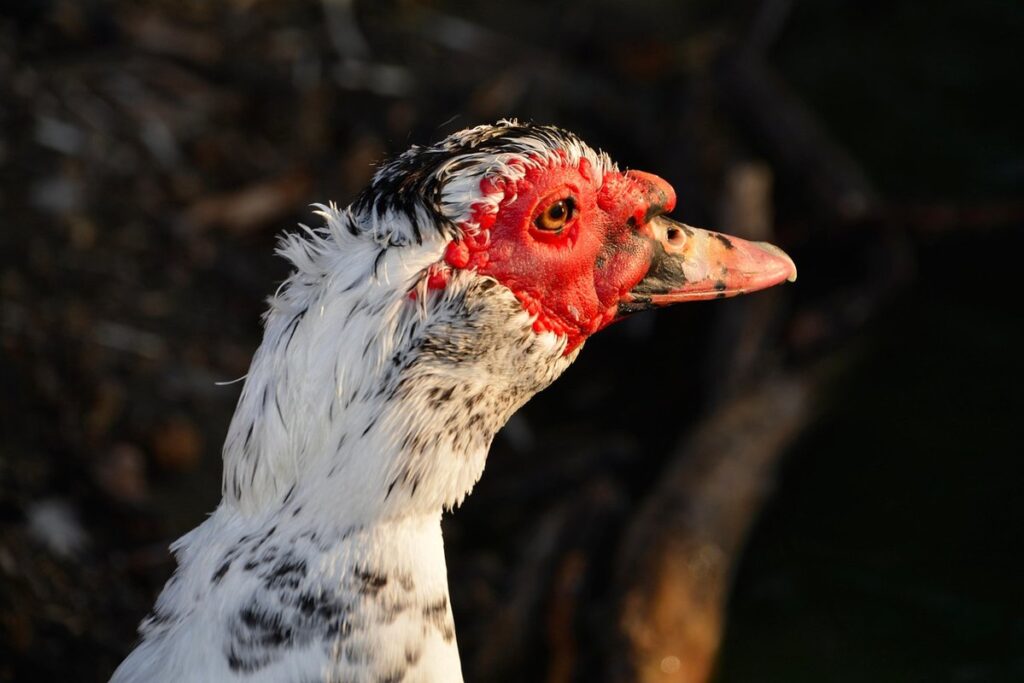
One of the most striking aspects of the domestic muscovy duck is its unique physical appearance. Upon first glance, you’ll likely notice the distinctive red wattle that hangs from the base of the beak. This fleshy growth is not only a visual identifier but also plays a crucial role in thermoregulation and communication.
In terms of plumage, the muscovy duck boasts sleek black feathers with a subtle sheen to them. The black coloration provides excellent camouflage in natural environments, allowing these ducks to blend in seamlessly with their surroundings. If you take a closer look at the beak, you’ll notice its vibrant orange hue, which is another distinguishing feature of this breed.
Domestic muscovy ducks are relatively small compared to other domesticated duck breeds, with an average weight range of 3-4 kg (6.6-8.8 lbs). They typically reach a height of about 25-30 cm (9.8-11.8 in) at the shoulder, making them a popular choice for backyard flocks and small farms. Overall, their compact size and striking physical characteristics make muscovy ducks a standout among domesticated waterfowl.
Temperament and Behavior
When it comes to temperament and behavior, muscovy ducks are known for their unique personalities. They’re highly social creatures that thrive on interaction with humans and other animals. In fact, many backyard enthusiasts and farmers rave about the muscovy’s ability to form close bonds with its owners.
One of the most distinctive features of muscovy ducks is their vocalization. They’re incredibly loud, and they love to communicate with each other (and you!) throughout the day. While this can be a bit much for some people, others find it endearing and even entertaining. To manage your muscovy’s vocalizations, try providing plenty of mental stimulation through activities like foraging games or puzzle toys.
In terms of foraging habits, muscovy ducks are ground-dwelling birds that love to scratch and peck at the earth in search of tasty bugs, seeds, and plants. This makes them an excellent choice for farmers looking to integrate ducks into their rotational grazing systems. If you’re raising muscovies in your backyard, consider creating a designated foraging area with plenty of space to roam.
What really sets muscovy ducks apart, however, is their incredible egg-laying ability. They can produce up to 300 eggs per year, making them an attractive choice for small-scale farmers and homesteaders looking to diversify their egg production.
Health and Nutrition
To keep your Muscovy ducks healthy, you’ll want to know how to provide them with a balanced diet and ensure their water is safe for drinking. Let’s dive into health and nutrition essentials.
Dietary Requirements
Domestic muscovy ducks are opportunistic feeders and their diet should reflect this. In the wild, they forage for aquatic plants, insects, and grains. To replicate their natural diet, provide a mix of fresh vegetables like kale, spinach, and carrots, along with fruits such as berries and apples. Incorporate protein sources like mealworms or crickets to support healthy growth.
When creating a balanced diet for your domesticated muscovy ducks, ensure they have access to clean water at all times. A good rule of thumb is to provide 1/4 cup of feed per duck per day, divided into two meals. Supplement this with fresh vegetables and fruits daily. However, avoid overfeeding grains as it can lead to obesity.
Consider adding a calcium supplement during breeding season to support strong eggshell production. Fresh greens like dandelion and plantain are also rich in nutrients and can be provided as treats. Remember, variety is key to keeping your muscovy ducks healthy and happy.
Common Health Issues
Domestic muscovy ducks are generally hardy and disease-resistant birds, but like all living creatures, they can be susceptible to certain health issues. One common problem is respiratory problems, which can be caused by factors such as poor ventilation, dust, and bacteria. Regular cleaning of the coop and providing adequate ventilation can help prevent these issues.
Parasites are another potential threat to your muscovy ducks’ health. Mites, lice, and fleas are all common parasites that can infest domesticated birds. To prevent parasitic infestations, make sure to check your ducks regularly for signs of mites or lice, such as excessive scratching or fluffing. Treat any issues promptly with a suitable parasite control product.
Other health concerns may include eye problems, feather pecking, and stress-related disorders. Keeping your muscovy ducks’ living environment clean and providing them with a balanced diet can help prevent these issues. It’s also essential to provide regular veterinary care and monitor their behavior closely for any signs of illness or distress. By taking proactive steps to maintain their health, you can enjoy many happy years with your domestic muscovy ducks.
Breeding and Management
To raise healthy, thriving muscovy ducks, it’s essential to understand their breeding habits and management needs, which can vary significantly from other domesticated duck species. Here, we’ll delve into these specifics.
Breeding Habits
When it comes to breeding muscovy ducks, understanding their reproductive cycle is crucial for successful breeding and management. Muscovy ducks are monogamous birds that form strong pair bonds, which helps in increasing the chances of successful breeding.
Their reproductive cycle typically begins with courtship behavior, where males perform elaborate displays to attract females. Once paired, the female muscovy duck will lay around 10-12 large, elongated eggs per clutch, which are white or light brown in color. One unique characteristic of muscovy duck eggs is their tendency to be larger and heavier compared to other domestic duck breeds.
The incubation period for muscovy duck eggs lasts around 28-30 days, during which the male will usually take over incubation duties from the female. Newborn muscovy ducklings are precocial, meaning they are relatively mature at birth and can swim within hours of hatching. This makes them an attractive choice for backyard farmers who want to raise ducks for meat or eggs.
To ensure a smooth breeding process, it’s essential to provide muscovy ducks with a suitable environment that promotes successful pair bonding and reproduction. Ensure you have enough space, nutritious food, and clean water for your birds, and consider introducing young males to the breeding flock at around 6-8 months of age to promote healthy pair bonding.
Housing and Fencing Requirements
When it comes to housing and fencing requirements for domesticated muscovy ducks, there are several key considerations to keep in mind. First and foremost, the enclosure should provide ample space for your birds to move around comfortably. A minimum of 2-3 square feet per duck is recommended, but more space is always better.
In terms of ventilation, it’s essential to ensure that your muscovy ducks have access to fresh air and can escape from heat stress during hot summer months. This can be achieved through the use of windows, vents, or even a small pool for them to swim in. When it comes to predator protection, you’ll want to consider using sturdy fencing made from materials like chicken wire or hardware cloth that’s at least 3 feet high.
Remember to also provide adequate shelter and nesting areas within the enclosure to help your muscovy ducks feel secure and relaxed. As a general rule of thumb, a good housing setup should include a combination of space, ventilation, and predator protection to ensure the health and well-being of your birds. By prioritizing these needs, you’ll be well on your way to creating a happy and healthy home for your domestic muscovy ducks.
Some owners also swear by incorporating a small pond or pool into their enclosure design, which not only provides exercise but also helps to regulate the temperature and humidity levels within the space.
Egg Production and Meat Quality
When it comes to raising Muscovy ducks for eggs and meat, understanding their production rates and quality is crucial. Let’s dive into how these factors can impact your backyard flock.
Egg Laying Habits
Muscovy ducks are known for their prolific egg-laying habits, producing an average of 150-200 eggs per year. This is significantly higher than many other domestic duck breeds, making them a popular choice for small-scale farmers and backyard keepers. Seasonally, muscovy ducks tend to lay more eggs during the spring and summer months when daylight hours are longer.
One advantage of muscovy duck eggs over those from other breeds is their larger size and rich, dark orange yolk. This makes them a desirable choice for baking and cooking. Muscovy eggs also have a slightly thicker shell than some other duck breeds, which helps to prevent breakage during handling.
If you’re considering raising muscovy ducks for egg production, be aware that they require a balanced diet rich in protein and calcium to support their high laying rates. Providing a nutritious feed and access to clean water will help ensure your muscovy ducks stay healthy and productive throughout the year. With proper care, you can enjoy a steady supply of fresh eggs from your domestic muscovy duck flock.
Meat Characteristics and Quality
Muscovy duck meat is renowned for its rich flavor and versatility in cooking. The flavor profile of muscovy duck is often described as gamey, yet mild, with a subtle sweetness that complements various seasonings and spices. When cooked properly, the texture of muscovy duck meat becomes tender and juicy.
In terms of nutritional value, muscovy duck meat is an excellent source of protein and essential amino acids. It is also relatively low in fat, making it a healthier alternative to other types of poultry. The lean meat content of muscovy ducks allows them to be raised on pasture or in small backyard flocks without compromising their health.
To humanely process muscovy duck for consumption, consider the following steps: always use sharp and clean equipment, bleed the birds immediately after slaughter, and chill the carcasses promptly to maintain quality. When cooking muscovy duck, aim for internal temperatures of 165°F (74°C) or higher to ensure food safety.
To enhance the flavor of muscovy duck, try marinating it in a mixture of olive oil, herbs, and spices before grilling or roasting. You can also slow-cook it in a Dutch oven with root vegetables for a hearty and comforting meal.
Conclusion
Now that you’ve learned all about domestic muscovy ducks, let’s summarize what we’ve covered and highlight some final thoughts to take away.
Summary of Key Points
In conclusion, domestic muscovy ducks have proven to be a valuable addition to many backyards and farms. These unique birds offer several benefits, including their ability to forage for pests, provide eggs, and serve as a natural fertilizer source through their droppings.
One of the most notable characteristics of domestic muscovy ducks is their adaptability to different environments. With proper care and housing, they can thrive in various climates and regions. However, it’s essential to consider their specific requirements, such as a large enclosure or aviary that provides adequate space for exercise and swimming.
Their unique appearance and temperament also make them an excellent choice for those looking to add some diversity to their flock. Domestic muscovy ducks are known for being social birds that require regular interaction with their owners. This can be achieved through training, handling, and providing a suitable environment that meets their needs.
In terms of requirements, domestic muscovy ducks need a balanced diet that includes a mix of grains, vegetables, and proteins. They also require access to clean water at all times and a dust bath or mud wallow to help maintain their skin and feathers.
Some key takeaways from this guide include:
* Domestic muscovy ducks are low-maintenance pets that can provide several benefits for backyard owners
* Their adaptability makes them suitable for various climates and regions, but they still require specific care and housing
* They have a unique temperament and appearance that sets them apart from other domesticated duck breeds
* Providing a balanced diet, clean water, and suitable living conditions are essential to ensuring their health and well-being
Frequently Asked Questions
Can I raise muscovy ducks with other bird species or is it best to keep them separate?
Muscovy ducks can be kept with other birds, but it’s essential to ensure compatibility. They are generally docile and social, but they may not tolerate aggressive or dominant species. Start by introducing them to quieter and more gentle birds like chickens or geese. Monitor their behavior closely and adjust your flock composition accordingly.
How long do muscovy ducks take to mature and start laying eggs?
Muscovy ducklings grow rapidly, and females typically begin laying eggs at around 18-20 weeks of age. However, egg production may vary depending on factors like diet, lighting, and overall health. Provide a balanced diet, adequate light, and proper care to ensure optimal fertility and hatch rates.
Can muscovy ducks adapt to colder climates or do they prefer warmer temperatures?
Muscovy ducks are relatively hardy and can tolerate cold temperatures, but they still require some protection from extreme weather conditions. In areas with freezing winters, provide them with a warm shelter, insulation, and access to unfrozen water at all times. They will generally thrive in temperatures between 40°F (4°C) and 80°F (27°C).
Are muscovy ducks prone to specific health issues or diseases?
Muscovy ducks are generally healthy birds but may be susceptible to certain conditions like respiratory infections, parasites, or vitamin deficiencies. Regularly monitor their health, maintain a clean environment, and provide a balanced diet rich in essential nutrients. Consult with a veterinarian for guidance on vaccinations and preventative care.
Can I keep muscovy ducks as pets if they are not raised for meat or eggs?
While muscovy ducks can make entertaining and engaging pets, it’s crucial to check local regulations regarding the keeping of domesticated birds. Ensure you comply with zoning laws and obtain necessary permits before raising muscovy ducks for companionship rather than food production. With proper care and attention, they can thrive as beloved family pets.