
Are you thinking of adding some new feathered friends to your backyard flock, but can’t decide between two popular breeds: Dominique and Barred Rock chickens? Both have their loyal followings, but which one is right for you? If you’re looking to boost your egg production, understand the temperament of each breed, or simply want to know how to keep them healthy and happy, this article is for you. We’ll delve into the key differences between Dominique and Barred Rock chickens, including their unique characteristics, feeding needs, and potential health considerations. By the end of this post, you’ll have a better understanding of which breed will thrive in your flock and become a beloved member of your family. Let’s get started on exploring these two fascinating breeds!
Introduction to Dominique and Barred Rock Breeds
If you’re new to chicken keeping, let’s start by exploring two popular breeds: the gentle Dominique and the energetic Barred Rock.
Brief History of Both Breeds
The Dominique breed has its roots in France, dating back to the 1600s. They were initially bred for their distinctive white feathers with a black hackle and tail, making them easily identifiable. These birds thrived in the French countryside, where they excelled at foraging and egg-laying. As European settlers arrived in North America, they brought their beloved Dominiques with them.
The Barred Rock breed, on the other hand, has its origins in England and was developed from a cross between a Cochin and a Dorking chicken. They were known as ‘Barred Plymouth Rocks’ when first introduced to the United States in the late 1800s. The breed quickly gained popularity due to their striking black and white feathers and impressive egg-laying abilities. In fact, Barred Rock hens are renowned for producing around 200 brown eggs per year.
While both breeds have distinct histories, they share some common characteristics that make them excellent choices for backyard chicken keepers. Their hardiness, adaptability, and high egg production make them ideal additions to any flock. By understanding the origins of these breeds, you’ll be better equipped to decide which one best suits your needs and preferences.
Breed Standards and Characteristics
Both Dominique and Barred Rock breeds have their own unique characteristics that set them apart from one another. Let’s start with physical features: Dominiques are known for their sleek, shiny feathers and can come in a range of colors including black, white, and wheaten. They typically weigh between 6-8 pounds and stand about 28 inches tall.
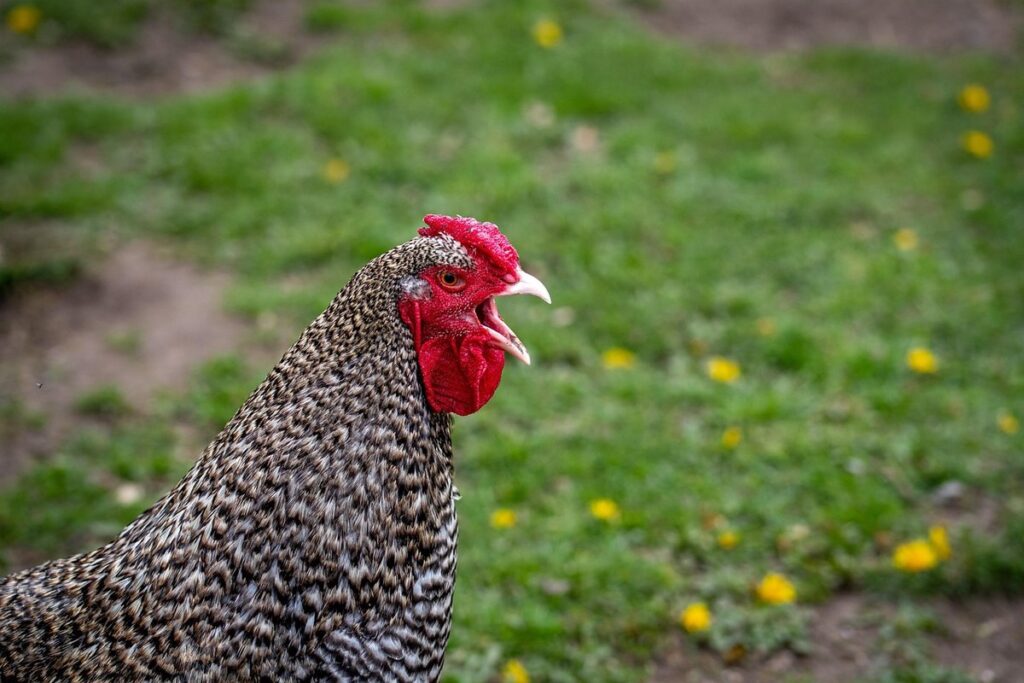
Barred Rocks, on the other hand, have distinctive stripes running along their necks and bodies, giving them a unique appearance. They usually weigh between 5-7 pounds and reach heights of around 27 inches.
In terms of temperament, Dominiques are often described as friendly, outgoing birds that thrive in social environments. They’re also known to be relatively quiet compared to some other breeds. Barred Rocks, while still friendly, tend to be a bit more energetic and active, making them well-suited for larger backyards or farms.
It’s worth noting that Dominiques can be prone to broodiness, meaning they may go into egg-laying stasis after laying eggs for an extended period. This isn’t typically an issue with Barred Rocks.
Temperament and Personality: Which is Right for You?
When it comes to choosing the perfect chicken breed, temperament and personality play a significant role in determining which bird will thrive best in your flock. Let’s explore their unique characteristics together!
Dominique Chickens: Gentle Giants or Feisty Companions?
If you’re considering adding Dominique chickens to your flock, understanding their temperament is crucial. Known for their gentle nature, Dominiques are often described as “gentle giants.” They tend to be calm and laid-back, making them an excellent choice for families with children or for those who want a stress-free flock.
However, some owners have reported that Dominiques can be feisty when handled improperly or when they’re not well-acclimated to their surroundings. To avoid any issues, it’s essential to introduce them gently and consistently handle them from an early age. Start by letting them come to you, then gradually move on to gentle petting and handling.
Dominique chickens also tend to be quieter than some other breeds, which can be a plus for backyard flocks or those living in close proximity to neighbors. They’re generally easy-going and adaptable, making them a great choice for integration into an existing flock. With their calm demeanor, they’ll likely get along with most other breeds, including Barred Rocks.
One owner reported that her Dominique hen would follow her around the yard, happily pecking at bugs and grasses alongside her. Another noted that their Dominiques were the first to explore new areas of the coop or run. Overall, Dominiques are a great choice for those who want a low-maintenance, gentle flock member.
Barred Rock Chickens: Friendly and Affectionate
If you’re looking for chickens that will become part of your family, the Barred Rock is an excellent choice. Known for their friendly and affectionate nature, these birds thrive on human interaction. They love to be around people and are often seen following their owners around the yard or even into the house.
One of the most notable personality traits of Barred Rocks is their social nature. They get along well with other animals, including dogs and cats, as long as they’re introduced properly. In fact, many flock owners report that their Barred Rocks have formed close bonds with their canine companions. With proper introduction and supervision, these birds will happily integrate into your existing pet family.
When it comes to interacting with humans, Barred Rocks are extremely curious and love to explore their surroundings. They’ll often come up to you for pets, scratches, or even just to say hello. This friendly demeanor makes them a great choice for families with children, as they’re easy to handle and will happily engage in playtime.
Egg Production and Performance
When it comes to egg production, Dominiques and Barred Rocks have some distinct differences that can impact your flock’s overall performance. Let’s take a closer look at how these two breeds stack up in this area.
Dominique Egg Laying: Numbers and Consistency
When it comes to egg-laying performance, Dominique chickens are known for their moderate production rates. On average, a healthy Dominique hen will lay around 200-220 large brown eggs per year, which is slightly lower than the prolific Barred Rock. However, this doesn’t mean they’re not consistent producers.
In fact, Dominiques tend to have a more steady and reliable egg-laying pattern throughout their laying season, often peaking in production during the spring and summer months when daylight hours are longest. This consistency can make them an excellent choice for backyard chicken keepers who rely on their flock for a steady supply of fresh eggs.
It’s worth noting that Dominique hens tend to lay larger eggs compared to other breeds, with some reporting egg weights of up to 2.5 ounces or more. This is likely due in part to their robust size and muscular build, which allows them to produce bigger eggs with greater ease.
Barred Rock Egg Production: Quantity and Quality
When it comes to egg production, Barred Rock chickens are known for their impressive numbers. On average, a healthy Barred Rock hen will lay around 200-220 large brown eggs per year, making them an excellent choice for backyard flocks or small-scale farmers looking to produce a steady supply of fresh eggs.
One of the key strengths of Barred Rock egg production is its consistency. They tend to start laying at around 18-20 weeks of age and will continue to produce eggs at a steady rate throughout their breeding cycle, which can last up to 5 years or more with proper care. This means that if you have a flock of 10 Barred Rocks, you can expect to collect around 2000-2200 eggs per year.
In terms of egg quality, Barred Rock eggs are often praised for their rich brown color and firm texture. They also tend to be relatively large, with an average weight of around 60 grams. While individual performance may vary depending on factors such as diet, health, and living conditions, the breed’s overall egg production numbers make them a reliable choice for any chicken keeper.
Health Considerations and Hardiness
When choosing between Dominique and Barred Rock chickens, it’s essential to consider their health requirements and hardiness levels to ensure they thrive in your flock. Both breeds have unique characteristics that impact their overall well-being.
Dominique Chickens: Resilience and Susceptibility to Disease
When it comes to Dominique chickens’ health characteristics, one of their standout traits is their remarkable resilience to disease. These birds have a strong immune system that allows them to withstand various illnesses and infections with ease. In fact, many farmers and breeders swear by the Dominique’s ability to stay healthy even in harsh environments.
However, like all breeds, Dominiques are not completely impervious to disease. One notable issue is their susceptibility to Marek’s disease, a viral infection that affects poultry worldwide. To mitigate this risk, it’s essential for owners to maintain strict biosecurity measures and ensure proper vaccinations are administered on time.
Another potential health concern for Dominiques is obesity, which can lead to various metabolic issues if left unchecked. To prevent this, make sure your girls have access to plenty of space to roam and exercise, as well as a balanced diet that meets their nutritional needs. With proper care and management, these hardy birds are likely to thrive in your flock for years to come.
Barred Rock Chickens: Adaptability and Disease Resistance
When it comes to choosing the right chickens for your flock, hardiness and adaptability are crucial considerations. In this regard, Barred Rock chickens excel. These birds have a remarkable ability to resist disease, thanks in part to their robust immune system. They’re less prone to issues like mites, lice, and internal parasites compared to some other breeds.
Their stress-resilience is also noteworthy. Barred Rocks can handle changes in temperature, humidity, and even predator threats with relative ease. This makes them an excellent choice for backyard flocks or those in areas with challenging environmental conditions. In fact, many farmers and homesteaders swear by their ability to thrive in a variety of settings.
To give your flock the best chance at success, ensure they have access to clean water, nutritious feed, and regular health checks. With proper care, Barred Rocks can live up to 8-10 years or more – a testament to their remarkable hardiness. By incorporating these birds into your flock, you’ll be well on your way to establishing a resilient and thriving community of chickens.
Feeding and Nutrition Needs
When it comes to feeding and caring for your Dominique or Barred Rock chickens, their dietary needs are relatively similar. However, there are some subtle differences to consider when planning their nutrition.
Dominique Chickens: Dietary Requirements and Preferences
When it comes to feeding your Dominique chickens, their dietary requirements and preferences are unique compared to other breeds. As a responsible backyard chicken keeper, understanding these needs will ensure you’re providing the best possible nutrition for your flock.
Dominique chickens require a balanced diet that includes high-quality protein sources, such as whole grains like oats, barley, or wheat. They also need access to calcium-rich foods, like crushed oyster shells or dark leafy greens, to maintain strong eggshell production and overall bone health. A good starting point is to offer a commercial layer feed as the main staple of their diet, supplemented with fruits and vegetables to add variety and essential nutrients.
In particular, Dominique chickens tend to prefer forages and grains over commercial pellets, so consider offering a mix of both in their feeding trough. You can also provide treats like mealworms or sunflower seeds to cater to their individual preferences. Keep in mind that Dominique chickens are prone to obesity, so monitor their food intake closely to avoid overfeeding.
As you plan your flock’s diet, remember to provide fresh water at all times and rotate foods regularly to prevent boredom and maintain nutritional balance. By following these guidelines, you’ll be well on your way to raising healthy and thriving Dominique chickens that will reward you with plenty of eggs and joyful personalities.
Barred Rock Chickens: Balanced Diets for Optimal Health
When it comes to feeding your Barred Rock chickens, providing a balanced diet is crucial for their optimal health. These birds have specific nutritional requirements that must be met to prevent deficiencies and promote overall well-being.
A key aspect of the Barred Rock’s dietary needs is access to high-quality protein sources. You can achieve this by incorporating chicken layer feed or a mix of grains like oats, wheat, and barley into their diet. Additionally, supplementing with fruits and vegetables, such as leafy greens and sweet potatoes, will provide essential vitamins and minerals.
It’s also essential to ensure your Barred Rock chickens have access to clean water at all times, as dehydration can quickly lead to health issues. A good rule of thumb is to provide about 1/4 pound of feed per bird per day, adjusting this amount based on their age, size, and level of activity.
Providing a balanced diet that meets the Barred Rock’s unique requirements will help maintain their robust health and keep them thriving in your flock.
Conclusion: Choosing Between Dominique and Barred Rock Breeds
Now that you’ve weighed the pros of each breed, it’s time to make a final decision about which type of chicken will thrive best in your backyard flock. We’ll summarize key takeaways to help you choose between Dominique and Barred Rock breeds.
Key Takeaways and Recommendations
When deciding between Dominique and Barred Rock breeds, it’s essential to consider their unique characteristics, strengths, and weaknesses. The key takeaways from our comparison will help you make an informed decision that suits your needs.
Dominiques are known for their distinctive feathering, with a mix of black and white plumage creating a striking appearance. They’re also renowned for their friendly and docile nature, making them a great choice for families or backyard flocks where children are present. On the other hand, Barred Rocks boast impressive egg-laying abilities, producing around 200-220 large brown eggs per year. Their hardiness and adaptability also make them a popular choice among chicken enthusiasts.
While Dominiques excel in temperament, they can be prone to obesity if overfed. Regular exercise and a balanced diet are crucial to maintaining their overall health. In contrast, Barred Rocks are more resistant to disease and require less maintenance. However, their strong egg-laying abilities can lead to over-production, potentially straining the flock.
When choosing between these breeds, consider your primary goals: do you prioritize friendly companionship or impressive egg production? If you’re looking for a low-maintenance flock with plenty of eggs, Barred Rocks might be the better fit. However, if you value gentle and affectionate birds that will become part of your family, Dominiques are an excellent choice.
Ultimately, both breeds offer unique benefits, and it’s crucial to select the one that aligns with your lifestyle and preferences. By considering these key characteristics, you’ll be well on your way to creating a harmonious and productive flock that brings joy to your backyard or farm.
Frequently Asked Questions
What’s the ideal flock size for keeping Dominique and Barred Rock chickens together?
When introducing these breeds to each other, it’s essential to maintain a balanced flock size to prevent stress and aggression. A good rule of thumb is to start with 2-3 birds and gradually introduce more as they become familiar with each other. This will help you monitor their interactions and ensure the well-being of both breeds.
Can I raise Dominique chickens in colder climates?
Yes, Dominiques are known for their hardiness and can thrive in cold temperatures. However, it’s crucial to provide them with adequate shelter, windbreaks, and access to dry bedding to protect against frostbite and wet conditions. Regular monitoring of their health and adjusting their living arrangements accordingly will help ensure their success in colder climates.
How often should I collect eggs from my Dominique or Barred Rock chickens?
Egg collection frequency depends on your personal preference and the needs of your family. As a general rule, collect eggs daily to prevent breakage and maintain cleanliness. This is especially crucial for breeds like Dominiques that lay around 200-220 large brown eggs per year, requiring regular egg gathering to keep their nesting boxes clean.
Can I raise both Dominique and Barred Rock chickens on the same diet?
While both breeds share similar dietary needs, it’s best to consider their individual requirements when planning a flock diet. Dominiques may benefit from slightly more protein-rich foods due to their high egg production, whereas Barred Rocks might require a bit more calcium for their strong bone development. A balanced and varied diet that caters to each breed’s specific needs will ensure optimal health.
What are some common health issues I should watch out for in my Dominique or Barred Rock chickens?
As with any flock, regular monitoring is key to preventing and addressing potential health concerns. Common issues include respiratory problems, mites, and internal parasites. Be sure to establish a routine of regular inspections, cleaning, and parasite control measures to keep your flock healthy and thriving.