
Are you a waterfowl enthusiast looking to learn more about your feathered friends? If so, you’re probably curious about the fascinating differences between drakes and ducks. While they may look similar at first glance, these birds exhibit distinct behaviors when it comes to habitat, diet, social structure, and communication styles. Understanding these differences is crucial for providing proper care and attention to your waterfowl companions.
In this comprehensive guide, we’ll delve into the world of drake vs duck behavior, exploring what sets them apart from each other. From their natural habitats and dietary preferences to their complex social dynamics and unique communication methods, you’ll gain a deeper understanding of these incredible creatures. Whether you’re a seasoned waterfowl owner or just starting out, this article will provide you with valuable insights and practical tips for caring for your duckling drakes or adult ducks.
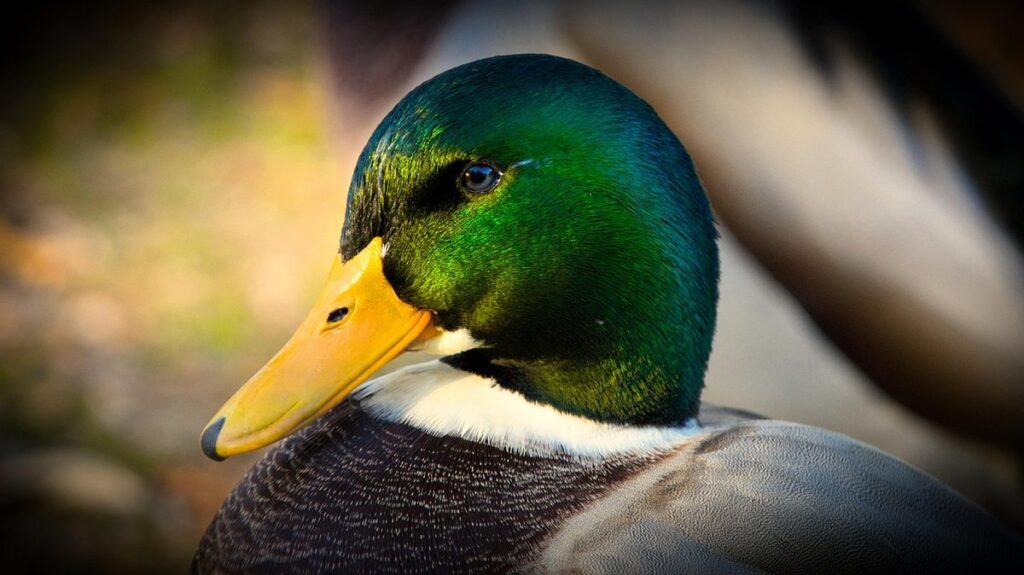
Understanding the Basics of Drake and Duck Behavior
Let’s dive into the basics, starting with understanding how drakes behave differently from ducks. Drakes are males, after all, and their actions can be quite distinct.
Habitat and Territoriality in Drakes and Ducks
When it comes to habitat and territoriality, drakes and ducks exhibit distinct differences in their behavior. Drakes are generally more demanding when it comes to their surroundings, requiring a specific type of environment that meets their needs. They tend to prefer larger bodies of water with vegetation, such as ponds or lakes, where they can forage for food and showcase their courtship displays.
In contrast, ducks are more adaptable and can thrive in a variety of habitats, from shallow puddles to large lakes. They are also less territorial than drakes, often tolerating the presence of other ducks in close proximity. When establishing territories, drakes will fiercely defend their area against intruders, using loud calls and aggressive displays to assert dominance.
Understanding these differences can help you create a suitable environment for your feathered friends. If you’re raising drakes, provide them with access to larger water bodies and plenty of vegetation for foraging. For ducks, smaller pools or shallow areas may be sufficient, allowing them to roam freely and interact with their fellow ducks without conflict.
Social Structure of Drakes and Ducks
In the world of waterfowl, social structure plays a vital role in shaping their behavior. When it comes to drakes and ducks, their mating habits, pair bonding, and flock dynamics are quite distinct.
Drakes, being the males, are known for their polygynous nature. They engage in elaborate courtship displays to attract multiple females. During breeding season, a single drake can mate with up to five different hens. This promiscuity is driven by their strong desire to pass on their genes and ensure their species’ survival.
In contrast, ducks are more monogamous, often forming long-term pair bonds that last throughout the breeding season. They are known to be loyal partners, working together to build nests and raise their ducklings. Female ducks also play a crucial role in selecting their mates, choosing those with desirable traits such as good foraging skills or strong vigilance.
Understanding these social structures is essential for any waterfowl enthusiast looking to introduce new birds into their flock. By recognizing the unique mating habits of drakes and ducks, you can create a harmonious environment that promotes healthy pair bonding and reduces aggression among your feathered friends.
Feeding Habits and Nutrition
When it comes to feeding habits, drakes have distinct nutritional needs compared to ducks, and understanding these differences is crucial for providing your waterfowl with a balanced diet. Let’s dive into the specifics of their dietary requirements.
Diet Comparison: What Do Drakes Eat vs. Ducks?
When it comes to their diet, drakes and ducks have some similarities but also some notable differences. In the wild, both drakes and ducks are omnivores, which means they eat a variety of plants and animals.
In the wild, drakes tend to eat more insects, crustaceans, and small aquatic animals compared to ducks. They forage on land as well as in water, feeding on grasses, leaves, seeds, and grains. On the other hand, ducks are more likely to eat aquatic plants, such as algae, water lilies, and duckweed.
When it comes to their diet in captivity, drakes and ducks have different requirements. Drakes need a balanced diet that includes high-quality protein sources like crickets, mealworms, or commercial pellets specifically formulated for waterfowl. Ducks, on the other hand, require more fiber-rich foods like grains, seeds, and vegetables.
It’s essential to note that drakes and ducks have different nutritional needs at different times of the year. For example, during breeding season, drakes may require a higher protein diet to support their reproductive efforts.
Foraging Strategies Used by Drakes and Ducks
When it comes to foraging, drakes and ducks exhibit unique strategies that reflect their individual characteristics. Dabbling ducks, such as the Mallard, tend to forage on the surface of ponds and lakes, using their broad beaks to search for submerged plants and insects. They are able to manipulate vegetation with ease, allowing them to extract food from dense aquatic habitats.
In contrast, diving ducks like the Goldeneye specialize in underwater foraging. They use their streamlined bodies to dive deep into the water, often reaching depths of 20 feet or more. When they surface, they shake off excess water and display it on their backsides before repeating the process. Upending, another unique foraging strategy employed by some duck species, involves tipping upside down in the water with their heads submerged while keeping their bodies above water.
Both drakes and ducks have adapted to their environments through these specialized foraging techniques, ensuring a diverse array of food sources is available throughout the year.
Communication Styles and Vocalizations
Let’s dive into the fascinating world of vocal communications, where you’ll learn how drakes and ducks use different sounds to convey emotions and needs.
Unique Calls and Whistles Made by Drakes and Ducks
When it comes to vocal communication, drakes and ducks have distinct calls and whistles that serve various purposes. Drakes, being the male waterfowl, use their unique vocalizations to establish identity, attract mates, and warn off predators. One of the most recognizable sounds made by drakes is the “kek-kek-kek” call, often used during courtship displays to entice females. This specific call is a combination of high-pitched whistles that convey confidence and dominance.
In contrast, ducks use a range of quacks, honks, and chirps to communicate. While they may not be as melodious as the drake’s calls, these vocalizations are essential for alerting other ducks to potential threats or signaling food sources. For example, mother ducks will often make soft “chirp-chirp” sounds to keep their young close together while swimming.
When observing waterfowl in their natural habitat, pay attention to the different calls and whistles made by drakes and ducks. By recognizing these unique vocalizations, you can gain a better understanding of their behavior and social dynamics.
Body Language in Drakes vs. Ducks: Postures and Gestures
When it comes to communication, body language plays a significant role in both drakes and ducks. Drakes, being the male ducks, use their postures and gestures to convey aggression, courtship, and dominance.
A drake’s posture can be quite intimidating when threatened or competing for mates. They’ll often spread their wings wide, puff out their chest, and lower their head, exposing their brightly colored throat patch – a sign of aggression and maturity. On the other hand, a courting drake will display a more relaxed posture with his feathers smoothed and his neck stretched out. He’ll also engage in elaborate displays of preening and bowing to attract a female.
In contrast, ducks tend to be more subdued in their postures, but they still communicate through body language. They use head bobs, neck stretches, and tail twitches to express emotions like excitement or fear. When threatened, a duck will often crouch low to the ground with its feathers fluffed up, trying to appear larger than it is.
When observing drakes and ducks in the wild, pay attention to their postures and gestures. A drake’s display of aggression can be misinterpreted as courtship by an inexperienced observer. Knowing these visual cues will help you better understand their behavior and even identify potential issues within a flock.
Health and Disease Comparison
When it comes to health, both drakes and ducks are prone to similar diseases, but some unique vulnerabilities set them apart from each other. We’ll explore these differences in detail.
Common Health Issues Affecting Drakes and Ducks
Both drakes and ducks are prone to various health issues that can significantly impact their well-being. Respiratory problems are a common concern for waterfowl, with conditions like chronic respiratory disease (CRD) affecting both species. This condition is caused by bacteria such as Mycoplasma gallisepticum and can be exacerbated by factors like poor ventilation and overcrowding.
Parasites also pose a significant threat to drakes and ducks. Internal parasites like worms and external parasites like lice, mites, and ticks can cause a range of health issues, from anemia to skin irritation. Regular cleaning and disinfection of the enclosure, as well as monitoring for signs of parasitic infestation, can help prevent these problems.
Diseases that affect drake and duck populations include avian pox and infectious bronchitis virus (IBV). Avian pox causes lesions on the skin and mucous membranes, while IBV leads to respiratory symptoms. Vaccination programs can help protect against these diseases, but it’s essential to work with a veterinarian experienced in caring for waterfowl to develop an effective vaccination strategy.
Some key factors that contribute to the risk of health issues include poor nutrition, inadequate shelter, and stress caused by overcrowding or changes in environment.
Preventative Measures for Keeping Drakes and Ducks Healthy
When it comes to keeping drakes and ducks healthy, preventative measures are crucial to prevent diseases from spreading. A well-balanced diet is essential for both drakes and ducks, providing them with the necessary nutrients to boost their immune system. Ensure that you offer a high-quality commercial feed specifically formulated for waterfowl, supplemented with fresh fruits, vegetables, and grains.
Implementing proper vaccination protocols can also help protect your birds from diseases such as avian influenza and Marek’s disease. Consult with a veterinarian or poultry expert to determine the best vaccination schedule for your flock. Sanitation practices are also vital in breeding or keeping environments, where waste and bacteria can accumulate quickly. Regularly clean and disinfect feeders, waterers, and living areas to prevent the spread of diseases.
Maintaining a clean environment is particularly important when housing drakes, as they are more prone to health issues than ducks due to their larger size and increased energy levels. By taking these preventative measures seriously, you can significantly reduce the risk of disease outbreaks in your flock.
Comparison of Temperament and Trainability
When it comes to temperament and trainability, there are some key differences between drakes and ducks that you should know. Let’s dive into how these two birds behave in different situations.
Temperament Differences Between Drakes and Ducks
When it comes to temperament differences between drakes and ducks, one of the most significant distinctions is their aggression levels. Drakes, being the male counterparts of ducks, tend to be more aggressive and dominant, especially during mating season. They may exhibit aggressive behavior such as chasing, pecking, or even attacking other birds in their vicinity. In contrast, ducks are generally less aggressive and more docile.
Another key difference lies in social adaptability. Drakes can be quite territorial and may struggle to adjust to new environments or flock dynamics, whereas ducks tend to be more adaptable and accepting of change. When introducing a drake to an existing duck flock, it’s essential to monitor their behavior closely and provide separate housing if necessary.
In terms of trainability for handling, drakes are often more challenging to tame than ducks due to their natural aggression and dominance instincts. However, with patience, consistency, and gentle handling from an early age, some drakes can become relatively tame. It’s crucial to establish a strong bond and trust with your drake, rewarding good behavior and gradually increasing handling sessions.
Remember that individual temperaments can vary greatly within both species, so it’s essential to get to know your bird’s personality and adjust your approach accordingly. By understanding these temperament differences, you’ll be better equipped to provide the right care and handling for your feathered friend.
Tips for Training Drakes and Ducks: Strategies and Techniques
When it comes to training drakes and ducks, it’s essential to approach them with patience and consistency. Both species can be challenging to train, but with the right techniques and strategies, you can establish a strong bond and teach them basic obedience commands.
Start by using positive reinforcement methods, such as treats and praise, to encourage good behavior. Clicker training is also an effective way to teach your drake or duck new skills. Begin by associating the click sound with a reward, then gradually phase out the treats as they learn to respond to the click alone.
Begin with simple commands like “sit,” “stay,” and “come.” Be consistent in your hand signals and verbal cues, using the same command each time you give an instruction. For example, hold a treat above their head to encourage them to sit, then use the verbal cue “sit” while moving the treat upwards.
Remember that drakes can be more aggressive and dominant than ducks, so it’s crucial to establish clear boundaries early on. With patience and persistence, you can teach your drake or duck to respond to basic commands, strengthening your relationship with them in the process.
Frequently Asked Questions
Can I keep a mix of drakes and ducks together in the same enclosure?
While it’s possible to keep them together, it’s essential to consider their individual needs and personalities. Drakes can be more aggressive towards ducks, especially during mating season. Ensure your enclosure is large enough for both species, and provide separate areas for eating, nesting, and relaxation.
How do I distinguish between a drake and duck in the wild?
Observe the bird’s behavior, plumage, and physical characteristics. Drakes typically have brighter colors, longer tails, and a more muscular build than ducks. Listen to their calls – drakes are known for their distinctive whistling sounds.
What if my drake is consistently escaping from its enclosure? Are there any preventative measures I can take?
Yes, consider reinforcing the enclosure with stronger fencing or netting to prevent escape attempts. Also, ensure your drake has enough exercise and mental stimulation through activities like swimming, flying, and foraging in a secure area.
Can I train both my drake and duck using similar techniques?
While you can use some similar training methods, keep in mind that drakes are generally more aggressive and dominant than ducks. Tailor your approach to each species’ unique needs and personalities. For example, use positive reinforcement techniques for both, but be prepared to adapt if the drake becomes too assertive.
How often should I rotate my duck’s diet with a new food source to prevent boredom and disease?
Rotate your duck’s diet every 2-3 weeks by introducing new foods or rotating between different feed types. This will help maintain their mental stimulation, prevent over-reliance on single sources of nutrition, and reduce the risk of nutrient deficiencies.
Can I keep multiple drakes together in a small group without any issues?
Generally, it’s not recommended to keep multiple drakes together due to potential fighting and dominance struggles. However, if you have a large enclosure with plenty of space (at least 20 square feet per bird), separate areas for each drake, and sufficient nesting sites, you might be able to manage small groups successfully.