
If you’re a backyard waterfowl enthusiast or just starting to learn about raising ducks, you’ve likely wondered: what are the key differences between drakes and ducks? While both are lovable and entertaining additions to any farm or pond, their unique characteristics and behaviors set them apart. In this comprehensive guide, we’ll delve into the distinct personalities and care requirements of drakes versus ducks. You’ll learn about their varying needs for space, social interaction, and nutrition, as well as some important welfare considerations. By understanding these differences, you can provide the best possible life for your feathered friends and create a harmonious and thriving flock. With this knowledge, you’ll be better equipped to make informed decisions about your waterfowl’s care and create a happy, healthy environment for them all.
Physical Characteristics and Identification
When trying to tell apart drakes from ducks, it’s essential to know their distinct physical characteristics, which can often be a giveaway of their identity. These small yet significant differences are crucial for accurate identification.
Differences in Plumage and Coloration
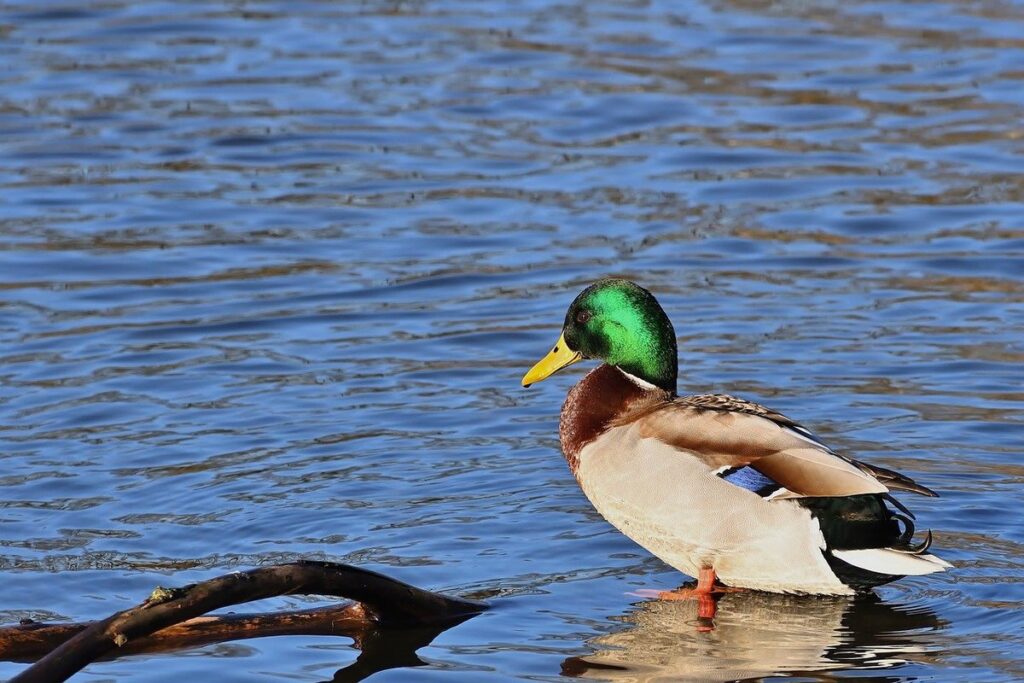
When it comes to identifying drakes versus ducks, one of the most noticeable differences lies in their plumage and coloration. Male ducks, or drakes, are often adorned with vibrant colors and patterns that serve as a clear distinguishing feature from females.
Drakes typically sport bright greens, blues, and yellows, which can be quite striking against their overall brown or grayish hue. For instance, the wood duck’s drake boasts a stunning green and purple sheen on its head, neck, and breast. In contrast, female wood ducks (hens) have a more subdued mottled brown plumage with no hint of the drake’s vibrant colors.
Some species of drakes also display unique patterns or shapes that can be easily identified. The goldeneye duck’s drake, for example, features a striking white patch on its forehead and a distinctive orange bill. These visual cues not only help in distinguishing between male and female ducks but also provide valuable insights into their behavior, habitat, and social interactions. By paying attention to these differences, you’ll be better equipped to identify drakes versus ducks in the wild and appreciate their unique characteristics.
Sexing Ducks: Visual Clues and Tips
Sexing ducks correctly is crucial to understand their behavior, as males and females exhibit distinct characteristics. When it comes to identifying sex, visual clues play a significant role. One of the primary indicators is size: drakes (male ducks) tend to be larger than hens (female ducks). However, this isn’t always a reliable method, especially for breeds like Khaki Campbells, where males and females are relatively close in size.
A more reliable approach involves observing feather patterns and coloration. Drakes typically have a brighter, more vibrant plumage with longer feathers on their backsides. Hens, on the other hand, have duller feathers with less ornamentation. When examining your duck’s tail feathers, note that drakes often have two long central feathers protruding from the rest of the plume, while hens tend to have shorter or even absent central feathers.
To accurately determine sex, it’s essential to inspect the ducks’ cloaca (the vent area). Drakes possess a distinctive penis sheath, which is usually visible as a small protrusion in front of the anus. Hens lack this feature altogether. By combining these visual cues – size, feather patterns, and cloacal examination – you’ll be able to confidently identify whether your ducks are male or female.
Behavior and Social Structure
When it comes to behavior, drakes can be quite different from ducks. Let’s dive into how their social structures and individual behaviors set them apart in the world of waterfowl.
Pair Bonding and Mating Habits
When it comes to mating season, drakes undergo significant changes in their behavior. They become more aggressive and competitive as they seek out potential mates. This is especially true for younger drakes, who are still learning the ropes of courtship rituals.
One of the most notable aspects of drake behavior during this time is their tendency to engage in elaborate displays of plumage and vocalizations. These displays serve as a form of communication, showcasing a drake’s health, strength, and genetic quality to potential mates. Think of it like a duck version of a peacock spreading its tail feathers – it’s all about making a good impression!
In terms of pair bonding, drakes will often form long-term relationships with their chosen mate. They’ll work together to build a nest, raise their young, and even engage in mutual displays of affection. However, it’s worth noting that these bonds can be short-lived if the female duck (or “hen”) doesn’t produce fertile eggs or if the drake becomes distracted by other females.
Drakes will also exhibit unique mating habits, such as engaging in a behavior known as “tobogganing.” This involves mounting a female from behind and holding on for dear life as she swims below him. It may look like a wild ride to us humans, but it’s just part of the duck mating ritual!
Flock Dynamics: Dominance Hierarchies and Pecking Orders
When it comes to understanding duck behavior, one of the most fascinating aspects is their social dynamics. Ducks, including drakes, live in flocks and establish a dominance hierarchy within these groups. This pecking order is crucial for maintaining harmony and ensuring everyone’s place in the flock.
The role of aggression plays a significant part in establishing this hierarchy. Dominant ducks will assert their dominance through aggressive behavior such as chasing or even biting. However, submission also plays a vital role as subordinate ducks learn to recognize and respect the dominant individuals. Communication is key here; ducks use vocalizations like quacking, hissing, and grunting to convey their intentions.
As an owner of drakes and ducks, it’s essential to understand that these behaviors are not just limited to breeding season or aggressive displays. They are a constant part of duck social behavior. By observing and recognizing the pecking order in your flock, you can take steps to minimize stress and conflicts. For instance, providing separate areas for dominant and subordinate birds may help reduce tension and promote overall well-being.
Foraging and Feeding Habits
When it comes to finding food, drakes and ducks exhibit some surprisingly different foraging habits that can be fascinating to observe. Let’s take a closer look at their unique approaches.
Drakes vs Ducks: Different Foraging Strategies
When it comes to foraging and feeding habits, drakes and ducks exhibit distinct differences. Drakes tend to be more selective eaters, favoring aquatic plants, algae, and small crustaceans over grains and other dry foods. In contrast, female ducks are often content with a mix of both wet and dry food sources.
A key difference in eating habits lies in the way drakes search for food. They prefer shallow water areas where they can easily spot their prey, whereas ducks tend to dive deeper into the water to gather vegetation and other food items. This difference in foraging strategy is likely due to the unique characteristics of each sex.
If you’re trying to attract or care for these birds, it’s essential to provide a varied diet that caters to both drakes’ and ducks’ preferences. Offer a mix of aquatic plants, grains, and protein-rich foods like mealworms to satisfy their different nutritional needs. By understanding and accommodating these differences in feeding habits, you can create a more inclusive and appealing environment for both drake and duck populations.
Nutritional Needs and Dietary Requirements
When it comes to their nutritional needs and dietary requirements, drakes and ducks share some similarities but also have some key differences. In the wild, both drakes and ducks will feed on a variety of plants, including aquatic vegetation, grasses, and grains. However, as waterfowl enthusiasts or caretakers, it’s essential to provide them with a balanced diet that meets their specific needs.
For drakes, a high-protein diet is crucial for maintaining their energy levels and supporting muscle growth. In the wild, they will often feed on small aquatic animals like insects and crustaceans. In captivity, you can replicate this by providing them with commercial duck pellets or crumbled oats mixed with vegetables like kale and carrots.
Ducks, on the other hand, have a more varied diet that includes grains, fruits, and vegetables. They also require access to clean water for drinking and swimming. A good rule of thumb is to provide 50-60% of their daily calories from plants and 30-40% from protein sources like mealworms or crickets.
In captivity, it’s essential to provide a balanced diet that meets the nutritional needs of both drakes and ducks. You can do this by creating a feeding schedule that includes commercial pellets, grains, fruits, and vegetables. Make sure to research specific dietary requirements for your waterfowl species and adjust their diet accordingly.
Health and Wellbeing
As you care for your feathered friends, it’s essential to understand how their health and wellbeing impact their behavior, and vice versa. Let’s explore how to recognize signs of illness in drakes and ducks.
Common Health Issues Affecting Drakes and Ducks
As you care for your feathered friends, it’s essential to be aware of common health issues that can affect drakes. One significant concern is reproductive problems, which can arise from various factors such as genetics, inadequate nutrition, or stress. For example, some breeds are more prone to testicular torsion, a condition where the spermatic cord becomes twisted, causing severe pain and infertility.
Another issue affecting drakes is feather loss, often due to malnutrition, parasites, or hormonal imbalances. A well-balanced diet rich in essential nutrients, along with regular grooming and parasite control, can help prevent this problem. Respiratory infections are also common among drakes, particularly during cold weather months when humidity levels drop. To combat this, ensure your birds have access to a clean, dry environment with adequate ventilation.
Preventing these health issues requires attention to detail and proactive care. Keep an eye on your drake’s behavior, watching for signs of illness or stress. Regular check-ups with a veterinarian can help identify potential problems early on, allowing for prompt treatment and preventing long-term complications.
Signs of Stress and Anxiety in Drakes and Ducks
When it comes to recognizing stress and anxiety in drakes and ducks, it’s essential to observe both behavioral changes and physical symptoms. Drakes, being more dominant and assertive, might exhibit aggression towards other birds, while ducks may become withdrawn or apathetic.
In terms of physical symptoms, a stressed drake may show decreased appetite, leading to weight loss, while a duck might experience excessive feather plucking or pacing behavior. Environmental factors such as overcrowding, poor lighting, and inadequate space can contribute to their welfare.
One crucial factor is noise levels; if your birds are exposed to constant loud sounds, it can cause significant stress. To mitigate this, consider providing a quiet area for them to retreat to when needed.
Regular observation of your birds’ behavior is key in identifying potential issues early on. For instance, notice if they’re avoiding their usual feeding areas or interacting less with others. If you suspect your drakes or ducks are experiencing stress and anxiety, consult a veterinarian specializing in poultry care to rule out any underlying medical conditions.
By recognizing the signs of stress and taking proactive steps, you can create a more harmonious environment for both your drakes and ducks.
Habitat and Environmental Factors
When it comes to understanding drakes vs ducks behavior, you need to consider their natural habitats and how environmental factors influence their actions. Different environments bring out unique characteristics in these waterfowl birds.
Creating Suitable Environments for Drakes and Ducks
When creating a suitable environment for drakes and ducks, it’s essential to consider their unique needs. Drakes are active and require more space to roam, whereas ducks prefer areas with plenty of vegetation and water features. To cater to both species, design your habitat with separate zones for exercise, foraging, and relaxation.
For water quality, ensure a pond or pool is large enough to accommodate the birds’ swimming activities. Regularly test the water for pH levels, ammonia, and nitrite content. Aim for a balanced ecosystem by introducing beneficial bacteria, aquatic plants, and maintaining adequate aeration.
Provide sheltered areas with natural cover such as trees, bushes, and reeds. Drakes can get aggressive during mating season, so separate them from the female ducks. For colder climates, add insulated shelters or nesting boxes to protect your birds from harsh weather conditions. Ensure easy access to food and water sources for both species.
When selecting a site for your duck pond, consider factors such as sunlight exposure, wind direction, and proximity to predators. By considering these factors and designing an inclusive environment, you’ll create a thriving space that meets the unique needs of both drakes and ducks.
Managing Flock Size and Density: Implications for Behavior and Health
Managing flock size and density is crucial for maintaining optimal behavior and health outcomes for both drakes and ducks. When left unmanaged, overcrowding can lead to stress, aggression, and increased disease susceptibility. In contrast, a well-managed flock allows for reduced competition for resources, improved social dynamics, and enhanced overall well-being.
Aim for a balance between providing enough space for your birds to move around comfortably and minimizing individual confinement. The recommended density varies depending on breed, age, and species. For example, drakes generally require more space than ducks due to their larger size and territorial nature.
To achieve an optimal flock size and density:
* Allocate at least 2-3 square feet per bird for small breeds and 5-7 square feet for larger ones.
* Monitor your birds’ behavior and adjust the flock size accordingly. For instance, if you notice aggression or stress, it may be necessary to reduce the number of birds.
* Ensure adequate ventilation, lighting, and sanitation within the enclosure.
By carefully managing your flock’s size and density, you can promote a harmonious environment that fosters healthy growth, reduced stress, and improved behavior for both drakes and ducks.
Conservation and Welfare Concerns
As we explore the world of drakes vs ducks, it’s essential to consider the conservation and welfare concerns that come with these birds. Their well-being is crucial for our enjoyment of their company.
The Impact of Human Activities on Wild Duck Populations
Human activities have a profound impact on wild duck populations, and it’s essential to understand this connection as we explore their behavior. Habitat destruction, for instance, is a significant threat to ducks. As natural habitats like wetlands and forests are converted into agricultural land or urban areas, ducks lose their breeding and feeding grounds. This loss of habitat can lead to population decline and even extinction in some cases.
Pollution also plays a crucial role in affecting duck populations. Water pollution from industrial and agricultural activities can contaminate water sources, making them uninhabitable for ducks. Similarly, hunting regulations are often lax or poorly enforced, leading to overhunting and further reducing wild duck populations.
To mitigate these effects, conservation efforts are underway. Organizations like Ducks Unlimited work tirelessly to protect and restore wetland habitats, while also promoting sustainable hunting practices. By supporting these organizations and adopting eco-friendly habits ourselves, we can contribute to the preservation of wild duck populations and help maintain their natural behavior.
Promoting Responsible Ownership and Care of Drakes and Ducks
As a responsible owner of drakes and ducks, it’s essential to prioritize their welfare and well-being. Providing proper housing is crucial for both birds. Ensure that your enclosure is escape-proof, well-ventilated, and protected from extreme weather conditions. For example, a sturdy coop with adequate roosting bars and nesting boxes can provide a safe haven for your drakes and ducks.
Nutrition plays a vital role in maintaining the health of your feathered friends. A balanced diet that includes high-quality commercial pellets, supplemented with fresh fruits and vegetables, is recommended. Drakes have different nutritional needs than ducks, so ensure you’re providing the correct feed for each species. For instance, drakes require more protein-rich foods, whereas ducks need a higher fiber content in their diet.
Regular veterinary check-ups are also essential to prevent diseases and parasites. Research local veterinarians with experience in caring for waterfowl and schedule regular health checks. Keep your birds’ living environment clean by regularly changing bedding and disinfecting food and water containers. By following these guidelines, you can promote responsible ownership and care for both drakes and ducks, ensuring they lead happy and healthy lives.
Frequently Asked Questions
What if I have a small backyard pond, but the drakes seem to require more space than the ducks?
If you live in an urban area with limited space, it’s essential to prioritize providing enough room for your waterfowl to move around comfortably. Drakes, being larger and more active, may need slightly more space than ducks. Consider implementing a rotation system or adding more enrichment activities to keep them engaged.
How do I know if my drake is stressed or anxious due to lack of suitable habitat?
Signs of stress in drakes can include pacing, feather plucking, or changes in appetite and behavior. If you suspect your drake is experiencing anxiety due to an inadequate environment, try introducing more plants, trees, or a pond with adequate water depth. You can also consult with a wildlife expert for personalized advice on creating a suitable habitat.
What’s the best way to manage social dynamics between my drakes and ducks?
In large flocks, dominance hierarchies can emerge, leading to conflicts between drakes and ducks. Monitor your flock’s behavior closely, ensuring that each bird has enough space and resources. Consider separating them at feeding times or introducing visual barriers to reduce aggression.
Can I breed my own ducks and drakes without prior experience?
While breeding waterfowl requires some expertise, it can be rewarding for experienced owners. However, it’s crucial to research local laws and regulations regarding waterfowl breeding before embarking on such a project. Start by learning about the specific needs of your birds and consult with reputable breeders or veterinarians for guidance.
What should I do if my drake exhibits aggressive behavior towards other birds?
Aggression in drakes can be caused by various factors, including lack of exercise, inadequate nutrition, or dominance issues. If you notice aggressive behavior, try to identify the underlying cause and address it promptly. You may need to separate the offending bird from the rest of the flock or consult with a wildlife expert for professional advice on resolving the issue.