
If you’re on the hunt for a unique and charming addition to your backyard flock, you might want to consider the rare yet lovable D’Uccle chicken breed. With their rich history dating back to Belgium in the late 19th century, these pint-sized poultry have won the hearts of many with their affectionate nature and striking appearance. But beyond their charm, owning a D’Uccle requires careful consideration and attention to specific care requirements. In this article, we’ll delve into the world of D’Uccles, exploring their temperament, needs, and history in depth. Whether you’re an experienced farmer or a backyard enthusiast looking for a new companion, we’ll cover everything you need to know about bringing these lovable birds home.
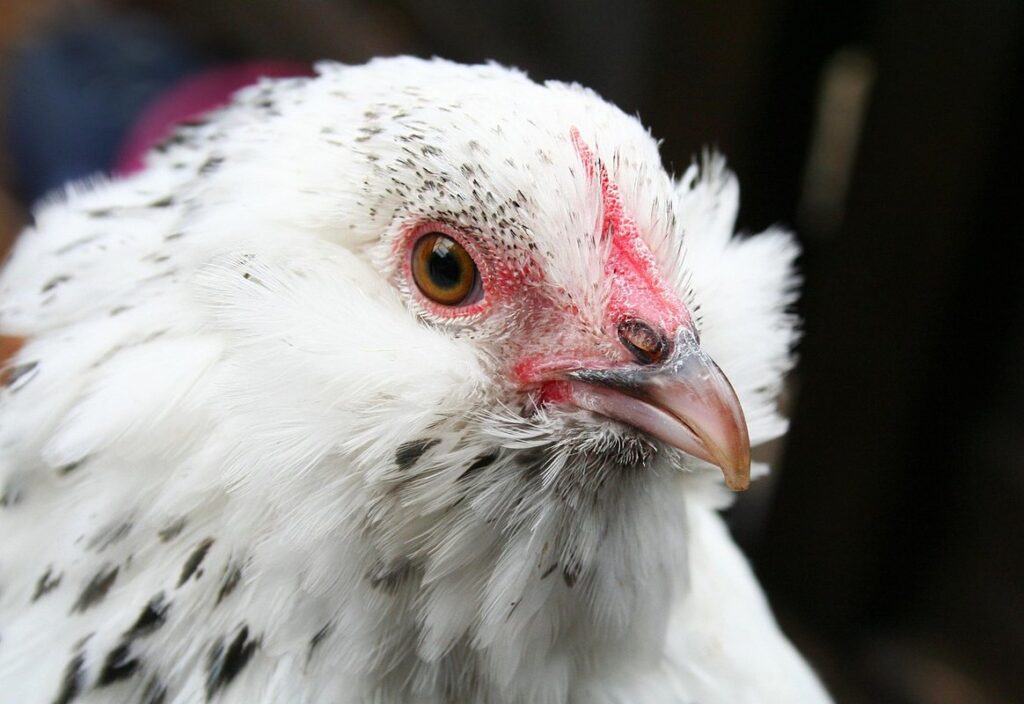
History and Origin of D’Uccle Chickens
Originating from Brussels, Belgium in the late 19th century, the D’Uccle chicken has a rich history that’s fascinating to explore and learn about. Let’s delve into its beginnings together.
Belgian Roots and Early Development
The D’Uccle breed has its roots in Belgium, specifically in the province of Flanders, where it was developed over a century ago. The exact origins are unclear, but it’s believed to be a descendant of the Flemish Comb Chicken, which was popular among local farmers for its hardiness and egg-laying abilities. As the demand for more robust chickens grew, breeders began experimenting with the Flemish Comb to create a more compact and efficient bird.
By the early 20th century, the D’Uccle had taken shape as a distinct breed, prized for its small size, gentle nature, and high fertility. Breeders in Belgium continued to refine the breed, introducing new features such as the distinctive bearded face and single comb. As their reputation grew, Belgian farmers began exporting the D’Uccle to neighboring countries, where it quickly gained popularity among backyard chicken keepers.
The early development of the D’Uccle was largely driven by its practical applications on small farms and homesteads. Its ability to thrive in confined spaces made it an ideal choice for urban areas, where space was limited but fresh eggs were still a staple.
Influence from Other Breeds
The development of the D’Uccle chicken breed was significantly influenced by other breeds from its region. One such breed is the Campine, a Belgian breed known for its striking appearance and friendly demeanor. The Campine’s distinctive black hackles and white undersides are evident in many D’Uccle varieties. Additionally, the Brabancon, another Belgian breed, has also contributed to the D’Uccle’s unique characteristics.
In terms of temperament and behavior, the D’Uccle is thought to have inherited its friendly and docile nature from the Campine. This makes them an excellent choice for families with children or for those who are new to chicken keeping. The Brabancon’s influence on the D’Uccle can be seen in its robust build and hardiness, traits that make it well-suited to living outdoors.
It’s worth noting that while other breeds have undoubtedly influenced the development of the D’Uccle, careful breeding practices have also played a significant role. Breeders have selectively bred D’Uccles over the years to emphasize specific characteristics, resulting in the diverse range of varieties we see today.
Physical Characteristics and Appearance
The D’Uccle chicken’s physical characteristics are a notable aspect of their unique breed, making them easily recognizable among other chickens. Let’s take a closer look at what makes their appearance so distinctive.
Plumage and Feather Patterns
One of the most distinctive features of D’Uccle chickens is their unique plumage. These small but mighty birds come in a variety of colors and patterns that make them stand out from other breeds. One of the key characteristics of D’Uccle feathers is their softness and fluffiness, which makes them feel like silk to the touch.
When it comes to color, D’Uccles can be found in a range of hues, including golden, silver, white, black, and blue. But what really sets them apart are their unique feather patterns. You might see birds with delicate lace-like patterns or others with vibrant stripes. Some D’Uccles even have a mottled or marbled effect on their feathers, giving them a one-of-a-kind appearance.
To keep your D’uccle’s plumage looking its best, be sure to provide regular grooming sessions, paying close attention to the feathers around the eyes and beak. A soft-bristled brush is ideal for gently removing dirt and debris from the delicate feathers. Regular cleaning will also help prevent matting and tangling, which can be a challenge with D’uccle’s fluffy coats.
Size and Weight
When it comes to the physical characteristics of the D’Uccle chicken breed, one of the most noticeable features is their size and weight. On average, adult D’Uccles weigh between 2-3 pounds (0.9-1.4 kg), making them one of the smallest commercial breeds in the world. Their compact stature and lightweight build are a result of selective breeding to emphasize these characteristics.
In comparison to other chicken breeds, D’Uccles are significantly smaller. For example, a Leghorn or Rhode Island Red can weigh anywhere from 5-7 pounds (2.3-3.2 kg), making the D’Uccle about half their size. This small size is both an advantage and disadvantage. On one hand, it makes them ideal for backyard flocks where space is limited, but on the other hand, they may be more vulnerable to predators.
Despite their petite size, D’Uccles are known for their sturdy build and robust health, which is likely due to their Belgian origins and the careful breeding practices employed by their breeders. If you’re considering adding a D’Uccle to your flock, be prepared for their unique needs and make sure to provide adequate shelter and protection from potential threats.
Beak and Comb Shape
One of the most recognizable features of the D’Uccle chicken breed is their unique beak and comb shape. The beak is short, stout, and almost horizontal to the face, giving it a distinctive appearance that sets them apart from other breeds. In contrast, the comb is relatively small and rounded, often described as being ‘button-like’.
When selecting a D’Uccle, breeders will typically look for birds with a well-proportioned beak and comb that are in harmony with each other. This balance is crucial to the overall health and well-being of the chicken, as it affects their ability to eat and breathe properly.
D’Uccles with unusually large or prominent combs may struggle with respiratory issues, so it’s essential to prioritize breeders who emphasize the importance of beak and comb proportion. By doing so, you’ll be more likely to find healthy, well-adjusted birds that thrive in your backyard flock.
Temperament and Personality Traits
When it comes to the d’Uccle chicken’s temperament, one thing is certain: these small birds pack a big personality punch. Let’s dive into what makes them tick!
Friendly and Docile Nature
D’Uccles are renowned for their amiable and gentle disposition, making them an ideal choice for backyard chicken keepers. These charming birds are quick to form close bonds with their owners and can often be seen following them around the yard or even on walks. Their friendly nature makes handling a breeze, as they’re not easily stressed or flighty.
In fact, D’Uccles are often described as “lap chickens” due to their affectionate personality. They love human interaction and will happily snuggle up in your lap for pets and treats. However, it’s essential to socialize them properly from an early age to ensure they remain confident and friendly as adults.
When introducing new chickens or animals to the flock, D’Uccles tend to be calm and non-confrontational. This makes them an excellent choice for families with children or for those who want a low-maintenance, easy-going pet. With proper care and attention, your D’Uccle will reward you with years of loyal companionship and entertainment.
Intelligence and Trainability
When it comes to intelligence and trainability, D’Uccle chickens are surprisingly impressive. With proper handling and socialization from an early age, they can learn to obey basic commands, recognize their name, and even perform simple tricks. This is particularly remarkable considering their small size and delicate nature.
In terms of obedience training, D’Uccles respond well to positive reinforcement techniques such as treats and praise. They thrive on interaction and attention, making them highly receptive to learning new behaviors. For example, setting aside a few minutes each day for gentle training sessions can help establish trust and strengthen the bond between you and your bird.
One crucial aspect to consider is consistency in training methods. D’Uccles are intelligent enough to pick up on subtle cues and patterns, but they also require clear boundaries and expectations. By establishing a consistent routine and using positive reinforcement techniques, you’ll be well on your way to developing a well-behaved and responsive companion.
Socialization with Humans and Other Animals
When it comes to socialization with humans and other animals, D’Uccle chickens are known for their affectionate and playful personalities. In a farm or backyard setting, they thrive on interaction and attention from their owners. With proper handling and care, D’Uccles can become quite tame and enjoy being around people.
In fact, many D’Uccle breeders report that these birds will follow their owners around the yard, eager to explore and play. However, it’s essential to introduce them to other animals gradually, as they can be prone to chasing smaller creatures like quail or bantams if not socialized correctly.
When introducing a new D’Uccle to existing flock members or pets, start by keeping them in separate areas and allowing them to become familiar with each other’s scents and sounds. Gradually increase face-to-face interactions under close supervision. Reward calm behavior with treats and praise, and avoid separating the animals if they appear stressed.
By following this socialization process, you can create a harmonious and enjoyable environment for both your D’Uccles and other animals on the farm or in the backyard. With patience and consistency, these unique birds will become valuable additions to your family’s menagerie.
Health and Longevity
Maintaining the health and longevity of your D’Uccle chickens is crucial, so let’s explore how to keep them thriving through proper nutrition and disease prevention.
Common Health Issues
D’Uccle chickens are generally known for their hardiness and robust health. However, as with all breeds, they can be prone to certain health issues. One of the most common problems is obesity due to overfeeding. This can lead to a range of complications including heart disease, respiratory difficulties, and joint issues.
Another concern is Marek’s disease, a viral infection that affects poultry worldwide. D’Uccles are not immune to this condition, which causes a range of symptoms from weight loss and lack of appetite to paralysis and death. Good management practices can help minimize the risk of Marek’s, including maintaining clean living conditions, providing adequate ventilation, and ensuring access to healthy food.
D’Uccle chickens can also be susceptible to respiratory issues such as tracheal stenosis, which is a narrowing of the windpipe. Regular check-ups with a veterinarian will help identify potential health problems early on, allowing you to take action before they become serious complications.
Factors Affecting Lifespan
When it comes to determining the average lifespan of a D’Uccle chicken, several factors come into play. Genetics undoubtedly play a significant role, with some breeds living longer than others due to inherent traits and characteristics.
However, environmental factors also have a considerable impact on the lifespan of your D’Uccle. Nutrition is one such aspect – providing a balanced diet rich in vitamins and minerals can help keep your birds healthy well into old age. Make sure they have access to fresh water at all times and consider supplementing their feed with calcium for strong bones.
Another crucial factor is healthcare, particularly vaccinations and parasite control. Regular check-ups with a trusted avian veterinarian will ensure any health issues are addressed promptly. Furthermore, maintain a clean coop by removing soiled bedding regularly and providing adequate ventilation.
While individual circumstances may vary, proper care and attention can significantly contribute to an extended lifespan for your D’Uccle chickens.
Nutritional Needs and Dietary Requirements
When it comes to maintaining optimal health, D’Uccle chickens have specific nutritional needs that are essential to consider. As a responsible owner, you want to ensure your feathered friend gets the right balance of nutrients for overall well-being.
D’Uccles require a high-quality layer feed as their primary source of nutrition, supplemented with fresh fruits and vegetables. A balanced diet should include a mix of protein-rich foods like mealworms or crickets, calcium-fortified grains, and essential vitamins and minerals. You can also provide your D’Uccle with treats like sunflower seeds or pumpkin to support healthy digestion.
To ensure you’re meeting your D’Uccle’s nutritional needs, consider the following tips:
• Provide fresh water at all times
• Offer a varied diet that includes a mix of grains, fruits, and vegetables
• Avoid overfeeding, as this can lead to obesity and related health issues
• Consider adding supplements like probiotics or omega-3 fatty acids to support overall health
By paying attention to your D’Uccle’s nutritional needs and dietary requirements, you’ll be well on your way to raising a happy and healthy companion.
Care and Management Tips for Raising D’Uccle Chickens
To ensure your d’uccles thrive, it’s essential to understand their unique care requirements, which can vary from those of larger chicken breeds. Proper management will make all the difference in raising happy and healthy birds.
Housing and Coop Requirements
When it comes to housing and coops for D’Uccle chickens, you’ll want to prioritize space, ventilation, and a safe environment. A minimum of 2-4 square feet per bird is recommended, but keep in mind that the more space you can provide, the happier your birds will be. This unique breed requires regular exercise, so a spacious run or enclosed area where they can roam freely is essential.
When building or choosing a coop, consider the following factors:
* A minimum of 18-20 inches of headroom to allow for easy movement and comfort
* Ample ventilation to prevent ammonia buildup and maintain a healthy environment
* Protection from wind, rain, and sun exposure
* Easy cleaning access and a secure door to prevent escape
Aim for about 1/4 inch per bird for ventilation. You can achieve this through windows, vents, or screened panels. Don’t forget to add nesting boxes – one box for every 3-4 hens will suffice.
Feeding and Nutrition Guidelines
When it comes to feeding and nutrition guidelines for D’Uccle chickens, you’ll want to provide them with a balanced diet that promotes optimal growth and health. Start by offering a high-quality commercial layer feed as the main staple of their diet. This will ensure they receive all the essential nutrients needed for proper development.
In addition to their commercial feed, supplement their diet with fresh fruits and vegetables daily. Leafy greens like kale and spinach are excellent choices, while fruits such as berries and apples provide valuable fiber and vitamins. You can also offer mealworms or crickets as a nutritious treat to keep them entertained and stimulated.
It’s essential to note that D’Uccle chickens have specific dietary needs due to their small size and delicate digestive system. Avoid overfeeding, as this can lead to obesity and other health issues. Stick to the recommended feeding guidelines for your flock size, and monitor their food intake regularly to ensure they’re getting enough nutrients without overindulging. By following these simple guidelines, you’ll be well on your way to raising happy and healthy D’Uccle chickens.
Health Checks and Monitoring
Regular health checks and monitoring are crucial for raising healthy D’Uccle chickens. As these birds are prone to certain health issues, it’s essential to detect potential problems early on. Begin by observing your flock regularly, looking out for signs of illness or stress such as changes in appetite, droopy wings, or unusual sounds.
Check their eyes daily, ensuring they’re clear and free from discharge. Clean their living area frequently to prevent the buildup of bacteria and other pathogens that can cause disease. Also, inspect their droppings daily for any unusual color, consistency, or amount, as this can indicate a health issue.
A key aspect of D’Uccle care is monitoring their weight. Keep track of your birds’ weight regularly to catch any sudden changes in appetite or metabolism. Be aware that D’Uccles are more prone to obesity than some other breeds, so monitor their food intake and adjust as necessary. Regular health checks will help you identify issues early on, allowing for prompt veterinary attention if needed.
Showing and Breeding D’Uccle Chickens
Whether you’re looking to show off your d’uccle’s unique charm or start a breeding program, knowing how to handle these birds is crucial for success. Let’s explore the ins and outs of showing and breeding d’uccles.
Show Rules and Regulations
When it comes to showing D’Uccle chickens in competitions, it’s essential to be familiar with the rules and regulations that govern these events. Each poultry association has its own set of guidelines, so make sure to check with the specific organization hosting the show.
In general, D’Uccles are judged on their breed standard, which includes characteristics such as size, plumage, and temperament. Judges also evaluate the bird’s overall appearance, looking for well-balanced proportions, a symmetrical comb, and clean legs.
When preparing your D’Uccle for a show, ensure that it meets the breed standard in terms of size, with males weighing around 4-5 pounds and females weighing slightly less. Also, keep in mind that D’Uccles are known for their gentle nature, so make sure to handle them carefully before and after the competition.
Some key things to remember when showing your D’Uccle include:
* Ensuring that your bird’s identification papers are up-to-date
* Familiarizing yourself with the show’s rules and regulations
* Arriving early to get a good spot in line for judging
* Being prepared to answer questions from judges about your bird’s breed history, temperament, and care
Breeding Programs and Selection Criteria
When it comes to breeding D’Uccle chickens, selecting for desirable traits is crucial. Breeders prioritize characteristics that reflect the breed’s unique features and enhance its overall quality. A balanced temperament, for instance, is highly valued, as D’Uccles are known for being friendly and docile.
In terms of physical appearance, breeders look for compact size, rich plumage coloration, and well-proportioned bodies. The APA Standard specifies that males should weigh between 4 and 5 pounds, while hens should tip the scales at around 3 to 3.8 pounds.
Breeders also consider fertility and reproductive health when selecting breeding stock. Fertility testing is a must to ensure that both parents are capable of producing healthy offspring. Additionally, regular health checks help identify any potential genetic issues or defects that could compromise the overall quality of the flock.
By focusing on these key traits and characteristics, breeders can produce high-quality D’Uccle chicks that embody the breed’s distinctiveness while meeting industry standards for excellence.
Preservation Efforts and Conservation Status
As you delve into the world of D’Uccle chickens, it’s essential to acknowledge the efforts being made to preserve this unique breed and its genetic diversity. The D’Uccle is a critically endangered heritage breed, which means that conservation efforts are crucial to ensure their continued existence.
To combat population decline, many organizations and enthusiasts are working together to promote the breed through selective breeding programs. These initiatives focus on preserving the original characteristics of the D’uccle, such as its compact size, friendly temperament, and vibrant plumage. By emphasizing these distinctive traits, breeders can attract new owners who appreciate the breed’s quirks and charm.
To get involved in preservation efforts, you can start by contacting local breed associations or joining online forums dedicated to heritage breeds. Many organizations offer breeding stock for sale, but be sure to do your research and work with reputable breeders who prioritize genetic diversity and sound husbandry practices. By supporting these initiatives, you’ll not only help safeguard the D’Uccle’s future but also contribute to a richer understanding of its fascinating history and cultural significance.
Frequently Asked Questions
How do I introduce D’Uccle chickens to my existing flock?
Introducing new birds to your existing flock can be a challenging process, but with careful planning, you can ensure a smooth transition for both the D’Uccles and your current flock. It’s essential to choose a quiet, distraction-free area for introduction, where the birds can get used to each other’s presence without feeling threatened or territorial. Start by keeping the new birds separate from the existing ones for several days before gradually introducing them in a controlled environment.
Can D’Uccle chickens be kept as pets in small backyards?
Yes, D’Uccles are an excellent choice for backyard chicken keepers due to their compact size and friendly nature. However, it’s crucial to ensure your backyard has sufficient space for the birds to move around comfortably. A minimum of 2-3 square feet per bird is recommended, considering they require regular exercise and fresh air.
How do I manage common health issues in D’Uccle chickens?
D’Ucclés are generally a healthy breed, but like all poultry, they can be prone to certain health issues. Common problems include respiratory infections and parasites. Regular health checks, vaccination programs, and maintaining a clean living environment can help prevent these issues. Consult with your veterinarian for advice on creating an effective health plan tailored to your flock.
Can I show D’Uccle chickens in local poultry shows?
Yes, D’Ucclés are eligible for exhibition in most poultry shows due to their unique characteristics and stunning appearance. However, it’s essential to familiarize yourself with the show rules and regulations specific to your region or event. Research breed standards, grooming requirements, and presentation tips to ensure you’re adequately prepared for a successful show.
How do I maintain D’Uccle chicken eggs’ quality during storage?
To store eggs safely and maintain their quality, it’s crucial to follow proper handling and storage procedures. Eggs should be collected from the coop daily, stored in a clean, cool area with consistent temperatures between 39°F and 45°F (4°C and 7°C), and turned regularly to prevent moisture buildup.