
If you’re a farmer or homesteader looking for sustainable ways to manage your poultry waste, you might be interested in learning about duck composting manure. Not only can this process reduce environmental impact by decreasing greenhouse gas emissions, but it also improves soil health and fertility. By converting manure into a valuable nutrient-rich resource, farmers can cut down on fertilizer costs while minimizing their ecological footprint.
This article will dive deeper into the world of sustainable poultry waste management, exploring the benefits and challenges of duck composting manure in more detail. We’ll cover everything from the composting process to its impact on soil health, greenhouse gas emissions, and local ecosystems. By the end of this post, you should have a solid understanding of how duck composting manure can be a game-changer for farmers, gardeners, and the environment alike.
Importance of Sustainable Poultry Waste Management
Effective management of poultry waste is crucial for maintaining a healthy environment and promoting sustainable farming practices, which we’ll dive into next.
Reducing Environmental Impact
Poultry waste, including duck manure, contributes significantly to environmental pollution if not managed sustainably. According to the United States Environmental Protection Agency (EPA), agricultural runoff, including manure from poultry farms, is a leading cause of water pollution in the country.
In particular, excessive nitrogen and phosphorus from manure can lead to eutrophication in water bodies, causing an overgrowth of algae that deplete oxygen levels and harm aquatic life. For example, a study by the Environmental Defense Fund found that agricultural runoff was responsible for 34% of nitrogen and 46% of phosphorus pollution in the Chesapeake Bay.
Similarly, manure can also contaminate soil quality when not managed properly. High levels of nitrogen can lead to ammonia emissions, which contribute to air pollution and harm human health. Sustainable poultry waste management practices, such as composting duck manure, are essential to mitigate these negative effects. By composting duck manure, farmers can reduce environmental pollution while creating a valuable resource for their crops.
Composting also allows for the reduction of nitrogen emissions by up to 80%, compared to traditional storage methods.
Regulations and Guidelines for Manure Disposal
When it comes to duck composting manure, understanding and adhering to regulations and guidelines is crucial. In agricultural settings, manure disposal is heavily regulated due to environmental concerns and potential public health risks.
In the United States, for instance, the Clean Water Act (CWA) sets standards for managing animal waste, including poultry manure. Farms must obtain permits from the Environmental Protection Agency (EPA) or relevant state agencies to ensure compliance with regulations. Failure to comply can result in fines, penalties, and reputational damage.
To avoid non-compliance, farmers should familiarize themselves with federal, state, and local guidelines on manure storage, application rates, and nutrient management plans. The EPA’s 2019 Nutrient Management Planning Guide provides valuable insights for developing effective waste management strategies.
Successful case studies demonstrate that implementing sustainable manure management practices not only meets regulatory requirements but also benefits the environment and farm operations. For instance, the University of California’s Cooperative Extension program showcases innovative composting techniques for poultry manure, reducing nutrient runoff and promoting soil health. By following regulations and guidelines, duck farmers can create a closed-loop system where waste becomes a valuable resource, enhancing their operation’s sustainability.
How Duck Composting Works
Let’s dive into how duck composting works, a process that’s both efficient and beneficial for your ducks’ living environment and your garden’s nutrient needs. This natural method breaks down manure effortlessly.
The Science Behind Anaerobic Decomposition
Anaerobic decomposition is the process by which microorganisms break down organic matter in the absence of oxygen. In duck composting, this process occurs naturally when the manure and bedding are piled high enough to exclude air. The result is a rapid breakdown of nutrients, with significant implications for both soil fertility and pathogen destruction.
The conditions necessary for efficient anaerobic decomposition include optimal temperature, moisture levels, and oxygen control. Temperature plays a crucial role in accelerating or slowing down microbial activity. Typically, temperatures between 55°F to 60°F (13°C to 15°C) are ideal for anaerobic decomposition, although some microorganisms can thrive at higher temperatures.
To facilitate efficient composting, it’s essential to maintain moisture levels within the optimal range of 40-70%. This allows microorganisms to effectively break down organic matter without drying out. Oxygen levels should be minimal, allowing anaerobic microbes to dominate. Regular monitoring and maintenance ensure a balance is struck between these variables, leading to faster decomposition rates and improved compost quality.
Regular turning or mixing can disrupt the anaerobic environment and slow down the decomposition process. A good rule of thumb is to avoid disturbing the pile for at least six weeks after initial setup. After this point, periodic stirring helps redistribute heat and maintain uniform moisture levels.
Setting Up an Effective Composting System
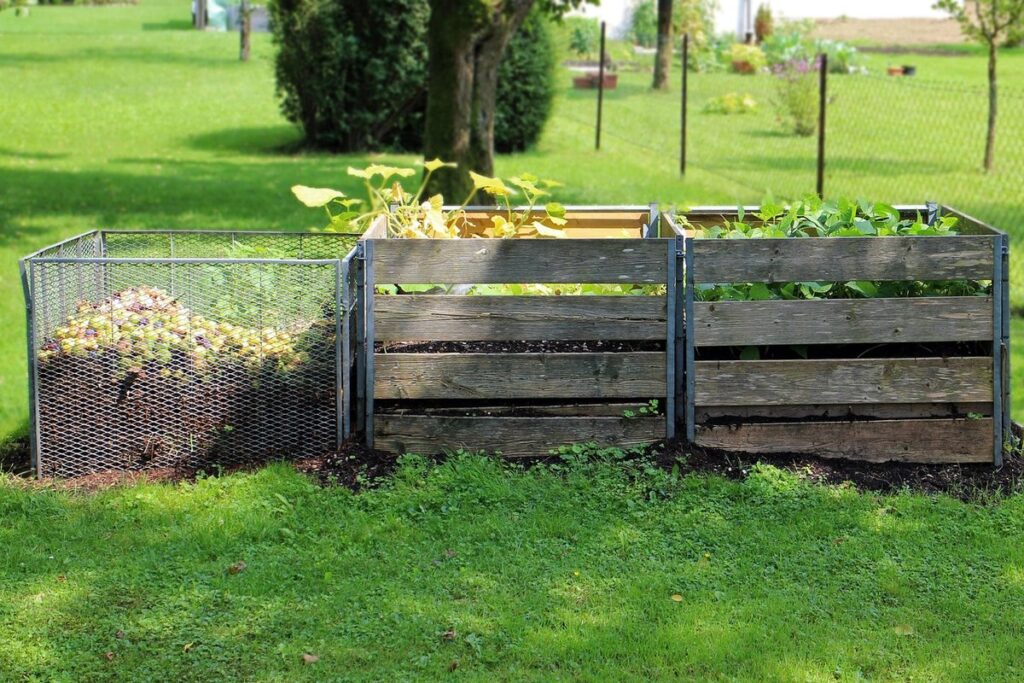
When setting up an effective duck manure composting system, several factors come into play. To begin with, you’ll need to select a suitable location for the composting area. Ideally, this should be situated near the duck enclosure or farm, allowing easy collection and transportation of manure. Ensure the site is well-ventilated, accessible, and has adequate space for the equipment.
Infrastructure requirements include constructing a composting unit or bin, which can be made from durable materials such as wood or metal. This will contain the composting process and help maintain optimal temperatures (typically between 130°F to 140°F). You may also need to install a leachate collection system to prevent moisture buildup.
In terms of necessary equipment, you’ll require tools for turning the compost pile, like pitchforks or shovels, as well as a means for monitoring temperature and moisture levels. Consider using a compost thermometer and moisture meter to ensure optimal conditions. Regular maintenance is crucial to maintaining an efficient duck manure composting system.
Benefits of Duck Composting Manure
Duck composting manure offers a wealth of benefits, from improved soil health to increased crop yields. Let’s dive into the advantages of using duck compost.
Improved Soil Health
Using duck compost as a fertilizer can have a profound impact on the health and fertility of your soil. One of the primary benefits is improved soil structure, which allows for better water retention and aeration. This is because duck manure is high in organic matter, which acts as a natural binder, holding particles together and creating a more porous environment.
Research has shown that adding compost to soil can increase its microbial activity by up to 450% (Kerns et al., 2017). Microbes play a crucial role in decomposing organic matter, fixing nitrogen, and fighting plant diseases. By incorporating duck compost into your fertilizer routine, you’re essentially injecting a boost of beneficial microbes into the soil.
In terms of fertility, duck manure is an excellent source of nutrients, including nitrogen, phosphorus, and potassium. These essential macronutrients support healthy plant growth, from root development to fruiting and flowering. By using duck compost as a fertilizer, you can expect to see increased crop yields, improved fruit quality, and better overall plant health.
To incorporate duck compost into your soil amendment routine, start by mixing it in at a rate of 10-20% with other fertilizers or soil amendments. As you build up the organic matter content of your soil, you’ll begin to notice improvements in structure, fertility, and microbial activity over time.
Reduced Greenhouse Gas Emissions
When it comes to managing duck manure, one of the most significant environmental benefits of composting is its ability to reduce greenhouse gas emissions. Traditional waste management methods often involve anaerobic decomposition of manure in lagoons or storage ponds, where methane-producing bacteria thrive. This can lead to the release of large quantities of methane, a potent greenhouse gas with 28 times the global warming potential of carbon dioxide.
Composting, on the other hand, uses oxygen to facilitate aerobic decomposition, which significantly reduces methane production. In fact, studies have shown that composting manure can decrease methane emissions by up to 90%. This is because the composting process involves breaking down organic matter into a stable humus, which absorbs and sequesters carbon.
By adopting duck composting manure practices, farmers and producers can make a significant contribution to mitigating climate change. To get started, focus on creating an optimal composting environment with adequate oxygen levels, temperature control, and regular mixing of the pile. This will help ensure that anaerobic conditions are minimized, allowing for efficient aerobic decomposition and reduced methane emissions.
Managing Duck Manure Composting Operations
Now that you’ve learned how to set up a duck composting operation, let’s dive into managing it efficiently and safely. Effective management is key to successful manure composting.
Monitoring Temperature and Moisture Levels
Monitoring temperature and moisture levels is crucial to ensuring efficient decomposition during the composting process. Temperature plays a significant role as it affects microbial activity, which breaks down organic matter into nutrient-rich compost. A temperature range of 130-140°F (54-60°C) is ideal for aerobic decomposition. However, temperatures above 160°F (71°C) can lead to toxic compounds and kill beneficial microbes.
To maintain optimal conditions, ensure that the pile has adequate oxygen supply. This can be achieved by maintaining a height-to-width ratio of at least 3:1 and regularly turning the pile. Monitoring moisture levels is also vital as excessive dryness or wetness can hinder microbial activity. Aim for a mix of 50-60% solids and 40-50% water content.
Regularly checking temperature and moisture levels helps identify potential issues early on, allowing for corrective actions to be taken promptly. A simple thermometer and hygrometer can provide accurate readings. Remember that monitoring is an ongoing process, requiring daily checks during the most active decomposition phase.
Maintaining Pathogen Control and Safety Measures
When it comes to duck composting manure, maintaining pathogen control and safety measures is crucial to protect human health. Adequate ventilation is key in minimizing the risk of pathogen transmission. Ensure that your composting system allows for sufficient airflow, as this will help reduce the concentration of pathogens. Regular testing protocols should also be implemented to monitor for bacteria such as Salmonella and E. coli.
Testing should be conducted at various stages of the composting process, including before and after the compost is bagged or sold. This helps identify any potential issues early on and prevent contamination. Some facilities may require third-party testing to ensure compliance with regulatory requirements.
In addition to ventilation and testing, it’s essential to implement rigorous safety measures. This includes proper personal protective equipment (PPE) for employees handling manure, such as gloves and masks. Regular training sessions should be provided to educate staff on safe composting practices.
By prioritizing pathogen control and safety, you can minimize risks associated with duck composting manure while maintaining the benefits of this sustainable practice.
Challenges and Limitations of Duck Composting Manure
While duck composting manure has its advantages, it’s essential to acknowledge the challenges that come with this process, which can be a game-changer for your farm. We’ll explore these potential drawbacks in more detail below.
Common Issues and Troubleshooting
While duck composting manure offers numerous benefits, it’s not without its challenges. One common issue encountered during the process is ammonia buildup. This occurs when the nitrogen-rich manure decomposes too quickly, releasing excess ammonia gas into the air. To mitigate this problem, ensure that your compost pile has a sufficient carbon-to-nitrogen ratio and maintain adequate moisture levels. Regular turning of the pile can also help to speed up decomposition rates and prevent the buildup of toxic gases.
Inconsistent decomposition rates are another challenge you might face when duck manure composting. This can be due to factors such as temperature fluctuations, inadequate aeration, or insufficient mixing of green materials (manure) with dry carbon-rich bulking agents like straw or sawdust. To troubleshoot this issue, monitor your pile’s temperature and turn it regularly to maintain optimal conditions for decomposition. Additionally, ensure that you’re adding the right mix of materials to your compost pile to create a balanced environment.
Maintaining proper oxygen levels in the compost pile is also crucial. If the pile becomes too dense or waterlogged, microorganisms may not have enough space to function properly, leading to inconsistent decomposition rates and unpleasant odors. Regularly monitoring pH levels and adjusting them as necessary can help prevent imbalances that might hinder the composting process.
If you’re experiencing any of these issues, don’t worry – they’re easily resolvable with a few simple adjustments to your composting method!
Comparison with Other Waste Management Options
Duck composting manure is not the only method for managing duck waste. When comparing it to other options like traditional storage and anaerobic digestion, we can see its unique advantages.
Traditional storage involves collecting and storing duck manure in large containers or lagoons until it’s suitable for use as fertilizer or disposed of properly. This method has several drawbacks: it takes up valuable space, may leach into nearby water sources if not designed correctly, and emits strong odors. Anaerobic digestion is a more expensive process that involves breaking down the manure in an oxygen-free environment to produce biogas. While effective, this method requires large upfront costs for equipment and infrastructure.
In contrast, duck composting manure is a low-cost, space-efficient solution. It uses natural microorganisms to break down the waste into a nutrient-rich fertilizer, reducing odors and pathogens in the process. This method also helps maintain soil health by adding beneficial microbes and organic matter. When done correctly, duck composting manure can significantly reduce waste management costs and environmental impact compared to traditional methods.
Conclusion: Integrating Duck Composting Manure into Sustainable Agricultural Practices
In conclusion, incorporating duck composting manure into your agricultural practices can have a significant impact on your farm’s sustainability and overall productivity. By utilizing this nutrient-rich waste, farmers can reduce their reliance on synthetic fertilizers, lower greenhouse gas emissions, and create a more closed-loop system. To integrate duck composting manure effectively, consider implementing a few key strategies: start by monitoring your duck population’s waste output and adjusting feeding schedules accordingly to maintain optimal levels. Next, incorporate the composted manure into crop rotation plans, using it as an organic fertilizer for nitrogen-intensive crops like vegetables or legumes.
This approach not only benefits your farm but also contributes to a more environmentally conscious agricultural industry as a whole.
Frequently Asked Questions
Can I use duck composting manure on all types of crops?
Yes, the nutrient-rich resource produced by duck composting manure can be beneficial for a wide range of crops, but it’s essential to ensure compatibility and follow specific guidelines to avoid over-fertilization. Some plants may require additional care or adjustments when using this compost.
How do I monitor temperature and moisture levels in my duck composting system?
Monitoring temperature and moisture levels is crucial to prevent pathogens and ensure efficient decomposition. You can use tools like thermometers, moisture meters, or even smartphone apps to track these parameters and make necessary adjustments to maintain an ideal balance for optimal composting results.
Can duck composting manure be used in urban settings, such as community gardens or backyard farms?
While it’s technically possible to implement duck composting manure in urban areas, consider local regulations, space constraints, and the potential impact on nearby residents. With careful planning and implementation, this method can contribute positively to urban agriculture by closing nutrient loops and promoting sustainable practices.
How does duck composting manure compare to traditional fertilizers in terms of cost-effectiveness?
When considering the overall lifecycle costs, including production and application, duck composting manure can be more cost-effective than traditional fertilizers. By reducing reliance on external inputs and utilizing a valuable resource otherwise discarded, farmers and gardeners can minimize expenses while maintaining or improving soil health.
What are some potential challenges I might face when implementing duck composting manure, and how can I overcome them?
When transitioning to duck composting manure, you may encounter challenges like inconsistent nutrient output, odor management issues, or difficulty in scaling up operations. To mitigate these concerns, it’s crucial to conduct thorough research, seek expert advice, and continually monitor and adjust your system as needed to achieve optimal results.