
Duck drakes are often overlooked in favor of their more charismatic counterparts, but these young ducks have a fascinating story to tell. From the moment they hatch from their eggs, duck drakes embark on an incredible journey that takes them through embryonic development, courtship displays, and even potential conservation concerns. As we explore the biology of duck drakes, we’ll delve into what makes them unique – from their physical characteristics to their behavior in various environments. But it’s not just about science; the cultural significance of duck drakes also plays a crucial role in their lives. In this article, we’ll dive into the world of duck drakes, examining their development, displays, and status as a species, shedding light on these remarkable birds that deserve our attention.
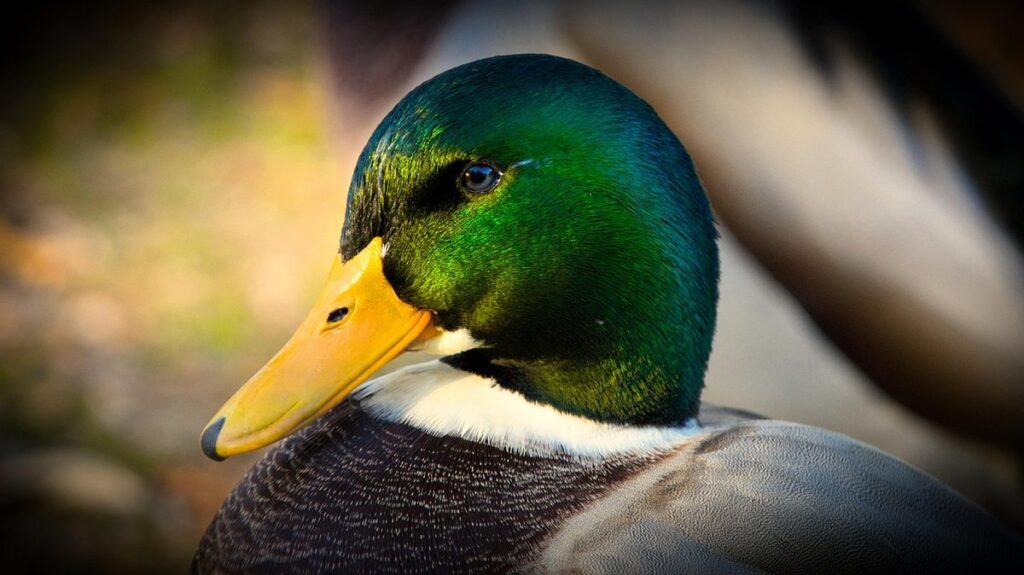
Understanding What a Drake Is
Let’s start by understanding what a drake is, as it’s a crucial piece of information to grasp when diving into the world of duck biology and behavior. Simply put, a drake is an immature male duck.
Definition and Explanation
A drake is the male duck, also known as an adult male waterfowl. This term is specifically used to refer to ducks that have reached full maturity and are capable of breeding. Unlike ducklings, which are baby ducks still under a year old, or goslings, which are young geese, a drake has distinctive physical characteristics such as fully developed plumage and a robust build.
To distinguish between different terms related to waterfowl, it’s essential to understand the life stages of ducks. Ducklings, for instance, are juveniles that have just hatched from eggs and are still dependent on their mother’s care. Goslings, on the other hand, belong to geese and not ducks. By knowing the difference between these terms, you can better appreciate the unique characteristics of duck drakes.
In general, a drake is mature enough to breed and may display distinct courtship behaviors during mating season. Understanding what a drake is will allow you to identify and observe these fascinating creatures in their natural habitat.
Importance of Accurate Identification
Accurate identification of duck drakes is crucial for various stakeholders, including bird enthusiasts, scientists, and conservationists. For bird enthusiasts, correctly identifying a drake can enhance their understanding and appreciation of these fascinating creatures. Drakes exhibit distinct characteristics, such as vibrant plumage, distinctive calls, and unique behavior patterns, which set them apart from other waterfowl.
In scientific research, accurate identification is vital for data collection and analysis. Misidentification can lead to incorrect conclusions about a species’ habits, habitats, or population dynamics, ultimately affecting conservation efforts. Scientists rely on precise identification to classify specimens, study their characteristics, and draw meaningful conclusions. Moreover, correct identification enables researchers to differentiate between closely related species, which is essential in understanding evolutionary relationships.
For conservationists, accurate identification helps track populations, monitor migration patterns, and inform habitat preservation strategies. Inaccurate identification can hinder these efforts by leading to mismanagement of resources or ineffective conservation measures.
Duck Drake Development: From Egg to Juvenile
As duck drakes grow from egg to juvenile, they undergo a remarkable transformation that’s essential for their survival and future development. Let’s take a closer look at this fascinating process.
Embryonic Development
When it comes to duck drake development, the journey begins long before they emerge from their shells. Embryonic development is a critical stage that sets the foundation for their future growth and health. It all starts with fertilization, where the male’s sperm meets the female’s egg in the reproductive tract. This union triggers a series of complex events that lead to the formation of the embryo.
Over the next 24-28 days, the embryo undergoes rapid development, during which time its major organs and systems begin to take shape. The heart starts beating around day 5, followed by the development of lungs, liver, and kidneys. By day 10, the embryo’s limbs are formed, and its wings start to take shape.
By day 24-28, the duckling has fully developed, and hatching becomes imminent. During this period, it’s essential to provide a safe and stable environment for the eggs to ensure healthy development. A consistent temperature between 99°F and 100°F (37°C to 38°C) is crucial during this time.
Hatchling Stage: Critical Periods
As ducklings emerge from their eggs during the hatchling stage, they enter a critical period that sets the foundation for their future growth and development. This stage is marked by rapid physical changes, including the unfurling of their wings and the development of their feathers.
Between 0-14 days after hatching, ducklings are particularly vulnerable to environmental influences. During this time, their imprinting process is at its most sensitive, making them more susceptible to bonding with any moving object or animal that comes into contact with them. For instance, if a duckling encounters a human during this period, it may become imprinted on the person and follow them around.
Understanding the critical periods in a duck’s life can help you better care for your young ducklings. By recognizing these stages, you can tailor their environment to meet their changing needs and provide optimal support for their growth and development.
Physical Characteristics of Duck Drakes
When it comes to duck drakes, their physical characteristics are just as fascinating as their behavior. Let’s take a closer look at what sets them apart from other ducks.
Sexual Dimorphism
Sexual dimorphism is a fascinating aspect of duck biology, where physical differences between males and females become more pronounced as they mature. One of the most striking features of sexual dimorphism in ducks is the plumage difference. Drakes, being the male ducks, have brightly colored feathers with intricate patterns, while female ducks are duller in coloration.
This is because drakes undergo a process called molt, where their old feathers are replaced with new ones, resulting in a vibrant display of colors and iridescent sheens. In contrast, females lack this elaborate plumage, but instead, have a more subdued appearance that helps them blend in with their surroundings for camouflage purposes.
When it comes to size, drakes tend to be larger than females, with longer necks, legs, and bills. This is due to the male’s need to compete for mates through displays of strength and dominance. However, these physical differences are not always clear-cut, and some breeds may exhibit more subtle variations in sexual dimorphism.
To tell a drake from a female duck, look for the following characteristics: brightly colored feathers with intricate patterns on the drake, while females tend to be duller in coloration. Also, note the size difference, with males being generally larger than females. With practice and observation, you can develop your skills in identifying duck species based on their physical characteristics.
Plumage and Coloration Patterns
One of the most distinctive features of duck drakes is their unique plumage and coloration patterns. As they mature, drakes develop striking feathers that set them apart from female ducks. The colors and patterns on a drake’s body serve multiple purposes, including communication, mating rituals, and camouflage.
For example, many species of duck drakes display vibrant greens, blues, and yellows on their heads, necks, and breasts. These bright hues are often accompanied by intricate patterns of iridescent sheens or subtle shading that add depth to the overall appearance. Take, for instance, the Wood Duck drake, which boasts a kaleidoscope of colors on its head, including emerald greens, sapphire blues, and golden yellows.
When it comes to practical applications, understanding the plumage and coloration patterns of duck drakes can be helpful for birdwatchers and wildlife enthusiasts. For instance, being able to identify specific species based on their unique coloration can enhance one’s overall appreciation and experience when observing these birds in their natural habitat. By paying attention to the subtle differences in plumage and coloration, you can gain a deeper understanding of the intricate biology and behavior of duck drakes.
Behavioral Traits and Social Interactions
When interacting with each other, duck drakes display a range of fascinating behavioral traits that are shaped by their social environment and individual personalities. Let’s dive into these intriguing behaviors.
Courtship Displays
Male duck drakes are known for their elaborate courtship displays, which play a crucial role in attracting mates and establishing dominance within their social hierarchy. These displays can range from simple posturing to complex rituals, depending on the species of duck.
One common courtship display is the “head-flagging” behavior, where the male duck shakes its head and flails its wings to attract females. This display serves as a visual signal of the male’s fitness and aggression, as well as his interest in mating. For example, the Northern Pintail drake will perform a series of rapid, bobbing movements with its head, accompanied by strutting and calling.
Females, on the other hand, tend to select mates based on their courtship displays, so males must be creative and persistent in their efforts. By observing and learning from these natural behaviors, you can gain insight into the social dynamics of duck drakes and develop a deeper appreciation for their complex communication strategies.
Agonistic Behavior
When it comes to social interactions, duck drakes can be quite assertive, especially during mating seasons. This is where agonistic behavior comes into play. Agonistic behavior refers to aggressive displays that serve a specific purpose, such as defending territory or establishing dominance.
During courtship, drakes may engage in intense displays of aggression, including loud quacking, flapping their wings, and even chasing potential mates. This behavior is meant to intimidate rivals and prove the drake’s worthiness as a mate. In fact, research has shown that males with more aggressive courtship behaviors are more likely to secure a mate.
Territorial disputes can also trigger agonistic behavior in duck drakes. When competing for resources or territory, drakes may engage in loud vocalizations, chasing, and even physical attacks on rival males. It’s essential to recognize these displays as a normal part of their social interactions and not intervene unless necessary to prevent harm.
By understanding and recognizing agonistic behavior in duck drakes, you can better appreciate the complexities of their social dynamics.
Health and Conservation Concerns
As we delve into the lives of duck drakes, it’s essential to address some pressing concerns that threaten their populations worldwide. We’ll explore the most significant health and conservation issues affecting these amazing birds.
Diseases Affecting Duck Drakes
Duck drakes are susceptible to various diseases that can have significant impacts on their health and conservation. One of the most common and serious diseases affecting duck drakes is avian cholera, caused by a bacterium known as Pasteurella multocida. This disease can lead to severe diarrhea, vomiting, and even death if left untreated.
Another critical concern for duck drakes is botulism, which occurs when they ingest toxins produced by the bacteria Clostridium botulinum. These toxins can cause muscle weakness, paralysis, and respiratory failure in affected birds. Both of these diseases are often linked to water quality issues, inadequate nutrition, or poor sanitation.
It’s essential for duck breeders and caretakers to be aware of these risks and take preventive measures, such as maintaining clean living conditions, providing a balanced diet, and ensuring access to fresh water. Early detection and treatment can greatly improve the chances of survival for affected duck drakes. Regular monitoring and prompt veterinary attention are crucial in preventing outbreaks and protecting these fascinating creatures.
Habitat Loss and Fragmentation
Habitat loss and fragmentation pose significant threats to duck populations, including drake populations. As humans continue to develop and urbanize natural areas, habitats are being destroyed and fragmented, leaving ducks without the resources they need to survive. This is particularly concerning for drakes, as they require large areas of undisturbed habitat to establish and maintain their territories.
The loss of wetlands, grasslands, and other habitats has resulted in a decline in duck populations worldwide. For example, the North American Waterfowl Management Plan estimates that over 50% of breeding waterfowl habitats have been lost since the 1950s. Drakes are particularly vulnerable to habitat loss due to their territorial behavior, which requires large areas of undisturbed habitat to establish and defend their territories.
In addition to habitat loss, fragmentation also poses a significant threat to duck populations. When habitats are fragmented, ducks may become isolated from other populations, reducing gene flow and increasing the risk of inbreeding. This can lead to reduced fitness and increased susceptibility to disease. To mitigate these effects, conservation efforts should focus on protecting and restoring large areas of undisturbed habitat, as well as creating corridors to connect fragmented habitats.
Interesting Facts and Cultural Significance
Duck drakes play a unique role in waterfowl culture, and there’s more to their fascinating story than just their brief lives as juveniles. Let’s dive into some interesting facts about these intriguing birds.
Folklore and Mythology
In various cultures around the world, ducks and drakes have been shrouded in fascinating folklore and mythology. From ancient civilizations to modern-day societies, these waterfowl have captured the imagination of people, often symbolizing qualities such as fertility, prosperity, and good luck.
In Japanese culture, for instance, the duck is considered a sacred animal associated with longevity and happiness. The “Kitsune” – a mythical fox spirit – is said to take on the form of a duck or drake in some stories, highlighting the importance of these birds in Japanese folklore.
Similarly, in ancient Greek mythology, the duck was associated with the goddess Aphrodite, who was often depicted surrounded by ducks and other waterfowl. This association with love and beauty underscores the significance of ducks and drakes in Western cultural heritage.
In many cultures, ducks are also seen as symbols of abundance and fertility, reflecting their role in providing food and sustenance for communities. By embracing these stories and myths surrounding duck drakes, we can gain a deeper appreciation for the cultural significance of these remarkable birds.
Symbolism and Representation
In literature and art, duck drakes have been imbued with symbolic meanings that reflect their unique characteristics. For instance, in mythology and folklore, the duck drake is often associated with transformation and rebirth, symbolizing the cycle of life and death. In some cultures, they are seen as messengers between the spiritual realm and the physical world.
In literature, authors have used the duck drake as a metaphor for growth and self-discovery. For example, in James Joyce’s “Ulysses,” the character Stephen Dedalus is compared to a duck drake, highlighting his journey of self-discovery and transformation. Similarly, in children’s literature, duck drakes are often depicted as friendly and curious creatures, symbolizing innocence and wonder.
As an observer, you can tap into this symbolism by paying attention to the behavior of duck drakes in their natural habitat. Note how they interact with their environment and each other, and look for patterns or habits that may be indicative of transformation or growth. By doing so, you’ll not only deepen your appreciation for these fascinating creatures but also cultivate a sense of curiosity and wonder about the world around us.
Frequently Asked Questions
How do I identify a duck drake in the wild?
If you’re new to birdwatching, identifying duck drakes can be challenging due to their similar appearance to adult ducks. Look for fully developed plumage, a robust build, and distinct physical characteristics such as a rounded head or a prominent knob on top of the forehead. Observing their behavior, especially during courtship displays, can also help you distinguish between males and females.
What are some common health concerns affecting duck drakes?
Duck drakes are susceptible to various diseases, including respiratory infections, bacterial illnesses, and parasites. Keep an eye out for signs of stress, such as changes in appetite or feather condition. Maintaining a clean environment, providing access to fresh water, and administering regular vaccinations can help prevent the spread of disease.
Can I keep duck drakes as pets?
While it’s possible to keep duck drakes in captivity, their unique needs and requirements make them more suited for experienced bird enthusiasts. Ensure you have enough space, suitable enclosure facilities, and a proper understanding of their social and behavioral needs before considering keeping them as pets.
How do duck drakes communicate during courtship displays?
Duck drakes use a variety of vocalizations, visual displays, and body language to communicate with potential mates. Listen for loud quacks or whistles during courtship, accompanied by displays of plumage, posturing, and preening. Understanding these behaviors can provide valuable insights into the complex social dynamics of duck colonies.
What role do duck drakes play in ecosystem conservation?
As a species, duck drakes are an essential component of aquatic ecosystems. Their feeding habits help maintain water quality, while their nesting activities contribute to habitat creation. However, their populations face threats from habitat loss and fragmentation, making conservation efforts crucial for maintaining healthy waterfowl populations.