
If you’re an avid poultry enthusiast or simply interested in backyard farming, then you’ve likely wondered about the process behind those beautiful duck eggs that eventually hatch into adorable ducklings. From fertilization to the moment they pip their way out of the shell, the journey of a duck egg is truly fascinating and crucial for hatching success.
In this article, we’ll delve into the various stages of duck egg development, exploring the factors that influence healthy growth and the ideal conditions necessary for successful hatching. We’ll examine each critical phase, from the initial fertilization to the final emergence of the chick, providing you with valuable insights on how to optimize your duck-keeping environment and boost hatch rates.
Whether you’re a seasoned breeder or just starting out, understanding the intricacies of duck egg development can significantly improve your chances of successful hatching.
Understanding Duck Egg Structure and Composition
Let’s take a closer look at what makes up a duck egg, including its unique structure and composition that allows it to sustain a developing embryo. The key elements are crucial for a successful hatch.
Physical Characteristics of Duck Eggs
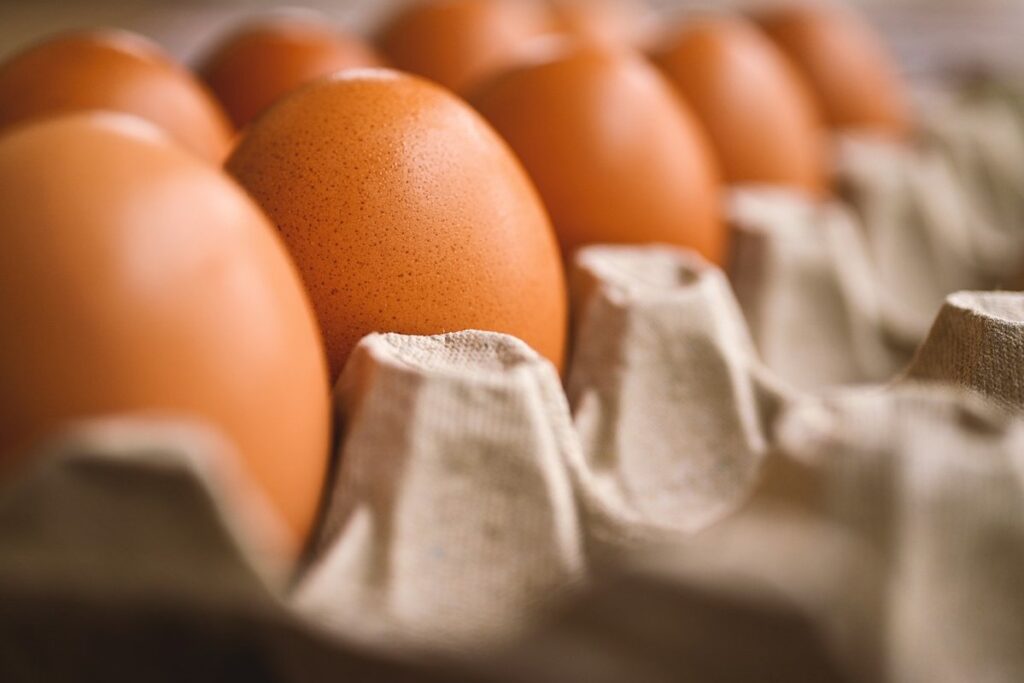
Duck eggs are easily identifiable due to their distinct physical characteristics. One of the most notable features is their shape. Duck eggs tend to be more elongated and oval compared to chicken eggs, with a slightly pointed end opposite the air sac. This unique shape is due to the duck’s reproductive anatomy, which results in a larger egg yolk.
In terms of size, duck eggs are generally larger than chicken eggs. The average weight of a duck egg can range from 50-70 grams (1.8-2.5 oz), with some breeds producing even bigger eggs. Quail eggs, on the other hand, are much smaller and would be hard to confuse with duck eggs.
The shell thickness of duck eggs is also worth noting. Duck eggs have a thicker shell than chicken eggs, making them more durable during transportation or storage. This increased thickness provides an added layer of protection for the delicate contents within. When choosing duck eggs for hatching, look for those with clean and dry shells, as these will be less prone to bacterial contamination.
When selecting eggs from your flock, remember that color is not always a reliable indicator of quality or fertility. However, it’s worth noting that most domesticated ducks lay white or brown eggs, while wild duck species often produce eggs in shades of blue or green.
Chemical Composition of Duck Egg Components
A duck egg’s chemical composition plays a vital role in supporting the growth and development of its embryo. The yolk, which makes up about 60% of the egg’s weight, is rich in lipids, proteins, and other essential nutrients.
Proteins, specifically ovotransferrin and ovalbumin, are crucial for providing amino acids to the growing embryo. Lipids, particularly lecithin, serve as energy reserves and also play a role in the development of the embryo’s skin and feathers. Vitamins like vitamin E and B12 are also present in the yolk, while minerals such as calcium and iron support bone and tissue growth.
The egg white, or albumen, contains proteins like ovomucoid and ovotransferrin that help to regulate pH levels and prevent bacterial invasion of the egg. Other essential nutrients like vitamin D, magnesium, and potassium are also present in the egg white.
A well-balanced diet that includes a mix of protein-rich foods can support optimal duck egg production, ensuring a nutrient-rich environment for embryo development.
Importance of Shell Quality in Embryo Development
The quality of a duck egg’s shell is often overlooked, but it plays a critical role in maintaining a healthy environment for the embryo. A strong, intact shell helps regulate temperature and prevent moisture loss, ensuring that the developing chick has a stable foundation to grow.
However, imperfections in the shell can compromise these essential functions, impacting egg viability. Cracks or thin spots can allow bacteria to enter the egg, leading to contamination and potentially fatal consequences for the embryo. Similarly, irregularities in shell thickness can disrupt temperature regulation, causing stress to the developing chick.
To minimize the risk of poor egg quality due to shell issues, it’s essential to maintain a clean and dry laying environment for your ducks. Regularly cleaning the coop and providing adequate ventilation can help prevent moisture buildup, reducing the likelihood of shell imperfections. By paying attention to these details, you can increase the chances of healthy, viable eggs that provide the best possible start for your chicks.
Fertilization and Early Embryonic Development
Now that we’ve covered duck egg anatomy, let’s dive into how a fertilized duck egg develops into an embryo, marking the beginning of its incredible journey to hatch. This is where it all starts!
The Process of Fertilization in Duck Eggs
When it comes to fertilization in duck eggs, it’s a complex process involving multiple components working together. The journey begins when a male duck releases sperm into the female duck’s cloaca during mating. These sperm then travel through the oviduct and penetrate the plasma membrane surrounding the egg yolk, also known as the zona pellucida.
Once inside, they fertilize the egg yolk, which is rich in nutrients necessary for embryonic development. The sperm contributes genetic material to the egg yolk, initiating the process of cell division and growth. A viable embryo forms when a single sperm successfully penetrates the plasma membrane and fertilizes the egg yolk.
The roles of sperm, egg yolk, and plasma membranes are crucial in creating a healthy embryo. Sperm provide genetic information while egg yolk serves as the primary source of nutrients for the developing embryo. The plasma membrane acts as a protective barrier around the egg yolk until it’s time for the embryo to break free.
A key factor in ensuring successful fertilization is the integrity and quality of the sperm. Factors such as diet, health, and breeding conditions can all impact fertility rates in ducks. As you prepare to incubate your duck eggs, consider the importance of selecting healthy, fertile breeders to increase the chances of successful hatching.
Early Embryonic Development: Cleavage and Morula Formation
As the fertilized egg begins its journey, it undergoes a series of rapid cell divisions without significant growth. This phase is known as cleavage, and it’s crucial for establishing the embryo’s basic structure. During this period, the cells multiply rapidly, with some species, including ducks, undergoing up to 12 cell divisions in just a few hours.
As the cells continue to divide, they begin to compact, forming a cluster of cells called the morula. This stage is characterized by a lack of distinct tissue formation, but it lays the groundwork for future development. The morula’s compact structure also helps regulate nutrient exchange and waste removal, ensuring the embryo receives essential resources.
During this phase, the embryo is highly susceptible to environmental stressors, such as temperature fluctuations or inadequate moisture. To optimize chances of successful hatching, duck breeders should maintain a consistent and optimal incubation environment, typically between 99°F and 100°F (37°C to 38°C). This attention to detail will help guide the developing embryo through these critical early stages, paving the way for healthy growth and eventual hatch.
The Role of Temperature in Fertilization and Embryo Development
When it comes to fertilization and embryo development in duck eggs, temperature plays a crucial role in supporting healthy growth. Optimal temperatures are essential for the fertilized egg to develop into a strong and viable embryo.
Research has shown that even slight deviations from optimal temperatures can have a significant impact on embryonic development. For example, a study found that incubation temperatures between 99°F and 100°F (37°C to 38°C) resulted in higher hatch rates compared to temperatures outside this range. This is because temperature affects the rate of metabolic processes, such as cell division and growth.
In practice, maintaining a consistent and optimal temperature during incubation is crucial for successful duck egg development. Most commercial brooder cabinets and incubators are set to around 99°F (37°C), which allows for ideal conditions for embryo development. It’s also essential to monitor the temperature closely, making adjustments as necessary to ensure it remains within this optimal range. By doing so, you can significantly improve the chances of successful hatching.
Embryonic Stage: Organogenesis and Differentiation
As we dive deeper into the fascinating world of duck egg development, let’s explore the critical process of organogenesis and differentiation that sets the stage for a healthy hatchling. In this pivotal phase, your duck’s embryo takes shape.
Gastrulation and the Formation of Germ Layers
Gastrulation is a critical phase in duck embryonic development, marking the transition from a simple layered structure to a complex three-layered embryo. During this process, which typically occurs around 12-24 hours after fertilization, the inner cell mass undergoes a series of cellular movements and interactions that ultimately lead to the formation of the primary germ layers: ectoderm, mesoderm, and endoderm.
As gastrulation progresses, cells from the outer layer begin to migrate inward, while those from the inner layer move outward. This dynamic movement enables the formation of the blastula’s inner cell mass into a compacted cluster, known as the primitive streak. Cells then start migrating along this streak, giving rise to the germ layers that will eventually give rise to all tissues and organs in the embryo.
The ectoderm is the outermost layer, responsible for forming the skin, feathers, and nervous system. The mesoderm lies beneath it and contributes to muscles, connective tissue, and internal organs like the heart and kidneys. Meanwhile, the endoderm forms the lining of various bodily systems, including the digestive tract and respiratory organs.
This intricate process is crucial for the embryo’s subsequent development, as it sets the stage for organogenesis – the formation of complex tissues and organs from these primary germ layers.
Organogenesis: Development of Major Organs and Systems
As the duck embryo grows and develops during the egg stage, its internal organs begin to form through a complex process called organogenesis. This critical phase involves the creation of vital systems such as the cardiovascular, respiratory, digestive, and excretory systems.
During organogenesis, the heart starts beating around day 4-5, pumping blood throughout the embryo’s growing body. The lungs also begin to develop, although they won’t be functional until after hatching. The liver plays a crucial role in filtering waste products from the blood and aiding in nutrient absorption, while the digestive system starts to take shape, with the development of the stomach, intestines, and associated organs.
As organogenesis progresses, other key systems also emerge, including the urinary and reproductive systems. Although these will be fully functional only after hatching, they’re essential for the duck’s growth and survival in its new environment. Understanding the intricacies of organogenesis helps you appreciate the intricate processes at play during a duck egg’s development stage.
Differentiation: The Development of Tissues and Organs
During the duck egg stage development, differentiation is a vital process where cells specialize into specific tissues and organs. As the embryo grows, cells begin to differentiate into different types, such as ectoderm, endoderm, and mesoderm. These primary germ layers eventually give rise to all the tissues and organs in the body.
For example, the ectoderm layer develops into the nervous system, skin, and eyes, while the endoderm layer forms the lining of the digestive tract, respiratory system, and other internal organs. The mesoderm layer gives rise to muscles, bones, blood vessels, and connective tissue. As differentiation occurs, cells begin to take on specific characteristics, such as shape, size, and function.
Understanding differentiation is essential for duck breeders who want to optimize their breeding programs. By knowing how tissues and organs develop, they can identify potential issues early on and take corrective actions to ensure healthy hatchlings. For instance, if a breeder notices that their ducks are prone to a particular health issue, they may need to adjust their nutrition or breeding strategies to promote healthier differentiation in the embryo.
Late Embryonic Stage: Sensory Organ Development and Maturation
As we enter the late embryonic stage, your duck embryo is now focusing on developing its sensory organs, including eyes, ears, and beak. These vital structures will soon become crucial for communication and survival.
Visual System Development: Formation of the Eye and Retina
During the late embryonic stage of development, the duck embryo’s visual system begins to take shape. One of the earliest and most critical events is the formation of the eye itself. This process starts around 14-15 days into incubation, when the optic vesicles begin to invaginate and form cups that will eventually give rise to the retina.
As the embryo develops, the lens begins to form from a thickening of the surface ectoderm, while the retina undergoes rapid differentiation into its distinct layers. The neural retina, for example, forms from the proliferation and migration of neural cells, while the retinal pigment epithelium differentiates from the outer layer of the optic cup.
By around 18-20 days, the eye has reached a critical stage of development, with all major structures in place, including the lens, cornea, and retina. However, it’s worth noting that at this stage, the eyes are still quite far apart, and will continue to migrate towards the center of the face over the next few days.
If you’re raising ducklings or working with embryo development, keep an eye on these critical developmental milestones, as disruptions can have significant effects on vision and overall health.
Auditory System Development: Ear Structure and Function
During the late embryonic stage of duck development, the auditory system begins to take shape. This complex process involves the formation of three critical components: the inner ear, middle ear, and auditory nerve. The inner ear is responsible for converting sound vibrations into electrical signals that are transmitted to the brain. It consists of the cochlea, vestibular apparatus, and semicircular canals. The cochlea is a spiral-shaped structure that converts sound waves into electrical impulses, while the vestibular apparatus helps maintain balance.
The middle ear, also known as the tympanic cavity, acts as an air-filled bridge between the outer environment and the inner ear. It contains three tiny bones: the malleus (hammer), incus (anvil), and stapes (stirrup). These bones transmit sound vibrations from the eardrum to the cochlea in the inner ear.
The auditory nerve carries electrical signals from the cochlea to the brain, where they are interpreted as sound. In a duckling, this process is still developing and refining its function. As you observe your developing duck, keep in mind that their hearing abilities will continue to mature after hatching.
Skin and Feather Development: Importance of Pores and Glands
During the late embryonic stage of duck development, the skin and feathers undergo significant changes. Pores begin to form on the surface of the developing chick’s skin, allowing for the release of excess fluids and waste products. These pores will eventually close after hatching, but their presence during development is crucial.
Glands also start to develop in the skin, including sebaceous glands that produce oils to help waterproof the feathers. Other specialized features like the uropygial gland, also known as the “preen gland,” begin to take shape. This gland produces an oily secretion that helps to keep the feathers clean and shiny.
The development of pores and glands is essential for the health and well-being of the emerging duckling. It ensures proper fluid balance, waste removal, and maintenance of the plumage. As a breeder or owner, it’s fascinating to observe these processes taking place within the egg. By understanding the importance of skin and feather development, you can better appreciate the intricate details involved in bringing your ducklings into the world.
Preparation for Hatching and Incubation Periods
Now that your duck eggs have been successfully fertilized, it’s time to prepare them for hatching by creating a suitable environment and monitoring their development closely. Proper incubation is crucial for healthy chicks.
Yolk Sac Regression and Resorption
As the embryo develops inside the egg, it relies heavily on the yolk sac for nutrition and energy. Initially, the yolk sac provides a rich source of nutrients that support rapid growth and development during the early stages of incubation. However, as the embryo grows and matures, its nutritional needs change, and the yolk sac must regress to ensure a smooth transition to hatching.
Around 14-16 days into incubation, the yolk sac begins to shrink in size as it starts to be resorbed by the embryo’s blood vessels. This process is crucial for several reasons: it prevents overnutrition, reduces waste production, and allows the embryo’s digestive system to mature properly. If the yolk sac doesn’t regress at this stage, it can lead to complications during hatching, such as an overgrown beak or umbilical cord prolapse.
It’s essential for duck breeders to monitor the egg closely during this period, checking for signs of yolk sac regression and resorption, which include a reduction in egg white circulation around the air cell. By understanding these processes, you can better prepare for hatching and ensure that your developing embryo receives optimal care.
Air-Sac Development: Formation of Lungs and Respiratory System
As you progress through the incubation period, you’ll notice significant changes taking place within the embryo. One crucial aspect of development is the formation of air-sacs, which will eventually give rise to lungs and other vital respiratory structures.
Around day 12-14 of incubation, a series of gas-filled sacs begin to form along the sides of the embryo’s neck region. These initial air-sacs are connected by tiny tubes called air-channels, allowing them to expand and contract in unison. As development progresses, these air-sacs grow in size and number, eventually fusing together to form a larger, more complex respiratory system.
The development of air-sacs is critical for the embryo’s survival, as it enables gas exchange between the bloodstream and the environment. By day 24-26 of incubation, the air-sacs have grown significantly, and you may be able to see them through the eggshell using a light source or candling tool. This marks an essential milestone in duck development, signaling that the embryo is well on its way to forming functional lungs.
In practical terms, observing the growth of air-sacs can help you monitor the embryo’s progress and adjust your incubation conditions accordingly.
Environmental Factors Influencing Hatching Success
Environmental factors play a crucial role in determining hatching success. Temperature and humidity levels are two critical elements to get right. A temperature range of 99°F to 100°F (37°C to 38°C) is ideal, with slight variations acceptable on either side. However, maintaining a consistent temperature throughout the incubation period is key.
Humidity also needs careful consideration. The optimal level for duck eggs is around 50-60%. If it’s too high, mold and bacterial growth can occur; if it’s too low, embryos may not develop properly.
Proper egg handling is equally important. Eggs should be handled gently to avoid cracking, which can allow bacteria to enter the egg and cause infection. Eggs should also be stored in a way that prevents rolling or jostling, as this can cause uneven incubation temperature distribution inside the egg.
Maintaining cleanliness and hygiene throughout the incubation process is vital for ensuring hatching success. This includes washing your hands before handling eggs, keeping surfaces clean, and using proper ventilation to prevent moisture buildup. By paying close attention to these environmental factors, you’ll be well on your way to successful hatching.
Frequently Asked Questions
How can I ensure consistent incubation conditions for optimal duck egg development?
To maintain a stable environment, keep the temperature between 99°F to 100°F (37°C to 38°C) with a slight drop during incubation periods. Monitor humidity levels and maintain them between 45% to 55%. Use an incubator with accurate temperature control or create a DIY setup by using a thermometer and heat source.
What are the most common causes of embryonic mortality in duck eggs?
Embryonic mortality can be caused by improper incubation temperatures, inadequate egg turning, or insufficient humidity. Regularly check your equipment and environment to prevent these issues. Consider investing in an automatic turner for easier monitoring.
How do I handle duck eggs that have failed to hatch after a full incubation period?
Inspect the eggs carefully for any visible cracks or damage. If no issues are found, it’s likely due to factors like poor fertility, incorrect temperature, or insufficient humidity. Try adjusting your incubation conditions and consider consulting with a poultry expert.
Can I use artificial lighting during incubation periods, or is natural light preferred?
While natural light can provide some benefits, artificial lighting won’t harm the eggs. However, it’s essential to maintain consistent light-dark cycles (LD) to simulate day-night transitions. Avoid direct sunlight on incubators and ensure adequate ventilation for heat dissipation.
How long should I wait before candling duck eggs during incubation?
Typically, start candling at around 7-10 days after incubation begins. This allows you to identify any potential issues early on without causing unnecessary stress or disturbance to the developing embryo. Be gentle when handling the eggs to avoid damage and contamination.