
Are you tired of watching your precious duck eggs fail to hatch, leaving you wondering what went wrong? Mastering duck egg hatch troubleshooting is crucial for any backyard breeder or serious waterfowl enthusiast. The process of incubating eggs can be a delicate one, and even the slightest miscalculation can lead to heartbreak. Whether it’s issues with temperature fluctuations, poor candling results, or other common problems, this guide will walk you through the most effective troubleshooting techniques to ensure successful hatching.
In this comprehensive article, we’ll delve into the world of advanced incubation methods, exploring topics such as precise temperature control and monitoring, ideal humidity levels, and even some lesser-known tricks of the trade. By the end of this guide, you’ll be equipped with the knowledge to tackle any duck egg hatch issue that comes your way, giving you a better chance at raising healthy, thriving ducklings.
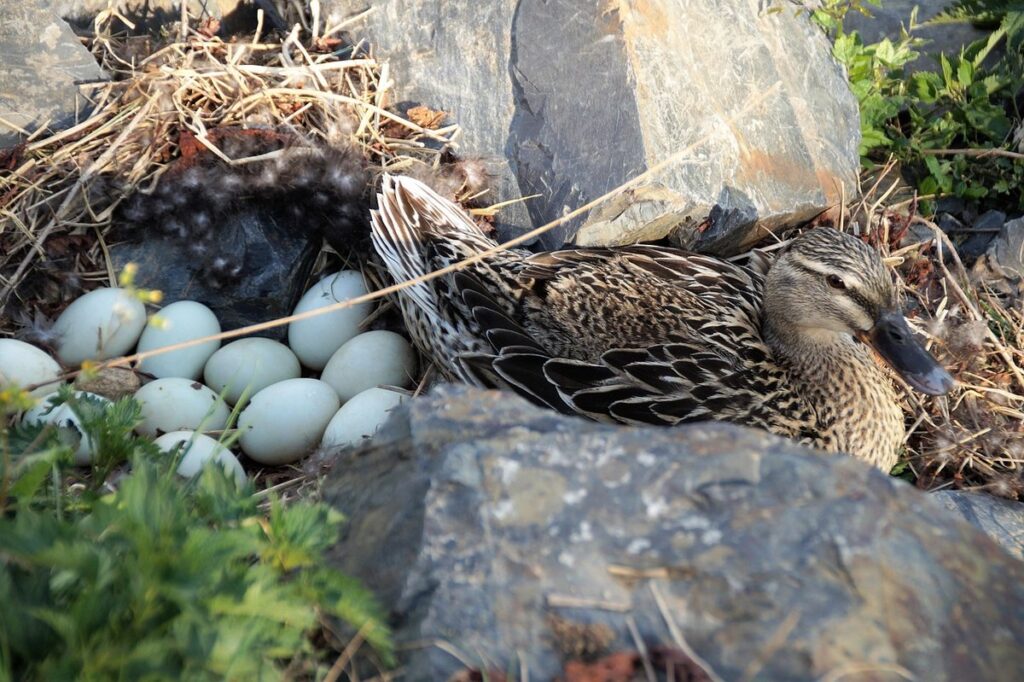
Understanding the Basics
First, let’s establish a solid foundation by understanding what makes duck eggs hatch successfully and identifying common issues that can arise during incubation. This will set us up for effective troubleshooting.
What Causes Embryonic Development Issues?
When it comes to duck egg hatch issues, there are several common causes that can affect embryonic development. Genetics play a significant role, and some breeds may be more prone to hatch problems than others. For example, if you’re breeding a line of ducks with inconsistent fertility or hatch rates, it’s likely due to genetic factors.
Environmental conditions also impact egg development and hatchability. Temperature fluctuations during incubation can lead to delayed or failed hatches. Most duck eggs require a consistent temperature between 99°F and 100°F (37°C to 38°C) for optimal development. Extreme temperatures can cause the embryo to develop at an abnormal rate, leading to poor hatch rates.
Poor breeding practices are another common reason for embryonic development issues. This includes over-breeding females, inadequate nutrition, or not providing sufficient space and care for your ducks. It’s essential to follow responsible breeding practices to minimize the risk of hatch problems. Regular health checks, proper feed, and a clean environment can all contribute to healthier eggs and better hatch rates.
Factors Affecting Incubation Temperature
When it comes to duck egg incubation, temperature is a crucial factor that can significantly impact embryonic development. The ideal incubation temperature for duck eggs ranges from 99°F (37°C) to 100°F (38°C), with most breeders aiming for the higher end of this range. However, even slight deviations from this optimal temperature can cause issues.
For example, if the temperature drops below 98°F (36°C), the embryo may develop slowly, leading to delayed hatching or even mortality. On the other hand, temperatures above 100°F (38°C) can cause the embryo to hatch too quickly, resulting in weakened chicks that are more susceptible to disease and stress.
To avoid these issues, it’s essential to maintain a consistent temperature within your incubator. This means monitoring the temperature closely, ideally using multiple thermometers to ensure accuracy. Additionally, make sure to provide adequate ventilation to prevent overheating, which can be just as detrimental as underheating. By keeping a close eye on temperature and making adjustments as needed, you’ll be well on your way to successful duck egg hatching.
Common Issues During Incubation
You’ll encounter several common issues during incubation that can impact the success of your duck egg hatching process, but don’t worry, we’ve got you covered.
Leaking or Soft-Shelled Eggs
When incubating duck eggs, one of the most frustrating issues you can encounter is a soft-shelled or leaking egg. This problem not only reduces fertility but also poses a significant risk to the health and safety of your ducks.
Soft-shelled eggs are often caused by improper temperature control in the incubator, which can disrupt the delicate process of embryonic development. If the temperature fluctuates too much, it can cause the egg’s internal membrane to weaken, leading to a soft or leaking shell. Bacterial contamination is also a common culprit behind this issue, as bacteria like E. coli and Salmonella can enter the egg through cracks in the shell.
Reduced fertility is another consequence of soft-shelled eggs. When an egg has a weak or leaky shell, it’s more susceptible to bacterial invasion, which can lead to embryonic death or reduced hatch rates. In severe cases, bacteria can even infect the entire flock.
To minimize the risk of soft-shelled eggs, make sure your incubator is set up and maintained correctly. Regularly check the temperature and humidity levels, and ensure that the eggs are clean and dry before incubation.
Molds and Fungus Growth in the Incubator
Mold and fungus growth can be a significant issue during incubation, particularly when it comes to duck eggs. These microorganisms thrive in warm, humid environments, which is exactly what an incubator provides. To prevent mold growth, maintain optimal humidity levels between 45-55% by using a hygrometer to monitor the environment. Ensure good air circulation within the incubator and keep the temperature consistent.
Signs of fungal infection include musty odors, visible mold on the eggs or incubator surfaces, and an overall decrease in hatch rates. If you notice any of these symptoms, immediately clean and disinfect the affected areas with a solution of 1 part bleach to 10 parts water. Replace the humidity tray and turn off the incubator for a few hours to reduce moisture buildup.
Regularly inspect your eggs and incubator surfaces for mold growth by checking for visible signs daily. Early detection is key in preventing fungal infections that can spread quickly throughout the incubator. Consider investing in an ultraviolet (UV) light, which can help kill airborne microorganisms and prevent mold growth.
Troubleshooting Hatch Failure
Let’s tackle some of the most common issues that can cause duck egg hatch failure, and explore solutions to get your incubation back on track. We’ll cover the top problems to watch out for.
Incubation Temperature Issues
Temperature plays a crucial role in successful duck egg hatching. When incubation temperatures are off, it can lead to reduced hatch rates and uneven embryonic development. Be aware of the warning signs: delayed pip (the time it takes for the chick to break through the shell), incomplete or deformed beaks, twisted or bent down feathers, and increased mortality.
A temperature deviation of just 1-2°F can significantly impact hatch success. If your incubator’s temperature drops below 99.5°F or rises above 100.5°F, it may lead to problems. Monitor the thermometer closely for any fluctuations.
Some common issues include a temperature drop during the critical period between day 23 and 28 of incubation. This can cause the embryo to freeze and result in failed hatches or weak chicks. To avoid this, ensure your incubator’s temperature is stable and doesn’t dip below 99.5°F during this crucial phase.
Regularly cleaning and maintaining your incubator also helps prevent temperature issues. Check for proper ventilation and insulation to maintain a consistent internal environment. By keeping a close eye on temperatures and taking preventive measures, you can minimize the risk of hatch failure due to temperature fluctuations.
Humidity and Ventilation Problems
Maintaining optimal humidity levels is crucial for successful duck egg hatching. Aim to keep the incubator at 50-60% relative humidity (RH) during the first 24 days of incubation, and then gradually decrease it to around 30-40% until hatching day. You can achieve this by using a water bowl or a misting system that releases a fine spray of water into the air.
However, humidity levels can fluctuate due to various factors such as temperature changes, egg size, or even the incubator’s design. If you notice your eggs are developing condensation on their shells or the incubator is foggy, it may be an indication that the humidity level is too high.
On the other hand, low humidity can cause embryonic dehydration, leading to poor hatch rates and weak chicks. Common ventilation issues that can impact hatch success include blocked air vents, dusty filters, or inadequate airflow circulation. Regularly inspect your incubator’s ventilation system to ensure proper function and replace filters as needed.
Advanced Troubleshooting Techniques
When you’ve exhausted the basics, it’s time to dive into more advanced techniques for identifying and resolving duck egg hatching issues that have left you stumped. Let’s explore some expert-level troubleshooting methods together.
Using Candling to Identify Issues
Candling is a crucial step in duck egg hatch troubleshooting, allowing you to visually inspect the embryo’s development and identify potential issues. To get started, you’ll need a good quality candle specifically designed for candling eggs. Hold the candle at an angle, shining it through the large end of the egg. This will help illuminate the internal structures.
When examining the embryo, look for signs of life such as a heartbeat, visible blood vessels, or movement. A healthy embryo should be active and responding to its surroundings. On the other hand, signs of stress or distress can include slowed or absent movement, visible abnormalities in the yolk sac, or dark areas within the embryo.
Some common issues that candling can reveal include fungal infections, which may appear as dark specks or a cloudy appearance within the egg white. Beak deformities or twisted embryos are also possible signs of trouble. Keep in mind that candling should only be done after 7-10 days into incubation to avoid stressing the developing embryo.
Genetic Testing for Embryonic Development Disorders
When it comes to troubleshooting issues with duck egg hatching, genetic testing can play a crucial role in identifying potential problems related to embryonic development. This type of testing allows breeders to examine the DNA of their ducks and embryos to identify genetic disorders or mutations that may be causing hatch failure.
Genetic testing can help you pinpoint specific issues such as metabolic bone disease, developmental deformities, or immunological deficiencies that may be contributing to poor hatch rates. Some of these tests can even detect genetic markers associated with reproductive problems, giving you valuable insights into the overall health and fertility of your flock.
You can obtain genetic testing for embryonic development disorders through reputable laboratories that specialize in poultry genetics. Be sure to consult with a veterinarian or poultry expert to determine which tests are most relevant for your specific breeding program. By incorporating genetic testing into your troubleshooting strategy, you’ll be better equipped to identify and address underlying issues affecting your duck egg hatching success.
Best Practices for Reducing Hatch Failure
To significantly improve hatch rates, it’s essential to adopt effective strategies that minimize stress on incubating duck eggs. Implementing these best practices will make a significant difference in your hatch success.
Improving Breeding Stock Quality
When it comes to reducing hatch failure, improving breeding stock quality is a crucial step. Selecting high-quality breeding stock is essential for producing eggs with optimal fertility and hatchability rates. To evaluate egg fertility and hatchability, consider several key factors.
Start by assessing the age and health of your ducks. Healthy birds are more likely to produce fertile eggs. Look for signs of stress, disease, or nutritional deficiencies that can impact fertility. Also, ensure you’re breeding ducks from reputable sources with a history of producing high-quality offspring.
Another critical factor is genetic diversity. Inbreeding can lead to reduced fertility and hatch rates. Introduce new bloodlines periodically to maintain a healthy gene pool. Finally, monitor your birds’ reproductive performance by tracking egg production, fertility rates, and hatch success.
Regularly collecting data on these metrics will help you identify areas for improvement and make informed breeding decisions. By selecting high-quality breeding stock and maintaining a healthy flock, you can significantly reduce hatch failure and increase the chances of successful hatches.
Regular Cleaning and Maintenance of Incubation Equipment
Regular cleaning and maintenance of incubation equipment are crucial steps to prevent contamination and ensure optimal incubation conditions for successful duck egg hatching. Contamination from bacteria, fungi, or viruses can lead to embryo death, reduced hatch rates, and even the spread of diseases within the flock.
A dirty incubator environment can also contribute to humidity fluctuations, temperature imbalances, and poor air circulation – all of which can compromise embryonic development. Regular cleaning involves washing all surfaces with a mild detergent, disinfecting incubation trays and racks, and replacing worn-out parts. Schedule this maintenance at least every 10-15 days, or more frequently if you notice a buildup of debris.
Remember to always follow the manufacturer’s guidelines for specific cleaning products and procedures. For example, some incubators have special coatings that require gentle cleaning methods. Additionally, establish a routine for monitoring temperature and humidity levels within the incubator to catch any potential issues early on.
Conclusion and Next Steps
Now that you’ve worked through the troubleshooting process, it’s time to review what we’ve covered so far and consider next steps for successful duck egg hatching.
Recap of Key Takeaways
As we conclude our comprehensive guide to duck egg hatch troubleshooting, let’s recap the key takeaways to ensure you’re equipped with the knowledge and skills to successfully raise healthy ducklings. Common causes of hatch failure were discussed at length, including incorrect incubation temperatures, inadequate humidity control, and contamination of the eggs.
We also explored advanced troubleshooting techniques, such as candling to check for embryonic development, and monitoring for signs of embryonic resorption. Additionally, we delved into the importance of maintaining precise incubator settings, ensuring proper egg handling and storage, and providing optimal post-hatch care for ducklings.
Some specific points worth remembering include:
• Monitor temperature fluctuations within 1°F to prevent hatch failure
• Regularly clean and disinfect the incubator to prevent bacterial contamination
• Handle eggs with gentle care to avoid cracking or breakage
• Provide adequate ventilation and humidity control in the brooder
By applying these insights and following best practices, you’ll be well on your way to successfully raising healthy ducklings.
Additional Resources for Further Learning
If you’re interested in delving deeper into duck egg incubation and hatch troubleshooting, there are numerous resources available to help you further develop your skills. The International Hatchery Federation (IHF) offers a wealth of information on best practices for incubation and hatchery management.
You can also consult the book “The Incubator Handbook” by Dr. Peter McGonagle, which provides in-depth guidance on setting up and operating an incubator effectively. Additionally, the online forum “Backyard Chickens” has a dedicated section for duck egg incubation and hatch troubleshooting, where you can connect with experienced breeders and learn from their experiences.
Consider enrolling in online courses or workshops that focus on poultry husbandry and incubation techniques, such as those offered by the Poultry Science Department at your local university. These educational resources will help you refine your skills and stay up-to-date with the latest research and advancements in duck egg incubation and hatch troubleshooting.
Frequently Asked Questions
Can I still salvage duck eggs that have stopped developing after day 7?
If you notice embryonic development slowing down or stopping after day 7, it’s unlikely the egg will hatch successfully. However, you can still try to increase humidity levels and provide a stable temperature environment for the remaining days. In some cases, careful candling might reveal if the embryo is still viable.
How do I determine if my incubator’s temperature fluctuations are causing hatch issues?
Monitor your incubator’s temperature closely using data loggers or thermometers. Look for any significant deviations from the ideal temperature range (99-100°F) and try to identify the cause, whether it’s environmental factors, equipment malfunction, or human error.
What should I do if I notice a sudden drop in humidity levels during incubation?
If you observe a sudden decrease in humidity, act quickly by adjusting your incubator’s ventilation settings. Increase the water level in the water tray or use a humidifier to maintain optimal humidity levels between 50-60%. Avoid over-humidification, as this can lead to mold and fungus growth.
Can I use a separate incubation room with controlled temperature and humidity?
Yes. Using a dedicated incubation room allows for more precise control over temperature and humidity levels, reducing the risk of human error or environmental factors affecting hatch success. Ensure proper ventilation and maintain a stable environment to promote healthy embryonic development.
How do I ensure my duck eggs are receiving enough oxygen during incubation?
Maintain optimal ventilation within your incubator by ensuring proper airflow and preventing excessive moisture buildup. Regularly inspect your equipment for any blockages or issues that might impact air circulation. Additionally, consider using a turner to gently rotate the eggs every 24 hours.