
If you’re an avid duck breeder or just starting out, you’ve likely encountered the frustration of poor hatch rates and underdeveloped chicks. Duck egg hatching problems can be discouraging, but with a little guidance, you can optimize your chances of success. There are many common issues that can affect the health and viability of your eggs, from environmental factors to breeding stock quality and underlying health concerns. In this article, we’ll take a closer look at these common duck egg hatching problems and provide expert advice on how to identify and address them. By learning how to troubleshoot and improve hatch rates, you can significantly boost the chances of raising healthy, thriving chicks – and achieve your goals as a duck breeder.
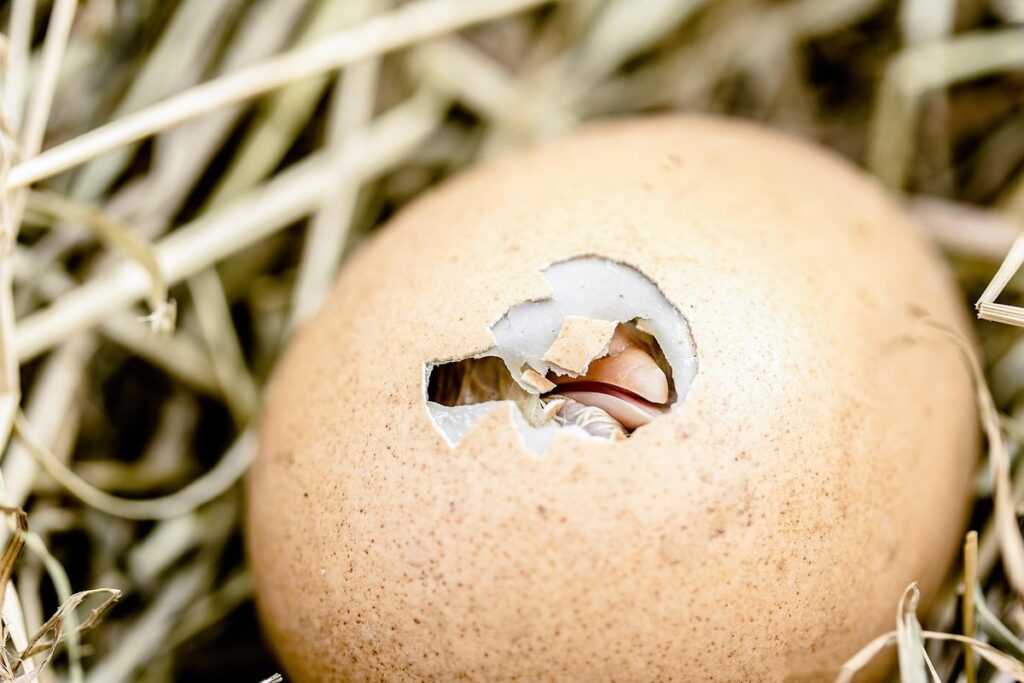
Common Causes of Duck Egg Hatching Problems
Duck egg hatching problems can be frustrating, but identifying the cause is key to finding a solution. Let’s explore some common issues that may be affecting your duck eggs’ chances of hatching successfully.
Poor Breeding Stock Quality
Using poor breeding stock can be a significant contributor to duck egg hatching problems. When you use birds that are not healthy or genetically diverse for breeding, it can lead to fertility issues and embryonic mortality. This is because these birds may carry underlying health problems or genetic defects that are then passed on to their offspring.
When selecting breeding stock, look for birds with good conformation, vitality, and a robust constitution. Avoid using birds that show signs of stress, illness, or injury. It’s also essential to consider the genetic diversity of your flock to avoid inbreeding, which can lead to reduced fertility and increased susceptibility to disease.
To minimize the risk of reproductive issues, choose breeding stock from reputable breeders who prioritize health and genetics. This may involve selecting birds from a diverse range of bloodlines or using artificial insemination to introduce new genetics into your flock.
Environmental Factors Affecting Incubation
Maintaining a stable environment is crucial for successful incubation. Temperature fluctuations can have a significant impact on duck egg hatching success rates. A temperature difference of just 1-2°F (0.5-1°C) between the desired setting and actual temperature can affect hatchability.
Humidity levels are also vital during incubation, especially during the first 24 hours after egg placement in the incubator. If the humidity is too low, eggs may dry out, while excessive moisture can lead to mold growth. Aim for a relative humidity of 50-60% during this period and adjust as needed.
Egg storage conditions before incubation also play a crucial role in hatching success. Avoid storing eggs at temperatures below 40°F (4°C) or above 70°F (21°C), as this can cause stress to the embryo. Store eggs pointy end down, and maintain a consistent humidity level of around 50-60%. By controlling these environmental factors, you can significantly improve your chances of successful duck egg hatching.
Health Issues in Parent Birds
When it comes to duck egg hatching problems, one of the most critical factors to consider is the health of the parent ducks. Health issues in parent birds can significantly impact fertility and embryonic development, ultimately affecting the success rate of incubation.
Metabolic bone disease (MBD) is a common condition that affects many waterfowl species, including ducks. MBD causes weakness in the bones, which can lead to fertility problems and reproductive health issues. Respiratory infections, such as avian influenza or mycoplasma, can also compromise reproductive health by causing stress, fatigue, and secondary infections.
When parent ducks are experiencing health issues, it’s essential to address these problems promptly to ensure their reproductive health is restored. Keeping a clean and well-maintained duck enclosure, providing a balanced diet rich in calcium and vitamin D3, and ensuring adequate exercise and fresh air can all contribute to maintaining healthy parent birds. By taking proactive steps to promote the overall health of your parent ducks, you’ll be better equipped to address potential fertility and embryonic development issues that may arise during incubation.
Signs of Duck Egg Hatching Problems
As you wait for your duck eggs to hatch, it’s essential to recognize the warning signs of potential problems, from reduced movement to unusual pip marks. These subtle cues can make all the difference in ensuring a healthy hatching process.
Failed Hatch Rates
One of the most disheartening experiences for duck keepers is when eggs fail to hatch after weeks of meticulous incubation. Failed hatch rates can be attributed to several factors, including poor egg quality, inadequate incubation conditions, or genetic issues with the breeding stock.
If an egg doesn’t crack open after incubation, it’s essential to inspect the contents carefully. The yolk may appear discolored or shriveled, indicating that it was not fertile from the start. In other cases, the chick might emerge weak and deformed due to a developmental issue.
To identify the root cause of failed hatch rates, examine the incubation environment closely. Check for proper temperature control, humidity levels, and turning schedules. It’s also crucial to handle eggs gently during collection and storage to prevent damage.
In case you suspect that genetic issues are contributing to failed hatch rates, consider consulting with a reputable breeder or conducting fertility tests on your breeding stock.
Abnormal Embryonic Development
Abnormal embryonic development can be a significant issue affecting duck egg hatching problems. This can arise due to genetic disorders, nutritional deficiencies, or environmental factors during incubation. It’s essential to recognize the signs of abnormal development and take corrective action.
Some common symptoms include delayed or stunted growth, misshapen embryos, or soft-shelled eggs. These issues may be caused by inadequate nutrition or poor incubation conditions. For instance, a diet lacking essential proteins can hinder normal embryonic development.
Genetic disorders such as sex-linked dwarfism can also lead to abnormal development. Identifying the root cause is crucial for implementing corrective measures. Regular health checks and monitoring of egg quality can help prevent such issues.
If you suspect abnormal embryonic development, carefully inspect the eggs for any visible deformities or cracks. Check the incubation temperature, humidity levels, and turn patterns to ensure optimal conditions. In some cases, it may be necessary to transfer healthy embryos to a new host egg or use artificial insemination techniques.
Chicks’ Behavior Post-Hatch
When you notice chicks emerging from their eggs, it’s natural to expect them to be energetic and curious. However, sometimes, chicks may exhibit abnormal behavior that can indicate underlying egg hatching issues. Lethargy is one such common problem, where chicks are unusually sluggish or unresponsive. This could be a sign of hypothermia, which occurs when the chick’s body temperature drops due to inadequate brooding or poor ventilation.
Another potential issue is poor growth rates. If you notice your chicks growing at a slower pace than usual, it might indicate that they’re not getting enough nutrients or oxygen from their food and water. Difficulty walking or standing upright can also be a concern, as it may point to issues with leg development or muscle weakness.
Keep an eye out for these red flags and ensure the brooding area is at a comfortable temperature (around 90-100°F) to prevent hypothermia. Provide a balanced starter diet that includes essential nutrients for healthy growth. Monitor your chicks’ behavior closely, and intervene promptly if you notice any unusual signs of distress or lethargy.
Factors Contributing to Embryonic Mortality
Factors such as incubation temperature, humidity levels, and egg handling can all significantly impact the likelihood of embryonic mortality in duck eggs. Understanding these risks is crucial for successful hatching.
Nutritional Deficiencies
Nutritional deficiencies are a significant contributor to embryonic mortality in duck eggs. A balanced diet for parent ducks is crucial for healthy reproduction and fetal development. Vitamins and minerals play a vital role in supporting the growth and differentiation of tissues during embryogenesis.
A deficiency in calcium, for example, can lead to softened or misshapen eggshells, making it difficult for the embryo to absorb essential nutrients. Similarly, a lack of vitamin D3 can cause weak skeletal development in the embryo, increasing the risk of mortality.
Providing parent ducks with a nutrient-rich diet that includes dark leafy greens like kale and spinach, as well as calcium supplements, can help prevent these deficiencies. It’s also essential to ensure access to clean water and maintain a balanced pH level in their drinking water.
In some cases, nutritional deficiencies may be due to inadequate feeding practices or insufficient access to foraging areas. To address this issue, consider supplementing with vitamin E and probiotics to support the health of parent ducks. A well-planned diet can significantly reduce the risk of embryonic mortality and promote healthy reproduction in your duck flock.
Infections and Diseases Affecting Egg Development
Infections and diseases can significantly impact duck egg development, leading to embryonic mortality. Bacterial or viral infections during incubation can cause damage to the embryo, resulting in death. Common pathogens affecting duck eggs include Salmonella, E. coli, and Pasteurella. These bacteria can contaminate the eggshell, yolk, or albumen, making it challenging for the embryo to develop.
To prevent infection-related embryonic mortality, maintain a clean and hygienic incubation environment. Wash your hands before handling eggs, and ensure that any equipment used is sanitized regularly. Proper ventilation and humidity control can also help reduce the risk of bacterial growth. It’s essential to monitor temperature and turn eggs frequently to avoid uneven development.
Implementing a vaccination program for breeding ducks can also minimize the risk of disease transmission. Consider using a biosecurity protocol that includes regular testing and disinfection of equipment, as well as isolation procedures for sick birds.
Genetics and Breeding Practices
Genetic factors play a significant role in determining egg hatching success rates. Different breeds of ducks have unique reproductive traits that can affect their ability to hatch eggs successfully. For example, some breeds are known for their high fertility and viability rates, while others may struggle with these aspects.
Selective breeding is a common practice used to optimize reproductive performance in duck populations. Breeders aim to select individuals with desirable traits such as high egg production, large clutch sizes, and robust hatchability rates. However, this process can also lead to breed-specific issues that may impact hatching success.
When choosing a duck breed for egg laying purposes, it’s essential to consider their genetic predisposition towards reproductive performance. Some popular breeds like Khaki Campbells and Silver Appleyards are known for their excellent fertility and viability rates. However, other breeds like Muscovy ducks have a higher incidence of embryonic mortality.
If you’re an avid duck breeder or egg producer, it’s crucial to understand the genetic makeup of your flock and make informed decisions about selective breeding. By choosing breeds with desirable reproductive traits and practicing responsible breeding practices, you can improve egg hatching success rates and build a healthier, more productive flock.
Troubleshooting Common Egg Hatching Issues
If you’re experiencing problems with your duck eggs, you’ll want to know how to identify and fix common issues that can impact hatching success. Let’s dive into troubleshooting tips for a healthy hatch.
Identifying Root Causes of Problems
When it comes to troubleshooting common egg hatching issues, identifying the root cause is crucial for implementing effective solutions. Start by observing the duck eggs carefully and tracking any irregularities during the incubation period. Look out for signs such as uneven temperature fluctuations, excessive humidity, or inconsistent turning of the eggs.
Failed hatch rates, abnormal chick development, and poor post-hatch growth often stem from one or more underlying issues. For instance, a sudden drop in incubator temperature can cause embryo death, while inadequate ventilation may lead to moisture buildup and subsequent bacterial contamination. Similarly, inconsistent egg handling during transportation or storage can result in embryo damage.
To pinpoint the root cause, conduct a thorough examination of your duck egg hatching setup, including the breeder stock, incubation conditions, and chick rearing environment. Consider factors such as egg quality, flock health, and nutrition. You may also want to consult with experienced breeders or veterinarians for expert advice. By understanding the underlying causes, you can develop targeted strategies to improve duck egg hatch rates and ensure healthy, thriving chicks.
Implementing Strategies for Improvement
When implementing strategies for improvement, it’s essential to address the root causes of duck egg hatching problems. To optimize incubation conditions, make sure the temperature and humidity levels are within the recommended range (99-100°F and 50-60% relative humidity). You can use a reliable thermometer and hygrometer to monitor these parameters.
Improving breeding stock quality is another crucial step. Select birds that have a good hatching success rate, are healthy, and exhibit desirable traits such as strong eggshell production. Consider conducting genetic testing or DNA analysis to identify potential issues in your flock.
Finally, address any health problems in parent birds by maintaining a clean and well-ventilated coop, providing balanced nutrition, and ensuring access to fresh water. Regular veterinary check-ups can also help identify underlying issues that may be affecting hatching success.
To take it to the next level, consider implementing a “data-driven” approach to improve hatching rates. Keep accurate records of incubation parameters, egg production, and hatch rates to identify trends and areas for improvement.
Maintaining Accurate Records
Maintaining accurate records is crucial when it comes to tracking progress, identifying patterns, and making data-driven decisions about egg hatching and chick rearing. By keeping a detailed record of every aspect of the process, from incubation temperature and humidity levels to hatch rates and chick health, you’ll be able to pinpoint potential issues before they become major problems.
For instance, if you notice that your duck eggs are consistently hatching with weak or deformed chicks, it may indicate a problem with the incubation environment. By tracking the incubation temperatures and humidity levels, you can identify any deviations from optimal conditions that may have contributed to this issue. Similarly, monitoring hatch rates and chick health can help you detect early warning signs of disease or nutritional deficiencies.
A simple spreadsheet or notebook is all you need to get started with record-keeping. Record each egg’s incubation start date, temperature, humidity levels, hatch date, and any notable observations about the chick’s development. Reviewing your records regularly will allow you to identify trends and make informed decisions about your breeding program.
Breeding Strategies for Optimizing Hatching Success
To boost hatching success, it’s essential to choose the right breeding strategies and techniques that ensure the optimal health of your ducklings. Let’s explore the key factors involved in successful incubation.
Selective Breeding Programs
Selective breeding programs have proven to be a game-changer for duck breeders looking to optimize reproductive performance and improve hatch rates. By selecting ducks with desirable traits such as fertility, robustness, and disease resistance, breeders can significantly enhance the overall health outcomes of their flock. The benefits of selective breeding are numerous: improved fertility leads to higher hatch rates, reduced mortality rates among ducklings, and enhanced genetic diversity within the flock.
To implement a successful selective breeding program, start by identifying your goal: do you want to improve fertility, increase egg production, or enhance disease resistance? Once you’ve defined your objectives, begin by selecting ducks that exhibit these traits. This can be done through observation, monitoring of reproductive performance, and evaluation of genetic diversity within the flock. Next, implement a breeding program that allows for controlled mating between selected individuals, ensuring the desired traits are passed on to future generations.
Regular monitoring and data collection will help you refine your selection process and make informed decisions about which ducks to breed. By doing so, you’ll be well on your way to optimizing reproductive performance and achieving higher hatch rates in your flock.
Cross-Breeding and Linebreeding
Cross-breeding and linebreeding are two intentional breeding strategies that can help optimize hatching success rates in ducks. Cross-breeding involves combining different breeds to create a new generation with desirable traits. This technique allows breeders to bring together the best qualities of each parent, such as increased fertility or improved eggshell quality.
Linebreeding, on the other hand, involves breeding closely related individuals to concentrate and intensify specific characteristics within a single bloodline. By focusing on a specific set of genes, linebreeders can create ducks with unique attributes that aren’t available in more diverse breeds. For example, some breeders use linebreeding to develop ducks with exceptional egg-laying abilities or improved resistance to disease.
While these strategies require careful planning and execution, they offer potential benefits for improving hatching success rates. By selecting parents with high fertility and desirable traits, you can increase the chances of healthy eggs and successful hatchings. However, it’s essential to consider the genetic diversity implications of cross-breeding and linebreeding, as over-reliance on these techniques can lead to reduced genetic diversity within your flock.
Health Testing and Selection Criteria
When it comes to optimizing hatching success, selecting healthy breeding stock is crucial. This is where health testing comes into play – a vital step that helps ensure the reproductive integrity of your flock. By identifying potential genetic issues early on, you can avoid passing on health problems to future generations.
Key factors to consider when selecting healthy birds for breeding programs include fertility rates, hatchability, and overall health of both males and females. Regular veterinary check-ups, blood tests, and genetic analysis are just a few methods used to evaluate the reproductive potential of your ducks. For example, a low fertility rate in either sex can indicate underlying issues that may impact hatching success.
Don’t overlook the importance of considering individual bird characteristics such as temperament, feather quality, and growth rates when making breeding decisions. These factors not only contribute to overall health but also affect egg production and fertility.
Frequently Asked Questions
What’s the ideal breeding stock quality for achieving high hatch rates?
Breeding stock quality significantly impacts hatch rates. To achieve optimal results, prioritize birds with excellent conformation, vitality, and robust constitution. This not only enhances fertility but also reduces embryonic mortality risks. It’s essential to select birds from reputable sources or breeders who emphasize genetic diversity and health.
Can I still optimize my hatch rate if I’ve been using the same breeding stock for years?
While consistent breeding stock can be beneficial, it’s crucial to reassess their quality periodically. As lines become inbred, genetic diversity decreases, increasing the risk of fertility issues and embryonic mortality. Consider introducing new bloodlines or performing selective breeding programs to revitalize your flock.
How often should I perform health testing on my parent birds?
Regular health testing is vital for maintaining healthy breeding stock. Aim to test at least once a year, focusing on common diseases affecting ducks. This will help you identify and address potential issues before they impact hatch rates or lead to the spread of disease within your flock.
What’s the significance of maintaining accurate records in identifying root causes of problems?
Maintaining detailed records helps you track changes in hatch rates, egg quality, and breeding stock performance over time. By analyzing these data, you can identify patterns, pinpoint potential issues, and make informed decisions to address them proactively. Regular record-keeping also enables you to monitor the effectiveness of implemented strategies.
Can I cross-breed different duck breeds to improve genetic diversity and hatch rates?
Cross-breeding is a viable strategy for enhancing genetic diversity, but it requires careful planning. Introduce breeds with complementary traits and aim for a 25% or higher genetic contribution from each parent line. This will help increase the chances of achieving healthier offspring while reducing inbreeding risks.