
Duck eggs are often overlooked in favor of their chicken counterparts, but they offer a wealth of benefits that make them an exciting addition to any kitchen. Rich in protein and nutrients, duck eggs provide a boost to your diet with each delicious bite. But what really sets them apart is their unique versatility – perfect for baking, boiling, or frying, these eggs are incredibly easy to incorporate into your daily meals. Whether you’re a seasoned chef or just starting out, this guide will walk you through the ins and outs of duck eggs, from their nutritional benefits to mouth-watering recipes that showcase their incredible potential. By the end of this article, you’ll be well-equipped with knowledge on where to buy these gems and how to get creative in the kitchen with them.
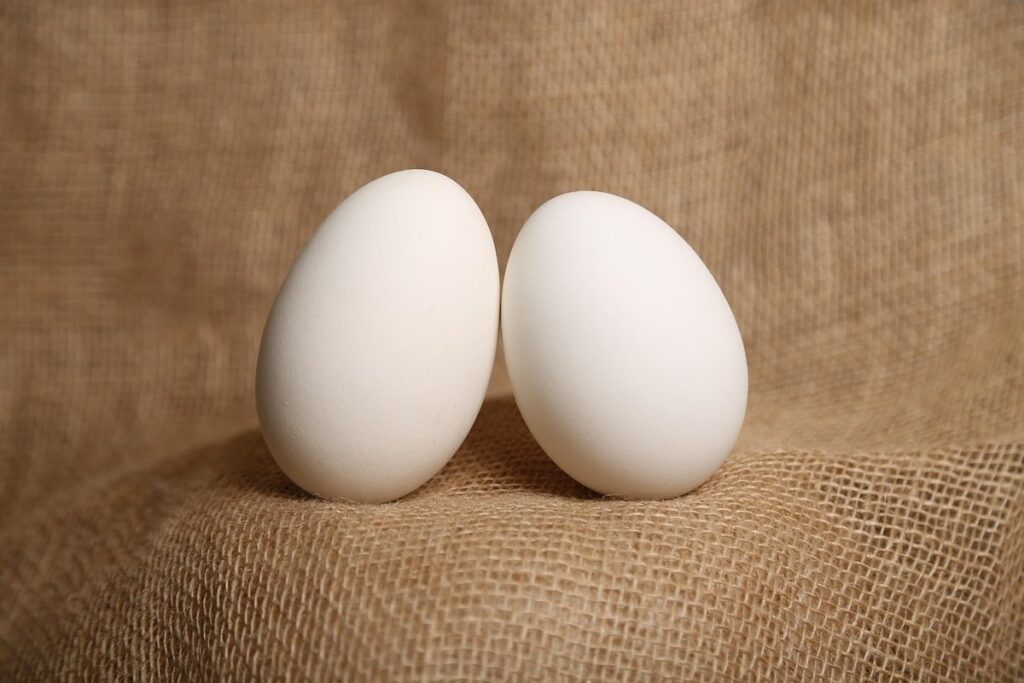
What Are Duck Eggs?
If you’re new to duck eggs, let’s start at the beginning: what exactly are they and how do they differ from chicken eggs. Here’s a crash course on these fascinating eggs!
Characteristics of Duck Eggs
When it comes to duck eggs, one of their most notable characteristics is their larger size compared to chicken eggs. On average, a duck egg can weigh up to 2 ounces more than a large chicken egg and have a diameter that’s around 1 inch greater. This increase in size is due to the fact that ducks require more nutrients and energy to produce an egg, which translates into a richer and more filling yolk.
Another characteristic of duck eggs is their thicker shell. The extra thickness provides an additional layer of protection for the delicate contents inside, making them less prone to cracking. However, this also means they can be more difficult to crack open with a regular eggcracker or even your bare hands.
One of the most significant advantages of duck eggs, in terms of nutrition, is their higher content of fat-soluble vitamins like A, D, E, and K. These essential nutrients are crucial for maintaining healthy skin, hair, and eyesight. For instance, vitamin D plays a vital role in calcium absorption, which is why it’s often recommended to take supplements during winter months when sunlight is scarce.
Nutritional Comparison with Chicken Eggs
When it comes to nutritional content, duck eggs often get compared to their more popular cousin – the chicken egg. While both are excellent sources of protein and essential nutrients, there are some notable differences between the two.
One key difference lies in their macronutrient profiles. A large duck egg typically contains around 10-15% more calories than a large chicken egg due to its larger size. However, the fat content is often higher in duck eggs, particularly saturated fats. On the other hand, duck eggs tend to have lower cholesterol levels compared to chicken eggs.
In terms of micronutrients, duck eggs are often richer in certain vitamins and minerals like vitamin B12, iron, and zinc. These nutrients are essential for maintaining healthy red blood cells, nerve function, and immune system function.
If you’re considering incorporating more duck eggs into your diet, it’s worth noting that the nutritional content can vary depending on factors such as breed, feed, and living conditions. To maximize the health benefits of duck eggs, look for products from pasture-raised or free-range ducks that are rich in omega-3 fatty acids and other beneficial compounds.
In summary, while both duck eggs and chicken eggs offer excellent nutritional value, there are some key differences worth considering when choosing between them. By understanding these differences, you can make more informed decisions about the types of eggs to include in your diet and recipes.
The Health Benefits of Duck Eggs
Duck eggs are a nutritional powerhouse, and research has uncovered some amazing health benefits associated with their consumption. Let’s dive into what makes duck eggs a healthy addition to your diet.
High-Quality Protein
When it comes to building muscle and recovering from intense workouts, protein is essential. And duck eggs are an excellent choice for athletes and bodybuilders due to their high-quality protein profile. A single large duck egg contains about 6-7 grams of protein, which is comparable to a large chicken egg.
What sets duck eggs apart, however, is the type of protein they contain. Duck eggs have a higher percentage of essential amino acids (EAAs) compared to chicken eggs. EAAs are the building blocks of protein that our bodies can’t produce on their own, so it’s crucial we get them through food sources. With a higher EAA profile, duck eggs can help promote muscle growth and repair more efficiently.
For example, a study published in the Journal of Applied Physiology found that athletes who consumed a high-quality protein source like egg white after exercise experienced improved muscle recovery and reduced muscle soreness compared to those who consumed a lower quality protein source. By incorporating duck eggs into your diet, you can take advantage of this same benefit and see noticeable improvements in your athletic performance.
Rich in Fatty Acids
Duck eggs are an excellent source of essential fatty acids (EFAs), which are vital for maintaining optimal health. Among the most beneficial EFAs found in duck eggs are omega-3 and omega-6 fatty acids. These polyunsaturated fats play a crucial role in reducing inflammation, improving heart health, and supporting brain function.
Consuming duck eggs provides you with an excellent ratio of omega-3 to omega-6 fatty acids. While traditional chicken eggs often have an imbalance of these fatty acids, duck eggs tend to be more balanced, making them a great choice for those seeking a healthier egg option. For instance, one large duck egg typically contains around 300 milligrams of omega-3s and 500 milligrams of omega-6s.
To incorporate duck eggs into your diet as a rich source of EFAs, consider adding them to salads or using them as an omelette filling. Simply replace chicken eggs with duck eggs in your favorite recipes for an instant boost of essential fatty acids. By making this simple switch, you can reap the benefits of reduced inflammation and improved overall well-being.
Preparing and Cooking Duck Eggs
Now that you’re familiar with the benefits of duck eggs, let’s dive into preparing and cooking them perfectly every time – whether boiled, poached, or scrambled.
Boiling and Poaching
Boiling duck eggs is a straightforward process that results in perfectly cooked, runny yolks and set whites. To begin, place the duck eggs in a single layer at the bottom of a saucepan or Dutch oven. Add enough cold water to cover the eggs by about an inch, then bring the water to a boil over high heat.
Once boiling, reduce the heat to a simmer and let cook for 6-7 minutes for large duck eggs. Use a timer to ensure you don’t overcook the eggs. After cooking, immediately transfer the eggs to a bowl of ice water to stop the cooking process.
Poaching duck eggs requires a bit more finesse, but with practice, it’s easy to achieve perfectly cooked results. To poach duck eggs, bring a large pot of water to a boil, then reduce the heat to a simmer. Crack an egg into a small bowl or ramekin and create a whirlpool in the water by stirring it with a spoon.
Gently pour the egg from the bowl into the center of the whirlpool and cook for 3-4 minutes, adjusting cooking time based on desired yolk doneness. Remove the poached duck eggs from the water with a slotted spoon and serve immediately.
Scrambled and Fried
When it comes to cooking duck eggs, many people worry about overcooking them, especially when scrambling or frying. However, with a few simple techniques and some attention to temperature control, you can preserve the nutritional value of these nutrient-rich eggs.
One key tip for scrambled duck eggs is to cook them over low heat, stirring constantly to prevent curds from forming too quickly. This will help break down the proteins more evenly, resulting in a tender and fluffy texture that’s similar to chicken eggs but with a richer flavor. Be patient – it may take a few extra minutes to get it right, but trust us, it’s worth it.
When frying duck eggs, temperature control is crucial. Aim for a medium heat, just below the sizzling point of oil or butter. This will help cook the whites gently while still crisping up the yolks to perfection. Use a thermometer to gauge the internal temperature – when it reaches 145°F (63°C), you’ll know they’re cooked just right.
By following these simple tips, you can enjoy scrambled and fried duck eggs that are both delicious and packed with nutrients. Remember, cooking duck eggs requires some finesse, but with practice, you’ll be a pro in no time!
Using Duck Eggs in Recipes
Now that you’re familiar with the nutritional benefits of duck eggs, let’s dive into some delicious recipes where they take center stage, elevating your dishes to new heights.
Breakfast Dishes
When it comes to starting your day off right, what better way to do so than with a delicious breakfast made with duck eggs? These large, creamy eggs are the perfect addition to omelets, frittatas, and pancakes. One of the most popular ways to enjoy duck eggs for breakfast is in an omelet. Simply beat the eggs with a fork until they’re lightly scrambled, then add diced veggies like bell peppers, onions, or mushrooms. You can also add shredded cheese, cooked meats, or fresh herbs to give it some extra flavor.
Another great option is to make a frittata. This Italian-style egg dish is essentially an omelet turned upside down – cook the eggs in a skillet with some oil until they’re almost set, then top with cheese and veggies and fold the edges of the eggs over the filling. Pancakes made with duck eggs are also a treat – simply substitute the regular eggs called for in your favorite pancake recipe with duck eggs for a richer, more tender result.
When making these breakfast dishes, keep in mind that duck eggs have a slightly thicker white and a deeper yellow yolk than chicken eggs. This gives them a richer flavor and creamier texture. Be sure to adjust the amount of liquid in your recipes accordingly to avoid ending up with a too-thick or too-runny batter.
Desserts and Baked Goods
When it comes to using duck eggs in sweet treats, the possibilities are endless. One of the main benefits of incorporating duck eggs into desserts like cheesecakes, cakes, and cookies is the added richness they bring to the table. The high fat content in duck eggs makes them an excellent choice for baked goods that require a moist and tender crumb.
In traditional European baking, duck eggs have been used for centuries to create rich and decadent pastries. For example, a classic French cheesecake recipe calls for duck eggs instead of regular eggs to give it an extra layer of depth and creaminess. Similarly, using duck eggs in cake recipes can result in a more tender and flavorful crumb.
To incorporate duck eggs into your sweet baked goods, simply substitute them 1:1 for regular eggs. However, keep in mind that the baking time may be slightly longer due to the higher fat content of the duck eggs. With a little experimentation and practice, you’ll find that duck eggs become an essential ingredient in your favorite dessert recipes, elevating them to new heights of richness and flavor.
Where to Buy Duck Eggs
If you’re excited to start using duck eggs in your cooking, we’ll show you where to buy them online and in-store, making it easy to get started. From specialty stores to online retailers, we’ve got you covered!
Local Farms and Markets
If you’re looking for fresh, high-quality duck eggs with unparalleled nutritional benefits, consider purchasing them from local farms or markets. Not only will you be supporting the local economy, but you’ll also have direct access to producers who prioritize sustainable and humane farming practices.
When searching for local farms or markets that sell duck eggs directly to consumers, look for the following characteristics: proximity to your location, online presence (social media, websites), and reviews from satisfied customers. Join local food cooperatives or participate in community-supported agriculture programs to connect with farmers who raise ducks on small-scale, family-owned operations.
Visit farmers’ markets during peak hours to interact with producers and ask questions about their duck egg production methods. Alternatively, explore online directories like Local Harvest or the USDA’s National Farmers Market Directory to find farms near you that sell duck eggs. When purchasing from local sources, always inspect the eggs for cleanliness, freshness, and proper handling practices to ensure a healthy product.
Online Retailers
If you’re unable to find duck egg suppliers locally or prefer the convenience of online shopping, several reputable online retailers ship duck eggs across the country. Some popular options include Burpee, The Egg & I, and Pleasant Hill Grain Company. When shopping online for duck eggs, it’s essential to consider factors such as shipping costs, delivery times, and the seller’s return policy.
When selecting an online retailer, check if they source their eggs from farms that prioritize animal welfare and sustainability. This information can usually be found on the website or through customer service. Burpee, for example, sources its duck eggs from a network of small-scale farmers committed to humane practices. Before placing your order, also verify that the seller offers pasteurized duck eggs if you’re concerned about salmonella.
By doing your research and choosing a reputable online retailer, you can enjoy high-quality duck eggs shipped right to your doorstep. Be sure to factor in any additional costs for shipping and handling when calculating the total cost of your purchase.
Conclusion: The Versatility of Duck Eggs
In conclusion, duck eggs are an incredibly versatile ingredient that deserves a spot in every kitchen. Whether you’re looking for a healthier alternative to traditional chicken eggs or simply want to mix things up with your cooking, duck eggs have got you covered. With their rich, creamy texture and nutty flavor, they add depth and complexity to everything from baked goods to savory dishes. Don’t be afraid to experiment with duck eggs in your favorite recipes – start by substituting them one-for-one for chicken eggs, or try adding them to omelets and frittatas for a protein-packed breakfast. You’ll soon discover that the possibilities are endless when it comes to cooking with these incredible eggs!
Frequently Asked Questions
Can I use duck eggs as a direct substitute for chicken eggs in recipes?
Yes, you can use duck eggs as a substitute for chicken eggs in most recipes, but keep in mind that the larger size and thicker shell may affect the texture and consistency of the final product. You may need to adjust cooking times and ingredient ratios accordingly.
How do I store duck eggs properly to maintain their freshness?
To store duck eggs, place them in a single layer on the bottom of a container or carton, making sure they’re not touching each other. Cover with a paper towel or cloth to prevent moisture buildup, and store in the refrigerator at a consistent temperature below 40°F (4°C). Use within 5-7 weeks for best flavor and quality.
Can I feed duck eggs to my family members who have egg allergies?
While duck eggs are similar to chicken eggs, some people with severe egg allergies may react differently to them. If your family member has a history of severe allergic reactions, consult their doctor or an allergist before introducing duck eggs into their diet. Even mild allergies can cause issues.
What’s the best way to cook duck eggs for beginners?
Boiling is a great starting point for cooking duck eggs, as it’s simple and requires minimal equipment. Place 1-2 duck eggs in a saucepan of cold water, cover with a lid, and bring to a boil. Reduce heat and simmer for 10-12 minutes, then rinse under cold water. Easy peasy!
Can I use duck eggs in place of chicken eggs in meringues and other egg-white-based desserts?
Duck eggs can be used in meringue recipes, but their thicker whites may affect the texture and stability of the final product. You may need to adjust sugar ratios or add stabilizers like cream of tartar to achieve the desired consistency. Experiment with small batches first to ensure success.