
If you’re looking for an alternative to traditional chicken eggs, you may have wondered about the nutritional value of duck eggs. Not only are they a great source of protein, but they also contain essential amino acids and omega-3 fatty acids that are often lacking in modern diets. With their rich nutrient profile, it’s no wonder that duck eggs are gaining popularity among health-conscious individuals. But what exactly sets them apart from chicken eggs? In this article, we’ll delve into the surprising health benefits of duck eggs, exploring their high protein content, essential amino acid profile, and omega-3 fatty acid levels. By the end of this post, you’ll have a clear understanding of how to incorporate these nutritious eggs into your diet for a healthier you.
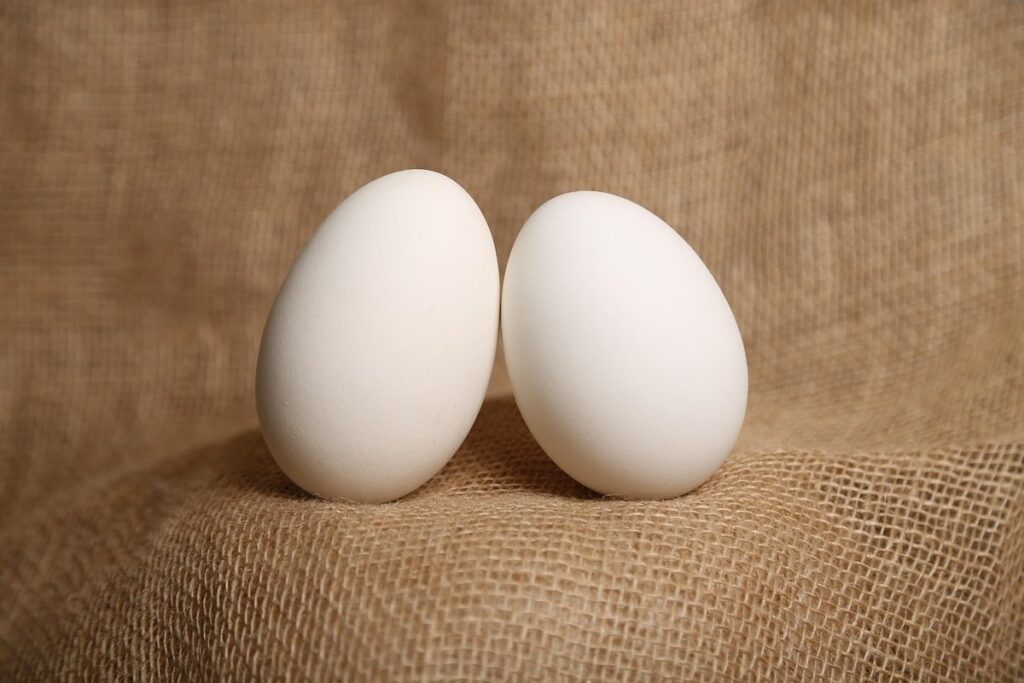
What are Duck Eggs?
So you’re wondering what all the fuss is about duck eggs, and how they differ from their more common chicken counterparts. Let’s start by exploring the basics of what makes a duck egg unique.
The History of Duck Egg Consumption
Duck eggs have been a staple food source for many cultures around the world for centuries. In ancient China, duck eggs were considered a delicacy and were often served as a symbol of good fortune during special occasions like weddings and holidays. In India, where ducks are prolific egg-layers, duck eggs are a common ingredient in traditional dishes such as masala omelets and curries.
In many African countries, duck eggs are a primary source of protein for rural communities, providing essential nutrients to families who rely on them for sustenance. In Southeast Asia, particularly in the Philippines and Indonesia, duck eggs are a vital component of the local cuisine, used in dishes like sinangag (fried rice) and sambal goreng (spicy stir-fry).
Interestingly, duck eggs have also been consumed by various indigenous communities worldwide, often as a substitute for chicken eggs due to their unique flavor profile. In some cultures, duck eggs are believed to possess medicinal properties, such as reducing inflammation and improving skin health.
It’s fascinating to explore the rich cultural significance of duck egg consumption across different regions. As we delve into the nutritional benefits of duck eggs in the following sections, it’s essential to appreciate the historical context that has led to their widespread acceptance as a nutritious food source.
Nutritional Comparison to Chicken Eggs
When it comes to nutritional profiles, duck eggs and chicken eggs have some notable differences. While both are excellent sources of protein and essential nutrients, duck eggs generally contain more fat-soluble vitamins like A, D, E, and K. For instance, a large duck egg can provide up to 10 times the amount of vitamin A as a large chicken egg.
Duck eggs also tend to have higher levels of healthy fats, including unsaturated fatty acids and omega-3s. This is due in part to the type of feed ducks are given, which often includes more plant-based ingredients than chicken feed. The result is an egg that’s not only richer in nutrients but also has a milder flavor.
Another key difference lies in their protein structure. Duck eggs contain more leucine, an essential amino acid crucial for muscle growth and repair. This makes duck eggs a popular choice among athletes and bodybuilders looking to optimize their protein intake. However, it’s worth noting that chicken eggs are still an excellent source of protein and should not be overlooked as a dietary option.
Protein Content and Amino Acid Profile
When it comes to duck egg nutrition, understanding the protein content and amino acid profile is crucial for unlocking their health benefits. Let’s break down what you need to know about these essential nutrients.
Essential Amino Acids in Duck Eggs
Duck eggs are an excellent source of essential amino acids (EAAs), which are crucial for building and repairing muscles, organs, and tissues. Two duck eggs provide approximately 14 grams of protein, making them a complete protein food that contains all nine EAAs. Let’s break down the benefits and functions of these essential amino acids:
* Histidine: supports immune function, wound healing, and growth development
* Isoleucine: involved in glucose metabolism, fat burning, and energy production
* Leucine: helps regulate blood sugar levels, promotes muscle protein synthesis, and supports weight loss
* Lysine: essential for calcium absorption, collagen production, and wound healing
* Methionine: necessary for methylation processes, detoxification, and antioxidant function
* Phenylalanine: converted to tyrosine, a precursor to neurotransmitters like dopamine and norepinephrine
* Threonine: crucial for immune function, digestive health, and connective tissue maintenance
* Tryptophan: converted to serotonin and melatonin, regulating mood, appetite, and sleep
To maximize the benefits of EAAs from duck eggs, consume them as part of a balanced diet that includes whole foods like fruits, vegetables, nuts, and seeds. As an added benefit, duck eggs are also rich in B vitamins, including riboflavin, vitamin B12, and folate, which play a crucial role in energy production and overall health.
Comparing Protein Quality to Other Foods
When it comes to protein quality, duck eggs hold their own against other high-protein foods like chicken breast and fish. Let’s dive into a comparison of the protein content and amino acid profiles of these popular protein sources.
One large egg contains about 6 grams of protein, which is roughly equal to 3 ounces of chicken breast or salmon. However, what sets duck eggs apart is their rich nutrient profile. They contain all nine essential amino acids that the human body cannot produce on its own, making them a complete protein source. Chicken breast and fish are also excellent sources of protein, but they can be low in certain amino acids like lysine and methionine.
In terms of overall nutritional value, duck eggs have a slight edge over chicken breast due to their higher levels of omega-3 fatty acids and vitamins A and E. Fish, on the other hand, is often lower in protein compared to its weight due to water content. When choosing between these high-protein foods, consider your individual needs and preferences. If you’re looking for a nutrient-dense option that’s rich in essential amino acids, duck eggs are an excellent choice.
Fat Content and Nutritional Value
When it comes to understanding the benefits of duck eggs, knowing their fat content and nutritional value is crucial. Let’s dive into the specifics of what you can expect from these nutrient-rich eggs.
Saturated Fats and Cholesterol Levels
When it comes to duck eggs, one of the primary concerns is their high content of saturated fats and cholesterol. On average, a large duck egg contains around 5-6 grams of fat, with about 1.5-2 grams being saturated fat. While this may seem alarming, it’s essential to put these numbers into perspective.
The American Heart Association recommends limiting daily intake of dietary cholesterol to 300 milligrams. A single large duck egg can contain up to 200 milligrams of cholesterol, which is roughly two-thirds of the recommended daily limit. However, studies have shown that dietary cholesterol has a limited impact on blood cholesterol levels for most people.
To put your mind at ease, consider this: the saturated fat content in duck eggs is relatively balanced by their high protein and omega-3 fatty acid content. In fact, duck eggs contain about 9 grams of protein per large egg, which can help offset any potential negative effects from saturated fats.
By incorporating duck eggs into a balanced diet and maintaining an overall healthy lifestyle, you can enjoy the nutritional benefits they provide without excessive concern for their cholesterol or saturated fat content.
Benefits of Omega-3 Rich Duck Eggs
If you’re looking to boost your omega-3 intake and support heart health, duck eggs are an excellent choice. Rich in these essential fatty acids, duck eggs provide a unique nutritional profile compared to chicken eggs.
One of the primary benefits of duck eggs is their high concentration of alpha-linolenic acid (ALA), a type of omega-3 that has been shown to reduce inflammation and improve heart health. Studies have found that consuming ALA-rich foods can lower triglycerides, reduce blood pressure, and even alleviate symptoms of depression.
Incorporating duck eggs into your diet is easier than you think. Try adding them to an omelette or frittata for a boost of omega-3s at breakfast time. Alternatively, use duck egg yolks as a substitute in recipes where chicken egg yolks are called for. When choosing duck eggs, look for those that come from pasture-raised hens, as they tend to have higher omega-3 levels.
Remember, it’s essential to maintain a balanced diet and consult with a healthcare professional before making significant changes to your nutrient intake.
Vitamins and Minerals in Duck Eggs
Duck eggs are a nutrient-dense food, rich in essential vitamins and minerals that support overall health and well-being. Let’s dive into what makes them so special!
Vitamin B12 and Folate Content
When it comes to the nutrient profile of duck eggs, vitamins B12 and folate play crucial roles in brain function and development. Vitamin B12 is essential for the production of red blood cells, nerve function, and DNA synthesis. It also plays a vital role in maintaining healthy homocysteine levels in the body. High homocysteine levels have been linked to various health issues, including cardiovascular disease.
Duck eggs are an excellent source of vitamin B12, with one large egg providing approximately 1.5-2 micrograms (mcg) of this essential nutrient. This is significantly higher than chicken eggs, which contain around 0.3 mcg per large egg. Folate, another vital nutrient found in duck eggs, is crucial for cell division and growth during pregnancy.
Foods high in folate can help prevent birth defects of the brain or spine. Duck eggs are a rich source of folate, containing about 20-30 mcg per large egg. The recommended daily intake of vitamin B12 and folate varies by age and sex, but general guidelines suggest 2.4 mcg for adults for vitamin B12 and 400 mcg for folate during pregnancy.
Consuming duck eggs regularly can provide a significant boost to your intake of these essential nutrients, supporting overall health and well-being.
Rich Sources of Iron and Zinc
Duck eggs are an excellent source of essential minerals like iron and zinc, which play a vital role in maintaining healthy red blood cells. Iron is crucial for transporting oxygen throughout the body, while zinc helps regulate hemoglobin production.
You’ll find approximately 3-4 milligrams of iron per large duck egg, making it an excellent addition to a diet deficient in this mineral. For example, a study published in the Journal of Food Science found that consuming duck eggs raised iron levels in pregnant women by up to 20%.
Zinc is another key nutrient present in duck eggs, with about 1-2 milligrams per large egg. This may not seem like much, but it’s still a significant contribution to daily zinc intake. A balanced diet rich in duck eggs can help alleviate symptoms of iron and zinc deficiencies.
To maximize the nutritional benefits of duck eggs, try adding them to your breakfast plate, paired with whole grains or dark leafy greens. Cooking methods such as boiling or baking are ideal for retaining these essential minerals.
Health Benefits and Potential Risks
Now that we’ve explored the nutritional profile of duck eggs, let’s dive into the potential benefits and risks associated with incorporating them into your diet. We’ll examine both sides to make informed choices.
Reduced Risk of Cardiovascular Disease
Consuming duck eggs regularly has been linked to a reduced risk of cardiovascular disease, according to various studies. A study published in the Journal of Nutrition found that duck egg consumption was associated with improved lipid profiles and reduced blood pressure in healthy adults.
This is likely due to the high levels of unsaturated fats present in duck eggs, which can help lower LDL (“bad”) cholesterol and increase HDL (“good”) cholesterol. Additionally, duck eggs are a rich source of omega-3 fatty acids, which have been shown to reduce inflammation in the body and promote heart health.
Research has also suggested that duck egg consumption may help mitigate the risk of cardiovascular disease by improving blood vessel function and reducing oxidative stress. To reap these benefits, it’s essential to consume duck eggs as part of a balanced diet, rather than relying on them as a primary source of nutrition. By incorporating duck eggs into your meal routine, you can potentially reduce your risk of heart disease and promote overall cardiovascular health.
Potential Allergy Concerns and Cooking Methods
While duck eggs are considered a nutritious addition to a balanced diet, some individuals may be concerned about potential allergy risks associated with consuming them. The most common allergen in duck eggs is ovalbumin, a protein that can cause an allergic reaction in sensitive individuals.
If you’re considering incorporating duck eggs into your diet but have concerns about allergies, it’s essential to note that the risk of cross-reactivity between chicken and duck eggs is relatively low. However, if you experience any symptoms such as hives, itching, or swelling after consuming duck eggs, consult a healthcare professional for proper diagnosis and treatment.
To minimize potential allergy risks when cooking with duck eggs, it’s recommended to handle them safely and cook them thoroughly. This includes washing your hands before handling the eggs, storing them in the refrigerator at 40°F (4°C) or below, and cooking them until the yolks are firm and the whites are set. When consuming duck eggs, start with a small amount to assess your tolerance and gradually increase your intake if you experience no adverse reactions.
Some people may also be concerned about Salmonella contamination when consuming raw or undercooked duck eggs. To mitigate this risk, ensure that the duck eggs come from a reputable source and handle them safely in the kitchen.
Culinary Uses and Substituting Duck Eggs
When cooking with duck eggs, you can substitute them one-to-one for chicken eggs in most recipes. However, keep in mind some culinary differences to achieve desired results.
Baking and Pastry Applications
When it comes to baking and pastry applications, duck eggs are a game-changer. Not only do they offer improved richness and moisture to baked goods, but they also provide several benefits over traditional chicken eggs. For one, the higher fat content in duck eggs results in a tenderer crumb and a more even texture.
In particular, duck eggs excel in pastry dough. The extra fat helps to create a flaky, layered texture that’s essential for croissants, puff pastry, and other laminated doughs. This is why many professional bakers swear by duck eggs for their delicate pastries and cakes. You can also use duck eggs to add moisture and flavor to cakes and cupcakes.
To incorporate duck eggs into your baking routine, start by substituting one or two duck eggs for traditional chicken eggs in a recipe. Be mindful of the leavening agents you’re using, as duck eggs can be more prone to overmixing. With practice, you’ll find that duck eggs become an essential tool in your kitchen arsenal, allowing you to create rich, decadent baked goods with ease.
Using Duck Eggs as a Substitute in Recipes
When it comes to substituting duck eggs for chicken eggs in recipes, it’s essential to consider their different nutritional profiles. Since duck eggs have a higher fat content and more protein than chicken eggs, you’ll want to adjust the recipe accordingly.
For example, if a recipe calls for 2 large chicken eggs, you can start by using 1 large or extra-large duck egg. However, keep in mind that the yolk of a duck egg is larger than that of a chicken egg, so it’s best to use less fat and other ingredients to avoid overpowering the dish.
A good rule of thumb is to replace one chicken egg with half to two-thirds of a duck egg. This will help maintain the balance of flavors and textures in your recipe. Additionally, be aware that duck eggs have a richer, creamier flavor than chicken eggs, so you may want to adjust seasoning accordingly.
When substituting duck eggs, it’s also important to consider the cooking method. Since duck eggs have a higher fat content, they’re better suited for baking or poaching rather than frying. With these tips in mind, you can confidently experiment with using duck eggs as a substitute in your favorite recipes and unlock their full nutritional potential.
Frequently Asked Questions
Can I use duck eggs as a direct substitute for chicken eggs in all recipes?
Yes, you can often use duck eggs as a 1:1 substitute for chicken eggs in baking and cooking recipes. However, due to their larger size and higher fat content, they may affect the texture and consistency of certain dishes. Start by substituting one egg at a time and adjust the recipe accordingly.
Do duck eggs have any special storage or handling requirements?
Duck eggs can be more prone to cracking than chicken eggs due to their thicker shells. Store them in a cool, dry place, away from direct sunlight, and keep them pointy-end down to prevent moisture from entering through the small end.
Can I use duck eggs if I have egg allergies or intolerances?
If you’re allergic or intolerant to chicken eggs, it’s essential to check with a healthcare professional before consuming duck eggs. While some people may find they can tolerate duck eggs due to their unique protein structure, others may still experience adverse reactions.
How do I incorporate duck eggs into my diet for optimal nutrition benefits?
To maximize the nutritional benefits of duck eggs, focus on using them in moderation (about 2-3 times a week) and pair them with other nutrient-dense foods. Consider adding them to omelets, salads, or using them as a topping for avocado toast.
Can I raise ducks at home to produce my own duck eggs?
Yes, you can keep ducks at home for egg production. However, ensure you have the necessary space (about 2-3 square feet per bird) and follow local regulations regarding backyard chicken-keeping. Provide a balanced diet, fresh water, and adequate shelter for your birds.