
If you’re looking for a nutritious food to boost your health, consider giving duck eggs a try. These sustainable superfoods are packed with essential nutrients like protein, omega-3 fatty acids, and antioxidants that can have a significant impact on our well-being. From improved brain function to enhanced eye health, the benefits of incorporating duck eggs into your diet are numerous.
But what makes duck eggs so special? Not only do they offer an impressive nutritional profile, but they’re also an environmentally friendly choice compared to traditional chicken eggs. As we become increasingly aware of the importance of sustainable living, it’s essential to explore alternatives that align with our values. In this article, we’ll dive into the world of duck egg nutrition information, exploring their benefits and how you can easily incorporate them into your daily meals.
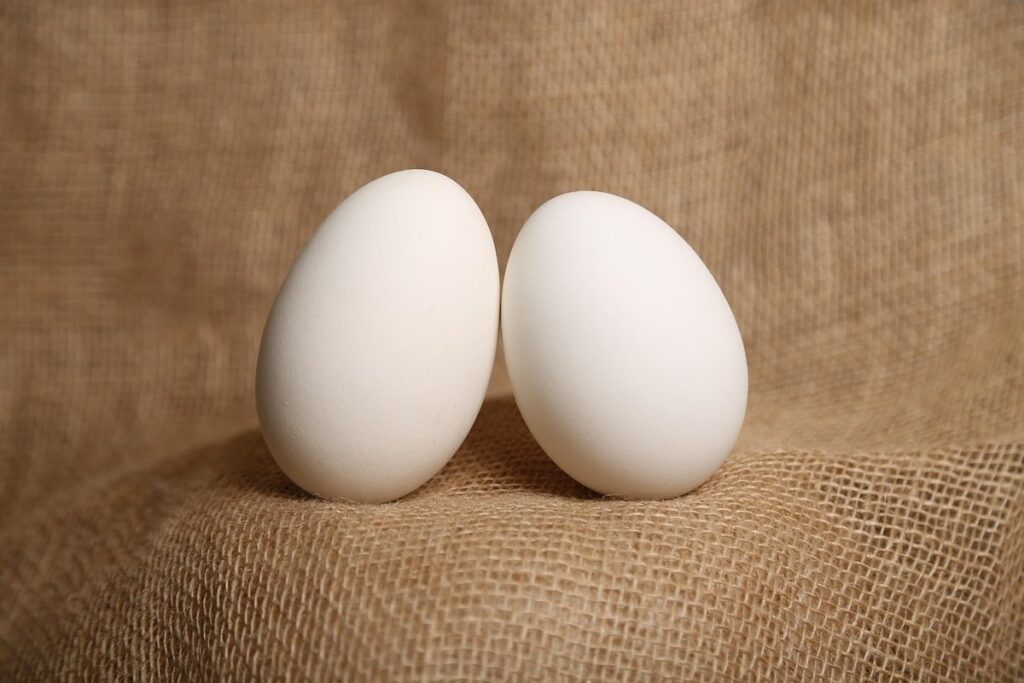
Introduction to Duck Eggs
Let’s start by understanding what makes duck eggs a unique and nutritious food source, as well as their benefits for our health. In this section, we’ll delve into the details of duck egg nutrition.
History and Cultural Significance of Duck Eggs
Duck eggs have been an integral part of various cultures worldwide for centuries. In many Asian countries, such as China and Thailand, duck eggs are a staple ingredient used extensively in traditional cooking. For instance, the famous Thai omelette dish, “Kai Jeow”, is made with duck eggs instead of chicken eggs. Similarly, in some parts of Europe, like France and Italy, duck eggs have been prized for their rich flavor and versatility.
Historically, duck eggs served as a sustainable protein source during times of scarcity or famine. The high nutritional content of duck eggs, including higher levels of iron, zinc, and omega-3 fatty acids compared to chicken eggs, made them an attractive option. In many rural communities, ducks were considered a vital part of the farm due to their ability to forage for food and provide consistent egg production.
Today, duck eggs are gaining popularity worldwide as a sustainable alternative to traditional egg sources. With increasing concerns about food security and environmental sustainability, duck eggs offer a viable solution. Whether you’re a seasoned chef or an adventurous home cook, incorporating duck eggs into your diet can be a simple yet impactful way to make a positive impact on the environment while enjoying a rich source of nutrients.
Comparison with Chicken Eggs
When it comes to nutritional profiles, duck eggs often have a distinct edge over their chicken counterparts. One notable difference is in fat content – duck eggs typically contain around 10-15% more fat than chicken eggs. However, this doesn’t necessarily translate to an increased risk of heart disease or obesity. In fact, the fats present in duck eggs are predominantly unsaturated, making them a potentially healthier option for those looking to reduce their saturated fat intake.
Another key area where duck eggs stand out is in protein quality. Duck egg yolks contain more omega-3 fatty acids and vitamins A, D, E, and K than chicken egg yolks. This makes duck eggs an attractive choice for individuals seeking to boost their intake of essential nutrients.
It’s worth noting that some nutritional differences can be attributed to the ducks’ natural diet – grass-fed or pasture-raised ducks tend to produce more nutrient-dense eggs compared to factory-farmed chickens. When selecting duck eggs, look for producers who prioritize sustainable and humane farming practices to reap the most nutritional benefits.
Nutritional Profile of Duck Eggs
Let’s dive into the nutritional profile of duck eggs, which boasts impressive amounts of protein, vitamins, and minerals that make them a powerhouse for overall health. You’ll be surprised by their rich nutrient content!
Macronutrient Breakdown: Protein, Fat, and Carbohydrates
When it comes to macronutrient breakdown, duck eggs stand out for their exceptional quality and balance. One large duck egg typically contains around 6-7 grams of high-quality protein, which is about 10% more than a comparable-sized chicken egg. This protein is rich in essential amino acids like lysine, methionine, and cysteine, making it an excellent choice for muscle growth and repair.
In terms of fat content, duck eggs are significantly higher in healthy fats compared to chicken eggs, with around 5-6 grams per large egg. The fatty acid profile is also notable, featuring a high proportion of monounsaturated and saturated fats, which can help lower cholesterol levels and provide sustained energy. On the other hand, carbohydrate content is minimal, typically ranging from 0.5-1 gram per large duck egg.
This unique macronutrient balance makes duck eggs an attractive option for those following low-carb or high-protein diets. When incorporating duck eggs into your diet, aim to pair them with complex carbohydrates like whole grains or vegetables to create a balanced meal. For instance, try scrambling duck eggs with spinach and avocado for a nutrient-dense breakfast.
Micronutrients and Vitamins in Duck Eggs
Duck eggs are an excellent source of essential vitamins and minerals, making them a nutrient-dense addition to a balanced diet. For instance, vitamin D is crucial for bone health, immune function, and even mood regulation. Duck eggs contain significant amounts of vitamin D, with a large egg providing about 10-15% of the recommended daily intake.
Other vital vitamins present in duck eggs include A (important for vision, immune system, and skin health), E (acts as an antioxidant to protect cells from damage), and K (necessary for blood clotting). Additionally, duck eggs are rich in minerals such as iron (crucial for healthy red blood cells) and zinc (involved in wound healing and immune function).
Selenium, a trace mineral found in duck eggs, plays a key role in protecting the body against oxidative stress. With its high nutritional value, incorporating duck eggs into your diet can have numerous health benefits. However, it’s essential to consume them in moderation due to their relatively high calorie content. By adding duck eggs to your meals, you’re not only getting more protein but also a boost of vital vitamins and minerals that support overall well-being.
Health Benefits of Consuming Duck Eggs
While duck eggs are often associated with high cholesterol, research has shown that they can actually have several health benefits when consumed as part of a balanced diet. In this section, we’ll dive into some of the key advantages of incorporating duck eggs into your meals.
Brain Function and Cognitive Performance
Research has consistently shown that duck eggs are an excellent food source for supporting brain function and cognitive performance. One of the primary reasons is due to their rich content of choline, a nutrient essential for producing acetylcholine – a neurotransmitter that plays a key role in memory formation and consolidation.
Omega-3 fatty acids found in duck eggs have also been linked to improved cognitive function. These healthy fats support brain cell membrane integrity, which is critical for maintaining proper communication between neurons. Antioxidants present in duck eggs further contribute to brain health by neutralizing free radicals that can damage brain cells.
Eating a single duck egg per day can provide an adequate amount of choline and omega-3 fatty acids to support cognitive performance. For instance, consuming one duck egg daily for several weeks has been shown to improve memory, attention, and processing speed in some studies. To maximize the brain-boosting potential of duck eggs, pair them with other nutrient-dense foods like leafy greens or nuts that provide a rich source of antioxidants.
Eye Health and Vision Support
When it comes to maintaining optimal eye health and vision support, duck eggs prove to be an excellent dietary addition. Rich in nutrients like lutein and zeaxanthin, these superfoods provide a shield against age-related macular degeneration (AMD) and other ocular disorders.
Lutein and zeaxanthin are crucial carotenoids that filter blue light and neutralize free radicals, protecting the delicate tissues of the eyes. Studies have shown that consuming foods rich in these nutrients can significantly reduce the risk of AMD by 35-45%*. In fact, a study published in the Journal of Nutrition found that individuals with higher lutein levels had a lower risk of developing AMD.
To reap the eye health benefits of duck eggs, consume them frequently as part of a balanced diet. For example, try adding a few duck egg yolks to your morning omelette or using them as an ingredient in baked goods. Aim for 1-2 duck egg yolks per day to meet your daily lutein and zeaxanthin requirements. By incorporating duck eggs into your meal plan, you’ll not only support eye health but also contribute to a sustainable food choice.
Environmental Sustainability and Food Security Aspects of Duck Eggs
As we delve into the nutritional benefits of duck eggs, let’s explore how these sustainable superfoods also play a crucial role in promoting environmental sustainability and food security.
Comparison with Chicken Egg Production
When it comes to environmental sustainability and food security, duck egg production has often been compared to its more conventional counterpart: chicken egg production. While both types of eggs are a staple in many households, the way they’re produced has significant implications for our planet’s resources.
One key area where duck eggs stand out is their feed requirements. Unlike chickens, ducks can thrive on a diet rich in insects and aquatic plants, reducing the need for resource-intensive commercial feed. In fact, studies have shown that ducks require up to 30% less protein in their diet compared to chickens. This not only saves water but also reduces greenhouse gas emissions from feed production.
Another advantage of duck egg production is its land use efficiency. Ducks are naturally omnivores and can forage on diverse landscapes, making them a great option for small-scale farmers with limited space. According to the FAO, ducks require approximately 2-3 square meters per bird compared to chickens’ 4-5 square meters. This compact footprint allows duck farming to coexist with other agricultural practices, promoting agroecological diversity and soil health.
When comparing water consumption, duck egg production comes out on top. Ducks use significantly less water than chickens, especially in arid regions where water is scarce. For instance, a study conducted in Australia found that ducks required only 3-4 liters of water per bird per day compared to chickens’ 5-6 liters.
By embracing duck egg production, we can reduce our environmental footprint while still enjoying the nutritional benefits of eggs. So why not give duck eggs a try? By supporting sustainable agriculture and choosing duck eggs over their chicken counterparts, you’ll be contributing to a healthier planet for generations to come!
Potential for Increased Food Security through Duck Eggs
Incorporating duck eggs into local diets can have a profound impact on food security. One of the primary concerns surrounding global food systems is the reliance on resource-intensive animal agriculture practices that contribute significantly to greenhouse gas emissions and deforestation. Duck egg production, on the other hand, requires less land, water, and feed compared to chicken or cattle farming, making it an attractive alternative.
By promoting duck egg consumption, communities can reduce their dependence on unsustainable protein sources, thus enhancing food security. For instance, in many parts of Asia, duck eggs are already a staple in local diets, providing a readily available source of protein for millions of people. To unlock the potential of duck eggs as a sustainable superfood, consider the following strategies: explore local markets or farmers’ cooperatives that sell duck eggs directly to consumers; integrate duck egg production into community-supported agriculture (CSA) programs; and encourage small-scale farmers to diversify their livestock operations by raising ducks for egg production. By doing so, individuals can contribute to a more sustainable food system while enjoying the numerous health benefits associated with duck egg consumption.
Culinary Uses and Preparation Methods for Duck Eggs
Duck eggs can be a versatile ingredient, and learning how to prepare them is just as important as understanding their nutritional benefits. From poaching to baking, let’s dive into some creative uses for these superfoods.
Cooking Techniques for Duck Eggs
Cooking duck eggs is an art that requires some finesse, but don’t worry, we’ve got you covered. Whether you’re a seasoned chef or a curious home cook, learning the best ways to prepare duck eggs will elevate your culinary game and showcase their rich flavors.
Boiling is one of the simplest methods for cooking duck eggs. To do this, place 1-2 duck eggs in a saucepan filled with cold water, making sure they’re fully submerged. Bring the water to a boil, then reduce heat to a simmer for 10-12 minutes for large duck eggs. For smaller sizes, adjust the cooking time accordingly.
When it comes to frying, you can treat duck eggs just like chicken eggs – scrambled, over easy, or made into an omelette. However, keep in mind that duck eggs have a slightly higher fat content, which makes them more prone to breaking. To mitigate this risk, use a non-stick pan and cook at a lower heat.
Poaching is another great method for showcasing the rich texture of duck eggs. Bring water to a boil, then reduce it to a simmer. Crack an egg into a small bowl or ramekin first, creating a whirlpool in the water with a spoon before gently pouring the egg into it. Cook for 3-5 minutes, depending on desired doneness.
When making sweet treats like cakes and cookies, you can replace chicken eggs with duck eggs at a 1:1 ratio. This will add an extra layer of richness and moisture to your baked goods. Just be aware that duck eggs have a slightly larger size range than chicken eggs, so adjust the recipe accordingly.
In savory dishes, try using duck egg yolks as a substitute for mayonnaise or aioli – their creamy texture makes them perfect for dressing salads or pasta dishes. You can also use whole duck eggs in dishes like stews and braises, where they’ll absorb flavors beautifully.
When cooking duck eggs, remember that the size and age of the eggs will affect their cooking time. Younger eggs with smaller yolks will cook faster than older eggs with larger yolks.
Recipe Ideas and Menus Featuring Duck Eggs
Duck eggs are an incredibly versatile ingredient that can add richness and depth to a wide range of dishes. One of the most exciting aspects of cooking with duck eggs is the endless possibilities for creative recipe ideas.
In traditional Asian cuisine, duck eggs are often used in omelets and stir-fries, but they’re also a staple in modern fusion recipes. Try making a Korean-style bibimbap with a fried duck egg on top, or add sliced duck eggs to your favorite stir-fry for an extra boost of protein and flavor.
For a more innovative approach, consider using duck eggs as a base for creamy sauces and dips. For example, puree cooked duck eggs with garlic, lemon juice, and olive oil to create a rich and tangy aioli that’s perfect for dipping vegetables or crackers.
In many parts of the world, including Europe and Latin America, duck eggs are used in baked goods like cakes, cookies, and tortillas. Experiment with using duck egg yolks to add moisture and richness to your favorite recipes.
Some other fun ideas include making deviled duck eggs as a snack or appetizer, using duck eggs in quiches and frittatas, or even pickling the yolks for a tangy topping for salads.
Frequently Asked Questions
Can I replace all my chicken eggs with duck eggs, or is it better to start with a mix?
When transitioning to duck egg consumption, it’s recommended to gradually introduce them into your diet to allow your body to adjust. Start by replacing 25-50% of your daily egg intake with duck eggs and monitor how you feel before increasing the ratio.
Are duck eggs suitable for people with allergies or intolerances?
Duck eggs can be a good alternative for individuals who are lactose intolerant, as they have a different protein structure compared to chicken eggs. However, it’s essential to consult a healthcare professional if you’re considering duck eggs as an allergy substitute.
How do I store and handle duck eggs safely to prevent spoilage?
Duck eggs should be stored in the refrigerator at a consistent temperature below 40°F (4°C). Handle them gently to avoid cracking and make sure they are clean before consuming. Always check for any visible signs of spoilage before cooking or eating.
Can I use duck eggs as a substitute in recipes where chicken eggs are called for?
While duck eggs can be used interchangeably with chicken eggs in many recipes, their richer flavor and higher fat content may affect the final product’s texture and taste. Start by substituting 1:1 in simple recipes and adjust to taste.
Do duck eggs have any specific cooking techniques that I should follow to maximize their nutritional benefits?
Duck eggs are best cooked at a medium-low heat to prevent the formation of advanced glycation end-products (AGEs). Cooking methods like poaching, steaming, or baking can help retain their nutrient profile. Avoid overcooking, as this may lead to a loss of omega-3 fatty acids and other essential nutrients.