
Are you aware that duck eggs can be an excellent addition to your diet, packed with high-quality protein and essential micronutrients? While some may still have concerns about cholesterol levels, research suggests that these nutritious eggs are a great choice for those looking to boost their overall health. But what exactly makes duck eggs so special, and how can you incorporate them into a balanced diet? In this article, we’ll explore the surprising health benefits of duck eggs, address common concerns, and provide tips on how to use them in your daily meals. From breakfast omelets to baking recipes, we’ll dive into the world of duck egg nutrition and show you why these incredible eggs are worth getting to know. So, let’s crack open the truth about duck eggs and discover their potential for good health!
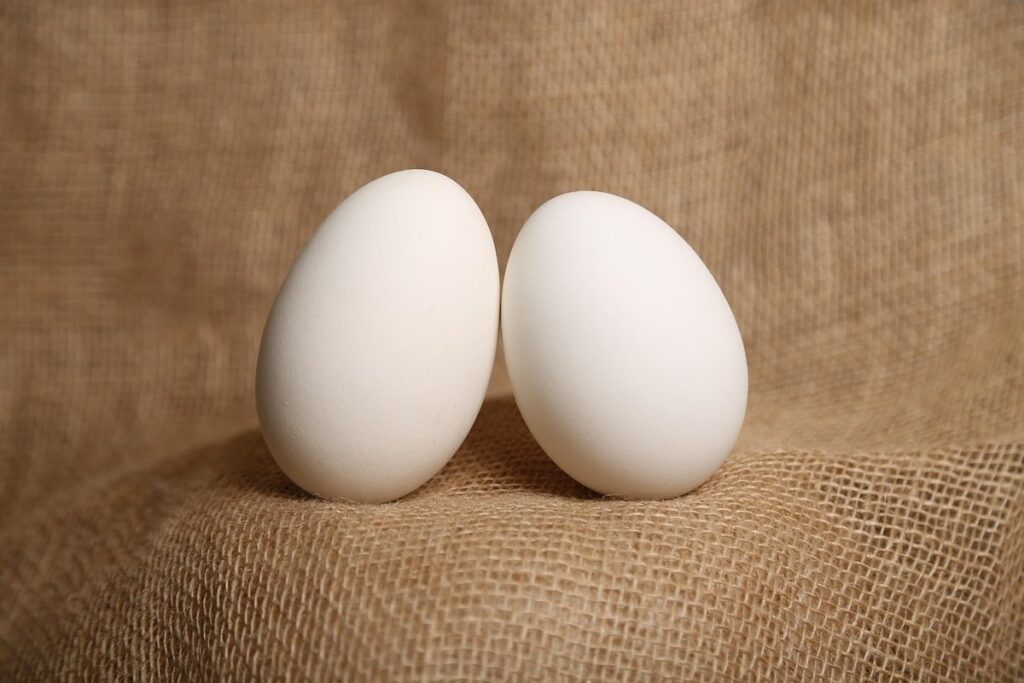
The Benefits of Duck Eggs
Now that we’ve explored the nutritional profile of duck eggs, let’s dive into the benefits you can expect from incorporating them into your diet. From improved heart health to enhanced energy levels, the advantages are numerous.
High-Quality Protein Content
When it comes to protein content, duck eggs are a nutritional powerhouse. They contain an impressive 12-14 grams of high-quality protein per large egg, making them one of the richest sources of protein among all types of eggs.
This high protein content is particularly beneficial for muscle growth and repair. According to a study published in the Journal of Agricultural and Food Chemistry, duck egg protein has been shown to be more effective at stimulating muscle protein synthesis than chicken egg protein (1). This means that duck eggs can help to promote muscle growth and repair, making them an excellent choice for athletes and bodybuilders.
In addition to their high protein content, duck eggs are also rich in essential amino acids, such as arginine and glutamine, which play a crucial role in muscle function and recovery. By incorporating duck eggs into your diet, you can support your overall health and fitness goals.
If you’re looking to boost the protein content of your meals, try adding duck egg whites or whole eggs to your omelets, scrambles, or frittatas. You can also use them as a substitute for chicken eggs in baked goods and other recipes. With their impressive nutritional profile and versatility in the kitchen, it’s no wonder that duck eggs are becoming increasingly popular among health-conscious foodies and fitness enthusiasts alike.
A 1-ounce serving of duck egg contains about 6 grams of protein, making them an ideal addition to smoothies, protein shakes, or post-workout snacks. By harnessing the power of duck eggs, you can take your fitness goals to the next level while enjoying a delicious and nutritious food.
Rich in Micronutrients and Vitamins
Duck eggs are an excellent source of various micronutrients and vitamins that can be beneficial for our overall health. One of the key advantages of duck eggs is their rich content of vitamin B12, which plays a crucial role in the production of red blood cells and nerve function. In fact, one large duck egg can provide up to 10% of the recommended daily intake of vitamin B12.
In addition to vitamin B12, duck eggs are also an excellent source of iron and zinc, two essential minerals that help maintain healthy red blood cells and support immune function. According to the United States Department of Agriculture (USDA), a large duck egg contains around 1.6 milligrams of iron and 2.5 milligrams of zinc per serving.
To maximize the nutritional benefits of duck eggs, it’s essential to consume them as part of a balanced diet that includes other nutrient-dense foods. Try incorporating duck eggs into your breakfast routine by scrambling or frying them with spinach and whole-grain toast for a nutritious and filling meal.
Nutritional Comparison to Chicken Eggs
Let’s take a closer look at how duck eggs compare to chicken eggs when it comes to nutritional value, and what surprises you might find. We’ll dive into the key differences between these two popular egg options.
Similarities and Differences
When it comes to nutritional comparisons between duck eggs and chicken eggs, there are both similarities and key variations. One of the primary similarities is that both types of eggs are excellent sources of high-quality protein, vitamins D, B12, and riboflavin.
However, some notable differences exist in their macronutrient profiles. Duck eggs generally have a slightly higher fat content compared to chicken eggs, with an average composition of approximately 7-8 grams of fat per large egg versus around 5-6 grams found in a large chicken egg. This increased fat content is also reflected in duck eggs’ higher energy density, with about 140 calories per large duck egg as opposed to the roughly 90 calories in a large chicken egg.
Another notable distinction lies in their cholesterol levels: duck eggs tend to have slightly lower cholesterol counts than chicken eggs, likely due to differences in their dietary habits and living conditions.
Fat Content and Cholesterol Levels
When it comes to fat content and cholesterol levels, duck eggs are often misunderstood. One of the most significant differences between duck eggs and chicken eggs is their fat profile. Duck eggs contain more fat than chicken eggs, particularly unsaturated fats like omega-3 fatty acids and monounsaturated fats. In fact, a large duck egg can have up to 5 grams of fat compared to around 4 grams in a large chicken egg.
From a cholesterol perspective, duck eggs also have a higher concentration of cholesterol – approximately 186 milligrams per large egg, whereas chicken eggs contain around 164 milligrams. While it’s true that high cholesterol levels can contribute to heart disease, the impact of dietary cholesterol is often overstated. The American Heart Association recommends limiting dietary cholesterol intake to 300 milligrams per day, but most people get far more from saturated fats and processed foods.
To put this into perspective, consider that a duck egg contains less than half the amount of cholesterol found in a single serving of bacon. If you’re concerned about fat and cholesterol content, focus on balanced portion sizes and overall dietary habits rather than fixating on individual food items.
Vitamin and Mineral Content of Duck Eggs
Duck eggs are a rich source of essential vitamins and minerals, including vitamin A, vitamin E, calcium, iron, and zinc. Let’s take a closer look at what makes duck eggs such a nutrient-dense food option.
Vitamin D and B12 Richness
Duck eggs are an excellent source of two essential vitamins that play critical roles in maintaining overall health: vitamin D and B12. Vitamin D is often referred to as the “sunshine vitamin” due to its abundance in sunlight-exposed foods, but it’s also found in animal products like duck eggs. Adequate levels of vitamin D are vital for calcium absorption, bone health, and immune function.
Duck eggs contain a significant amount of vitamin B12, which is crucial for the production of red blood cells and nerve function maintenance. Vitamin B12 deficiency can lead to fatigue, weakness, and neurological problems. With about 10 micrograms per large duck egg, you’ll be meeting nearly half of your daily recommended intake.
To maximize the health benefits from duck eggs, it’s essential to cook them in a way that doesn’t destroy these vital nutrients. Poaching or boiling is ideal, as it helps retain most of the vitamins. When selecting duck eggs for consumption, choose those from pasture-raised ducks whenever possible, as their diet rich in sunlight and green vegetation contributes to higher vitamin D levels.
Keep in mind that if you’re vegan or have a vitamin B12 deficiency, consult with your healthcare provider about supplement options.
Other Key Micronutrients and Vitamins
In addition to their impressive levels of vitamins and minerals like A, D, E, K, B6, and B12, duck eggs are also rich in other essential micronutrients. One such key player is iron, a vital component for healthy red blood cells and oxygen transport throughout the body. According to data from the United States Department of Agriculture (USDA), a large egg yolk provides approximately 1 milligram of iron – roughly 6% of the recommended daily intake.
Zinc, another crucial mineral, plays a significant role in immune function, wound healing, and protein synthesis. Duck eggs contain about 0.8 milligrams of zinc per large yolk, which accounts for around 5-7% of the recommended daily intake. Selenium, an antioxidant with anti-inflammatory properties, is also present in duck eggs. With approximately 10-15 micrograms of selenium per large egg yolk, this micronutrient helps protect cells from damage and supports overall health.
When it comes to incorporating these nutrients into your diet, consider pairing duck eggs with foods rich in antioxidants like leafy greens or tomatoes. This can enhance the bioavailability and absorption of iron, zinc, and selenium, ultimately maximizing their benefits for your body.
The Role of Duck Eggs in a Balanced Diet
When it comes to incorporating duck eggs into your diet, understanding their role in providing essential nutrients is crucial for maintaining optimal health. Let’s explore how duck eggs contribute to a well-rounded diet.
Inclusion in a Healthy Breakfast
Incorporating duck eggs into a balanced breakfast can be a game-changer for those looking to start their day off right. Not only are they an excellent source of protein, but they’re also rich in various vitamins and minerals that support energy production and overall well-being.
One of the primary benefits of eating duck eggs for breakfast is their ability to keep you full until lunchtime. With a high protein content (around 12-15 grams per egg), duck eggs help slow down digestion, preventing blood sugar spikes and energy crashes that often accompany refined carbohydrate-heavy breakfasts. This makes them an excellent choice for those trying to manage their weight or maintain a healthy appetite.
Consider pairing your duck eggs with whole-grain toast or vegetables like spinach, mushrooms, and bell peppers to create a balanced breakfast. This combination will provide sustained energy throughout the morning while supporting digestive health and satiety levels. For example, try making an omelette with sautéed mushrooms, onions, and bell peppers, then serve it over a bed of mixed greens for a nutrient-dense breakfast that’s both filling and delicious.
Nutritional Value for Specific Diets
While duck eggs are often associated with traditional or omnivorous diets, they can also be incorporated into specific dietary lifestyles when prepared and cooked correctly. For instance, individuals following a vegan diet may not consider duck eggs as an option due to their animal origin; however, it’s worth noting that duck eggs do not contain any dairy products.
To make duck eggs suitable for a vegan diet, one could substitute the traditional egg wash with a plant-based alternative when cooking or baking. This might involve brushing the surface of the duck eggs with a mixture of non-dairy milk and maple syrup before applying a plant-based coating or seasoning. Individuals who follow a low-carb diet can incorporate duck eggs as they are relatively low in carbohydrates compared to other types of eggs.
When adding duck eggs to a vegan or low-carb diet, it’s essential to maintain a balanced intake of nutrients by complementing them with plant-based sources of protein, healthy fats, and complex carbohydrates.
Health Considerations and Allergies
When considering duck eggs as a regular part of your diet, it’s essential to think about potential health considerations and common allergens that may affect you.
Cholesterol Concerns and High-Fat Content
One of the most pressing concerns when it comes to duck eggs is their high cholesterol content. A large egg yolk contains approximately 200-250 milligrams of cholesterol, which is a significant amount considering that the daily recommended intake for healthy adults is around 300 milligrams.
While dietary cholesterol has a limited impact on blood cholesterol levels in some individuals, there’s evidence suggesting that excessive consumption can contribute to increased levels. This might be particularly concerning for people with pre-existing heart conditions or those at high risk of cardiovascular disease.
However, it’s essential to note that not all saturated fats are created equal. Saturated fats found in duck eggs are predominantly from animal sources, which may have a more favorable effect on blood cholesterol compared to trans and polyunsaturated fats present in processed foods.
To put things into perspective, a study published in the Journal of Nutrition found that moderate consumption of egg yolks (1-2 per week) did not significantly affect cardiovascular risk factors in healthy adults.
Common Allergens and Nutritional Restrictions
When it comes to duck eggs, some individuals may need to exercise caution due to common allergens and nutritional restrictions. One of the most prevalent allergens found in duck eggs is avian egg allergy, which can cause an immune system reaction in those who are sensitive.
Other potential allergens include proteins such as ovotransferrin, ovomucoid, and ovoglobin, which can be problematic for individuals with specific IgE antibodies. It’s essential to note that not all duck eggs contain these allergenic proteins, but it’s crucial for consumers to be aware of their sensitivity.
In addition to common allergens, some people may need to follow nutritional restrictions when consuming duck eggs. For example, those with high cholesterol or triglyceride levels should limit their consumption due to the relatively high fat content in duck eggs compared to chicken eggs.
When purchasing duck eggs, it’s also worth considering whether they come from pasture-raised or omega-3 enriched hens, as these options may offer varying nutritional profiles. Individuals with specific dietary needs should carefully evaluate the origin and production methods of their duck egg supplier.
Sustainable and Ethical Production of Duck Eggs
When it comes to enjoying duck eggs, knowing that they’re produced sustainably and ethically is just as important as their nutritional benefits. We’ll explore how some producers are prioritizing eco-friendly practices and animal welfare.
Environmental Impact and Welfare Concerns
When it comes to duck egg production, concerns about environmental impact and animal welfare often take center stage. Industrial-scale farms, which dominate the market, can have devastating effects on both the environment and the ducks themselves.
For instance, factory farms typically house thousands of birds in cramped, unsanitary conditions, leading to high levels of stress and disease among the flock. This can result in antibiotic overuse, further contaminating soil and water sources. Moreover, these operations often rely on resource-intensive practices such as large-scale feed production, contributing to greenhouse gas emissions.
To mitigate these issues, look for farms that prioritize sustainable methods. Some key indicators include free-range or pasture-raised systems where ducks have access to outdoor space, reducing the need for antibiotics and promoting healthier living conditions. Similarly, consider producers that source their feed from local, organic suppliers or grow their own grains on-site, minimizing reliance on industrial agriculture.
When selecting duck eggs, research the farm’s practices to ensure they align with your values. By choosing sustainable options, you can enjoy nutritious duck eggs while supporting more humane and environmentally conscious production methods.
Supporting Local and Small-Scale Producers
When it comes to duck eggs, many of us are unaware of the significant impact our purchasing decisions can have on animal welfare and local communities. By choosing to support local, small-scale producers, you’re not only getting a fresher, more nutritious product but also contributing to more humane farming practices.
These smaller farms often adhere to higher standards when it comes to animal welfare, providing better living conditions, and promoting healthier lives for their ducks. For instance, they might allow the birds to roam freely outdoors or offer enriching activities that stimulate natural behavior.
Supporting local producers can also have a positive impact on your community. By keeping your money within the local economy, you’re helping to sustain family-owned farms and inject resources back into the area. This not only maintains agricultural heritage but also fosters a stronger connection between consumers and their food sources.
If you’re interested in finding these types of producers, consider visiting local farmers’ markets or joining community-supported agriculture (CSA) programs. Many online directories and apps can also help you track down small-scale farms in your area. By making conscious choices about where you buy your duck eggs, you’re supporting more sustainable and humane production methods – a crucial step towards a healthier food system for everyone involved.
Frequently Asked Questions
Can I substitute duck eggs with chicken eggs in recipes?
While you can use duck eggs as a direct substitute for chicken eggs in many recipes, keep in mind that the higher fat content of duck eggs may affect the texture and flavor of your final product. If you’re looking to reduce the richness of duck egg dishes, consider using a combination of duck and chicken eggs.
How do I store duck eggs safely?
Duck eggs have a thicker shell than chicken eggs, making them more resistant to bacterial contamination. However, it’s still essential to store them properly in the refrigerator at a temperature below 40°F (4°C). Wash your hands thoroughly before handling duck eggs, and consider storing them pointy end down to prevent moisture from entering the egg.
Are duck eggs suitable for people with high cholesterol?
While it’s true that duck eggs contain more fat than chicken eggs, research suggests that they can be a healthier choice for those monitoring their cholesterol levels. The high-quality protein and micronutrients in duck eggs may help offset any potential drawbacks of consuming higher amounts of dietary fat.
Can I use duck eggs as an egg substitute in baking?
Yes, duck eggs can be used as a direct substitute for chicken eggs in many baked goods, such as cakes, cookies, and muffins. However, due to the higher moisture content of duck eggs, you may need to adjust the liquid content of your recipe accordingly to achieve the right consistency.
How do I know if a duck egg is fresh?
Fresh duck eggs will have a clean, dry appearance with no visible cracks or weaknesses in the shell. The pointy end should be sealed tightly, and the egg should feel heavy for its size. If you’re unsure about the freshness of your duck eggs, it’s always best to err on the side of caution and discard them to ensure food safety.