
Duck Egg Turning Day is more than just a quirky celebration – it’s a unique cultural phenomenon that deserves our attention. For those who may be unfamiliar, this special day commemorates the tradition of carefully turning duck eggs to ensure even hatching and prevent breakage. But beyond its practical significance lies a rich history and cultural heritage waiting to be explored.
If you’re curious about the fascinating story behind Duck Egg Turning Day or want to learn how to celebrate it with your loved ones, this article is for you. We’ll delve into the historical context, explore its cultural significance in various parts of the world, and share some delicious recipe ideas that incorporate duck eggs as a main ingredient. Whether you’re a foodie, a history buff, or simply looking for new family-friendly activities to enjoy together, Duck Egg Turning Day has something special to offer.
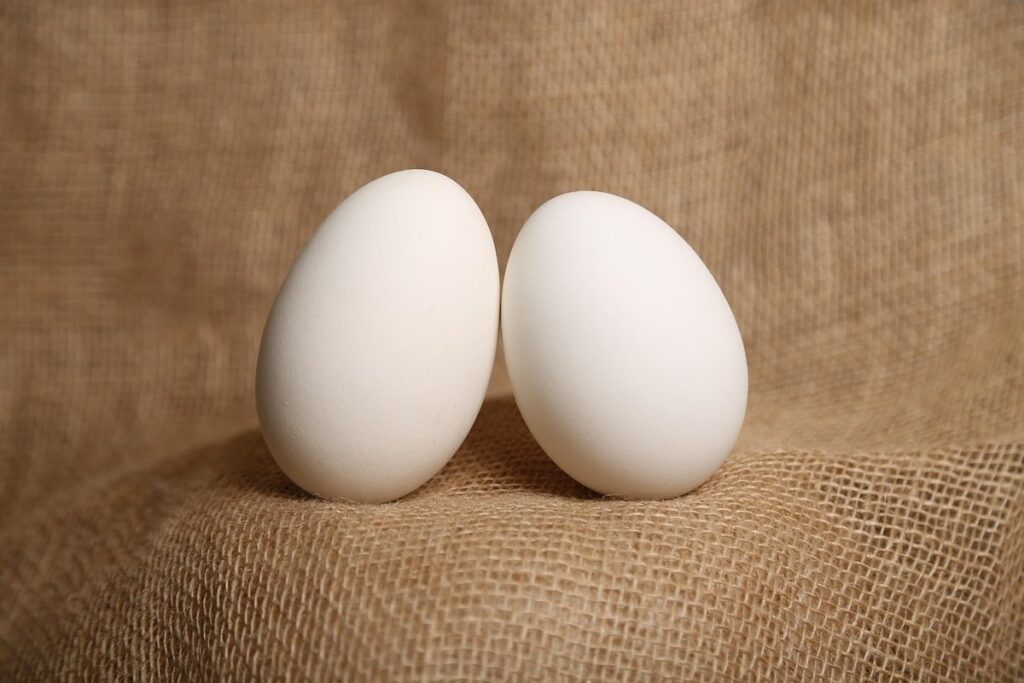
What is Duck Egg Turning Day?
So, you’re curious what all the fuss is about when it comes to Duck Egg Turning Day – let’s dive into the origins and purpose of this quirky celebration.
The Origins of the Tradition
Duck egg turning day has its roots deeply embedded in traditional farming practices and cultural heritage. The exact origin of this practice is unclear, but it’s believed to date back to the 17th century when duck egg production was a vital source of income for many farmers.
In those days, duck eggs were considered a luxury item due to their high demand during the winter months when other food sources were scarce. To ensure a steady supply, farmers would turn their duck eggs regularly to prevent the yolks from becoming too large and the whites from breaking down. This simple yet effective technique allowed for longer storage and made it possible for people to enjoy duck eggs throughout the year.
As communities grew and trade routes expanded, duck egg turning day became an integral part of many cultures. It symbolized abundance, resourcefulness, and a connection to nature. In modern times, the tradition has adapted but remains an essential part of preserving heritage and cultural identity.
Celebrating the Occasion
On Duck Egg Turning Day, people around the world come together to commemorate this special occasion with traditional activities and customs. For many families, it’s a day to reconnect with their cultural heritage and pass down cherished traditions to younger generations.
In some cultures, Duck Egg Turning Day is marked by cooking traditional meals featuring duck eggs, such as stir-fries or omelets. Others celebrate by hosting family gatherings, where everyone comes together to share stories and enjoy each other’s company. Some communities even organize community events, like egg-turning competitions or festivals, which bring people together in a spirit of fun and camaraderie.
If you’re interested in celebrating Duck Egg Turning Day in your own home, consider making traditional dishes using duck eggs, such as egg drop soup or egg noodles. You can also gather with family and friends to share stories and memories from past celebrations. Whatever way you choose to celebrate, the important thing is to come together and honor this special day.
Some families even create their own unique traditions by decorating eggs, making crafts, or engaging in other fun activities that bring them closer together.
Importance of Duck Eggs in Culture
Duck eggs play a significant role in various cultures around the world, not just as a food source but also as a symbol of tradition and heritage. Let’s take a closer look at their importance in different societies.
Nutritional Value and Health Benefits
Duck eggs are often considered a staple food item in many cultures around the world. They offer an impressive nutritional profile compared to chicken eggs. For instance, duck eggs contain more protein and less saturated fat than their counterparts. Furthermore, they have a higher content of certain essential vitamins like vitamin D and E. Additionally, the high concentration of choline in duck eggs makes them beneficial for heart health.
The consumption of duck eggs has also been linked to various other potential health benefits. Some research suggests that eating duck eggs may help lower cholesterol levels due to their higher levels of unsaturated fats. They are also considered a rich source of iron and essential amino acids, which can be particularly important for individuals with restricted diets.
Cultural Significance Around the World
In many cultures around the world, duck eggs are not just a source of nutrition but also hold significant symbolic and spiritual value. In some African countries, duck eggs are considered a symbol of good fortune and prosperity. For instance, in Ghana, it’s believed that breaking an egg on Good Friday will bring good luck throughout the year. Similarly, in many Asian cultures, duck eggs are revered for their medicinal properties and are used in traditional remedies.
In some parts of Europe, such as France and Italy, duck eggs are prized for their rich flavor and are often served as a delicacy during special occasions like Easter. In fact, in some regions of Italy, it’s customary to decorate the shells with intricate designs before boiling them, making the entire process a fun and creative activity.
The reverence for duck eggs is not limited to food culture; they also play a significant role in spiritual and cultural practices. For example, in some indigenous communities, duck eggs are believed to have healing properties and are used in rituals to purify and protect against evil spirits.
Preparing for Duck Egg Turning Day
Now that you’re aware of the significance of Duck Egg Turning Day, let’s move on to getting everything ready for this special celebration in your community. Here, we’ll cover essential preparations and arrangements.
Traditional Recipes and Dishes
On this special day, it’s traditional to incorporate duck eggs into delicious baked goods and savory meals. Start with some classic dishes like quiches and frittatas, perfect for breakfast or brunch. For a twist on the classic quiche Lorraine, try adding caramelized onions and mushrooms to give it a rich flavor.
For those who love baking, consider making duck egg-based treats such as pound cake, coffee cake, or even a decadent chocolate tart. The richer flavor of duck eggs makes them ideal for dense, moist baked goods. When substituting duck eggs in recipes, keep in mind that they have a slightly thicker consistency than chicken eggs.
To prepare the perfect pound cake, preheat your oven to 325°F (165°C) and grease two 9-inch round cake pans. In a large mixing bowl, whisk together 3 duck eggs, 1 cup of granulated sugar, and 2 teaspoons of vanilla extract. Gradually add in 2 ¾ cups of all-purpose flour, 1 teaspoon of baking powder, and ½ teaspoon of salt. Pour the batter into prepared pans and bake for about 50-60 minutes or until a toothpick inserted comes out clean.
Some other traditional dishes to consider making on Duck Egg Turning Day include egg drop soup, where duck eggs are poached in chicken broth, or a savory strata filled with sautéed vegetables and cheese.
Safety Guidelines and Food Handling
When preparing for Duck Egg Turning Day, it’s essential to follow strict safety guidelines and food handling practices to prevent contamination. First and foremost, ensure that all equipment and utensils used in the process are thoroughly cleaned and sanitized before handling the duck eggs.
Wash your hands frequently with soap and warm water, especially after handling raw eggs or any other potentially contaminated surfaces. This is crucial to avoid cross-contamination, which can lead to foodborne illnesses like Salmonella. Make sure to scrub all areas of your hands, including between fingers and under fingernails, for at least 20 seconds.
It’s also vital to store duck eggs in a clean and dry place until they’re ready for turning. Avoid exposing them to direct sunlight or heat sources, as this can cause the eggs to spoil more quickly. Keep raw eggs separate from cooked or prepared foods to prevent cross-contamination.
Remember to always crack eggs gently on a flat surface to avoid breaking the shell and creating a mess. Be gentle when handling the duck eggs throughout the turning process to prevent damage to the shells.
Activities and Traditions Associated with Duck Egg Turning Day
On Duck Egg Turning Day, communities come together to celebrate with unique activities and time-honored traditions that are an essential part of this special occasion. Let’s explore some of these fascinating customs together!
Family-Friendly Events and Games
If you’re celebrating Duck Egg Turning Day with family and friends, there are plenty of fun activities and games to enjoy together. Consider hosting a backyard competition where families can see whose duck eggs turn the fastest. This can be done by timing each egg as it begins to pip (crack) on top.
To make things more engaging, you could create teams or have individuals compete against each other. This adds an element of friendly rivalry and encourages everyone to participate. Additionally, consider setting up a “Duck Egg Turning Station” with comfortable seating and refreshments for spectators to enjoy while they wait for the eggs to turn.
If you prefer low-key activities, you can organize a scavenger hunt around your neighborhood or local park where kids (and adults!) can search for items related to duck eggs. For example, they might have to find pictures of ducks, chicken coops, or even fresh eggs at a nearby farm stand. This activity gets everyone moving and exploring their surroundings while having fun together.
Local Festivals and Markets
If you’re planning to celebrate Duck Egg Turning Day with your community, attending local festivals and markets is an excellent way to do so. These events bring people together, creating a festive atmosphere perfect for sharing the significance of this unique tradition.
In many towns and villages, dedicated market stalls or festival booths often appear on Duck Egg Turning Day, offering handmade crafts, local delicacies, and specialty items related to duck egg turning. For instance, you might find vendors selling hand-carved wooden spoons, intricately designed ceramic eggs, or artisanal breads infused with eggs as a key ingredient.
When attending these events, consider participating in interactive activities such as egg-turning demonstrations, live music sessions, or storytelling workshops that focus on the history and cultural significance of Duck Egg Turning Day. This immersive experience allows you to engage with your community and deepen your understanding of this tradition. By incorporating local festivals and markets into your celebrations, you’ll be able to tap into the unique spirit and camaraderie that surrounds Duck Egg Turning Day.
Health Considerations for Consumers of Duck Eggs
When consuming duck eggs, it’s essential to be aware of potential health considerations, including risks associated with Salmonella and other bacterial contaminants. This can vary depending on the source and handling of the eggs.
Food Safety Concerns
When it comes to consuming duck eggs, there are potential health risks that you should be aware of. One of the most significant concerns is salmonella poisoning, which can cause serious illness and even death. According to the Centers for Disease Control and Prevention (CDC), salmonella infections from egg consumption result in approximately 79,000 illnesses annually.
To put this risk into perspective, consider the fact that duck eggs are about six times more likely to contain Salmonella compared to chicken eggs due to their different internal temperature requirements during processing. The risk is heightened for individuals with weakened immune systems, such as pregnant women, young children, and older adults.
While this can be alarming, there’s good news: proper handling and cooking of duck eggs can significantly reduce the risk of salmonella poisoning. Always purchase eggs from reputable sources that follow strict sanitation guidelines. Wash your hands thoroughly after handling raw eggs or any surfaces that may have come into contact with them. Cooking duck eggs to an internal temperature of at least 160°F (71°C) is also crucial in killing bacteria, making it safe for consumption.
To be on the safe side, if you’re new to consuming duck eggs, consider starting with a small batch and monitoring your body’s reaction before increasing your intake.
Allergies and Intolerances
When consuming duck eggs, it’s essential to be aware of common allergies and intolerances that may affect you or your loved ones. One notable allergy is a protein called ovotransferrin, which is found in the whites of duck eggs and can trigger an allergic reaction in some individuals. Symptoms can range from mild hives and itching to life-threatening anaphylaxis.
Another concern is histamine intolerance, which can be exacerbated by consuming duck eggs due to their relatively high histamine content. Histamine is a naturally occurring chemical found in the egg whites that can cause blood vessels to dilate, leading to symptoms like flushing, headaches, and digestive issues.
If you suspect an allergy or intolerance, it’s crucial to consult with a healthcare professional for proper diagnosis and treatment. In the meantime, consider the following tips: If you’re hosting a duck egg turning day celebration, be mindful of guests’ dietary restrictions and offer alternatives or accompaniments that can help mitigate potential allergic reactions. For example, providing crackers or bread to neutralize histamine can make it easier for guests with intolerance to enjoy the dish. By being considerate and prepared, you can ensure a safe and enjoyable experience for all participants.
Conclusion and Final Thoughts
As you’ve now learned about the history and significance of Duck Egg Turning Day, you might be wondering how to incorporate this unique tradition into your own life. Whether you’re a seasoned egg farmer or just looking for a fun activity to try with family and friends, embracing Duck Egg Turning Day can be a great way to connect with others and preserve traditional practices. So, don’t be afraid to give it a try! Start by reaching out to local farmers or communities that participate in the tradition, and ask if you can join in on the fun. With a little creativity and enthusiasm, you can help keep this quirky celebration alive for years to come.
Frequently Asked Questions
Can I celebrate Duck Egg Turning Day even if I don’t have a backyard for duck egg production?
No, while having a backyard for duck egg production can be a unique way to participate in the tradition, you can still celebrate Duck Egg Turning Day by learning about its cultural significance and trying out recipes that incorporate duck eggs as a main ingredient. Many cities also host local festivals and markets during this time, which are perfect opportunities to immerse yourself in the celebration.
How do I ensure food safety when handling duck eggs?
Yes, ensuring food safety is crucial when handling duck eggs. Always wash your hands thoroughly before and after handling eggs, store them at a consistent refrigerated temperature below 40°F (4°C), and use clean equipment for cracking and cooking. It’s also essential to check the eggs regularly for any visible signs of spoilage or breakage.
Can I substitute other types of eggs in traditional Duck Egg Turning Day recipes?
While duck eggs are preferred in many traditional recipes, you can experiment with substituting them with chicken or quail eggs as alternatives. However, keep in mind that different egg types will alter the flavor and texture of the final dish. You may need to adjust cooking times and seasoning accordingly.
What are some creative ways to involve children in celebrating Duck Egg Turning Day?
There are several fun activities you can plan for kids to participate in during Duck Egg Turning Day celebrations. For example, you can organize an egg-decorating contest using natural dyes or have a scavenger hunt around the house or backyard to find duck eggs hidden among other items. These creative exercises will not only keep them entertained but also teach them about the cultural significance of this special day.
Can I participate in Duck Egg Turning Day if I’m allergic to duck eggs?
No, if you’re allergic to duck eggs, it’s best to avoid participating in any activities that involve handling or consuming them. However, you can still learn about the cultural history and traditions behind Duck Egg Turning Day by reading books or watching documentaries about this unique celebration. Many communities also organize egg-free alternatives for participants with allergies, so be sure to check local listings or ask your community organizers for more information.