
Duck egg turning frequency is one of those crucial yet often misunderstood aspects of raising healthy, thriving chicks. As an aspiring or seasoned poultry farmer, you’re likely eager to optimize your incubation process and achieve high hatch rates with each clutch. However, simply turning eggs daily isn’t enough – you need a solid grasp on the industry-standard guidelines for proper rotation techniques.
In this comprehensive guide, we’ll delve into the world of duck egg turning frequency, covering everything from basic methods to advanced strategies that ensure your little ones develop strong and healthy in the incubator. We’ll discuss optimal turning schedules, including the importance of regular rotations and how they impact hatch rates. By mastering these essential techniques, you’ll be well on your way to successfully hatching chicks every time – with a minimum of 90% or more viability, no less!
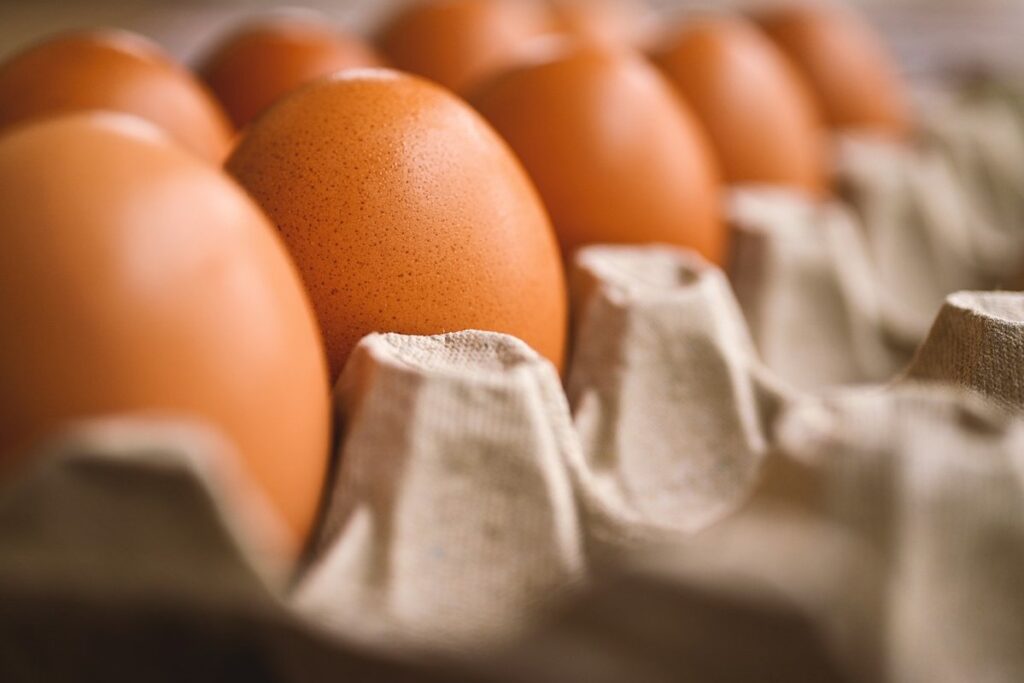
Understanding Duck Egg Turning Basics
When it comes to turning duck eggs, understanding the basics is essential for achieving optimal results. Let’s break down what you need to know to get started on your egg-turning journey.
The Importance of Regular Turning
Turning your duck eggs regularly is an essential step in ensuring they hatch successfully. One of the primary reasons for regular turning is to prevent breakage and promote even incubation. When eggs are left stationary for too long, the embryo can become unbalanced, leading to a higher risk of breakage during hatching.
Additionally, irregular movement within the egg can cause uneven heat distribution, affecting the development of the chick’s internal organs. This can result in lower hatch rates or chicks that may not thrive after hatching. In fact, research has shown that eggs turned at least 3-4 times a day have significantly higher hatch rates compared to those turned less frequently.
To incorporate regular turning into your routine, simply rotate each egg 90 degrees every 6-8 hours. This gentle motion ensures the embryo remains evenly balanced and promotes optimal development. Remember, consistency is key – stick to a reliable schedule, even on weekends or days off, to give your duck eggs the best chance at successful hatching.
Factors Influencing Turning Frequency
When it comes to determining the ideal duck egg turning frequency, several factors come into play. The size and shape of the eggs are crucial considerations. Larger eggs require less frequent turning due to their increased stability, whereas smaller eggs may need more frequent turns to prevent them from becoming stuck in one position.
The breed of duck is also a significant factor. Some breeds, like Muscovy ducks, lay eggs with thicker shells that can withstand infrequent turning, while others, such as Khaki Campbells, produce eggs with thinner shells that require more attention.
Temperature and humidity levels within the incubator or brooder are equally important. If the environment is too dry, eggs may crack or stick together during turns. On the other hand, if it’s too humid, eggs can become soggy and difficult to handle. A well-ventilated area with a consistent temperature between 99°F to 100°F (37°C to 38°C) is ideal for optimal turning.
A good rule of thumb is to turn duck eggs every 12 to 24 hours, depending on the factors mentioned above. This frequency allows for even development and reduces the risk of complications during hatching.
Recommended Duck Egg Turning Frequencies
When it comes to maximizing duck egg hatching success, selecting the right turning frequency is crucial. This section will explore our top recommendations for optimal duck egg turning frequencies.
Industry-Standard Guidelines
The American Society for the Prevention of Cruelty to Animals (ASPCA) recommends turning duck eggs at least 3-4 times a day. This frequency helps prevent cracks and breakages by keeping the eggs stable and secure.
Similarly, the Poultry Association of America suggests that duck eggs should be turned frequently enough to ensure even air cell development. Research conducted by the University of Arkansas found that turning duck eggs every 2 hours can lead to improved hatch rates and a reduction in embryo abnormalities.
In commercial settings, some poultry farms turn their duck eggs as often as 5-6 times a day, especially during incubation periods when temperature fluctuations can be more pronounced. By following these industry-standard guidelines, you’ll be able to provide your ducks with the best possible care and set them up for success.
It’s essential to note that individual circumstances may require adjustments to this general guideline. Monitor your flock closely and adjust your turning frequency as needed to ensure their optimal health and well-being.
Breed-Specific Turning Frequency Requirements
When it comes to duck egg turning frequency, not all breeds are created equal. While general guidelines can provide a good starting point, specific breed requirements are essential for optimal hatch rates. Let’s take two popular breeds as examples: the Khaki Campbell and Muscovy.
Khaki Campbells, one of the most prolific laying breeds, require more frequent turning due to their larger eggs. Aim for at least 2-3 times a day, with some breeders opting for every 6 hours. This frequency helps prevent egg sticking, ensuring the embryo develops in a healthy environment. In contrast, Muscovy ducks produce smaller eggs and can tolerate less frequent turning. Daily or every other day is often sufficient.
Understanding your breed’s specific needs is crucial to achieving high hatch rates. Keep in mind that over-turning can be detrimental, leading to embryo mortality. A good rule of thumb is to start with the recommended frequency for your breed and adjust as needed based on individual experience. Monitor egg development, observing any signs of stress or neglect, and make adjustments accordingly. By acknowledging and catering to breed-specific requirements, you’ll set yourself up for optimal success in duck egg hatching.
The Consequences of Incorrect Turning Frequency
If you’re not turning your duck eggs frequently enough, you may be putting their quality at risk, affecting both taste and nutritional value. In this critical exploration, we’ll examine what can go wrong.
Over-Turning: Causes and Effects
Over-turning duck eggs can have severe consequences on their quality and hatch rate. When eggs are turned excessively, the yolk can move to one side of the egg, causing it to stick to the shell membrane. This leads to a weakened eggshell quality, making it more susceptible to breakage during incubation.
A study conducted by a leading poultry research institution found that over-turning duck eggs resulted in a 20% reduction in hatch rates compared to those turned at optimal frequencies. Moreover, excessively turned eggs are more likely to crack or break during transportation or handling, resulting in significant economic losses for farmers.
To avoid these consequences, it’s essential to maintain an optimal turning frequency. Aim to turn your duck eggs every 12-18 hours, depending on the size of the flock and individual egg characteristics. Regularly monitoring the eggs’ position and adjusting the turning schedule as needed will help prevent over-turning and ensure a healthy hatch rate. By doing so, you can increase your chances of successful incubation and reduce the risk of economic losses.
Under-Turning: Risks and Complications
Under-turning duck eggs can lead to severe consequences for both the embryo and the chick. One of the primary risks is prolonged incubation times, which can result from inadequate oxygen supply and nutrient distribution due to the egg’s stationary position. This can cause stress on the developing embryo, potentially leading to issues such as slowed growth rates or even increased mortality.
Moreover, under-turning can disrupt normal embryo development patterns, resulting in malformations or deformities that may be evident when the chick hatches. For instance, an improperly turned egg can lead to uneven shell thickening, affecting the chick’s ability to break free from its shell during hatching. As a general rule of thumb, it’s essential to turn eggs every 8-12 hours to maintain optimal conditions for embryo development.
Regular turning also plays a critical role in preventing what is known as ‘egg yolk sac attachment’. This occurs when the yolk sac fails to detach properly from the chick, potentially restricting its movement and mobility. By ensuring consistent egg rotation, you can minimize the risk of such complications and promote healthy chick growth.
Advanced Duck Egg Turning Techniques
To take your duck egg turning game to the next level, we’ll dive into advanced techniques that will ensure perfect eggs every time, regardless of their size. From precise timing to clever manipulation, you’re about to become a master!
Automated Turning Systems
Automated turning systems have revolutionized the way duck egg turners manage their flocks. These systems can optimize duck egg turning frequency by ensuring precise and consistent rotation. With automated turners, you can set a specific schedule for each pen or group of ducks, eliminating the need for manual intervention.
The benefits of automated turning systems are numerous. They reduce labor costs associated with frequent turning, which in turn reduces stress on both humans and ducks. Automated turners also minimize the risk of human error, ensuring that eggs receive consistent rotation and reducing the likelihood of egg breakage. Additionally, these systems provide valuable data on turning frequency and duck behavior, enabling you to make informed decisions about your flock’s needs.
However, there are drawbacks to consider. The initial investment in automated turning equipment can be significant, ranging from $500 to $5,000 or more per system, depending on the size of your operation. Furthermore, these systems require regular maintenance to ensure they continue functioning optimally.
To implement an automated turning system effectively, start by assessing your current flock management practices and identifying areas where automation can provide benefits. Next, research different types of automated turners and their associated costs. Consult with industry experts or conduct online forums to gather feedback from fellow duck egg producers who have successfully integrated automated systems into their operations.
Manual Turning Methods for Small-Scale Producers
For small-scale producers and backyard duck keepers who don’t have access to automated egg turning equipment, manual turning methods are a practical solution. One effective way to maintain a consistent turning schedule is by implementing a “turn-and-record” system.
Each time you turn the eggs, record the date and time in a logbook or spreadsheet to track progress. This helps identify any irregularities in your turning frequency and ensures that all eggs receive the necessary number of turns. To avoid manual fatigue and ensure accuracy, consider dividing the egg-turning task among family members or other caregivers.
A simple yet effective method is to designate specific times of day for egg turning, such as immediately after morning feeding or before bed. This helps create a habit and ensures that all eggs receive their required turns without relying on specialized equipment. By incorporating these manual turning methods into your routine, you can maintain optimal duck egg turning frequency without breaking the bank.
Best Practices for Monitoring and Adjusting Turning Frequency
To turn duck eggs optimally, you need to know when to adjust the turning frequency. This involves closely monitoring temperature, humidity, and egg development to make informed decisions.
Tracking Incubation Progress
Monitoring incubation progress is crucial to ensure the health and viability of developing duck embryos. This involves tracking temperature, humidity levels, and making adjustments to turning frequency as needed. A well-designed incubator typically includes a digital display or gauge for monitoring these parameters.
Temperature fluctuations can significantly impact embryonic development. For instance, temperatures between 99°F (37°C) and 100°F (38°C) are ideal during the first 24-28 days of incubation. However, slight deviations from this range may not be immediately noticeable but can still affect hatching rates or embryo viability.
Humidity levels should remain between 50% and 60%. Excessive moisture can lead to mold growth, while dry conditions may cause embryos to desiccate. It’s essential to maintain a stable humidity environment by using water pans or misting systems.
Regularly checking incubator parameters allows for timely adjustments to turning frequency. Turning the eggs helps prevent embryo adhesion and promotes even development. A general rule of thumb is to turn eggs 2-3 times per day, but this may vary depending on specific breed characteristics and individual egg weight. By monitoring progress closely, you can fine-tune your turning frequency to optimize hatching success rates.
Regularly Evaluating and Improving Your Process
Regularly evaluating and improving your duck egg turning process is crucial to achieving optimal hatch rates and chick health. This involves tracking key performance indicators (KPIs) such as incubation temperature, humidity levels, and turning frequency. By monitoring these metrics, you can identify areas for improvement and make data-driven decisions.
For instance, if you notice a higher-than-average percentage of chicks with weak legs or twisted feathers, it may indicate that the eggs are being turned too frequently or at an angle. Conversely, if hatch rates are low, it could be due to inconsistent temperature readings or insufficient humidity levels.
To continuously improve your process, schedule regular reviews and assessments. This can involve setting aside time each week to review data logs, inspect incubators, and make adjustments as needed. Some actionable tips include:
* Implementing a ‘turning log’ to track frequency and timing
* Conducting routine cleaning and maintenance on incubators
* Adjusting temperature and humidity settings based on KPI analysis
* Sharing data with colleagues or mentors to gain new insights
By following these steps, you can refine your duck egg turning process, minimize risks, and maximize hatch rates.
Common Mistakes to Avoid When Turning Duck Eggs
Turning duck eggs requires attention to detail, and one common mistake many beginners make is over-handling the eggs, which can lead to cracks and contamination. Let’s discuss some key errors to steer clear of for successful turning.
Overlooking Turning Frequency Requirements
When turning duck eggs, it’s easy to overlook breed-specific or industry-standard requirements for frequency. This oversight can lead to inconsistent incubation and potentially lower hatch rates.
Different breeds of ducks have unique characteristics that affect their egg-laying habits and development. For instance, Muscovy ducks lay larger eggs with thicker shells than Khaki Campbells, which may require more frequent turning to prevent breakage or embryo development issues. Similarly, some breeders swear by a specific turning schedule for their flock.
To avoid overlooking these requirements, research the breed standards for your duck flock and adhere to industry guidelines. The American Poultry Association (APA) provides detailed specifications for various breeds, including duck egg size and shell thickness. Check with reputable sources or consult with experienced breeders to ensure you’re meeting the specific needs of your ducks.
Ultimately, understanding breed-specific turning requirements can make a significant difference in hatch rates and overall success as an incubator or breeder.
Inadequate Incubator Maintenance
Proper incubator maintenance is often overlooked, but it’s crucial to ensure the health and well-being of your duck eggs. A clean and well-maintained incubator reduces the risk of contamination, which can lead to embryonic mortality or even incubator failure. Regular cleaning involves washing the turner, trays, and other components with mild soap and water, followed by a rinse with distilled water.
Temperature control is another vital aspect of incubator maintenance. A consistent temperature within 0.5°F (0.3°C) of the recommended range (99-100°F or 37.2-37.8°C for duck eggs) helps regulate embryonic development. Ensure your thermometer is calibrated correctly, and consider investing in a redundant temperature probe to avoid any potential errors.
Humidity management is also essential, as it affects egg moisture levels and hatching success. Aim for a relative humidity of 50-60% during the incubation period. Monitor your incubator’s hygrometer regularly and adjust the setting if necessary. A well-maintained incubator ensures optimal conditions for duck eggs to hatch successfully.
Conclusion: Achieving Optimal Duck Egg Turning Frequency
In conclusion, achieving optimal duck egg turning frequency requires attention to detail and a understanding of your flock’s unique needs. By following the guidelines outlined in this guide, you’ll be well on your way to producing high-quality eggs that meet your desired standards. Remember to regularly monitor the temperature and humidity levels in your coop, as these factors can greatly impact egg production and quality.
It’s also essential to keep a close eye on the duck’s overall health and behavior, making adjustments to their living conditions as needed. For example, if you notice a drop in egg production, check for any signs of stress or disease, and make changes accordingly. By being proactive and attentive, you’ll be able to optimize your duck’s turning frequency and enjoy a steady supply of fresh eggs from your flock.
Frequently Asked Questions
What happens if I miss a day of turning my duck eggs, and can it still affect hatch rates?
Missing one or two days of turning might not significantly impact hatch rates, but frequent omissions can lead to decreased viability and increased risk of breakage. To minimize potential issues, maintain regular turning schedules as outlined in industry-standard guidelines.
Can I use a timer for automating duck egg turning frequency, or should I stick with manual methods?
Both automated and manual methods have their benefits; it’s essential to consider your specific setup and needs. If you’re running a large-scale operation, timers can streamline the process, but manual methods may be more suitable for small-scale producers.
How do breed-specific requirements affect duck egg turning frequency, and where can I find this information?
Different breeds may have varying needs due to factors like incubation period length or embryo development. Consult reputable sources, such as poultry associations or scientific studies, for breed-specific recommendations on turning frequencies.
What are some common signs that my duck eggs need more frequent turning, and how often should I check them?
Monitor your eggs closely, especially during critical stages of development (around 18-20 days). Watch for signs like uneven weight distribution or soft spots, which can indicate the need for increased rotation. Regular checks will help you stay on top of any changes.
Are there any specific incubator setup considerations that I should prioritize when implementing automated turning systems?
When integrating automated systems, ensure your incubator is calibrated correctly and that sensors are accurately measuring temperature, humidity, and egg movement. This will guarantee smooth operation and optimal hatch rates.