
As a breeder or enthusiast, you’re probably no stranger to the unique charms of duck eggs. But have you ever stopped to think about their viability? In other words, how well are they going to hatch into healthy, thriving chicks? The truth is, duck egg viability is just as important as its chicken counterpart – and it’s often overlooked.
In this article, we’ll delve into the factors that affect duck egg viability, including breeding, nutrition, and health management. We’ll explore how optimizing fertility rates, hatchability, and chick quality can make all the difference in your flock. Whether you’re a seasoned breeder or just starting out, understanding duck egg viability is crucial to achieving success. So, let’s dive into the world of duck eggs and discover the secrets to maximizing their potential. By the end of this article, you’ll be equipped with expert guidance on how to take your duck egg game to the next level.
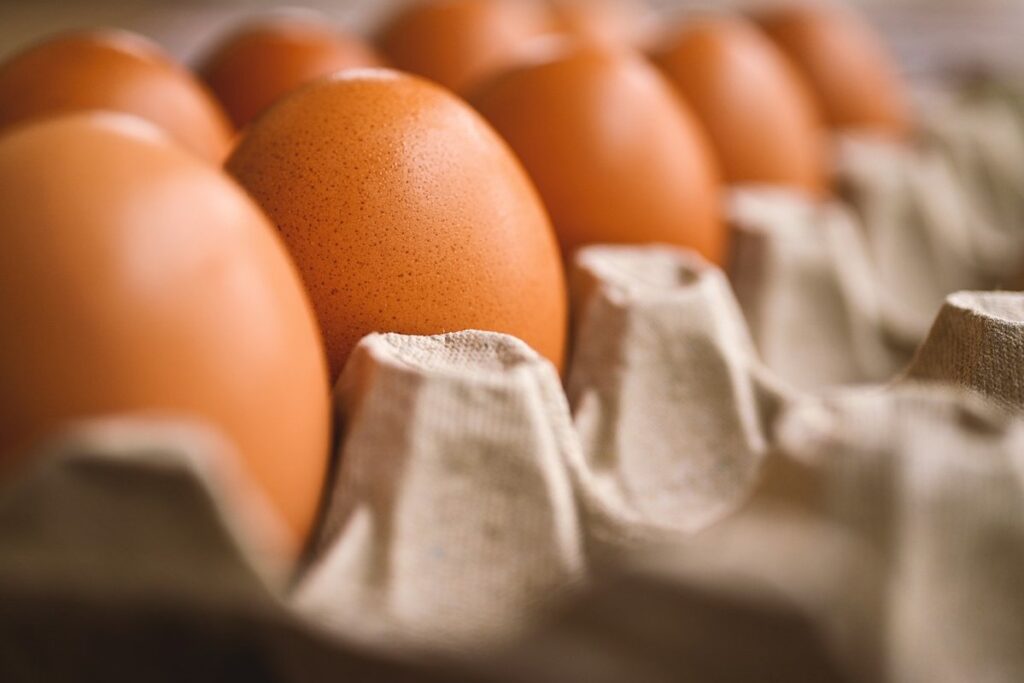
Introduction to Duck Egg Viability
Let’s start by understanding what makes a duck egg viable and how its quality can impact your baking and cooking results. We’ll cover the basics of duck egg viability in this section.
What are Duck Eggs?
Duck eggs are a type of egg produced by ducks, as opposed to chickens which produce chicken eggs. In terms of nutritional content, duck eggs have a higher fat and protein composition compared to chicken eggs. They also contain more omega-3 fatty acids, vitamins A and E, and iron. This makes them an attractive option for those looking for a healthier alternative to traditional chicken eggs.
One key difference between duck eggs and chicken eggs is their size. Duck eggs are generally larger than chicken eggs, with some varieties weighing up to 2 ounces more per egg. The shell of a duck egg is also thicker and harder to crack than that of a chicken egg, making them more difficult to cook with. However, this increased shell thickness can make duck eggs less prone to bacterial contamination.
When it comes to choosing duck eggs, look for those from breeds known for their high-quality eggs, such as Muscovy or Khaki Campbell ducks. Freshness is also important, so try to purchase duck eggs that have been refrigerated at a consistent 40°F (4°C) since production.
Importance of Duck Egg Viability
Understanding duck egg viability is crucial for various reasons, making them an attractive option as a sustainable food source. Firstly, duck eggs are produced with fewer resources compared to chicken eggs. They require less feed, water, and land, reducing the environmental impact of large-scale egg production. For instance, a study by the University of California found that ducks need about 20% less feed than chickens to produce an equal number of eggs.
Moreover, duck eggs have economic benefits as they can be sold at a higher price point compared to chicken eggs due to their unique characteristics and nutritional value. In some regions, duck eggs are considered a luxury item and are highly prized by chefs and consumers alike. This demand can create new business opportunities for farmers and producers who can capitalize on the trend.
When it comes to environmental considerations, duck eggs have several advantages. They produce less manure, which reduces the risk of water pollution and soil degradation. Additionally, ducks are natural foragers and can help control pests in agricultural settings, reducing the need for pesticides and other chemicals. By incorporating ducks into your farm or considering them as a food source, you can contribute to a more sustainable food system.
Factors Affecting Duck Egg Viability
When it comes to determining the viability of duck eggs, several key factors come into play that can affect their chances of successful incubation and hatching. Let’s explore these critical considerations together.
Breeding and Genetics
When it comes to breeding and genetics, they play a significant role in determining duck egg viability. Fertility rates, hatchability, and chick quality are all influenced by the genetic makeup of the parent ducks. Breeders can select for desirable traits such as high fertility and hatchability by choosing birds with proven performance.
For instance, some breeds like Khaki Campbells and Indian Runners are known for their exceptional fertility and hatchability rates. In contrast, certain breeds may struggle with these aspects due to genetic factors. Selective breeding has enabled farmers to improve egg viability in various duck breeds over the years.
To achieve optimal fertility and hatchability, breeders must also consider other factors such as nutrition, health, and stress levels of the parent ducks. Adequate nutrition is crucial for maintaining high-quality eggs, and proper management practices can significantly impact overall reproductive success.
In practice, selecting birds from reputable breeding flocks that have been tested for fertility and hatchability can increase the chances of viable duck eggs. Additionally, incorporating genetic testing into the selection process can help identify potential issues early on and improve overall egg viability.
Nutrition and Feeding Practices
When it comes to duck egg viability, nutrition and feeding practices play a crucial role in determining fertility. A balanced diet is essential for maintaining optimal reproductive health in ducks, which directly affects the quality of their eggs.
A well-planned diet should consist of high-quality protein sources such as soybean meal or fishmeal, which provide the necessary amino acids for egg production. Micronutrients like calcium and phosphorus are also vital for maintaining strong eggshells and supporting reproductive health. A lack of these essential nutrients can lead to reduced fertility and decreased egg quality.
To ensure optimal nutrition, duck farmers should consider supplementing their birds’ diets with additional micronutrients. For example, adding a small amount of dried mealworms or crushed oyster shells can provide a boost of calcium and other essential minerals. Regular monitoring of the flock’s dietary intake and adjusting feeding practices accordingly is also crucial for maintaining optimal fertility levels.
By prioritizing nutrition and feeding practices, duck farmers can significantly improve the viability of their eggs.
Health and Disease Management
Maintaining healthy flocks is crucial to ensuring duck egg viability. One critical aspect of this is health and disease management. Vaccinations play a significant role in protecting ducks from various diseases that can impact egg production and quality. For instance, Newcastle disease vaccines are commonly used to prevent outbreaks in duck farms.
Biosecurity measures also have a substantial influence on maintaining healthy flocks. This includes practices such as regular cleaning of coops, proper disposal of waste, and separating new additions to the flock for quarantine periods. Keeping records of vaccinations, diseases, and treatment is essential for monitoring health status over time.
Sanitation is another key factor in disease management. Ensuring access to clean water, maintaining a balanced diet, and providing adequate space for ducks can help prevent diseases that may compromise egg viability. Regular monitoring of the flock’s overall health can help identify potential issues early on, allowing for swift action to be taken before significant damage occurs.
Determining Duck Egg Viability
So you’ve got a batch of duck eggs, but how do you know if they’re viable for hatching? In this next part of our guide, we’ll walk you through the process of determining their viability.
Fertility Testing
Fertility testing is an essential step in determining duck egg viability. It involves assessing the reproductive health of ducks to ensure they are capable of producing healthy eggs. One method used is sperm quality assessment, which evaluates the motility and morphology of duck semen. This is typically done by collecting a semen sample from a male duck and examining it under a microscope.
Another critical aspect is ovulation timing, which is crucial for successful breeding. Breeders need to monitor the female ducks’ reproductive cycles to determine when they are most fertile. This involves observing behavioral cues, such as increased courtship behavior, and monitoring hormone levels using techniques like blood testing or vaginal cytology.
Artificial insemination (AI) is also used in fertility testing. AI allows breeders to collect semen from a high-quality male duck and artificially inseminate the female ducks during their fertile period. This method can be more precise than natural breeding and reduces the risk of disease transmission.
When conducting fertility testing, it’s essential to consider factors like age, genetics, nutrition, and environmental conditions, which can impact reproductive health. By understanding these factors and using fertility testing methods, breeders can increase the chances of producing viable duck eggs.
Hatch Rate Analysis
Analyzing hatch rates is a crucial step in determining duck egg viability. To do this effectively, you’ll need to consider several key factors: incubation temperature, humidity, and turning frequency. Research suggests that even small deviations from optimal conditions can significantly impact hatch rates.
Incubation temperature is particularly important for duck eggs. A temperature range of 99.5°F to 100.5°F (37.7°C to 38°C) is recommended, with a slight bias towards the lower end. If your incubator’s temperature fluctuates or falls short of this range, it may lead to reduced hatch rates.
Humidity levels should be maintained between 50-60%. However, some studies indicate that duck eggs can tolerate slightly higher humidity, up to 65%, without adverse effects. To achieve optimal conditions, it’s essential to use a reliable hygrometer and maintain consistent humidity readings.
Turning frequency also plays a significant role in hatch rates. Most commercial incubators come equipped with automatic turning systems, but if you’re using a manual system, aim for at least 5-6 turns per day. This ensures even distribution of the embryo within the egg and promotes healthy development.
Embryonic Development Staging
When assessing duck egg viability, embryonic development staging is a crucial step to determine whether an egg has the potential to hatch successfully. The most widely used system for assessing embryonic development is the Hamburger and Hamilton (1951) staging system, which categorizes duck embryos into 29 distinct stages based on their morphological characteristics.
Understanding these critical developmental milestones is essential in determining egg viability. For instance, Stage 12-13 marks the beginning of gastrulation, where the blastula forms the three primary germ layers: ectoderm, endoderm, and mesoderm. Stage 24-26 represents organogenesis, where major organs begin to form, including the heart, liver, and lungs.
Critical issues that may arise during embryonic development can include abnormal morphological features, such as delayed or arrested development, which can be indicative of environmental stressors or genetic predispositions. Assessing an egg’s developmental stage allows breeders to identify potential problems early on, making informed decisions about culling or relocating affected eggs.
Optimizing Duck Egg Viability
To get the most out of your duck egg laying flock, let’s dive into optimizing the viability of these eggs, ensuring they hatch strong and healthy.
Breeding Program Design
Designing an effective breeding program for ducks is crucial to improving duck egg viability. When it comes to breeding, population size plays a significant role. A smaller population can lead to inbreeding, which reduces genetic diversity and increases the risk of inherited health problems. To avoid this, breeders should aim for a minimum population size of 20-50 individuals, ensuring sufficient genetic variation.
Selection criteria are also essential in a duck breeding program. Breeders need to prioritize traits that contribute to egg viability, such as fertility, hatchability, and embryonic survival rates. This can be achieved by selecting parents with high-quality eggs and monitoring their performance over several generations.
Genetic diversity is another critical aspect of a breeding program. To maintain genetic integrity, breeders should incorporate new bloodlines and strains into the population regularly. This not only improves egg viability but also ensures that the flock remains resilient to disease and environmental stressors. By implementing these strategies, breeders can create a robust and viable duck egg-laying program.
Flock Management Strategies
Effective flock management is crucial to optimize duck egg viability. Proper nutrition plays a significant role in this process. Ensure that ducks have access to a balanced diet rich in calcium and protein to support strong eggshell production. A recommended daily intake of 14-16% crude protein and 3.5-4% calcium will help maintain optimal health.
Regular health monitoring is also essential. Schedule regular check-ups with your veterinarian to identify potential issues early on. Monitor for signs of illness, such as lethargy, loss of appetite, or changes in droppings. Implement a vaccination program to protect against common diseases like avian influenza and Newcastle disease.
Biosecurity measures are equally important. Establish proper sanitation practices by regularly cleaning feeding and watering areas, as well as changing bedding material frequently. Restrict access to the flock to minimize stress caused by human interaction. Maintain accurate records of egg production, fertility rates, and any health issues that may arise.
Handling and Storage Practices
When handling and storing duck eggs, it’s essential to follow best practices to maintain their viability. Temperature control is critical; duck eggs should be stored at a consistent refrigerated temperature between 32°F (0°C) and 40°F (4°C). This range slows down bacterial growth, preventing spoilage.
Maintaining optimal humidity levels is also vital. Store duck eggs pointy-end-down in a single layer to prevent moisture accumulation. If storing multiple layers, ensure the top layer is not touching the storage container’s lid or walls.
Cleaning procedures are equally important. Wash your hands before handling duck eggs, and clean any equipment or surfaces that come into contact with them. Gently wash the eggs with cold water, then dry them thoroughly using a clean towel to prevent bacterial growth.
To further enhance viability, consider using egg cartons specifically designed for refrigerated storage. These containers maintain air circulation around each egg, reducing moisture accumulation and preventing bacteria from thriving. By adhering to these guidelines, you can significantly prolong the shelf life of your duck eggs and maintain their high quality.
Challenges and Future Directions
As we explore the world of duck eggs, it’s essential to acknowledge the challenges that come with their production and consumption. Let’s dive into the obstacles that may hinder the widespread adoption of duck eggs as a viable alternative to chicken eggs.
Emerging Trends and Technologies
As we continue to explore the challenges and future directions of duck egg viability, it’s essential to consider the emerging trends and technologies that may shape the industry. Precision agriculture is one such trend that has the potential to significantly impact duck farming. By leveraging data analytics, sensors, and drones, farmers can optimize their operations, reduce waste, and increase efficiency.
Genomics is another area of research that holds promise for improving duck egg viability. Scientists are working to identify genetic markers associated with desirable traits in ducks, such as improved fertility and disease resistance. This knowledge could enable breeders to select for more resilient and productive birds, ultimately leading to healthier eggs.
Artificial intelligence (AI) will also play a critical role in the future of duck egg production. AI-powered systems can help farmers monitor their flocks remotely, detect early signs of illness or stress, and optimize feeding regimens. By harnessing these emerging technologies, duck farmers may be able to mitigate some of the challenges they face today and produce healthier, more sustainable eggs for consumers.
Economic and Environmental Considerations
Improving duck egg viability not only benefits the poultry industry but also has significant economic and environmental implications. On the economic front, increasing the hatch rate of duck eggs can lead to substantial cost savings for farmers. By reducing the number of failed incubations, producers can minimize losses associated with feeding, housing, and healthcare costs. Additionally, more viable eggs mean a higher return on investment, enabling farmers to expand their operations or invest in other areas of their business.
From an environmental perspective, increasing duck egg viability can contribute to food security while minimizing waste. When more eggs hatch successfully, fewer are wasted due to embryonic mortality. This reduction in waste not only conserves resources but also decreases the carbon footprint associated with rearing ducks and producing feed. To take advantage of these benefits, farmers should focus on optimizing incubation conditions, improving egg handling practices, and monitoring flock health. By doing so, they can maximize their returns while promoting sustainable poultry production.
Conclusion
In conclusion, the viability of duck eggs is a topic that has gained significant attention in recent years. As we’ve explored throughout this guide, duck eggs offer numerous benefits over traditional chicken eggs, from their richer flavor and higher nutritional value to their versatility in cooking. For those considering incorporating duck eggs into their diet or raising ducks for egg production, it’s essential to remember that proper storage and handling techniques are crucial to maintaining the quality of these precious eggs. To ensure the long-term viability of your duck eggs, be sure to store them in a cool, dry place and use them within a week or two of collection. By following these simple guidelines and tips, you can enjoy the full potential of your duck eggs while supporting sustainable agriculture practices.
Frequently Asked Questions
How can I implement the breeding strategies discussed in this article with my existing flock?
To start implementing breeding strategies, begin by evaluating your current flock’s genetic diversity and fertility rates. This may involve conducting fertility testing or consulting a veterinarian to determine the best course of action. Next, focus on selecting breeders with high fertility rates and optimal egg quality. Monitor your flock’s progress regularly, adjusting your strategy as needed to optimize duck egg viability.
What are some common mistakes that can negatively impact duck egg viability in my breeding program?
Common mistakes include inadequate nutrition, poor health management, and failure to monitor fertility rates and hatchability. Be sure to provide a balanced diet rich in essential nutrients, maintain strict biosecurity protocols, and regularly test for diseases such as Marek’s disease or avian influenza. Additionally, consider implementing embryonic development staging to ensure optimal egg quality.
How can I determine the best breed of duck for my specific needs and climate?
Consider factors like temperature tolerance, egg size, and resistance to local diseases when selecting a breed. Research different breeds online or consult with experienced breeders to find the best fit for your operation. Keep in mind that certain breeds may be more suitable for small-scale production or backyard flocks.
What are some tips for handling and storing duck eggs to maximize their viability?
To maintain optimal egg quality, store them at a consistent temperature below 40°F (4°C), ideally between 32-35°F (0-2°C). Handle eggs carefully to avoid cracking, and consider using cartons or other protective containers to prevent breakage. Regularly inspect your storage area for pests or moisture issues that could compromise egg quality.
Can I use duck eggs from my own flock as a source of income, or should I focus on purchasing them from commercial suppliers?
With the right market demand and regulatory approvals, using duck eggs from your own flock can be a viable business strategy. However, it’s essential to ensure compliance with local laws and regulations regarding egg production and sales. Research your target market and consult with industry experts before deciding whether to use in-house or commercially sourced duck eggs for income generation.