
Duck in a diaper has become an unlikely viral sensation, spreading laughter and joy across social media platforms. At first glance, it may seem like just another internet meme, but its impact extends far beyond that. This quirky phenomenon has tapped into our collective psyche, tapping into our desire for humor, comfort, and even nostalgia. But what’s behind the allure of a duck in a diaper? Why do we find ourselves drawn to this peculiar combination of whimsy and relatability? In this article, we’ll delve into the fascinating world of duck in a diaper, exploring its origins, cultural significance, and surprising impact on mental health. We’ll also examine how it’s inspired memes, merchandise, and even sparked conversations about vulnerability and self-care.
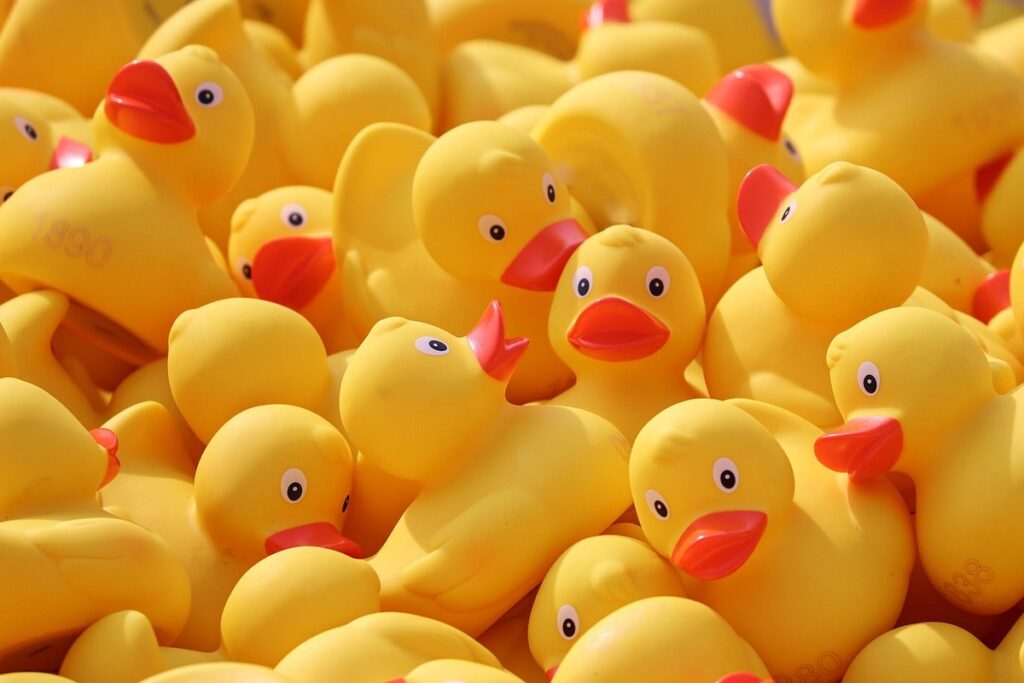
What is Duck in a Diaper?
So, you’re new to the world of duck in a diaper and wondering what all the fuss is about – let’s dive into the basics. Here’s where it all starts: defining this adorable trend.
History and Origins
The concept of duck in a diaper has its roots in viral internet culture, where it emerged as a playful and humorous meme. It’s believed to have originated on social media platforms around 2015-2016, when users began sharing pictures and videos of ducks wearing diapers or posing with diaper-themed accessories.
At first glance, the idea may seem absurd or even disturbing to some. However, for many fans, it has become a beloved and quirky internet phenomenon. The humor lies in the juxtaposition of the cute, innocent duckling image with the mundane, adult-like concept of a diaper. This contrast sparks imagination and creativity, allowing fans to poke fun at the idea and explore its many humorous possibilities.
As a result, the duck in a diaper meme has evolved into a cultural touchstone, inspiring countless memes, jokes, and artistic interpretations. Its lighthearted nature has made it a popular topic for internet communities, with fans sharing their own creations and engaging in good-natured banter about the trend’s absurdity.
Popularity and Memes
Duck in a diaper’s rapid ascent to meme stardom can be attributed to its lighthearted and relatable nature. Social media platforms played a significant role in propelling this trend, as users found it increasingly difficult to resist the quacking charm of a duck in a diaper.
Before long, images of ducks clad in various forms of diapers began flooding social media feeds. Platforms like Instagram and Twitter witnessed an overwhelming surge in posts featuring these adorable ducks, often accompanied by humorous captions or witty remarks. The meme quickly transcended geographical boundaries, captivating audiences from diverse age groups and cultural backgrounds.
The widespread adoption of this meme has led to a plethora of creative adaptations and spin-offs, with users experimenting with various diaper designs, colors, and even matching accessories for their feathered friends. As the popularity of duck in a diaper continues to soar, it’s essential to remain mindful of responsible content creation, ensuring that humor doesn’t overshadow animal welfare concerns.
Symbolism and Cultural Significance
Duck in a diaper has become a cultural phenomenon, symbolizing relaxation and humor for many people around the world. This quirky fashion trend is not just about dressing up a duck in adult diapers; it’s also about embracing playfulness and irony. In Japan, where duck in a diaper originated, it’s common to see ducks wearing adorable diapers on cat cafes, shopping malls, or even street corners.
One of the most significant cultural significance of duck in a diaper is its ability to evoke humor and lightheartedness. By dressing up a duck in adult diapers, we’re poking fun at our own seriousness and societal norms. It’s an unconventional way to express ourselves and bring a smile to someone’s face. Whether you’re a fan of slapstick comedy or just enjoy the absurdity of it all, duck in a diaper is sure to put a spring in your step.
For those who want to incorporate duck in a diaper into their lives, here are some practical tips: start by visiting a cat cafe or shopping mall that features ducks in diapers. You can also try dressing up your own pet (if you have one) in a diaper for an added touch of humor. Just remember, the key to pulling off this look is confidence and a willingness to be playful.
The Psychology Behind Duck in a Diaper Fandom
Let’s get real, what drives our fascination with ducks in diapers? We’ll dive into the psychological factors behind why we’re so drawn to this peculiar yet captivating phenomenon.
Emotional Connection to Quacking Creatures
Developing an emotional connection with quacking creatures is more common than you think. It’s not unusual for people to form strong bonds with animals that have a distinctive sound, like ducks in diapers. This connection can be attributed to several factors.
For one, the soothing sound of a duck’s quack has been shown to have a calming effect on humans. In fact, studies suggest that listening to animal sounds, including quacking, can lower stress levels and promote relaxation. The repetitive motion of a duck waddling around in a diaper can be mesmerizing, almost hypnotic. This can lead to a sense of comfort and security, which is often associated with having pets.
One reason people might find ducks in diapers so endearing is that they tap into our nurturing instinct. Caring for a duck in a diaper requires attention, patience, and affection – all qualities we value as humans. By interacting with these quacking creatures, fans can feel like they’re giving back to something, which can be very fulfilling.
Ultimately, the emotional connection people form with ducks in diapers is complex and multi-faceted. While it may not be immediately clear why someone would develop a strong bond with an animal in this context, research suggests that it’s likely linked to stress relief or comfort.
Social Media as a Catalyst for Fandoms
Social media has played a significant role in fueling the growth of duck in a diaper fandom. Platforms like Instagram and TikTok have created spaces for enthusiasts to connect and share content related to their favorite ducks. These online communities allow fans to engage with one another, share their own experiences, and discover new content featuring ducks in diapers.
For instance, hashtags such as #ducksindiaperr or #quackinadie have gained immense popularity on Instagram, attracting millions of followers. These hashtags serve as a hub for users to share and discover content featuring adorable ducklings in various forms of diapered attire. Moreover, social media influencers have also capitalized on the trend by creating engaging content around ducks in diapers.
If you’re looking to join or create your own community of fellow duck-in-a-diaper enthusiasts, here are some practical tips:
- Utilize relevant hashtags to expand your reach and discover new content.
- Engage with other users by commenting or sharing their posts.
- Create high-quality content featuring your favorite ducks in diapers, using consistent branding and aesthetic.
Community Building and Shared Experiences
When you join an online community centered around duck in a diaper, you’re not just connecting with others who share your interest – you’re participating in a shared experience that brings fans together. These communities are more than just social spaces; they’re breeding grounds for creativity and camaraderie.
Within these digital realms, users can collaborate on fan art, create engaging stories, or even develop their own characters. It’s not uncommon to stumble upon interactive games, quizzes, or challenges designed to test one’s knowledge of the duck in a diaper universe. These collective endeavors provide an outlet for fans to express themselves and showcase their imagination.
By sharing experiences with like-minded individuals, fans can feel a deep sense of belonging within these communities. They begin to recognize each other by handle, avatar, or even inside jokes that only a select few would understand. This phenomenon is no different from what you’d experience in real-life fandoms – albeit, online interactions allow for more accessible and inclusive experiences.
As a fan yourself, consider the following: How can you contribute your skills to a duck in a diaper community? What unique ideas or perspectives can you bring to the table?
The Impact of Duck in a Diaper on Mental Health
Wearing a diaper, our feathered friend can bring out a mix of emotions in some people, but how does it specifically affect mental health? Let’s dive into this unique phenomenon.
Stress Relief and Relaxation
Watching duck in a diaper content can be a therapeutic experience that offers numerous benefits for mental health. Studies have shown that watching cute and funny animal videos can reduce stress levels by releasing endorphins, also known as “feel-good” hormones. The combination of the duck’s adorable appearance in a diaper adds an extra layer of humor and entertainment value.
Participating in creating or engaging with duck in a diaper content can also provide a sense of relaxation and calmness. It allows individuals to step away from their daily worries and immerse themselves in a light-hearted activity. For instance, you can try watching duck in a diaper videos during your lunch break or creating your own duck-themed skits with friends.
Some tips for incorporating duck in a diaper content into your stress relief routine include:
* Setting aside dedicated time to watch or participate in duck in a diaper activities
* Creating a playlist of your favorite duck in a diaper videos to access whenever needed
* Sharing duck in a diaper content with friends and family to build connections and social support
Humor as a Coping Mechanism
While it may seem counterintuitive, humor has been shown to be an effective coping mechanism for individuals dealing with anxiety, depression, and other mental health issues. In the context of duck in a diaper, this quack-tastic phenomenon can provide a much-needed dose of levity and stress relief.
Studies have demonstrated that laughter and humor can lower cortisol levels, boost mood, and even reduce symptoms of anxiety and depression. The absurdity of watching a duck prance around in diapers is precisely what makes it so therapeutic – it allows us to momentarily escape the pressures of everyday life and indulge in some good-natured silliness.
If you’re feeling overwhelmed or struggling with mental health issues, consider incorporating humor into your coping mechanisms. Watch videos of ducks in diapers (we recommend “Quacking” on YouTube), attend a duck-themed comedy show, or even create your own quacky memes to share with friends. Remember, laughter is contagious – so go ahead and let out a quack or two!
Potential Risks and Limitations
While duck in a diaper content can bring immense joy and fascination to our lives, it’s essential to acknowledge potential risks associated with overindulging in this phenomenon. One of the primary concerns is decreased productivity. Spending excessive amounts of time watching or engaging with duck in a diaper videos, memes, or live streams can divert attention away from other important aspects of life.
Increased social isolation is another risk worth considering. While online communities centered around duck in a diaper content provide a sense of belonging and shared enthusiasm, they can also become a replacement for real-life interactions. As people spend more time engaging with digital content, relationships with family and friends might suffer.
To maintain a balanced approach to duck in a diaper fandom, set aside dedicated time for consumption and engage in regular breaks from the online world. Prioritize real-life connections and activities that foster personal growth and well-being.
The Economics of Duck in a Diaper Merchandise and Content Creation
The economics behind duck in a diaper merchandise and content creation is a fascinating topic, as you’ll discover how entrepreneurs capitalize on this quirky niche. Let’s dive into the financials of making it big in this unusual market.
Market Demand and Revenue Streams
The market demand for duck in a diaper merchandise and content creation is surprisingly robust. A quick search on social media platforms reveals a dedicated community of enthusiasts who create and share their own duck-in-a-diaper-inspired art, cosplay, or humor content. This niche appeal translates into potential revenue streams from various sources.
Revenue can be generated through sales of merchandise such as t-shirts, stickers, phone cases, or even plush toys featuring the beloved duck in a diaper design. Online marketplaces like Redbubble, Teespring, and Zazzle make it easy to set up shop and sell these products, allowing creators to capitalize on their designs.
Additionally, content creators can partner with brands for sponsorships or product placements, further diversifying their revenue streams. Advertisements on YouTube videos or social media posts featuring duck-in-a-diaper-themed content are another viable option. A well-crafted strategy that balances audience engagement and monetization can help entrepreneurs turn their quacky passion into a profitable venture.
Influencer Marketing and Brand Partnerships
Influencer marketing and brand partnerships have become a crucial aspect of the duck in a diaper industry. Brands are now partnering with social media influencers who have large followings and high engagement rates to create and promote their products, content, or experiences. These collaborations help increase brand visibility, reach new audiences, and drive sales.
For example, imagine a popular mommy influencer on Instagram partnering with a baby wear brand that specializes in duck in a diaper onesies. The influencer could post a photo of her adorable baby wearing the onesie, tagging the brand and using relevant hashtags. This type of collaboration can lead to increased brand awareness and drive sales for the partner company.
When creating partnerships, brands should consider factors such as influencer credibility, audience alignment, and content quality. They should also clearly define their goals and expectations for the partnership. By working together with influencers who share similar values and target audiences, brands can create engaging content that resonates with their customers and ultimately drives business results.
Some popular ways to partner with influencers include sponsored posts, product reviews, giveaways, and exclusive promotions. Brands can also consider collaborating on events or activations that bring their products or experiences to life in a fun and creative way.
Potential for Mainstream Acceptance
While duck in a diaper may seem like a niche interest, there’s potential for it to gain mainstream acceptance. In recent years, we’ve seen unconventional topics and interests break into popular culture. Take, for example, the rise of ASMR or the resurgence of 90s nostalgia. With the right strategy and execution, duck in a diary could follow suit.
Traditional media outlets have already shown interest in incorporating duck in a diaper into their content. We’ve seen various forms of media feature ducks in diapers, from comedy sketches to children’s programming. This growing visibility is a testament to the concept’s potential for broader appeal.
To further increase mainstream acceptance, creators and enthusiasts can take a few key steps. Firstly, they should focus on developing high-quality, engaging content that showcases the humor and charm of duck in a diaper. Secondly, collaborations with established brands or influencers could help expand the audience. Lastly, embracing social media platforms and online communities will allow for easier sharing and discussion of duck in a diaper.
Criticisms and Controversies Surrounding Duck in a Diaper
Some people have raised concerns that duck in a diaper is more than just a novelty, sparking heated debates among enthusiasts and critics alike. Let’s dive into some of the most common criticisms surrounding this beloved phenomenon.
Concerns Over Sensitivity and Appropriateness
Some critics argue that using ducks in diapers is insensitive and inappropriate, particularly from an animal welfare perspective. They claim that it’s degrading to treat these intelligent and social animals like babies. However, proponents of duck in a diaper argue that the practice can be done humanely and even educational for children.
From an animal welfare standpoint, concerns arise when ducks are used as props without proper care or consideration for their well-being. Ducks need regular exercise, mental stimulation, and social interaction to thrive. If not provided with these basic needs, they may become stressed, anxious, or develop behavioral problems.
To address these concerns, it’s essential to prioritize the duck’s welfare when using them in diapers. This can be achieved by providing a safe and comfortable environment, ensuring regular breaks for exercise and playtime, and offering mental stimulation through activities like foraging or puzzle toys.
Ultimately, with proper care and attention, ducks can thrive in a diaper setting while also educating children about responsibility, empathy, and animal welfare. By being mindful of the duck’s needs and well-being, we can enjoy this unique experience without compromising their health and happiness.
Potential for Exploitation
Duck in a diaper content has raised concerns about potential exploitation for financial gain. Some creators and businesses might prioritize profits over animal welfare, using cute and adorable duck images to sell products without considering the long-term effects on the ducks.
For instance, some companies may use stock photos of ducks in diapers to promote their baby-related products, such as clothing or toys, without ensuring that the ducks are treated with respect. This exploitation can lead to a cycle where more and more businesses jump onto the bandwagon, using duck images for profit without regard for the animals’ well-being.
To avoid contributing to this issue, it’s essential to research creators and businesses before supporting them. Look for those who prioritize transparency about their practices and treatment of ducks. You can also support reputable animal sanctuaries or rescue organizations that use creative content responsibly and with a focus on education rather than exploitation. By making informed choices, you can promote the humane treatment of ducks in a diaper while enjoying the adorable content they bring.
Counterarguments and Rebuttals
When it comes to duck in a diaper, not everyone will agree on its merits. Some might argue that dressing up ducks is a form of animal exploitation or that the trend has gone too far. To address these concerns, let’s consider some counterarguments and rebuttals.
For instance, one common criticism is that the ducks are being used for entertainment purposes only, which can be seen as disrespecting their natural behaviors and needs. However, proponents argue that dressing up ducks in diapers actually helps to reduce stress and promote social interaction among the animals. By providing a comfortable and secure environment, owners can encourage the ducks to engage with each other and even participate in fun activities like photo shoots.
Another concern is that duck in a diaper creators are profiteering from the trend without considering the welfare of the animals involved. To mitigate this issue, it’s essential for fans and enthusiasts to support reputable breeders and sellers who prioritize animal well-being. By doing so, we can ensure that our love for these adorable ducks doesn’t come at the expense of their health and happiness.
When encountering criticisms or concerns about duck in a diaper, consider evaluating the source and intentions behind them. Are they rooted in genuine concern for the animals, or are they simply trying to stir up controversy? By separating fact from fiction and understanding the various perspectives involved, we can have a more informed discussion about this unique trend.
Conclusion: The Quacking Legacy of Duck in a Diaper
Now that we’ve explored the history and significance of duck in a diaper, let’s reflect on its lasting impact and why it remains a beloved trend. As you bid farewell to this quacking guide, consider how its quirky charm will continue to inspire.
Recap and Reflections
As we conclude our comprehensive guide to duck in a diaper, it’s essential to reflect on the significance and impact of this cultural phenomenon. Over the past few sections, we’ve explored various aspects of duck in a diaper, from its origins and history to its social media presence and pop culture influence.
Let’s recap some key points covered throughout the article: we discussed how duck in a diaper originated as a humorous meme on Twitter, which eventually snowballed into a global phenomenon with millions of followers. We also examined the various types of ducks that have been donned in diapers, from adorable plushies to real-life waterfowl. Furthermore, we dived into the world of social media, where duck in a diaper has become a beloved and often-used meme.
As we reflect on the impact of duck in a diaper, it’s clear that this phenomenon has transcended its initial humor-based roots to become a symbol of creativity and community. Duck in a diaper has brought people together across cultures and age groups, providing an outlet for self-expression and entertainment. Whether you’re an artist looking for inspiration or simply someone who loves a good laugh, duck in a diaper has something to offer.
As we continue to navigate the ever-changing landscape of social media, it’s essential to remember the lessons learned from duck in a diaper: creativity knows no bounds, community is key, and sometimes, all it takes is a little bit of humor to bring people together. As you take your own journey through the world of duck in a diaper, remember to stay curious, keep laughing, and always be on the lookout for the next great quack-filled adventure!
Frequently Asked Questions
Can I use a duck in a diaper image for commercial purposes?
Yes, if you’re looking to use a duck in a diaper image for commercial purposes, it’s essential to ensure that the original creator has given permission or that the image is licensed under a Creative Commons attribution license. Be sure to check the terms and conditions of any stock image website or social media platform where you found the image.
How can I participate in the duck in a diaper community beyond just sharing memes?
Beyond sharing memes, you can engage with the community by creating and sharing original content related to duck in a diaper, such as fan art or cosplay. You can also participate in online forums, groups, or social media chats dedicated to discussing the phenomenon. This will help you connect with like-minded individuals and contribute to the growth of the community.
Is it possible to create my own merchandise using a duck in a diaper design?
Yes, if you have a design concept that incorporates a duck in a diaper theme, you can explore options for creating your own merchandise, such as t-shirts, mugs, or phone cases. Be sure to research any necessary permits or licenses and consider partnering with a reputable manufacturer to ensure quality control.
How can I share my appreciation for duck in a diaper without being seen as insensitive?
When expressing your enthusiasm for duck in a diaper, prioritize respect and sensitivity towards others who may not find the phenomenon amusing or appealing. Focus on the humor and lightheartedness behind it, and be mindful of cultural or personal boundaries that might affect how others perceive this content.
Can I use duck in a diaper as a therapy tool or stress reliever for children?
Yes, while the idea of using duck in a diaper as a therapeutic tool may seem unconventional, its whimsical nature can indeed help distract from stress and anxiety. You could consider incorporating elements of humor and play into your therapy sessions or activities, but be sure to adapt the approach to the individual child’s needs and comfort level.