
You’re likely thrilled to have some feathered friends making themselves at home in your backyard, but finding a duck nest can also raise concerns about safety and property disruption. As a homeowner, you want to ensure that these birds and their young are protected while also considering your own needs. However, it’s essential to strike a balance between human needs and wildlife conservation.
In this article, we’ll explore the best practices for handling a duck nest in your yard, including how to minimize disturbances and create a safe environment for both humans and animals. We’ll discuss ways to deter predators, maintain the nest without causing harm, and even provide tips on creating a duck-friendly habitat that benefits local wildlife while respecting your property boundaries. By following these guidelines, you can peacefully coexist with these charming visitors.
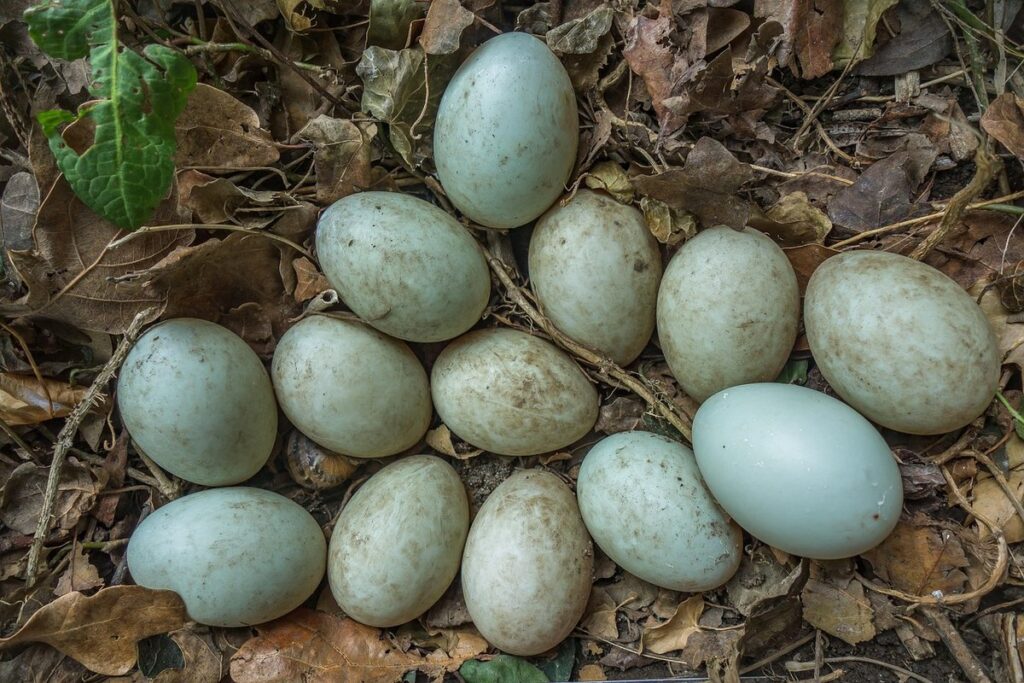
Understanding Duck Behavior and Nests
To help you prepare for potential interactions, understanding duck behavior and nest dynamics is crucial. Learning what to expect can ensure a safe and harmonious coexistence with these feathered visitors.
Recognizing the Signs of a Duck Nest
When discovering a duck nest in your yard, it’s essential to recognize the signs that indicate a duck has chosen this spot for its home. One of the most common indicators is scratched earth or vegetation. As ducks prepare their nests, they use their strong beaks and feet to scratch and dig into the soil. This can leave behind distinctive markings, such as shallow holes or disturbed plant roots.
Look for areas with particularly bare spots or patches of missing grass – these could be signs that a duck has been busy excavating its nest. You might also notice that certain plants are being eaten or trampled, which is another indication that a duck is using the area for nesting purposes. Keep in mind that ducks often choose secluded spots for their nests, so it’s not uncommon for them to opt for an overgrown thicket or hidden corner of your yard.
If you suspect that a duck has made a nest on your property, be sure to exercise caution and respect its territory – this is especially important if the eggs are incubating.
Identifying Potential Duck Species
When discovering a duck nest in your yard, it’s essential to consider the possibility that various species might be nesting there. Some common duck species that may be present in North American backyards include Mallards, Wood Ducks, and Muscovy Ducks.
Mallards are one of the most recognizable duck species, known for their brown and green feathers. They are also prolific breeders, often forming large colonies in urban areas. Wood Ducks, on the other hand, are smaller with distinctive wood-grain patterned feathers and are typically found near wooded or shrubby areas.
To identify the specific species nesting in your yard, observe their plumage patterns, beak shapes, and size. You can also look for characteristic behaviors such as Mallards’ frequent visits to puddles or Wood Ducks’ tendency to nest in cavities.
Keep in mind that Muscovy Ducks are less common but still a possibility in warmer climates. They have distinctive red and black feathers, and their nests often resemble those of domestic ducks.
Remembering the characteristics of these species can help you better understand your duck’s needs and ensure a safe environment for both humans and wildlife.
Understanding Why Ducks Choose Your Yard
Ducks are attracted to yards that offer them a safe and comfortable place to nest. One of the primary reasons they choose your yard is its proximity to water. Ducks need access to water for drinking, bathing, and laying eggs, so if you have a pond, lake, or even a small birdbath in your yard, it’s likely drawing ducks to your property.
Another reason ducks might choose your yard is the availability of food sources. If your yard has plants that produce berries, seeds, or fruits, ducks will be drawn to them for sustenance. They may also visit if you have bird feeders or a garden with edible crops like lettuce or spinach. It’s essential to note that ducks are opportunistic eaters and will forage on whatever is available in your yard.
Ducks also seek out sheltered areas where they can feel safe from predators. If your yard has trees, shrubs, or bushes that provide cover, it may be attracting ducks looking for a place to hide their nest. Understanding these factors can help you identify why ducks might be choosing your yard and what steps you can take to peacefully coexist with them.
Ensuring Safety for Both Humans and Ducks
When you discover a duck nest in your yard, ensuring safety is crucial to protect both humans and the precious eggs inside. Let’s explore how to create a safe environment for these feathered parents and their babies.
Assessing Potential Hazards in Your Yard
When discovering a duck nest in your yard, it’s essential to assess potential hazards that could harm both humans and ducks. One of the primary concerns is the presence of pesticides, which can be toxic to waterfowl. If you’ve used chemical pesticides in your yard, it’s crucial to take immediate action. Start by removing any remaining pesticide residues from plants, soil, and other surfaces. You can do this by rinsing affected areas with water or using a non-toxic cleaner.
Another hazard is pet waste, which can contain pathogens that can spread disease among ducks. If you have pets, make sure to scoop up their waste regularly and dispose of it properly. Consider installing a dog-free zone around the duck nest area to prevent accidents.
It’s also vital to inspect your yard for other contaminants such as lead paint, heavy metals, or sharp objects that could harm ducks. Take note of any potential hazards you find and take steps to mitigate them. By addressing these potential risks, you can create a safe environment for both humans and ducks to coexist in harmony.
Minimizing Disturbances to the Nesting Area
When you’ve discovered a duck nest in your yard, it’s essential to minimize disturbances to this sensitive area. This is crucial for the health and safety of both the mother duck and her eggs.
One way to reduce disturbances is by controlling foot traffic around the nesting site. Try to limit the number of people visiting the area as much as possible, especially during peak duckling development stages (around 24-28 days). If you must walk through the yard, consider creating a path that avoids the nesting area altogether. You can also consider installing a temporary fence or gate to keep visitors away.
Another crucial step is keeping pets away from the nesting site. Dogs, in particular, are natural predators and can cause significant stress to the mother duck. Keep your furry friends on a leash when walking through the yard, and better yet, take them for a separate walk around the block while you’re monitoring the nest.
By taking these simple steps, you’ll not only minimize disturbances but also help ensure the safe hatching of the ducklings.
Contacting Local Wildlife Experts (If Necessary)
If you’re unsure about how to proceed with a duck nest in your yard, it’s always best to err on the side of caution and seek guidance from local wildlife experts. They can provide valuable insights and advice specific to your region and the type of ducks you’re dealing with.
Contacting local wildlife experts is particularly necessary if you notice any signs of distress or aggression from the mother duck, such as hissing, growling, or chasing behavior. In these situations, it’s best to leave the nest undisturbed and contact a professional for assistance in safely relocating the nest if necessary.
Additionally, if you’re unsure about the age or health of the ducklings, or if there are any concerns about your yard being safe for them, local wildlife experts can assess the situation and offer guidance on how to proceed. They may also be able to provide information on the local regulations regarding duck nests and what steps you need to take next.
When reaching out to local wildlife experts, be sure to have a notebook or smartphone handy to note any specific advice or instructions they provide. This will help ensure that you’re taking the right steps to protect both the ducks and your property.
Taking Care of the Duck Nest and Its Surroundings
Now that you’ve discovered a duck nest, it’s essential to focus on creating a safe and nurturing environment around it. This means clearing any debris or hazards from its immediate surroundings.
Creating a Safe and Healthy Environment
When you’ve discovered a duck nest in your yard, it’s essential to create a safe and healthy environment around it. This means keeping the area clean and free from pesticides to ensure the well-being of both the mother duck and her eggs.
First, avoid using pesticides or herbicides near the nesting site, as these chemicals can be toxic to ducks. Instead, use natural methods to control weeds and pests, such as hand-pulling or using solar-powered repellents. You can also create a physical barrier around the nest using chicken wire or netting to prevent predators like raccoons, cats, and dogs from accessing it.
To maintain a clean zone, regularly remove any debris or trash that may accumulate near the nest. Keep an eye out for potential hazards like fallen branches or sharp objects that could harm the mother duck or her eggs. By creating a safe and healthy environment, you’ll be supporting the duck family’s well-being and ensuring their successful nesting experience in your yard.
Supporting Local Biodiversity
When you discover a duck nest in your yard, it’s essential to consider its impact on local biodiversity. By supporting native plants and providing food sources for ducks and other wildlife, you’re contributing to the health of your ecosystem.
Native plants play a crucial role in supporting local biodiversity by offering shelter, food, and habitat for various species. Instead of removing weeds or invasive plants, allow them to grow and flourish. These plants will provide sustenance for ducks and other wildlife during their breeding season.
Consider planting native vegetation in areas surrounding the duck nest, such as shrubs, wildflowers, and grasses. This will create a welcoming environment for ducks and other creatures. Some great options include black-eyed Susan, coneflower, and little bluestem grass.
By providing food sources, you can also attract other wildlife to your yard. Offer mealworms or fruits like berries and cherries as supplemental feeding during breeding season. Be sure to place feeders in areas away from the duck nest to avoid disturbing the parents.
Managing Conflicts with Other Yard Activities
When you discover a duck nest in your yard, it’s essential to balance the needs of the mother duck and her eggs with your own yard activities. Conflicts can arise between gardening, construction projects, and other outdoor endeavors, but there are strategies to manage these conflicts.
For gardeners, consider moving plants that may attract predators or cause disturbance near the nest to a safe distance. If you’re planning a construction project, delay it until the ducklings hatch, as noise and vibrations from heavy machinery can stress the mother duck. When working in your yard, approach the area slowly and calmly to avoid startling the mother duck.
Keep pets away from the nesting site, and ensure they are not allowed to dig or disturb the surrounding area. If you have a lawn mower, use it at night when the mother duck is less active, and keep it at least 10 feet away from the nest. By being mindful of these tips, you can peacefully coexist with your feathered neighbors and allow them to successfully raise their young.
Long-Term Considerations for Duck-Friendly Yards
As you continue to care for your feathered visitors, it’s essential to consider how their presence will impact your yard in the long term. Let’s explore some practical ways to adapt your space for ducks that may stick around.
Creating a Duck-Friendly Yard Design
When you’ve discovered a duck nest in your yard, it’s essential to consider long-term solutions that will not only protect the nesting ducks but also create a welcoming environment for them. One crucial aspect is designing a duck-friendly yard.
To achieve this, start by incorporating water features that mimic their natural habitats. Consider installing a small pond or a birdbath with fresh water and a few rocks for perching. Native plants are also vital, as they provide food, shelter, and protection from predators. Choose plants like cattails, water lilies, and irises, which are native to your area and duck-friendly.
Don’t forget about sheltered areas where ducks can escape harsh weather conditions or find refuge during threats. Incorporate a few large trees or shrubs with dense foliage, making sure they’re at least 6-8 feet tall to provide adequate coverage. When selecting plants and features, prioritize those that are low-maintenance, as you’ll want to minimize disturbance to the nesting ducks.
By incorporating these elements, you can create a haven for ducks in your yard while protecting their habitat and ensuring their well-being.
Understanding Local Regulations and Ordinances
When discovering a duck nest in your yard, it’s essential to understand local regulations and ordinances regarding wildlife habitats. Many cities and towns have laws that govern the presence of duck nests in residential areas. These regulations can vary significantly depending on where you live.
Before taking any action, research your local government’s stance on wildlife habitats. You can typically find this information by visiting your town or city’s website or contacting their planning department directly. For instance, some municipalities may prohibit feeding ducks in certain areas, while others might have specific guidelines for nesting sites.
In addition to researching local regulations, it’s crucial to be aware of any zoning restrictions that might apply to your property. This is particularly important if you’re considering installing a pond or creating a water feature that could attract more wildlife. Understanding these rules will not only help you avoid any potential fines but also ensure the well-being and safety of both humans and animals. Be sure to check with local authorities to determine what’s allowed in your area.
Continuing Education and Community Engagement
As you learn more about duck conservation and management in your yard, it’s essential to continue educating yourself on best practices. Join online forums, attend local workshops, and participate in webinars to stay updated on the latest research and techniques.
Connecting with like-minded individuals can also be incredibly valuable. Look for local birding or wildlife clubs where you can share experiences, ask questions, and learn from others who have successfully managed duck-friendly yards. You might even discover a mentor who can offer personalized guidance and support.
By engaging with your community, you’ll not only gain valuable insights but also contribute to a broader conversation about duck conservation. Share your own successes and challenges on social media or through local newsletters to inspire others and foster a sense of collaboration.
To get started, try the following:
* Research local organizations that offer workshops or training sessions on wildlife management.
* Join online communities dedicated to birding or wildlife conservation.
* Attend regional conferences or symposia focused on waterfowl ecology and management.
Frequently Asked Questions
Can I safely approach a duck nest if I need to check for any hazards around it?
Yes, it’s essential to exercise caution when approaching a duck nest, but you can do so if necessary. Wear gloves and keep children or pets at a safe distance. Gently inspect the area around the nest without touching it directly.
What are some common predators that might be attracted to a duck nest in my yard?
Common predators of duck nests include raccoons, foxes, and coyotes. Keep your yard clean, store pet food and trash securely, and consider installing fencing or other deterrents to protect both ducks and other wildlife.
Can I use bright lights or loud noises to deter predators from the duck nest?
While it’s understandable to want to protect the nest, using bright lights or loud noises can actually stress the mother duck and her chicks. Instead, opt for more humane deterrents like motion-activated sprinklers or repellent granules specifically designed for wildlife.
How do I maintain a safe distance from a duck nest if I have a garden nearby?
Maintaining a safe distance involves being mindful of your movement patterns around the nesting area. Keep at least 10 feet away from the nest and its surroundings to avoid startling the mother duck or her chicks. This will also help prevent accidental damage to the nest or disturbance of the surrounding vegetation.
What should I do if I notice other ducks in my yard that seem interested in the nest but aren’t building one themselves?
This scenario might indicate a potential conflict between species. In such cases, consider installing birdhouses or planters with native plants specifically designed for local wildlife to reduce competition for resources and create more harmonious coexistence among birds.