
As a duck owner, you want to ensure your feathered friends are getting the best possible nutrition. With so many different types of duck feeds on the market, it can be overwhelming to choose the right one for your flock’s needs. That’s why understanding the key differences between duck starter feed and grower feed is crucial. Duck starter feed is specifically designed for young ducks, providing them with essential nutrients for growth and development during their first few weeks of life. On the other hand, grower feed is formulated for older ducks, offering a balanced mix of energy and protein to support continued growth and maintenance. In this article, we’ll explore the differences between duck starter feed and grower feed, helping you make an informed decision about which one is right for your flock.
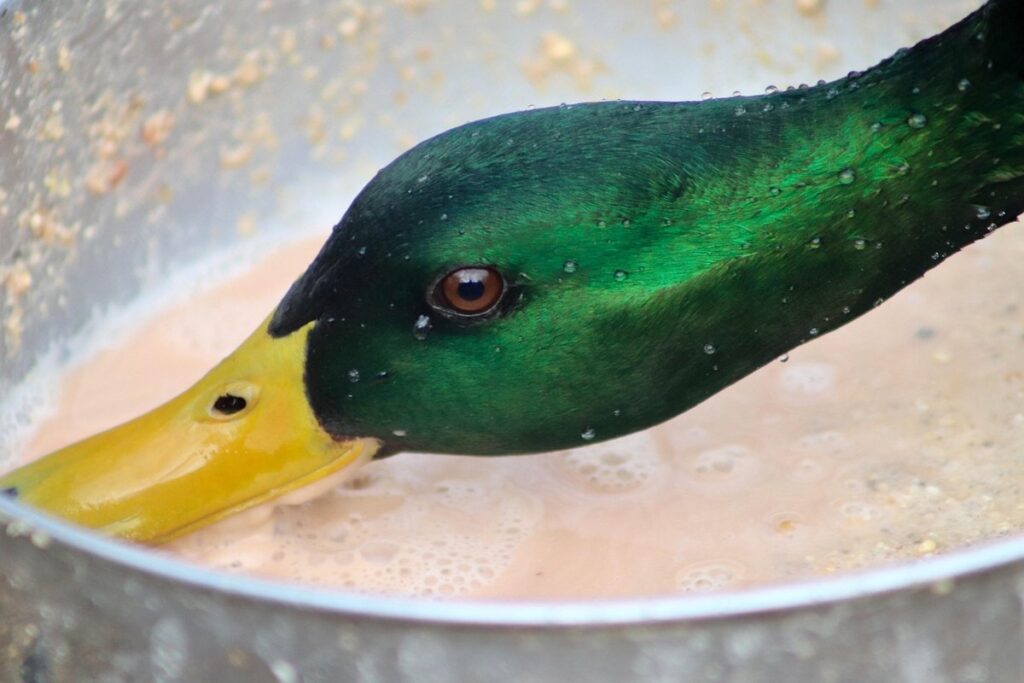
Choosing the Right Starter Feed
When choosing a starter feed for your ducks, selecting the right one is crucial for their healthy growth and development. This decision sets the stage for a strong foundation in their overall health and well-being.
Factors to Consider When Selecting a Starter Feed
When selecting a starter feed for your ducklings, there are several key factors to consider. First and foremost, you’ll want to think about the age of your ducks. Starter feeds are specifically designed for young ducks, typically up to 8-10 weeks old. At this stage, they require a nutrient-rich diet that supports their rapid growth and development.
Consider the weight range for each starter feed as well. Different formulas are formulated for different weight ranges, so it’s essential to choose one that aligns with your ducklings’ current weight. For example, a starter feed designed for 1-3 pound ducklings will not be suitable for ducks weighing 4-6 pounds.
Another crucial factor is breed. Some duck breeds have specific nutritional requirements due to their unique growth rates or genetic predispositions. Research the breed-specific needs of your ducks and choose a starter feed that meets those requirements. Additionally, consider any potential health issues your flock may be prone to and select a feed that addresses these concerns.
Nutritional Requirements for Young Ducks
When it comes to choosing the right starter feed for young ducks, understanding their nutritional requirements is crucial. Young ducks have high energy needs due to their rapid growth rate. They require a diet rich in protein and calories to support their development. A good quality duck starter feed should contain around 18-20% protein, which will help promote muscle growth and feather development.
Vitamins also play a vital role in the growth of young ducks. Vitamin A is essential for healthy vision, immune function, and skin health, while vitamin E helps protect against cell damage. Ensure that your duck starter feed contains sufficient amounts of these vitamins to support overall well-being. Additionally, calcium is necessary for strong bone development in growing ducks.
As a responsible duck owner, you should aim to provide a balanced diet that meets the nutritional needs of your young flock. Always check the feed label to ensure it meets or exceeds the minimum nutritional requirements set by your local authorities. By doing so, you’ll be giving your young ducks the best possible start in life and setting them up for optimal growth and health.
Understanding Duck Grower Feed
When it comes to feeding your growing ducklings, choosing the right feed can be a bit overwhelming. Let’s break down what you need to know about duck grower feed.
What is Duck Grower Feed?
Duck grower feed is specifically designed to support the growth and development of ducks from 4 to 12 weeks of age. Its primary purpose is to provide a balanced diet that meets the nutritional needs of growing ducks, promoting optimal health and production. Formulated with a mix of protein sources such as soybean meal, corn, and animal by-products, duck grower feed contains essential amino acids, vitamins, and minerals.
A well-formulated duck grower feed should have the following characteristics: it should provide 1.5-2% calcium for optimal bone development, 0.8-1% phosphorus for strong skeletal growth, and a protein content of around 18-20%. Additionally, it should contain a balanced mix of vitamins A, D3, E, and K to support overall health and immune function.
When selecting a duck grower feed, it’s essential to choose a product that meets the needs of your flock. Look for feeds from reputable manufacturers that adhere to strict quality control measures. Always follow the manufacturer’s feeding guidelines to ensure you’re providing the best possible nutrition for your ducks. By choosing the right duck grower feed, you can support the growth and development of healthy, productive birds.
Nutritional Differences Between Starter and Grower Feeds
When it comes to feeding your ducks, the nutritional content of their feed is crucial for their growth and development. Starter and grower feeds differ significantly in terms of protein levels, energy sources, and nutrient ratios.
Starter feeds typically contain around 18-20% protein, which is essential for young ducklings’ rapid growth and development during the first few weeks of life. The primary source of energy in starter feeds is usually from corn or soybeans, providing ducks with a boost to get started on their growth journey.
Grower feeds, on the other hand, have slightly lower protein levels (around 16-18%), as ducks are now transitioning into a more efficient growth phase. Energy sources in grower feeds may shift towards grains like wheat or oats, which provide sustained energy for continued growth and development.
It’s essential to note that these nutritional differences impact how often you need to feed your ducks. Starter feeds should be fed freely during the first few weeks, while grower feeds can be rationed to prevent overfeeding and maintain a healthy weight.
Health Considerations for Duck Feed
When choosing between duck starter feed and grower, it’s essential to consider the health implications of each option on your flock. We’ll explore the key considerations to ensure you’re making the best choice for their well-being.
Common Health Issues in Ducks Related to Feed
When it comes to duck feed, providing a balanced and nutritious diet is crucial for their overall health. However, common health issues can arise if ducks are not fed the right type of feed at different stages of growth.
One of the most common health problems related to feed is digestive issues. Ducks are prone to gout, an arthritic condition caused by uric acid buildup in their joints, often linked to a diet high in protein and low in calcium. Gout can lead to painful swelling and mobility issues. To prevent this, ensure that your duck starter feed contains adequate levels of calcium and phosphorus.
Another issue is malnutrition, which can occur when ducks are fed too much or too little nutrient-dense food. For example, a diet lacking sufficient vitamin D can cause softening of the bones, making them prone to fractures. Conversely, excessive protein intake can lead to overactive kidneys, causing uric acid buildup and kidney damage.
Lastly, obesity is another concern related to feed. Overfeeding your ducks with high-calorie feeds can lead to excessive weight gain, compromising their mobility, respiratory health, and overall quality of life.
How to Choose a Healthy Starter or Grower Feed
When selecting a starter or grower feed for your duck flock, it’s essential to read labels carefully and make informed decisions. Look for feeds that are specifically formulated for ducks, as they have different nutritional requirements than chickens.
Check the label for certifications such as the National Feed Ingredient Alliance (NFIA) or the American Feed Industry Association (AFIA), which ensure the feed meets certain quality standards. Be wary of generic terms like “all-purpose” or “flock starter,” as these may not provide the necessary nutrients for your ducks’ specific life stage.
Some additives to look out for in a healthy starter or grower feed include probiotics, which support gut health, and omega-3 fatty acids, which promote skin and feather quality. AVOID feeds containing artificial preservatives, colors, or flavors, as these can be detrimental to your flock’s health.
Ultimately, consult with a veterinarian or poultry expert if you’re unsure about the nutritional needs of your ducks. They can help you choose a feed that meets their specific requirements at different life stages.
Comparison of Popular Duck Feeds
When choosing the best feed for your ducks, it can be overwhelming to navigate through all the options available. Let’s break down some popular duck feeds and compare their ingredients and benefits.
Analysis of Nutritional Content and Additives
When it comes to choosing the right feed for your ducks, understanding the nutritional content and additives is crucial. Let’s take a closer look at popular duck feeds from well-known brands.
Mazuri Duck Starter Feed, for instance, contains 17% protein, 28% fat, and essential vitamins and minerals like vitamin A, D3, and E. This formula is specifically designed to meet the nutritional needs of young ducks from 0-8 weeks of age. On the other hand, Purina Duck Grower Feed has a slightly higher protein content (19%) but lower in fat (20%), making it suitable for ducks transitioning from starter feed.
Some duck feeds also contain additional ingredients like probiotics and prebiotics to support gut health and immune function. These supplements can be beneficial for your flock’s overall well-being, especially during times of stress or disease outbreaks. When selecting a feed, consider the age and nutritional needs of your ducks. Consult with a veterinarian or poultry expert if you’re unsure about which formula is best for your flock.
Pros and Cons of Different Feed Types
When choosing a feed for your ducks, you’ll come across various types that cater to different needs and preferences. Organic feeds, for instance, are made from non-GMO ingredients grown without synthetic fertilizers or pesticides. This option appeals to those who prioritize environmental sustainability and health-conscious feeding.
However, organic feeds can be pricier than conventional options, which might be a concern for larger flocks or budget-conscious duck keepers. Some owners also worry about the limited availability of certified organic feed in their area.
Non-GMO feeds are another alternative that eschews genetically modified organisms but may not carry the same eco-friendly connotations as organic feeds. They can offer a balance between cost and quality, making them suitable for many growers.
Specialty feeds, designed to address specific needs or health conditions, represent yet another option in the feed spectrum. These might include medicated feeds for parasite control or probiotic-enhanced formulas for digestive health. While they cater to unique requirements, they can add complexity to your feeding routine and may require veterinary guidance.
Feeding Your Ducks: Tips and Best Practices
When it comes to feeding your ducks, choosing the right feed at different stages of their life is crucial for their growth and health. Here, we’ll cover some valuable tips on selecting the perfect starter and grower feeds for your flock.
Creating a Customized Feeding Plan for Your Flock
Creating a customized feeding plan for your flock is essential to ensure they receive the right nutrients at every stage of their growth. Consider individual duck needs by taking into account age, breed, and health status. For example, younger ducks require more protein to support rapid growth, while older ducks may need less.
Space constraints also play a role in developing a customized feeding plan. If your flock is housed in a smaller area, it’s essential to limit the amount of feed available to prevent overeating and obesity. On the other hand, if you have ample space for your ducks to roam freely, you can offer more feed without worrying about overconsumption.
Seasonal variations should also be taken into account when creating a customized feeding plan. For instance, during winter months when daylight hours are shorter, ducks may require more energy-rich foods to stay warm. Conversely, in the summer months, they might need more water and electrolyte supplements to combat heat stress.
Monitoring Feed Intake and Adjusting as Needed
Monitoring feed intake and adjusting feeding plans as needed is crucial to ensure optimal growth and health for your ducklings. A good starting point is to weigh your ducks regularly to gauge their progress and adjust the amount of starter feed accordingly. Aim to provide about 20-25% of body weight in feed per day, so if a duck weighs 1 pound, it should eat around 0.2-0.25 pounds of feed daily.
Keep an eye out for signs that your ducks are either overeating or under-eating. Watch for the droppings – excessive wetness can indicate too much water intake through the feed, while dry, hard poop might suggest a lack of moisture. Monitor their overall health and adjust the feed as needed to prevent issues like diarrhea or constipation.
It’s also essential to keep track of your ducks’ growth rate. Aiming for 1-2 pounds per week is a good target. If you notice significant weight loss or gain, revisit the feeding plan to ensure it aligns with their needs at different stages of development. This might involve switching from starter feed to grower feed once they’ve reached a certain age or weight threshold. By closely monitoring your ducks’ feed intake and adjusting as necessary, you’ll be well on your way to raising a healthy, thriving flock.
Conclusion
Now that you’ve weighed the pros and cons of duck starter feed and grower, let’s summarize the key takeaways to ensure a healthy flock.
Recap of Key Points and Recommendations
In conclusion to our discussion on duck starter feed vs grower, let’s recap the key points and recommendations for making an informed decision about feeding your flock.
As we’ve learned throughout this article, choosing the right type of feed is crucial for ensuring the health and growth of your ducks. Key takeaways from our exploration include:
When selecting a starter feed for your ducklings, look for products that contain a balanced mix of nutrients specifically formulated for young birds. These feeds are usually labeled as “starter” or “flock raiser” and contain higher levels of protein to support rapid growth.
For grower ducks, you’ll want to choose a feed with a more moderate level of protein (around 16-18%) to promote steady weight gain without overfeeding. Also, ensure the feed contains essential vitamins and minerals such as calcium for strong eggshell production in hens.
Consider your flock’s age, breed, and intended use when choosing between starter or grower feeds. Young ducklings require higher levels of protein for rapid growth, while older ducks can thrive on a more balanced mix of nutrients.
When shopping for feed, be sure to read the label carefully, looking for certifications from reputable organizations such as the National Science Foundation (NSF) or the American Feed Industry Association (AFIA). These labels ensure that your feed meets certain standards for quality and nutritional content.
To summarize: when selecting a starter or grower feed for your ducks:
* Consider their age, breed, and intended use
* Look for feeds with balanced mix of nutrients specifically formulated for young birds or steady weight gain
* Ensure the feed contains essential vitamins and minerals such as calcium
* Choose feeds certified by reputable organizations
By following these recommendations, you’ll be well on your way to providing the best possible nutrition for your flock.
Frequently Asked Questions
Can I mix duck starter feed with grower feed to get a balanced diet for my ducks?
Yes, you can mix duck starter feed with grower feed, but it’s essential to follow the recommended ratio and transition periods to avoid any potential health issues. Typically, a 1:1 or 2:1 ratio of starter to grower feed is recommended. Start by introducing the grower feed in small amounts (about 10-20%) and gradually increase the proportion over several days or weeks.
What should I do if I’ve already been feeding my ducks grower feed, but they’re still young?
If you’ve accidentally fed your young ducks grower feed instead of starter feed, it’s not the end. However, to prevent any nutritional deficiencies, consider introducing a starter feed supplement specifically formulated for young ducks. These supplements can help bridge the gap in nutrition and support their growth and development.
How do I know if my ducklings are getting enough protein from their starter feed?
Ducks require about 18-20% protein in their diet during the starter phase. To ensure your ducklings are getting enough protein, monitor their weight gain, feather development, and overall health. If you notice any issues or concerns, consult with a veterinarian or poultry expert for personalized advice.
Can I make my own duck feed at home using grains and supplements?
While it’s possible to create a custom duck feed blend using grains and supplements, it can be challenging to ensure the correct balance of nutrients and energy. Moreover, making your own feed may not provide the same consistency and quality as commercial starter feeds specifically formulated for ducks. If you’re considering homemade feed, consult with an expert or veterinarian to avoid any potential nutritional deficiencies.
How often should I replace my duck starter feed?
It’s recommended to rotate your duck starter feed every 2-3 weeks to ensure your birds are getting the freshest and highest-quality feed possible. This can help prevent mold growth and maintain optimal nutrition levels. Always follow the manufacturer’s guidelines for storage and handling to keep your feed fresh and secure.