
Ducks are often associated with their distinctive quacks and waddling gait, but have you ever stopped to think about their teeth? Or rather, their beaks? It turns out that these sharp, chisel-like structures play a vital role in foraging and aquatic feeding. But how do they work? And what makes them so uniquely adapted to the duck’s way of life?
In this article, we’ll dive into the fascinating world of duck teeth – yes, you read that right! We’ll explore the evolution of these remarkable structures over time, and examine their specific role in helping ducks survive and thrive in their environments. From hunting for bugs in the pond to cracking open shells on land, duck beaks are a marvel of nature. By the end of this article, you’ll have a newfound appreciation for these incredible birds and their specialized tools.
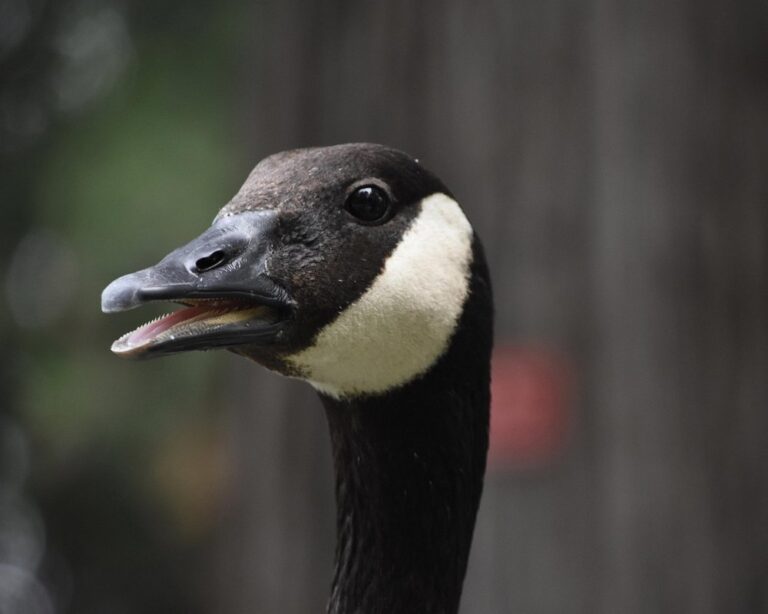
Anatomy and Structure of Duck Teeth
Let’s dive into the fascinating world of duck teeth, starting with their unique anatomy and structure. This crucial part of a duck’s mouth is essential for its survival and feeding habits.
Unique Features of Duck Dental Arrangement
Ducks are renowned for their impressive beaks, which serve as an extension of their dental arrangement. These sharp, hard protrusions are a hallmark of duck teeth and play a crucial role in the bird’s survival. Unlike human teeth, which are designed primarily for chewing and grinding food, duck beaks are fashioned for cutting and tearing. This is because ducks feed on aquatic plants, seeds, and small insects, which require a more forceful approach to consume.
The arrangement of duck teeth is remarkable, with some species featuring both upper and lower beaks that interlock when closed. This unique feature enables the bird to grasp and manipulate food efficiently. For instance, the mallard’s sharp beak is perfectly suited for its diet of aquatic plants and seeds. On the other hand, ducks like wood ducks have stout, chisel-like beaks ideal for excavating grubs from tree bark.
When observing duck behavior, it becomes clear that their dental arrangement plays a vital role in their daily lives.
Evolutionary Advantages of Duck Tooth Structure
Ducks have evolved unique teeth that are perfectly suited to their specific needs. Their beaks and teeth are adapted for foraging on land, eating seeds, and even filtering small aquatic organisms from the water. The shape of a duck’s tooth is flat and broad, with a distinctive ‘V’ shape at the front. This structure allows them to effectively scrape food from rocks, gravel, and other hard surfaces.
In their natural habitats, ducks can be seen using their teeth to root out aquatic plants, such as cattails and water lilies, which grow in shallow water. The flat surface of their teeth enables them to crush seeds and grains with ease. In fact, studies have shown that ducks are more efficient at seed-cracking than many other bird species.
As ducks dive into the water to feed on aquatic organisms, their tooth structure also helps them filter small food particles from the water. This unique adaptation allows them to thrive in a variety of environments, from shallow wetlands to deeper lakes and rivers. By understanding the evolutionary advantages of duck teeth, we can appreciate the remarkable adaptability of these fascinating creatures.
Functions and Importance of Duck Teeth
So, what exactly do duck teeth do? From grinding seeds to helping with social interactions, we’ll explore their essential functions and importance.
Foraging and Seed Consumption
Ducks have evolved to be highly efficient seed consumers, thanks in large part to their unique teeth. When it comes to foraging and consuming seeds, ducks use a combination of their strong beaks and specialized teeth to crack open hard shells.
One of the key features of duck teeth is their ability to withstand heavy wear and tear from grinding down tough seed hulls. This allows them to consume a wide variety of seeds that other birds might find difficult to access. For example, some species of ducks are able to crack open the hard shells of sunflower seeds with ease.
To do this, ducks use their beaks in combination with their teeth to pry open the shell and then grind down the inner seed using their powerful jaws. This process can be quite loud, as the sound of seeds being cracked open is often a distinctive feature of duck behavior around waterfowl feeders or in natural habitats.
In addition to seed consumption, ducks also use their teeth to eat other plant-based foods like fruits and aquatic plants. Their specialized dental structure allows them to effectively crop and grind down these tough materials with ease.
Aquatic Feeding Habits
When it comes to feeding, ducks are incredibly adept at utilizing their teeth to extract nutrients from aquatic sources. In water-rich environments, they tend to focus on plants like duckweed and algae, using their incisors to rip the plant material apart and access the tender shoots.
Insects, such as mosquitoes and midges, also form a significant portion of a duck’s diet. Ducks will employ their canines to spear these insects in mid-air before swallowing them whole. This feeding behavior is particularly effective when ducks are able to dive beneath the surface to feed on small crustaceans like snails and crayfish.
In this way, a duck’s teeth serve as a highly specialized tool, allowing them to thrive in aquatic environments where other birds might struggle to find sustenance. By observing how ducks use their teeth to feed, we can gain a deeper appreciation for the intricate adaptations that have enabled these remarkable creatures to flourish in a wide range of ecosystems.
Communication and Display
When it comes to communication and display, duck teeth play a vital role. These small, yellowish-white structures are often overlooked, but they’re essential for a duck’s social interactions and even its ability to find food.
For one, duck teeth help them sift through water plants and aquatic vegetation to uncover tasty morsels. By grinding and crushing plant matter with their beaks, ducks use their teeth to break down cellulose and extract nutrients from tough fibers. It’s not just about eating; this process also helps them communicate.
When engaging in courtship displays or warning potential predators, ducks will often exhibit “bill fencing” behavior. They’ll rapidly move their jaws back and forth while making high-pitched calls, all while displaying their vibrant feathers and teeth. This visual display serves as a non-verbal signal to other ducks, conveying strength, dominance, or even reproductive readiness.
In the wild, some duck species have been observed “grooming” each other’s beaks with their teeth. This social behavior reinforces bonds within the group and is an essential aspect of maintaining healthy relationships.
It’s not uncommon for pet owners to neglect regular beak trimming or maintenance, but doing so can lead to health issues. Regular inspection and gentle filing can help keep your duck’s teeth in top condition, ensuring they stay happy, healthy, and communicative.
Types of Duck Teeth and Their Functions
Let’s dive into the fascinating world of duck teeth by exploring the different types, each serving a unique purpose that helps our feathered friends thrive in various environments. From incisors to beaks, we’ll take a closer look at their remarkable diversity.
Beak Shapes and Sizes
When it comes to duck beaks, there’s more to their shape and size than meets the eye. Different types of ducks have evolved unique beak characteristics that suit their specific diets and feeding habits.
For instance, dabbling ducks like Mallards and Pochards have broad, flat beaks that are perfect for filtering small plants and insects from the water’s surface. Their wide beaks allow them to sweep a large area at once, making it easier to find food in shallow waters. On the other hand, diving ducks like Harlequin and Goldeneye have pointed, chisel-like beaks that help them grasp and break open shells, crustaceans, and aquatic plants underwater.
This divergence in beak shape and size is a testament to the diversity of duck species and their adaptability to different environments. Whether you’re an experienced duck breeder or simply a curious waterfowl enthusiast, understanding the relationship between beak shapes and sizes can help you better appreciate the fascinating world of duck teeth.
The Role of Incisors and Canines in Duck Dentition
Incisors play a crucial role in duck dentition as they are responsible for grasping and tearing food. Their chisel-like shape allows them to easily slice through tough plant material, making them essential for ducks to feed on aquatic plants. Canines, on the other hand, are used for piercing and tearing flesh, which is vital when ducks consume meaty foods like insects or small fish.
When foraging for food, ducks will often use their incisors to grip onto a piece of vegetation before pulling it towards them with their beak. This action requires precise coordination between the upper and lower jawbones, demonstrating the importance of a well-developed dentition system in ducks. The combination of strong incisors and canines enables ducks to efficiently extract nutrients from their food sources.
To better understand the role of incisors and canines in duck dentition, observe how ducks forage for food in the wild. Note how they use their beaks to manipulate and tear apart plant material before swallowing it whole. This process showcases the intricate relationship between a duck’s teeth and its ability to survive and thrive in its environment.
How Duck Teeth Evolve Over Time
As we explore the fascinating world of duck teeth, let’s dive into how these crucial features evolve over time to suit each species’ unique needs and environments.
Adaptation to Environmental Changes
As we explore the world of duck teeth, it’s fascinating to see how these remarkable creatures have adapted their tooth structure over time to suit changing environments. From aquatic habitats to terrestrial landscapes, ducks have evolved distinct dental features that enable them to thrive in diverse ecosystems.
One notable example is the adaptation of dabbling ducks, such as Mallards and Pekins, which inhabit a wide range of wetland environments. Their teeth have become more specialized for filtering small organisms from the water, with serrated edges that help scrape up plant material. In contrast, diving ducks like Harlequin and Goldeneye have longer, pointed snouts and broader dental plates, perfect for catching fish in deeper waters.
The impact of climate change is also driving evolutionary adaptations in duck tooth structure. As sea levels rise and coastal habitats shift, some species are responding by developing more robust beaks and teeth to cope with changing food sources and environmental pressures. This remarkable ability to adapt highlights the resilience of these incredible creatures and serves as a reminder of the importance of preserving biodiversity in the face of an ever-changing world.
Speciation and Diversification of Duck Species
Speciation and diversification of duck species are closely tied to their unique dental adaptations. As ducks spread across various continents, they encountered diverse environments, leading to the development of distinct morphologies. The mandibular shape, tooth size, and even the number of teeth have all evolved in response to specific dietary needs.
For instance, dabbling ducks like Mallards (Anas platyrhynchos) possess broad bills with a flat cutting surface, ideal for filtering water plants from aquatic environments. In contrast, mergansers (Mergus spp.) exhibit a narrow, serrated beak suited for piercing fish and other small prey in faster-moving waters.
The evolutionary pressures exerted by these diverse habitats have led to the emergence of over 120 duck species worldwide. Each has developed specialized teeth tailored to its ecological niche, exemplifying the intricate relationship between dental morphology and environmental adaptation. By studying the remarkable diversity of duck dentition, we can gain insights into the adaptability of species in response to changing environments.
Grooming and Maintenance of Duck Teeth
Taking good care of your duck’s teeth is crucial for their overall health, so let’s dive into some essential tips on grooming and maintenance. This will keep their beaks in top shape!
Preening and Beak Care
Preening is an essential habit for ducks to maintain overall health and well-being. This natural behavior plays a significant role in keeping their beaks clean and healthy, which directly affects the state of their teeth. Ducks use preening to remove dirt, debris, and bacteria from their beaks by gently rubbing them against various surfaces.
Beak care is also crucial for ducks as they are prone to overgrowth and cracking due to excessive biting and pecking at food and surroundings. Regular maintenance can prevent these issues by keeping the beak trimmed and healthy. To encourage preening and proper beak care in your duck, provide a varied diet rich in calcium to promote strong beak growth.
Offer a shallow dish of fine-grit sand or a cuttlebone for your duck to rub against, helping remove dead skin cells and smooth out any rough patches on the beak.
Nutritional Requirements for Healthy Teeth
Maintaining healthy teeth is crucial for ducks to eat, socialize, and even breathe properly. A balanced diet that meets their nutritional requirements is essential to support the growth and development of their unique beak and teeth structure. Ducks require a mix of protein-rich foods like mealworms, crickets, and commercial duck pellets to keep their teeth strong and healthy.
In addition to a balanced diet, providing a source of calcium, such as crushed eggshells or dark leafy greens, is vital for maintaining strong teeth and beak. Vitamin A-rich foods like sweet potatoes and carrots also play a crucial role in promoting healthy oral tissues.
To ensure your duck’s teeth remain healthy, it’s essential to provide a varied diet that includes these key nutrients. You can supplement their commercial pellets with fresh vegetables and fruits daily. For example, offer chopped apples or leafy greens as a treat, and make sure they always have access to fresh water to keep their beak and teeth clean.
Aim to provide a balanced mix of foods at least 75% of the time to ensure your duck’s nutritional needs are met. By following these guidelines, you can help maintain your duck’s overall health and well-being by supporting the growth and development of their unique teeth structure.
Conclusion: The Importance of Understanding Duck Teeth
Now that we’ve explored the unique characteristics and functions of duck teeth, let’s reflect on why understanding them matters for both duck enthusiasts and animal caretakers.
Recap of Key Points
In reviewing our exploration of duck teeth, several key points stand out. We’ve seen that duck teeth are indeed unique in their structure and function compared to mammals. Specifically, the presence of two rows of replaceable incisors allows ducks to efficiently crop and grind plant material, enabling them to thrive in aquatic environments.
One notable feature we discussed was the constant growth and wear on duck teeth. This is due to the abrasive nature of the food they eat, which causes their teeth to become worn down at a relatively fast rate. As a result, ducks have evolved to replace their incisors frequently throughout their lives.
Another essential point is that ducks use their beaks as an extension of their mouths for eating and grasping objects. This highlights the importance of understanding the interconnectedness of duck anatomy and behavior when studying their teeth.
Lastly, we examined how knowledge about duck teeth can inform our own oral health practices. For example, learning from the constant wear on duck teeth can encourage us to prioritize regular dental check-ups and good oral hygiene habits in our own lives.
Implications for Conservation and Welfare
Understanding duck teeth has far-reaching implications for both conservation and animal welfare. For one, it can help us better identify ducks that are struggling with dental issues, such as malocclusion or abscesses. By recognizing the signs of tooth problems early on, we can provide prompt treatment to prevent suffering and improve the duck’s quality of life.
Moreover, knowledge of duck teeth can inform conservation efforts by helping us understand how different species adapt to their environments. For instance, certain breeds of ducks may have evolved unique dental structures that allow them to forage more efficiently in specific ecosystems. By studying these adaptations, we can develop targeted conservation strategies that prioritize the needs of each species.
In addition, understanding duck teeth can also inform our treatment and care of domesticated ducks. For example, knowing how to properly trim a duck’s beak or recognizing signs of tooth wear can help prevent behavioral problems such as feather pecking or aggression.
Frequently Asked Questions
How Do I Care for My Duck’s Beak?
Caring for your duck’s beak is crucial for its overall health and well-being. Regularly inspect their beak to ensure it’s free from cracks, chips, or signs of wear. Trim the beak if necessary, but consult with a veterinarian before making any changes. A balanced diet rich in calcium will also help maintain healthy beaks.
What Are Some Common Challenges I Might Face When Feeding Ducks?
When feeding ducks, you might encounter issues like aggressive behavior, poor digestion, or inadequate nutrition. Ensure you’re providing a varied and nutritious diet that meets their specific needs, including aquatic plants, seeds, and insects. Consider consulting with a veterinarian to address any concerns.
Can Duck Beaks Adapt to Changes in Environment?
Yes, duck beaks can adapt to changes in environment over time through natural selection. This process allows them to evolve into different shapes and sizes depending on the availability of food resources. However, rapid environmental changes may pose challenges for adaptation.
How Do I Know If My Duck Is Experiencing Dental Problems?
Monitor your duck’s behavior, appetite, and overall health closely. Look out for signs like changes in eating habits, difficulty swallowing, or excessive drooling. Consult with a veterinarian if you notice any unusual symptoms, as early detection is key to addressing dental issues.
What Are Some Tips For Providing Nutritious Food For My Ducks?
To provide nutritious food for your ducks, ensure their diet includes a balance of aquatic plants, seeds, and insects. Provide fresh water and limit access to human junk food or processed foods that can lead to malnutrition. A vitamin-rich supplement specifically formulated for waterfowl can also help maintain optimal health.
Can Duck Beaks Change Shape Depending On Their Diet?
Yes, duck beaks can change shape depending on their diet over time. For example, ducks feeding primarily on aquatic plants may develop a more pointed beak, while those eating seeds may have a broader, more flattened beak. This adaptation allows them to efficiently gather and process food resources.
How Do I Handle A Duck With An Overgrown Beak?
If you notice your duck’s beak is overgrown or misshapen, consult with a veterinarian for guidance on trimming or modifying it safely. Avoid attempting to trim the beak yourself, as this can cause more harm than good. A properly trained professional will ensure the process is done humanely and effectively.
Can Duck Beaks Grow Back If They’re Damaged?
In some cases, yes, duck beaks can regrow if they’re damaged, but it largely depends on the extent of the damage and the individual bird’s health. However, severe injuries or prolonged neglect may result in permanent damage. Proper care and nutrition are essential for promoting healthy growth and maintenance.
What Are Some Key Factors To Consider When Maintaining A Duck’s Beak?
Maintain your duck’s beak by ensuring a balanced diet rich in calcium, regularly inspecting the beak for signs of wear or damage, providing a clean and safe living environment, and consulting with a veterinarian when needed. Proper care will help prevent issues like overgrowth, cracks, or infections.
Can Ducks Learn To Use Their Beaks Effectively?
Yes, ducks can learn to use their beaks effectively through practice and repetition. Observe how your duck forages for food in its natural environment and replicate these actions in a controlled setting. This process will help you better understand the needs of your duck and ensure it’s receiving the right nutrients.
How Can I Encourage My Duck To Use Its Beak More Efficiently?
To encourage your duck to use its beak more efficiently, provide a variety of food sources that challenge and engage their natural foraging behavior. Offer aquatic plants, seeds, and insects in different locations and textures to stimulate exploration and problem-solving skills.
Can Duck Beaks Change Shape During Breeding Season?
Yes, some studies suggest that duck beaks can change shape during breeding season due to hormonal changes or environmental factors like increased availability of food resources. This adaptation may enhance the bird’s ability to attract mates or compete for food in a crowded environment.
Note: The above FAQs are designed to provide practical information and insights that extend beyond the main article content, focusing on topics such as beak care, feeding habits, dietary requirements, and environmental adaptations.