
Duck eyes are often overlooked, but these incredible orbs hold secrets to remarkable vision capabilities that have fascinated scientists and bird enthusiasts alike. Did you know that ducks can spot danger from afar with their exceptional peripheral vision? Or that they possess a unique tear duct system that helps keep their peepers clean in even the muddiest of waters?
In this article, we’ll take a closer look at the remarkable anatomy and adaptations of duck eyes, exploring what makes them so unique. From their incredible depth perception to their ability to see in multiple directions, we’ll dive into the fascinating world of duck vision and discuss the important implications for conservation efforts. Whether you’re an ornithologist or just a curious nature lover, join us as we explore the amazing world of duck eyes and discover what makes these birds’ vision capabilities truly one-of-a-kind.
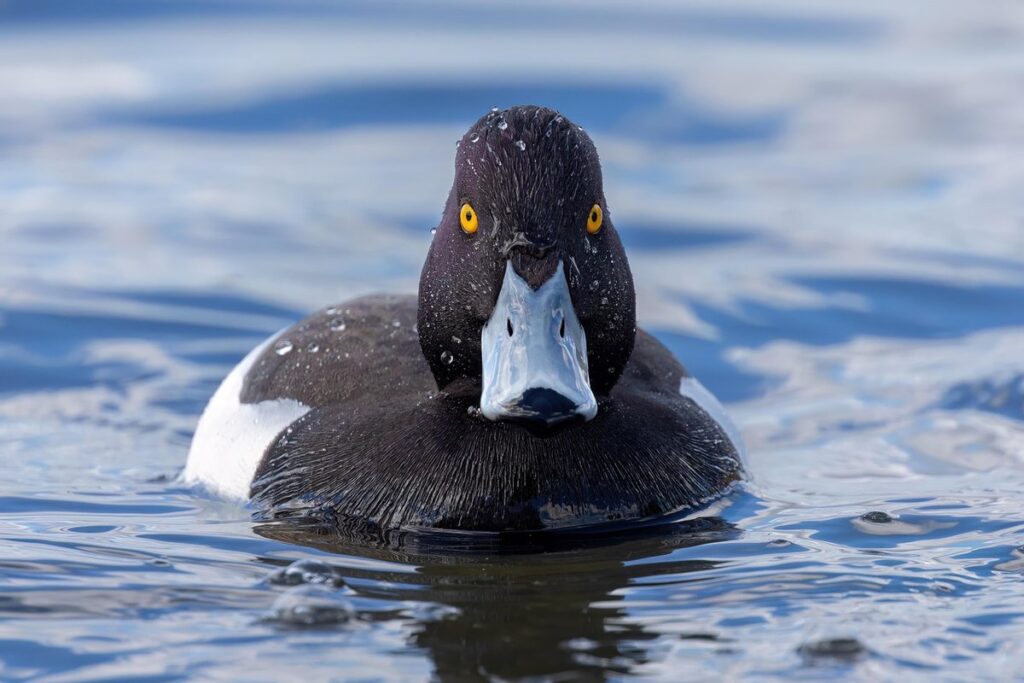
Understanding Duck Eye Anatomy
Let’s dive into the fascinating world of duck eye anatomy, where we’ll explore the unique features that make these eyes so remarkable and adaptable. We’ll take a closer look at the structure and function of each component.
The Structure of the Beak and Eye Connection
Ducks have a unique anatomy that allows their beak and eyes to work together seamlessly. This is due to the shared nerve supply that connects these two crucial features. The trigeminal nerve, responsible for facial sensations, also innervates the eye muscles, creating a direct link between the beak and visual system.
This connection enables ducks to have exceptional depth perception, essential for their aquatic lifestyle. When a duck approaches its surroundings, the beak detects subtle changes in water temperature or texture, which are then transmitted to the brain through the trigeminal nerve. Simultaneously, the eye receives visual input from the same nerve pathway, allowing the duck to refine its perception of depth.
This integration is crucial for hunting and foraging activities. Ducks use their beaks to feel out underwater structures, while their eyes scan for prey or potential threats. The shared nerve supply facilitates a synchronized response between the beak and eye, enhancing the duck’s ability to navigate and interact with its environment.
The Unique Shape and Size of Duck Eyes
Ducks have some of the most distinctive eyes in the avian world. Compared to other birds, their eyes are relatively large and spherical, giving them exceptional depth perception and a wide field of vision. In fact, ducks can see almost 360 degrees around themselves, thanks to their unique eye placement on the sides of their head. This allows them to detect predators from all angles and spot food in the water with ease.
The large size of duck eyes also means they have a greater amount of rods and cones, which are responsible for detecting light and color. This results in excellent low-light vision, making it easier for ducks to hunt and navigate during dawn and dusk hours when visibility is poor. Additionally, their eyes are protected by a nictitating membrane, or “third eyelid,” which helps keep them clean and free from debris while swimming.
This unique combination of features makes duck eyes perfectly suited to their aquatic lifestyle. Whether they’re foraging for plants, avoiding predators, or simply enjoying the water, ducks rely heavily on their exceptional vision to survive and thrive in their environment.
Eye Movement and Rotation in Ducks
Ducks have an impressive ability to move their eyes independently, allowing them to scan their surroundings simultaneously. This unique feature is made possible by the way their eye sockets are structured and the muscles that control their eye movements. Each eye has its own set of six external muscles, which are responsible for rotating the eyeball.
When a duck wants to look at something on its left or right side, it doesn’t need to rotate its entire head. Instead, the corresponding eye muscle contracts, allowing the eye to move independently in that direction. This ability is crucial for ducks, as it enables them to detect predators from multiple angles and respond quickly to threats.
The rotation mechanism of a duck’s eyes is also unique. The eyeball can rotate up to 90 degrees in each direction, thanks to the flexible connections between the muscles and the eyeball itself. This flexibility allows ducks to scan their surroundings without having to move their head or adjust their entire body position.
The Importance of Vision in Duck Behavior
Understanding why vision is crucial for duck behavior helps us appreciate their unique adaptations and survival strategies, making them all the more fascinating. Let’s dive into what makes duck vision so important.
Navigation and Migration
Navigation during migration is one of the most remarkable feats that ducks accomplish using their exceptional vision. As they travel thousands of miles each year between their breeding and wintering grounds, they rely heavily on visual cues to find their way. Landmarks such as mountains, rivers, and coastlines play a crucial role in guiding them along established migration routes.
Ducks also use the horizon line to determine their direction and altitude. By judging the position of the sun, moon, or stars, they can adjust their flight path accordingly. Additionally, patterns on the ground, like waterfowl trails or vegetation, help them identify familiar areas and navigate through unfamiliar territories.
It’s fascinating to note that some ducks have been observed using visual memory to recall specific landmarks and routes from previous migrations. This exceptional ability is a testament to the remarkable adaptation of their visual system, allowing them to migrate with impressive accuracy and efficiency year after year.
Foraging and Hunting Strategies
Ducks have evolved impressive foraging and hunting strategies that rely heavily on their exceptional vision. These strategies vary across species, each tailored to suit their unique dietary needs.
For example, dabbling ducks like Mallards and Blue-winged Teals use their keen eyesight to scan the water’s surface for insects, crustaceans, and small invertebrates. Their wide-set eyes allow them to detect movement on either side of their head, making them adept at detecting prey in multiple directions.
On the other hand, diving ducks like Harlequin Ducks and Goldeneye have adapted to a diet rich in aquatic plants and small fish. Their more centralized vision and ability to see underwater enable them to forage efficiently in this environment.
In addition to these strategies, many duck species also use their vision to detect potential threats or competitors. By keeping watchful eyes on the surroundings, ducks can avoid predators and assert dominance within their social groups.
Social Behavior and Communication
Vision plays a crucial role in social behavior among ducks, influencing everything from mate selection to courtship displays and aggression. When it comes to finding a partner, vision is key in helping ducks choose the perfect match. A study on wood duck mating habits found that females often choose males with the most vibrant plumage, which can be indicative of good health and strong visual abilities.
During courtship displays, vision allows ducks to showcase their best features, such as brightly colored feathers or impressive posturing. For example, male Mallards will often spread their tails and flap their wings to attract a female’s attention, all while making sure she sees the vibrant colors on their faces and necks.
However, vision can also play a role in aggression among ducks. When competing for resources or mates, ducks may engage in visual displays of dominance, such as aggressive posturing or loud quacking. In these situations, having sharp eyesight can give an individual duck an edge in the competition.
Health Issues Affecting Duck Eyes
Duck eyes are incredibly resilient, but they can still be susceptible to certain health issues that affect their overall well-being and vision. Let’s take a closer look at these potential problems.
Common Eye Problems
As we delve into the world of duck eyes, it’s essential to understand that like humans, ducks can also suffer from various eye problems. Some common issues affecting duck eyes include conjunctivitis, cataracts, and glaucoma.
Conjunctivitis is an inflammation of the conjunctiva, the thin membrane covering the white part of the eye. It’s usually caused by a bacterial or viral infection and can be spread through contact with contaminated water or feces. Symptoms may include redness, swelling, discharge, and squinting. Treatment typically involves administering antibiotics or anti-inflammatory medications.
Cataracts are cloudy areas that develop on the lens, impairing vision. They can result from aging, injury, or genetics. As cataracts progress, ducks may display clouded vision, difficulty seeing, and photophobia. Surgical removal of the affected lens is often the most effective treatment option.
Glaucoma, a condition characterized by increased eye pressure, can lead to vision loss if left untreated. It’s essential for duck owners to monitor their bird’s behavior, watching for signs such as squinting, redness, or difficulty seeing. Treatment may involve administering medication to reduce pressure or performing surgery in severe cases.
Regular veterinary check-ups and proper care can help prevent these conditions from arising in the first place. This includes maintaining clean living conditions, providing a balanced diet, and ensuring your duck receives regular exercise and mental stimulation.
Injury and Trauma to the Eyes
Injury and trauma to the eyes can be devastating for ducks, leading to temporary or even permanent vision loss. Scratches on the cornea, caused by accidents with twigs or branches, can cause discomfort, blurred vision, and sensitivity to light. In severe cases, scratches can lead to ulcers, which may require veterinary attention.
Lacerations, either from external sources like predators or internal issues such as tumors, can also damage the eye. The extent of the injury will determine the severity of the impact on vision. Foreign bodies in the eye are another common issue, with debris from plants, soil, or even water entering the eye and causing irritation.
In addition to physical trauma, psychological factors like stress can exacerbate existing conditions. A duck that is already dealing with a compromised immune system may be more susceptible to infection if injured. When observing ducks, it’s essential to recognize the signs of an injury, such as avoiding light or displaying abnormal behavior. If you suspect a duck has suffered eye trauma, consult a veterinarian for guidance on treatment and rehabilitation.
Evolutionary Adaptations of Duck Vision
Let’s dive into how duck vision has evolved over time, and explore the unique features that have helped ducks thrive in their environments. From detecting movement to seeing underwater, we’ll examine the fascinating adaptations of duck eyes.
Comparative Anatomy with Other Birds
When it comes to vision, ducks are not alone in the avian world. Comparative anatomy reveals that many bird species share similarities with duck eyes, but there are also some striking differences. For instance, the pigeon’s eye is smaller and more rounded than a duck’s, while the hawk’s has a larger pupil to accommodate its exceptional night vision.
One key difference between duck eyes and those of other birds lies in their unique reflective layer, known as the tapetum lucidum. This specialized structure allows ducks to see well in low light conditions, making them expert foragers at dawn and dusk when insects are most active. In contrast, some bird species like eagles and owls have a more robust tapetum lucidum that enables their exceptional night vision.
The beak shape and eye position also vary across different bird groups. Waterfowl like geese and swans, for example, have eyes placed on the sides of their heads, while shorebirds like sandpipers have them positioned forward on their head. This variation in anatomy reflects adaptations to specific environments and feeding behaviors.
Interestingly, researchers have found that ducks’ retinas contain a higher concentration of rods than cones compared to other birds, allowing for exceptional low-light sensitivity. This unique combination of visual features has likely contributed to the duck’s success as a highly adaptable and widespread bird species.
Environmental Pressures Shaping Eye Development
Ducks have evolved unique visual adaptations to thrive in their dynamic environments. Environmental pressures such as predation, competition for resources, and climate change likely influenced the development of duck vision.
Predators like owls, hawks, and foxes pose a significant threat to ducks, especially during breeding seasons when they’re most vulnerable. As a result, ducks have developed exceptional low-light sensitivity and wide peripheral vision, allowing them to detect potential threats from afar. For instance, wood ducks have been observed using their exceptional night vision to forage for food under the cover of darkness.
Climate change has also driven adaptations in duck vision. Warmer temperatures and altered water levels require ducks to adapt quickly to new environments. Some species, like mallards, have developed a more efficient visual system that allows them to detect subtle changes in light intensity and water depth.
As we can see from these examples, environmental pressures have shaped the evolution of duck vision over time. By understanding these adaptations, we can better appreciate the remarkable abilities of ducks and perhaps even learn from their resilience in the face of adversity.
Interesting Facts About Duck Eyes
Did you know that duck eyes have some remarkable features, like being able to see 10 times better underwater than humans? Let’s dive into some fascinating facts about these amazing peepers.
Myths and Misconceptions
When it comes to duck eyes, there are several common myths and misconceptions that need to be debunked. One such myth is that ducks have poor eyesight due to their unique visual system. However, this couldn’t be further from the truth. Ducks actually have exceptional vision, with a wider field of view than humans, thanks to their monocular vision.
Another misconception is that ducks rely solely on their sense of smell for navigation and hunting. While it’s true that ducks use their sense of smell, they also heavily rely on their visual acuity to detect predators, find food, and even recognize other ducks. In fact, studies have shown that ducks can detect movement up to 300 feet away, making them one of the most vigilant birds in the water.
Ducks are also often misunderstood when it comes to seeing underwater. Contrary to popular belief, ducks don’t see blurry or distorted images while swimming beneath the surface. Their eyes actually adapt to the changing light conditions and allow them to see with remarkable clarity even at depths up to 6 feet.
By understanding these facts, you can appreciate the incredible visual abilities of ducks and debunk common misconceptions about their eyesight. Next time you spot a duck waddling by the water’s edge, remember that it’s not just seeing the world around it – it’s actually having an advantage over its surroundings!
Record-Breaking Vision Capabilities
When it comes to vision capabilities, ducks have consistently proven themselves to be one of the most impressive birds in this regard. For instance, studies have shown that certain species of ducks possess visual acuity that surpasses even that of humans. In fact, some research suggests that a few duck species can see objects as small as 2 millimeters from a distance of up to 20 meters – an extraordinary feat considering our own visual capabilities peak at around 1 centimeter.
But what’s truly remarkable is the unique adaptations ducks have developed for low-light conditions. Their eyes contain a reflective layer called the tapetum lucidum, which allows them to see in near darkness by reflecting any available light back onto the retina. This means that, unlike humans who struggle to navigate during dawn or dusk, ducks can hunt and gather with ease even at the most unfavorable times.
This remarkable vision enables ducks to thrive in a variety of environments, from wetlands to open fields.
Conservation Implications for Duck Eye Health
As we explore the intricate world of duck eyes, it’s essential to consider how human actions impact their health and well-being. In this critical context, conservation implications are crucial for preserving these incredible creatures.
Habitat Destruction and Fragmentation
Habitat destruction and fragmentation have severe consequences for duck populations, indirectly affecting their eye health. When natural habitats are destroyed or broken into smaller fragments, ducks lose access to essential resources such as food, water, and shelter. This can lead to malnutrition, dehydration, and increased stress levels, all of which can compromise a duck’s vision.
Conservation efforts focus on preserving large, contiguous areas for duck populations to thrive in. The creation of wildlife reserves, national parks, and protected areas helps safeguard habitats from human activities like deforestation, agriculture expansion, and urbanization. For example, the establishment of wetlands along riverbanks and coastal regions has allowed many waterfowl species, including ducks, to adapt and recover.
To support duck conservation, you can make a difference by:
* Supporting organizations that work on habitat preservation and restoration
* Reducing your carbon footprint to mitigate climate change impacts on ecosystems
* Planting native vegetation in your community to create wildlife-friendly habitats
Human Impact on Water Quality
Poor water quality is a significant threat to duck eye health, often overlooked but crucial for their well-being. When ducks are exposed to contaminated or degraded water sources, it can lead to various eye problems and diseases. One of the primary concerns is pollution from agricultural runoff, industrial effluents, and sewage. These pollutants can cause irritation, inflammation, and damage to the cornea, conjunctiva, and eyelids.
Algal blooms, often resulting from excess nutrient levels in water bodies, are another concern for duck eye health. When these toxic algae break down, they release substances that can be toxic to ducks, causing eye problems such as conjunctivitis, corneal ulcers, and even blindness. In addition, poor water quality can lead to the growth of certain bacteria, fungi, or protozoa, which can infect duck eyes.
For example, in 2019, a severe outbreak of avian cholera occurred among ducks in a lake affected by agricultural runoff. The disease caused significant eye damage and blindness among the affected population. Such incidents highlight the importance of maintaining clean water sources for duck habitats.
Frequently Asked Questions
Can ducks see underwater, or do they rely on other senses to navigate murky waters?
Ducks can indeed see underwater, thanks to their unique tear duct system that helps keep their peepers clean. However, they also use a combination of visual and non-visual cues to navigate through water. They have exceptional peripheral vision, which allows them to detect movement and potential threats from the sides.
How does duck eye anatomy contribute to their impressive depth perception?
The unique shape and size of duck eyes play a significant role in their remarkable depth perception. Their eyes are positioned on the sides of their head, allowing for nearly 360-degree vision. This, combined with their exceptional binocular vision, enables them to judge distances and depths with incredible accuracy.
Can ducks see in multiple directions simultaneously, or do they have limited field of view?
Yes, ducks can indeed see in multiple directions at once due to their impressive peripheral vision. Their eyes are positioned on the sides of their head, allowing for almost complete overlap of their visual fields. This enables them to detect movement and potential threats from a wide range of angles.
How do duck eyes adapt to different lighting conditions, such as bright sunlight or low light?
Ducks’ eyes have adapted to various lighting conditions through their unique structure and function. Their corneas are shaped in a way that allows them to focus light efficiently, while their irises can adjust to control the amount of light entering the eye. This adaptation enables them to see clearly in both bright sunlight and low-light conditions.
Can duck vision be affected by environmental factors such as pollution or water quality?
Yes, duck vision can indeed be impacted by environmental factors like pollution and poor water quality. Exposure to pollutants can damage their eyes and affect their vision capabilities. Additionally, murky waters can compromise their ability to see underwater, making it harder for them to find food and navigate their surroundings.