
Are you preparing to welcome new ducklings into your flock? One crucial aspect to get right is creating a safe and effective brooding environment. A poorly managed temperature can be disastrous for your precious quackers, leading to health issues or even loss of life. That’s why having a reliable duckling brooder temp chart is essential for every waterfowl enthusiast.
In this article, we’ll take you through the ultimate guide to setting up and maintaining the perfect brooding conditions for your ducklings. We’ll cover the importance of temperature zones, various heat sources, and provide you with a comprehensive brooder temperature chart to ensure you’re providing the best possible start in life for your new additions. By following our expert guidelines, you’ll be able to create a thriving brood that grows strong and healthy under your care.
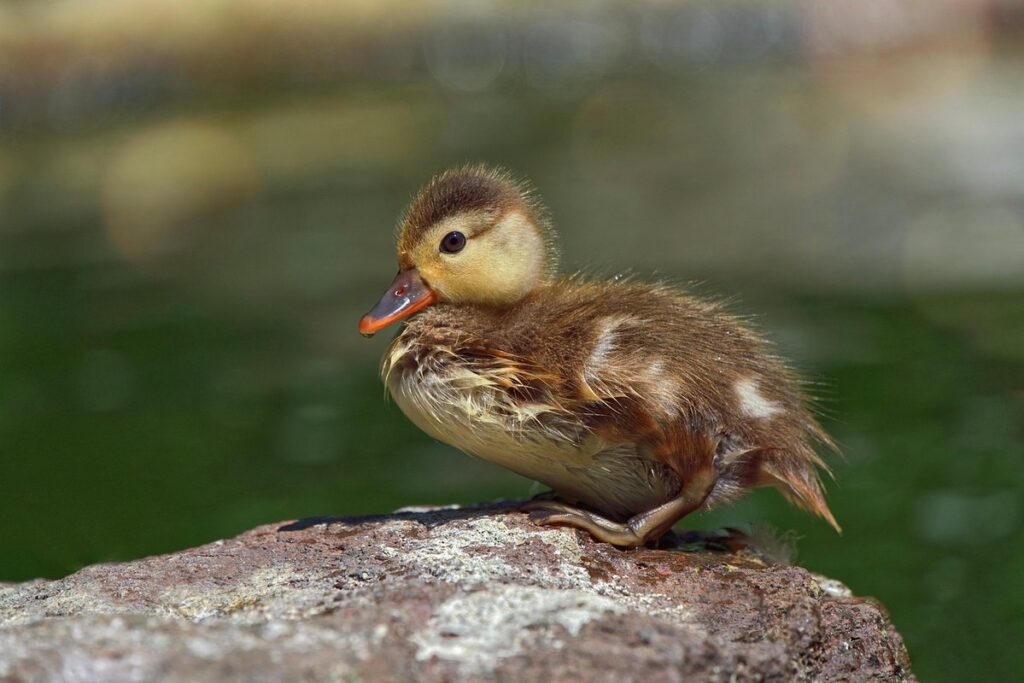
Understanding Duckling Development and Temperature Needs
When raising ducklings, understanding their development stages is crucial to providing optimal temperature conditions for healthy growth. We’ll dive into the specifics of each developmental phase in this section.
Importance of Proper Brooding Temperature for Newborn Ducklings
Ducklings require a precise brood temperature for optimal growth and development. If the environment is too cold or hot, it can have detrimental effects on their health and overall well-being. A consistent and controlled brood temperature helps regulate metabolic processes, promotes normal feathering, and reduces stress.
When ducklings are exposed to extreme temperatures, they may suffer from respiratory problems, weakened immune systems, or even death. For instance, if the temperature is too low (around 90°F/32°C), ducklings will have difficulty metabolizing nutrients, leading to stunted growth and poor feather quality. Conversely, excessive heat can cause dehydration, increased water consumption, and a heightened risk of disease.
Maintaining an optimal brood temperature between 90-95°F (32-35°C) is crucial for healthy development. Monitor the temperature regularly and adjust as necessary to ensure a stable environment. Additionally, provide adequate ventilation to prevent moisture buildup and maintain air quality within the brooder. By doing so, you’ll be giving your ducklings the best possible start in life and setting them up for a long, happy, and healthy existence.
Factors Influencing Ideal Brooding Temperature
When it comes to determining the ideal brooding temperature for ducklings, several factors come into play. One of the most significant variables is the species of duck you’re raising. Different breeds have unique temperature requirements, so it’s essential to research the specific needs of your ducks.
For example, Muscovy and Wood Ducks require a slightly warmer temperature than Khaki Campbells or Pekin ducks. Generally speaking, most ducklings thrive in temperatures between 90-95°F (32-35°C) during their first week, gradually decreasing by about 5°F (3°C) each week thereafter.
Another critical factor is the age of your ducklings. Younger birds need warmer temperatures to stay healthy and develop properly. The humidity level in your brooder also plays a role, as high humidity can make your ducks feel cooler than they actually are. As a general rule, aim for 30-50% relative humidity to maintain optimal comfort.
Keep an eye on your ducklings’ behavior, adjusting the temperature accordingly. If they seem too hot or cold, it’s time to make some adjustments.
Creating a Safe and Effective Brooder Environment
To create a thriving brood, it’s essential to set up a safe and effective environment that protects your ducklings from drafts, moisture, and predators. A well-designed brooder will help prevent health issues down the line.
Setting Up the Perfect Brooder: Space and Ventilation Requirements
When setting up a brooder for your ducklings, it’s essential to get the space and ventilation right. A well-designed brooder should provide enough room for your ducklings to move around comfortably without feeling cramped.
A good rule of thumb is to allocate at least 2-3 square feet of space per duckling in the first few weeks after hatching. This allows them to stretch their wings, exercise, and prevent overcrowding, which can lead to health issues. As they grow, you’ll need to provide more space to accommodate their increasing size.
Ventilation is another crucial aspect of brooder design. Ducklings produce a lot of heat and moisture, so it’s essential to ensure good airflow to prevent the buildup of ammonia from their droppings. Aim for at least 1 inch of ventilation per square foot of floor space. You can achieve this by installing windows or vents in your brooder or using a fan to circulate air.
Remember, proper ventilation also helps to regulate temperature and humidity levels within the brooder. This is especially important when keeping ducklings indoors during extreme weather conditions. By providing adequate space and ventilation, you’ll be creating an environment that supports the healthy growth and development of your feathered friends.
Choosing the Right Heat Source for Your Brooder
When it comes to choosing the right heat source for your brooder, you’ll want to consider several factors. One of the most popular options is heat lamps, which are often favored for their ability to provide a high concentration of heat exactly where it’s needed. However, they can also be a fire hazard if not monitored closely.
Ceramic heat emitters, on the other hand, offer a safer alternative by providing a more even distribution of heat without the risk of burns or fires. They’re often less expensive and energy-efficient than heat lamps, making them a great option for large brooders or for those on a budget.
Another factor to consider is the age and size of your ducklings. Younger ducks require a higher temperature than older ones, so you’ll want to choose a heat source that can accommodate their specific needs. It’s also essential to ensure that any heat source is placed safely out of reach to prevent accidental burns or injuries. By carefully selecting the right heat source for your brooder, you’ll be able to provide a safe and comfortable environment for your ducks to thrive in.
Some popular options include infrared heat lamps, ceramic heat emitters with built-in thermostats, and radiant heat panels. Each has its pros and cons, but by weighing these factors and considering your specific situation, you can choose the best option for your brooder.
The Duckling Brooder Temperature Chart: Essential Guidelines
To ensure your ducklings grow and thrive, it’s crucial to maintain a consistent brood temperature. This chart provides essential guidelines for achieving optimal temperatures.
Understanding the Temperature Zones for Different Age Groups
As ducklings grow and develop, their temperature requirements change significantly. The ideal brooder temperature zone varies greatly depending on their age, from newborns to young ducklings and eventually to mature birds. For the first four weeks of life, it’s essential to maintain a consistent temperature between 90-95°F (32-35°C) to ensure proper growth and development.
At this stage, ducklings need warmth to regulate their metabolism and stay comfortable. A drop in temperature can lead to stunted growth and health issues. However, as they grow older, the temperature requirements gradually decrease. Between four to five weeks, you can start lowering the temperature by 5-10°F (3-6°C) every few days until it reaches a consistent range of around 75-80°F (24-27°C).
For ducklings over five weeks old, you can maintain a lower temperature zone of around 70-75°F (21-24°C). At this stage, they’re almost fully grown and require less warmth to stay comfortable.
How to Use the Temperature Chart Effectively
Using the temperature chart effectively is crucial for maintaining optimal conditions in your duckling brooder. Start by regularly monitoring the temperature with a reliable thermometer to ensure you’re within the recommended range of 90-95°F (32-35°C) during the first week, and 80-85°F (27-29°C) thereafter.
Keep an eye on any sudden changes or fluctuations in temperature, as this can be stressful for the ducklings. If you notice a drop, try to adjust your heating source by 1-2 degrees to compensate. Conversely, if it gets too hot, provide additional ventilation or turn off the heat altogether.
Check the chart frequently and make adjustments as needed. You may need to tweak the temperature several times throughout the day, especially during extreme weather conditions. Remember that every hour counts, and maintaining a stable environment is vital for your ducklings’ health and development.
Monitoring and Maintaining Optimal Brooder Temperatures
Now that you know how to read the brooder temperature chart, it’s time to learn how to maintain those perfect temperatures. We’ll walk through what you need to do daily to keep your ducklings safe and healthy.
Essential Equipment for Temperature Monitoring: Thermometers and Hygrometers
When it comes to maintaining optimal brooder temperatures for your ducklings, having the right equipment is crucial. You’ll need thermometers and hygrometers that can accurately measure temperature and humidity levels. There are several types of thermometers suitable for brooder temperature control.
Digital thermometers with a high-accuracy reading (±0.1°C) are ideal for precise monitoring. They’re often battery-powered, wireless, or Bluetooth-enabled, making it easy to track temperatures from a distance. For example, the Taylor Precision Products Digital Thermometer is a popular choice among backyard farmers.
When choosing a thermometer, consider its durability and calibration requirements. Some thermometers come with an external probe, allowing for more precise readings in brooder corners or near heat sources.
As for hygrometers, look for ones that can measure humidity levels accurately (±1-2%). These instruments help prevent dehydration and respiratory issues in ducklings. Many digital hygrometers also display temperature readings simultaneously, making them a great addition to your monitoring setup.
Troubleshooting Common Issues with Brooder Temperature Fluctuations
When dealing with brooder temperature fluctuations, it’s essential to remain vigilant and take swift action to prevent heat stress. One common issue is rapid temperature drops, which can occur due to sudden changes in ambient temperature, door openings, or inadequate insulation.
To troubleshoot this problem, ensure your brooder has adequate insulation, such as a thick layer of bedding material like straw or shredded paper. Regularly check for gaps around windows and doors, sealing any holes with caulk or weatherstripping to maintain a tight seal.
Another issue is uneven temperature distribution within the brooder. This can be caused by inadequate air circulation or insufficient heat sources. Monitor the temperature in different areas of the brooder using thermometers, and adjust as needed to ensure even heating.
In extreme cases, you may need to use supplemental heat sources like radiant heat lamps or space heaters to maintain a stable environment. However, always follow safety guidelines when introducing new heat sources, ensuring they’re at least 2-3 feet away from the ducklings to prevent burns or fires.
Feeding, Watering, and Hygiene in the Brooder
Now that we’ve covered temperature control, let’s dive into the essential daily care tasks for your ducklings: feeding, watering, and maintaining a clean brooding environment. Proper hygiene is crucial to prevent disease in young ducks.
Dietary Needs and Recommendations for Duckling Growth
When it comes to raising healthy ducklings, proper nutrition plays a crucial role in their development. Ducklings require a balanced diet that includes essential nutrients for growth and immune function.
Protein is the primary macronutrient needed by ducklings, especially during the first few weeks of life. A minimum of 18-20% protein content in their feed is recommended to support muscle growth and feather development. However, it’s also important not to overdo it – too much protein can lead to metabolic bone disease.
Calcium is another vital nutrient for young ducklings as it supports strong bone development. Include oyster shells or crushed eggshells in their diet to provide a natural source of calcium.
You should also introduce whole grains like oats, barley, and millet gradually into their feed after the first week. This will help them get accustomed to different textures and flavors. Fresh vegetables like leafy greens and fruits can be given as treats once a day.
A good rule of thumb is to follow a starter-grover-finisher approach in feeding your ducklings. For example, a starter feed with 20% protein content can be used until they’re around 4-5 weeks old, followed by a grover feed with 15-18% protein until they reach 12-14 weeks of age.
Best Practices for Providing Clean Water and Maintaining a Healthy Environment
Providing clean water and maintaining a healthy environment is crucial for duckling growth and development. Fresh water should be accessible at all times, and it’s essential to ensure the waterer is cleaned regularly to prevent bacterial growth. A general rule of thumb is to change the water completely every 8-12 hours.
In addition to providing clean drinking water, maintaining a healthy environment in the brooder is also vital. This includes keeping the area free from debris, droppings, and uneaten food. You can do this by regularly cleaning the brooder with a disinfectant solution, removing soiled bedding, and replacing it with fresh material.
To maintain good hygiene, make sure to wash your hands thoroughly before and after handling the ducklings. This will help prevent the transfer of bacteria and diseases that can be detrimental to their health. It’s also crucial to monitor the brooder’s temperature regularly to ensure it remains within a safe range for the ducklings.
Health Considerations and Common Issues Affecting Ducklings
When it comes to raising ducklings, there are several health considerations you should be aware of, such as brooder sickness and malnutrition. We’ll explore these common issues in more detail here.
Recognizing Signs of Temperature-Related Stress or Illness
As you care for your ducklings, it’s essential to recognize the signs of temperature-related stress or illness. Temperature fluctuations can lead to a range of health issues that affect your little ones’ overall well-being. One common problem associated with temperature variations is respiratory distress.
Ducklings may exhibit labored breathing, wheezing, or even gasping for air due to extreme temperatures. If you notice any unusual sounds or patterns in their breathing, take immediate action by moving them to a more comfortable zone within the brooder.
Another critical sign of temperature-related stress is lethargy. Ducklings that appear sluggish or reluctant to move around may be experiencing discomfort due to temperature fluctuations. Monitor your ducklings’ behavior closely and adjust the brooder temperature as needed.
In extreme cases, temperature fluctuations can lead to life-threatening conditions such as hypothermia or hyperthermia. Keep a close eye on your ducklings and intervene promptly if you notice any signs of distress. Remember, maintaining optimal temperatures within the brooder is crucial for your ducklings’ health and happiness.
Managing Common Brooder Pests and Diseases
Managing common brooder pests and diseases is crucial to raising healthy ducklings. Pests like mites, lice, and fleas can be challenging to control, but prevention is key. Regularly clean the brooder, remove soiled bedding, and disinfect surfaces with a 1:10 solution of bleach and water will help prevent infestations.
Mites are a common issue in duckling brooders, especially during hot weather. These tiny parasites feed on the blood and eggs of ducklings, causing anemia and lethargy. Use a dusting powder containing sulfur or pyrethrin to control mite infestations.
Diseases like coccidiosis, pastern dermatitis, and respiratory infections are also common in brooder environments. Vaccinate your ducklings against diseases that are prevalent in your area, such as Marek’s disease. Keep the brooder well-ventilated, maintain a clean environment, and ensure proper feeding and watering practices to prevent bacterial and viral infections.
Monitor your ducklings regularly for signs of illness or stress, such as labored breathing, loss of appetite, or diarrhea. Consult a veterinarian if you suspect an infection, and take prompt action to treat the issue.
Conclusion: Raising Happy and Healthy Ducks with a Properly Managed Brooder
Now that you’ve learned how to create the perfect brooding environment for your ducklings, let’s discuss how to maintain it for their long-term health and happiness.
Recap of Key Points for Achieving Success in Duckling Care
As you’ve reached the end of this comprehensive guide on duckling brooder temperature charts, it’s essential to recap the key points to ensure you’re well-equipped with the necessary knowledge for raising happy and healthy ducks. By now, you should have a solid understanding of how to manage your brooder’s temperature effectively.
To begin with, remember that temperature control is crucial during the first few weeks of duckling development. You’ll need to maintain a consistent temperature between 90°F (32°C) and 95°F (35°C), gradually decreasing it by 5°F (3°C) every week as your ducklings grow. This allows them to adapt to their surroundings without getting chilled or overheated.
Another vital aspect is providing adequate ventilation in the brooder. You’ll need to ensure there’s sufficient airflow to prevent moisture buildup and maintain a healthy environment for your ducklings. A temperature range of 50-60°F (10-15°C) can be tolerated during cold temperatures, but make sure it doesn’t drop below this point as it may cause respiratory issues.
It’s also crucial to monitor the brooder’s humidity levels. While they should not exceed 60%, it’s essential to maintain a slightly higher humidity when your ducklings are young to prevent dehydration and skin problems.
Additionally, be aware of your specific breed’s needs regarding temperature tolerances. Some breeds may require more attention than others in terms of maintaining optimal temperatures.
Lastly, don’t forget that consistency is key when managing the brooder’s temperature. Avoid making drastic changes, as this can cause stress to your ducklings and potentially lead to health issues. By keeping these essential takeaways in mind, you’ll be well on your way to raising a happy, healthy flock of ducks.
Frequently Asked Questions
Can I use a thermostat to regulate the brooder temperature?
Yes, using a digital thermostat is an excellent way to maintain precise control over your brooder’s temperature. This device can be connected to various heat sources and will automatically turn them on or off as needed to maintain the desired temperature. Make sure to select a thermometer with accurate readings and a reliable connection to ensure optimal performance.
What if I notice sudden fluctuations in temperature despite using a thermostat?
If you experience sudden changes in brooder temperature, check for any issues with your heat source, such as a malfunctioning heating element or an open window causing cold air to enter. You should also inspect your ductwork and insulation for any gaps that could be affecting the temperature inside the brooder.
How often should I monitor my ducklings’ environment?
To ensure optimal growth and health, you should regularly check on the brooder’s conditions at least three times a day, including monitoring temperatures with thermometers and ensuring proper ventilation. This will also allow you to identify any potential issues early on, preventing temperature-related stress or illness in your ducklings.
What are some essential items I need for accurate temperature readings?
To accurately monitor the temperature inside your brooder, it’s crucial to have both a thermometer and a hygrometer. The thermometer measures air temperature, while the hygrometer tracks humidity levels. These tools will give you a comprehensive understanding of your environment and help you make necessary adjustments.
Can I use a single heat source for all age groups in my duckling brooder?
No, each developmental stage has distinct temperature requirements to ensure optimal growth and health. For example, newborn ducklings need temperatures between 90°F (32°C) and 95°F (35°C), while older ducklings require slightly cooler conditions around 85°F (29°C). Using a single heat source for all age groups can be detrimental to their well-being and may even lead to temperature-related stress or illness.