
Are you raising waterfowl for the first time or just trying to ensure your young ducks receive the best possible start in life? Choosing the right food can be overwhelming, especially when it comes to duckling feed versus chick feed. As a responsible and dedicated waterfowl breeder, you know that feeding your young ones the correct nutrition is crucial for healthy growth and development.
But what’s the difference between duckling feed and chick feed? How do they meet the unique needs of each species? In this article, we’ll break down the key differences between these two types of feed, so you can make informed decisions about what to feed your young waterfowl. By the end of this post, you’ll be equipped with the knowledge to provide your ducklings with optimal nutrition and set them up for a strong, healthy start in life.
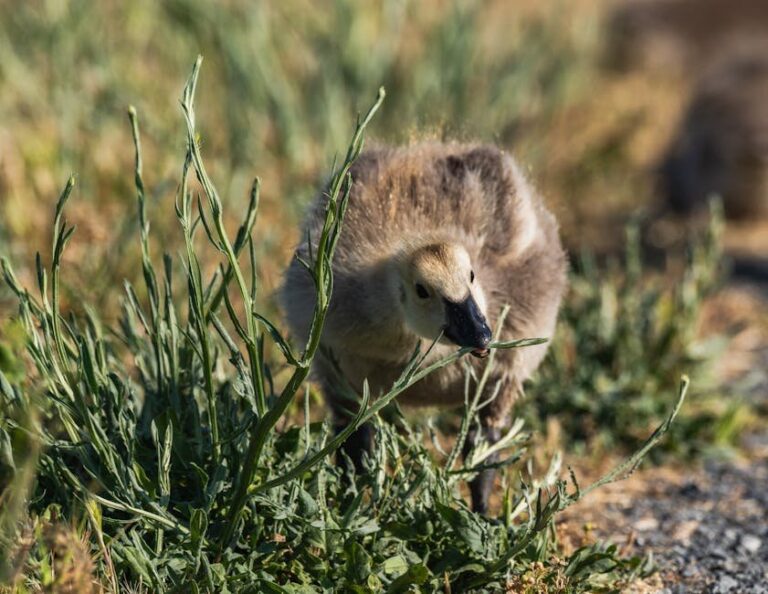
Introduction to Feeding Young Waterfowl
When it comes to feeding young waterfowl, choosing the right food is crucial for their growth and development. In this section, we’ll break down the key differences between duckling feed and chick feed.
Importance of Proper Nutrition
Providing proper nutrition is crucial when it comes to feeding young waterfowl. The dietary needs of ducklings and chicks are quite distinct from one another, and failing to meet these requirements can lead to a range of health issues.
A diet lacking essential nutrients can cause stunted growth, weakened immune systems, and an increased susceptibility to disease in both ducklings and chicks. For instance, a lack of vitamin A in their diet can result in problems with vision, skin integrity, and the immune system as a whole. Similarly, inadequate protein levels can hinder proper feather development and overall health.
To avoid these potential issues, it’s essential to choose feed that’s specifically formulated for either ducklings or chicks. For example, starter chick feed contains higher levels of calcium to support strong bone growth, whereas duckling feed has more fat content to help regulate their body temperature in cold water environments.
Key Nutrient Requirements
Young waterfowl require a balanced diet rich in essential nutrients to support their rapid growth and development. At the top of the list are proteins, which make up about 20-25% of a duckling’s body weight. Adequate protein intake is crucial for muscle growth, feather development, and immune function. Amino acids such as methionine, lysine, and arginine are particularly important, so choose a feed that is high in these essential amino acids.
Fats, on the other hand, provide energy and help with feather growth and maintenance. Vitamins like vitamin A, D3, and E play critical roles in overall health, while minerals such as calcium, phosphorus, and potassium support strong bones and muscle function. Vitamin B complex is also vital for metabolic processes, energy production, and nerve function.
When selecting a feed, look for products that list specific nutrient profiles or guarantees. Some feeds may offer a ‘waterfowl-specific’ blend with enhanced levels of certain nutrients. Always follow the manufacturer’s guidelines and provide fresh water at all times to ensure optimal nutrient absorption. Consider supplementing with fruits, vegetables, and grains to add variety and support overall health.
Understanding Duckling Feed
When it comes to feeding your ducklings, choosing the right food is crucial for their growth and health. This section will break down what you need to know about duckling feed.
Age-Specific Feeding Needs
Ducklings have distinct feeding needs at different stages of their growth. From hatching to maturity, they require a series of nutrient-dense feeds that cater to their increasing demands.
At one day old, ducklings need a starter feed with around 20-22% protein content to support rapid growth and development. As they grow, the protein level can be gradually decreased to around 18-20%. It’s essential to transition them from starter feed to grower feed between 4-6 weeks of age.
A common mistake many duck owners make is not adjusting their feeding schedule according to the duckling’s age. This can lead to digestive issues or stunted growth. For instance, if you’re using a single feed type for both starter and grower stages, your ducklings may experience diarrhea or other health problems due to nutrient overload.
To avoid these issues, it’s crucial to follow a structured feeding plan that accounts for the changing needs of your ducklings. Start by introducing starter feed at one day old and gradually introduce grower feed at around 4-6 weeks. You can also consider adding supplements like calcium or probiotics to their diet during specific stages. By doing so, you’ll ensure your ducklings receive a balanced diet that supports optimal growth and health throughout their development.
Key Features of High-Quality Duckling Feed
A high-quality duckling feed is crucial for the health and growth of your young ducklings. When selecting a feed for your ducklings, look for products that provide a balanced mix of nutrients essential for their development. A good duckling feed should contain adequate amounts of protein (minimum 16% on a dry matter basis), which helps build muscles, skin, and feather tissues.
The feed should also be rich in energy-providing ingredients like corn or wheat to support growth and development. Vitamin and mineral supplements, such as vitamin E, calcium, and phosphorus, are vital for maintaining optimal health and preventing deficiencies. Moreover, a high-quality duckling feed should have good digestibility, which ensures that your ducklings absorb the nutrients they need without experiencing digestive issues.
When choosing a duckling feed, opt for products specifically formulated for waterfowl, as these will provide the correct balance of nutrients for healthy growth. Consider the age and breed of your ducklings when selecting a feed to ensure you’re meeting their specific nutritional needs.
Understanding Chick Feed
Let’s dive into understanding chick feed, which is often mistaken for duckling feed due to their similarities and shared nutritional needs. We’ll explore what makes chick feed unique.
Nutritional Differences Between Chick Feed and Duckling Feed
When it comes to feeding your ducklings and chicks, it’s essential to understand the nutritional differences between chick feed and duckling feed. While both types of feed provide the necessary nutrients for growth and development, there are distinct variations in their composition.
Chick feed is formulated to meet the needs of young chickens, with a higher concentration of protein (around 18-20%) and energy-rich ingredients like corn and soybeans. This type of feed is designed to support rapid growth rates, typically seen in chicks during the first few weeks of life. On the other hand, duckling feed tends to have a slightly lower protein content (around 15-18%), with more emphasis on fiber-rich ingredients like oats and barley.
This difference in nutrient composition is crucial for supporting the unique digestive systems of ducks. A diet high in protein can lead to digestive issues and potentially harm your ducklings’ health. To ensure you’re providing the right nutrition, look for feeds specifically labeled as “duckling feed” or “waterfowl feed.” These products will have a more balanced mix of nutrients tailored to meet the needs of your feathered friends.
Pros and Cons of Using Chick Feed for Ducklings
While ducklings and chicks share some similarities, their nutritional needs are not identical. Using chick feed for ducklings may seem like a convenient option, but it’s essential to weigh the pros and cons.
On one hand, chick feed is often formulated to meet the high energy demands of growing chicks, which can lead to rapid weight gain in ducklings as well. Additionally, some commercial chick feeds contain added nutrients that might benefit ducklings during critical growth periods. For example, a 2018 study on duckling nutrition found that feeding a starter diet similar to chick feed resulted in improved growth rates and feed efficiency.
However, there are also potential risks associated with using chick feed for ducklings. Feeding chicks is designed to promote rapid growth, which can lead to an increased risk of developmental problems in ducks, such as joint issues or skeletal deformities. Furthermore, some chick feeds may contain ingredients toxic to waterfowl, like high levels of protein or specific additives.
Before making the switch, it’s crucial to consult with a veterinarian or poultry expert to determine the best feeding strategy for your ducklings. They can help you create a customized diet that meets their unique needs and minimizes potential risks.
Feeding Your Waterfowl: Tips and Best Practices
When it comes to feeding your ducklings, choosing the right food can be a bit overwhelming. In this section, we’ll break down the key differences between duckling feed and chick feed.
Providing Adequate Space and Hydration
Providing adequate space and hydration is crucial for the overall well-being of ducklings and chicks. A cramped environment can lead to stress, which can weaken their immune systems and make them more susceptible to diseases. Ensure that you have a spacious enclosure that allows your waterfowl to move around comfortably.
For ducklings, it’s recommended to provide at least 2-4 square feet of space per bird inside the coop and an additional 10-15 square feet in the run or outside area. Chicks require slightly less space, with a minimum of 1-3 square feet per bird inside the coop and 5-10 square feet in the run.
Fresh water is equally essential for your ducklings’ and chicks’ health. Change the water frequently to prevent bacterial growth, and ensure that it’s easily accessible at all times. A good rule of thumb is to provide one gallon of water per duckling or chick. You can also add a few drops of apple cider vinegar to the water to help maintain its pH level and keep your birds healthy.
By providing sufficient space and fresh water, you’ll be giving your ducklings and chicks the best possible start in life. Remember to monitor their behavior and adjust their living arrangements accordingly.
Monitoring Growth and Health Indicators
Monitoring growth is crucial to ensure that your ducklings are receiving adequate nutrition. To do this, weigh them regularly using a digital baby scale, and keep track of their progress over time. A healthy duckling will typically gain about 1/4 pound per week. Measure their length from the beak to the vent by gently stretching out their body against a ruler.
Observe your waterfowl’s overall behavior daily. Watch for signs of lethargy or reluctance to move, which can indicate nutritional deficiencies or illness. Also, inspect their droppings: greenish stools may signal liver issues, while white chalky stools could be an indicator of calcium deficiency.
In terms of health indicators, monitor your ducklings’ feathers and skin for any unusual changes in texture or coloration. Feather loss or discoloration can signify stress or nutritional imbalances. Regularly inspect their eyes and ears for signs of discharge, as this may indicate an infection. Be aware of respiratory issues like wheezing or coughing, which can be exacerbated by poor air quality.
Keep a close eye on your waterfowl’s overall vitality. A healthy young duck will typically have shiny feathers, bright eyes, and be active. If you notice any deviations from these norms, consult with an avian expert to ensure the health of your flock.
Special Considerations for Small-Scale Waterfowl Keepers
If you’re a small-scale waterfowl keeper, you’ll want to know how to provide the best nutrition for your ducklings and young chickens, especially when it comes to choosing between different types of feed.
Challenges Faced by Backyard Breeders
As a small-scale waterfowl keeper, you’re likely no stranger to the challenges of providing optimal nutrition for your feathered friends. Backyard breeders often face unique hurdles when it comes to feeding their ducks and geese. Limited space and resources can make it difficult to provide a varied and nutritious diet.
One major challenge is meeting the diverse nutritional needs of different waterfowl species. Each type of duck or goose has specific requirements for proteins, fats, vitamins, and minerals. For example, Muscovy ducks require more protein than Pekin ducks, while geese need a higher calcium content to support strong bone growth.
To overcome these limitations, consider the following strategies: prioritize quality over quantity by offering a limited range of nutrient-dense feed, supplement with fresh fruits and vegetables, and plan for regular changes in your feeding schedule to ensure variety. By being mindful of your birds’ nutritional needs and taking proactive steps to provide optimal nutrition, you can help keep your flock healthy and thriving despite the challenges of small-scale waterfowl keeping.
Tips for Improving Nutrition in a Home Environment
When it comes to raising ducklings and chicks, providing them with nutrient-rich feed is essential for their growth and development. However, when you’re working with limited resources, it can be challenging to ensure they get everything they need. Here are some practical tips to help improve the nutritional quality of feed in a home environment:
Start by mixing their own feed using whole grains such as oats, barley, and wheat. This will provide them with fiber, vitamins, and minerals essential for growth. You can also add supplements like dried mealworms or crushed eggshells to boost protein content. Consider rotating the types of vegetables you offer daily to ensure they get a variety of nutrients.
Another effective way is to grow your own greens and herbs in pots or even indoors using hydroponics. Leafy greens like kale, spinach, and collard greens are rich in vitamins A and E, as well as calcium for strong bone growth. Don’t forget to provide fresh fruits like berries and melons on occasion, which are high in antioxidants and fiber.
Remember, the key is variety and rotation of food sources. With a little creativity and planning, you can significantly improve the nutritional quality of feed for your ducklings or chicks, even with limited resources.
Conclusion and Final Recommendations
Now that we’ve weighed the pros and cons of duckling feed vs chick feed, it’s time to summarize our findings and offer some final recommendations for raising healthy birds.
Recap of Key Takeaways
To ensure the health and well-being of your young waterfowl, it’s crucial to provide them with suitable feed. In this article, we’ve discussed the differences between duckling feed and chick feed, highlighting the importance of choosing the right formula for your birds.
As a recap, duckling feed is specifically designed to meet the nutritional needs of waterfowl, including ducks, geese, and swans. It contains higher levels of protein and fat than chick feed, which is geared towards land-based poultry like chickens. Providing ducklings with chick feed can lead to health problems and stunted growth.
On the other hand, using duckling feed for chicks can cause them to become overweight and develop metabolic issues. To avoid these mistakes, make sure to read the ingredient labels carefully and choose a feed specifically formulated for your bird’s species.
Remember, a happy and healthy flock starts with proper nutrition. Always consult with a veterinarian or experienced breeder to determine the best feeding plan for your young waterfowl.
Recommendations for Future Research or Improvements
As we conclude our exploration of duckling feed vs chick feed, it’s clear that there is still much to be learned and discovered about the specific nutritional needs of these young waterfowl. One area for further research could be the development of more targeted formulas for different breeds or strains of ducks, taking into account their unique genetic profiles and environmental requirements.
Another potential area of focus is the impact of various feed components on duckling behavior and health outcomes. For example, a study could investigate whether certain additives or supplements improve growth rates, reduce stress, or enhance overall well-being in ducklings.
In terms of practical applications, poultry farmers and backyard breeders might consider experimenting with different feeding schedules or ratios to optimize nutrition and minimize waste. This could involve monitoring bird performance metrics, such as weight gain and egg production, to identify the most effective approaches.
Ultimately, a continuous cycle of research, innovation, and improvement is necessary to ensure that duckling and chick feeds remain safe, effective, and sustainable for both animals and producers.
Frequently Asked Questions
Can I use chick feed as a substitute for duckling feed if I’m short on supplies?
Yes, you can temporarily use chick feed as a substitute, but it’s crucial to ensure your young waterfowl receives the necessary nutrients. However, this should not be a long-term solution and ideally, you should provide high-quality duckling feed specifically formulated for their unique needs.
What are some common health issues I might encounter if my ducklings don’t receive proper nutrition?
Failing to meet the dietary requirements of your young waterfowl can lead to stunted growth, weakened immune systems, and increased susceptibility to disease. Regular monitoring and maintaining a healthy environment can help prevent these issues.
How often should I provide fresh water for my ducklings?
Fresh water should be available at all times for your ducklings. Change the water frequently to ensure it remains clean and free from bacteria. This is crucial for their health, as dehydration can quickly set in if they’re denied access to clean drinking water.
What’s a good age range for switching from starter feed to grower feed?
Typically, young waterfowl are switched to grower feed between 3-4 weeks of age, depending on the specific breed and growth rate. Consult with your veterinarian or breeder for guidance tailored to your ducklings’ needs.
Are there any specific considerations I should keep in mind when feeding my waterfowl in a small-scale backyard setting?
When raising waterfowl in a smaller space, consider factors like nutrient requirements, space constraints, and potential predators. Ensure you’re meeting the dietary needs of your young waterfowl while also maintaining a safe and healthy environment for them to thrive.