
Feeding your adorable ducklings can be a thrilling experience, but it’s crucial to get it right from the start. A balanced diet is essential for their growth and development, and making mistakes can lead to health issues down the line. As a responsible duck owner, you want to ensure that your feathered friends receive the best possible nutrition to thrive.
In this comprehensive guide, we’ll walk you through everything you need to know about feeding ducklings. From starter feeds to supplements, we’ll cover it all. We’ll also share expert advice on how to create a balanced diet for your young quackers and highlight common mistakes to avoid. By following our guide, you can rest assured that your ducklings are getting the nutrients they need to grow strong and healthy. Let’s dive in and explore the world of duckling feeding together!
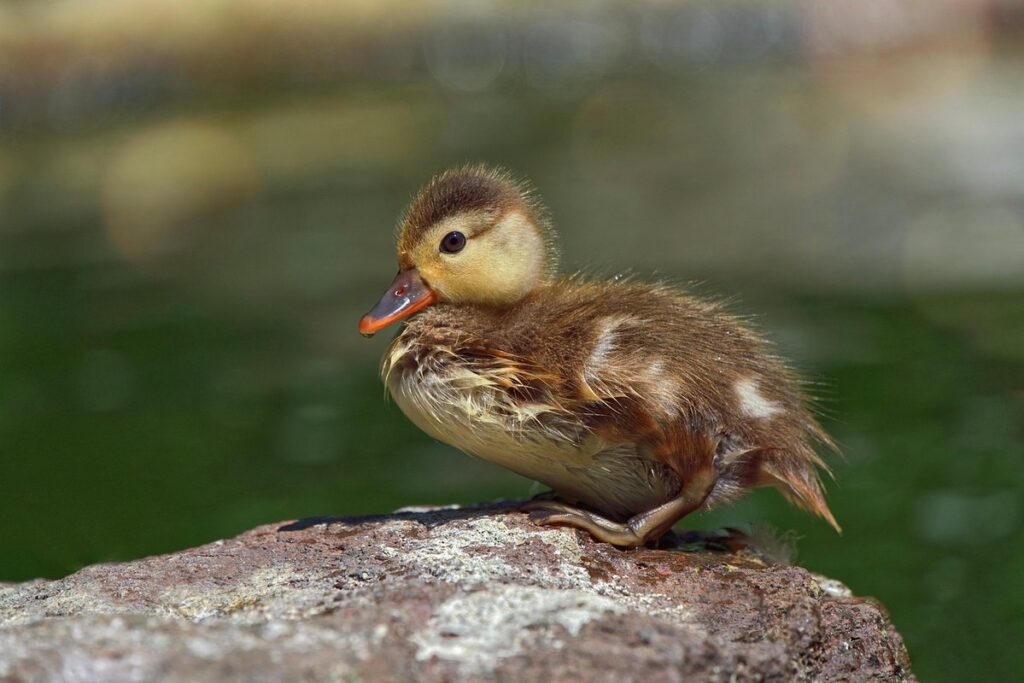
Understanding Duckling Nutrition
When it comes to raising healthy ducks, providing your ducklings with the right nutrition from an early age is crucial. In this important section, we’ll break down what nutrients they need and how to feed them effectively.
Importance of Balanced Diet
When it comes to raising healthy ducks, providing a balanced diet is crucial for their growth and development. Ducklings require a specific mix of nutrients to thrive, including protein, fat, carbohydrates, vitamins, and minerals.
Protein is the building block of growth, and ducklings need it in abundance to develop strong muscles and feathers. A good quality starter feed or a mix of grains like oats, barley, and wheat will provide the necessary protein for your ducklings. Fat is also essential as it provides energy for their rapid growth. Carbohydrates are used as fuel for their energetic activities.
In addition to these macronutrients, ducklings require essential vitamins and minerals. Vitamin A helps maintain healthy skin and eyesight, while vitamin D3 supports bone development. Calcium is crucial for strong bones and beaks, and phosphorus helps regulate growth.
When feeding your ducklings, make sure to offer a mix of foods that provide these nutrients in the right proportions. You can supplement their starter feed with fresh fruits and vegetables like leafy greens, carrots, and sweet potatoes. Always ensure access to clean water for them to stay hydrated.
Factors Affecting Nutritional Needs
When it comes to feeding ducklings, their nutritional needs can vary significantly based on several key factors. As they grow and develop, their dietary requirements change accordingly. Age is one of the most critical factors influencing a duckling’s nutritional needs. For example, young ducklings require a high protein diet (around 20-25% protein content) to support rapid growth and development during the first few weeks of life. As they mature, their protein requirements decrease.
Other factors also play a significant role in determining a duckling’s nutritional needs. Sex, for instance, affects egg-laying capabilities later in life, with female ducklings requiring slightly more energy and nutrients than males. Breed is another important consideration, as some breeds are more prone to certain health issues or have specific dietary requirements.
Climate also impacts a duckling’s nutritional needs, with warmer temperatures requiring more frequent feeding and cooler temperatures necessitating less food. Additionally, the level of activity your ducklings engage in can influence their energy expenditure and subsequent nutrient requirements.
Preparing a Healthy Duckling Starter Feed
When it comes to feeding your ducklings, creating a healthy starter feed is crucial for their development and growth. This section will guide you through selecting the perfect ingredients and formula for a nutritious start.
Choosing the Right Starter Feed
Choosing the right starter feed for your ducklings is crucial for their growth and development. When it comes to selecting a starter feed, you’ll find various options available, including commercial pellets, grains, and homemade mixes.
Commercial pellets are a popular choice among duck breeders due to their convenience and ease of use. These pre-mixed feeds contain the necessary nutrients, vitamins, and minerals that ducklings require for optimal growth. However, some breeders may be concerned about the quality and ingredients used in commercial pellets. A general rule of thumb is to opt for a reputable brand that uses high-quality ingredients.
Grains such as oats, barley, and wheat can also be used as a starter feed, but they lack essential nutrients and vitamins. These grains should be supplemented with additional minerals and vitamins to ensure your ducklings receive the necessary nutrition.
Homemade mixes offer an alternative to commercial feeds and allow you to tailor the ingredients according to your ducklings’ needs. A good homemade mix typically includes a combination of grains, protein sources (such as mealworms or hard-boiled eggs), and supplements like calcium and vitamin D3. However, creating a balanced homemade mix can be challenging, and it’s essential to do thorough research before attempting this option.
When choosing between these options, consider the age and specific needs of your ducklings. For instance, young ducklings require higher protein content in their diet compared to older birds. It’s also crucial to introduce new feeds gradually to prevent digestive upset.
Mixing Your Own Starter Feed
Mixing your own starter feed can be a cost-effective and customizable way to provide your ducklings with a balanced diet. To make a simple and nutritious starter feed, you’ll need the following ingredients: 1 pound of game bird starter or chick starter, 1/2 cup of oats, 1/4 cup of barley, 1/4 cup of wheat, and 10% protein pellets (such as alfalfa meal).
Begin by mixing the game bird starter with the grains to create a base feed. Then add the 10% protein pellets to the mixture for an extra boost of nutrients. It’s essential to note that ducklings require a diet rich in protein to support their growth and development.
Here are some tips to keep in mind when mixing your own starter feed: Use fresh ingredients, store any leftover mix in an airtight container, and consider adding supplements such as crushed eggshells or oyster shells for extra calcium. Always follow the manufacturer’s instructions for the 10% protein pellets, and start with a small batch to ensure that the mix is well-balanced.
By following this recipe and taking the necessary precautions, you can create a nutritious starter feed for your ducklings at home.
Supplementing Duckling Feed: What You Need to Know
When it comes to raising healthy ducks, supplementing their feed is crucial for optimal growth and development. This section will explore the importance of supplementing duckling feed and how to do it correctly.
Types of Supplements Needed
When it comes to supplementing duckling feed, there are several essential nutrients that you’ll want to ensure your young ducks receive. One of these is probiotics, which can help support the development of a healthy gut microbiome. This is especially important for ducklings, as their immune systems are still developing and they’re prone to digestive issues.
To add probiotics to your duckling feed, simply sprinkle a small amount on top of their food or mix it into their water. You can also use probiotic powder specifically designed for poultry. A good starting point is to add 1-2% probiotic supplement to their diet.
Another important supplement is vitamin D3, which is essential for calcium absorption and bone growth in ducklings. Without sufficient vitamin D3, your young ducks may develop softening of the bones or other skeletal issues. You can purchase vitamin D3 supplements at most feed stores or online.
Calcium is also a critical nutrient that should be supplemented, especially during the first few weeks of life when ducklings are growing rapidly. A good rule of thumb is to provide 1-2% calcium supplement in their feed to support strong bone growth and development.
Safe Ways to Administer Supplements
When it comes to supplementing your duckling’s feed, it’s essential to do so safely to avoid causing harm or overdose. Before adding any supplements, research their recommended dosage and ensure they are specifically designed for ducklings. Consult with a veterinarian if you’re unsure about the safety of a particular supplement.
To safely administer supplements, start by mixing them into the duckling’s water or feed in small increments. This allows you to monitor their reaction and adjust as needed. For example, adding a few drops of vitamin E oil directly onto their food can help prevent diseases like angel wing.
When using powdered supplements, mix a small amount with their regular feed to avoid over-supplementation. A general rule of thumb is to start with 1/4 teaspoon per pound of feed and adjust gradually as needed. Monitor your ducklings’ behavior, stool quality, and overall health closely during this time. Keep in mind that too much of even a beneficial supplement can be detrimental to their health.
Remember, supplements should only enhance the existing diet, not replace it. Always prioritize providing high-quality commercial duckling feed or formulated homemade diets as the primary source of nutrition.
Tips for Feeding Ducklings in Their First Few Weeks
When it comes to feeding your ducklings during their first few weeks, providing a balanced diet is crucial for their rapid growth and development. Here’s what you need to know.
Feeding Frequency and Quantity
When it comes to feeding ducklings in their first few weeks, getting the frequency and quantity just right is crucial for healthy growth and development. During this critical period, ducklings have high energy demands due to rapid growth. Feed them too little or infrequently, and they may suffer from stunted growth or even starvation.
As a general rule of thumb, feed your ducklings 20-25% of their body weight in starter feed per day. For example, if you have a brood of 10 ducklings each weighing about 100 grams, you’ll need to provide around 200 grams of starter feed daily. Divide this amount into 5-6 feedings throughout the day to mimic the natural foraging behavior of mother ducks.
Remember to always offer fresh water and a balanced diet that includes proteins, vitamins, and minerals essential for growth. It’s also vital to monitor your ducklings’ weight regularly to ensure they’re receiving enough food. Overfeeding can lead to digestive issues, so be sure to adjust quantities accordingly based on individual needs and growth rates.
Introduction to Wet Foods
As ducklings grow and develop, their dietary needs change rapidly. In addition to high-quality starter feed, it’s essential to introduce wet foods into their diet around 2-3 weeks of age. These nutrient-rich foods will help support healthy growth and development.
Wet foods like mealworms are an excellent source of protein for ducklings. They can be offered live or dried, depending on your preference. Start by offering a small amount (about 1/4 teaspoon per duckling) and observe their reaction. Some ducklings may be hesitant to try new foods at first, so patience is key.
Aquatic plants like duckweed and watercress are also great additions to a duckling’s diet. They provide essential vitamins and minerals while teaching your ducklings how to forage for food in the wild. To introduce aquatic plants, simply place them in the brooder or enclosure and let the ducklings graze as desired.
Remember, introducing new foods gradually is crucial to prevent digestive upset. Start with small amounts and monitor your ducklings’ behavior and stool quality before increasing the quantity. With a little patience and planning, you can provide your ducklings with a balanced and nutritious diet that sets them up for success.
Managing Duckling Appetite: Avoiding Overeating and Underfeeding
As you care for your ducklings, it’s crucial to strike a balance between feeding them enough and not overdoing it, lest they become overweight or malnourished. Proper feeding habits can be tricky to master.
Recognizing Signs of Overeating or Undereating
As you monitor your ducklings’ feeding habits, it’s crucial to recognize signs of overeating or undereating. Overeating can lead to digestive issues, while under-eating may result in stunted growth and weakened immunity. To avoid these problems, pay attention to the following indicators:
* Rapid weight gain: If your ducklings are consuming more calories than they need, their weight will increase excessively.
* Sluggishness or lethargy: Ducklings who overeat often exhibit a lack of energy and become less active.
* Diarrhea or constipation: Overconsumption can disrupt the normal balance of gut bacteria, leading to digestive issues.
On the other hand, signs of undereating may include:
* Slow growth rate
* Pale, thin appearance
* Lack of energy and activity
* Reluctance to eat or decrease in appetite
Monitor your ducklings’ behavior and physical condition closely. Check their droppings regularly for consistency and quantity. Ensure that the food you’re providing meets their nutritional needs, and adjust feeding amounts accordingly based on these observations. By staying vigilant and making adjustments as needed, you can help maintain a healthy balance in your duckling’s diet.
Strategies for Regulating Appetite
Regulating appetite is crucial to prevent overeating and underfeeding, which can lead to various health issues. To achieve a balanced diet for your ducklings, adjust feeding times and quantities based on their age and breed. For example, ducklings require more frequent feedings during the first few weeks of life, while they grow rapidly.
Start by dividing daily rations into 4-6 meals, and gradually decrease to 2-3 meals as they mature. Monitor your ducklings’ appetite and adjust feeding times accordingly. You can also try a “free-choice” feeding system, where food is available throughout the day, but ensure that fresh water is always accessible.
Another strategy is to provide a varied diet with different textures and flavors to keep them interested in eating. For instance, offer a mix of grains like oats and barley, along with vegetables like leafy greens and fruits. This will not only satisfy their nutritional needs but also cater to their instinctual foraging behavior, making mealtime more engaging and enjoyable.
Remember, it’s essential to observe your ducklings’ appetite and adjust feeding schedules regularly to avoid overeating or underfeeding.
Common Feeding Mistakes to Avoid
When it comes to feeding your ducklings, there are several common mistakes that can hinder their growth and overall health if not avoided. Let’s take a closer look at these pitfalls.
Inadequate Hydration
Providing fresh water at all times is crucial for ducklings’ growth and development. Even mild dehydration can lead to decreased energy levels, reduced immune function, and impaired physical performance. In the wild, ducks obtain moisture from their diet, but in a domestic setting, it’s essential to ensure they have access to clean drinking water.
A general rule of thumb is to provide at least one quart (approximately 1 liter) of fresh water per duckling per day. However, this can vary depending on temperature and humidity levels. For example, in hot weather, ducklings may need up to twice as much water due to increased evaporation.
To avoid inadequate hydration, make sure your ducklings’ drinking area is clean and easily accessible. Change the water frequently to prevent bacterial growth, ideally at least 2-3 times a day. Monitor your ducklings’ behavior; if they seem lethargic or show decreased appetite, it could be a sign of dehydration.
Overfeeding and Obesity
When it comes to feeding ducklings, one common mistake many new breeders make is overfeeding. While it may seem counterintuitive that providing too much food could be detrimental to their health, the risks associated with overfeeding and obesity in ducklings are very real.
Overfed ducklings can become obese, which increases their risk of developing a range of serious health issues, including heart disease, diabetes, and respiratory problems. Furthermore, excess weight can lead to joint problems, making it difficult for them to move around comfortably. As a duckling grows into a duck, excess fat can accumulate in the abdomen, causing discomfort and pain.
To avoid these risks, make sure you’re providing your ducklings with just enough food. A general rule of thumb is to offer 1-2% of their body weight in feed per day. Monitor their growth closely and adjust feeding amounts accordingly. It’s also essential to maintain a clean and well-ventilated enclosure to prevent the buildup of bacteria and germs that can contribute to obesity.
Monitoring Progress and Adjusting Your Feeding Strategy
As your ducklings grow, it’s essential to regularly assess their progress and adjust their feeding strategy accordingly to ensure they’re receiving the optimal nutrients for healthy development. This includes monitoring weight gain and adjusting feed amounts on a daily basis.
Keeping a Food Diary
Keeping track of your ducklings’ growth and development is crucial to ensuring they receive the right amount of nutrients. To do this effectively, I recommend keeping a food diary specifically for your feathered friends. This simple yet powerful tool will help you monitor their progress, identify any potential issues, and make informed decisions about their feeding strategy.
A food diary is essentially a record of everything you feed your ducklings, including the type, amount, and frequency of each meal. You can use a notebook or a mobile app to keep track of this information. Each day, simply note down what you fed them, how much they ate, and any notable behaviors or changes in their appearance.
For example, if you notice that your ducklings are consistently showing interest in a particular food item, but aren’t eating as much of their usual fare, you can adjust their diet accordingly. This flexibility is key to providing the best possible care for your ducks. By keeping a food diary, you’ll be able to make data-driven decisions and ensure that your ducklings receive the nutrition they need to thrive.
Adjusting Feed Formulations as Needed
As you monitor your duckling’s progress, it’s essential to be prepared to adjust their feed formulation as needed. This may involve tweaking the nutritional content, ingredient balance, or even switching to a different type of feed altogether. Keep an eye out for changes in behavior, growth rates, and environmental conditions that could impact your ducklings’ dietary needs.
For example, if you notice that your ducklings are consistently gorging on their food, it may be time to switch to a lower-protein feed to prevent overfeeding. On the other hand, if they’re not growing at the expected rate, you might need to add more calories or protein-rich ingredients to their diet. Similarly, if you live in an area with high temperatures or humidity levels, your ducklings may require additional electrolytes or hydration support.
To make adjustments to your feed formulation, start by monitoring your ducklings’ growth rates and behavior closely. Take note of any changes in appetite, energy levels, or overall health. Use this information to inform your feeding decisions, and be willing to try new things if needed. Remember, every flock is different, so it’s essential to stay flexible and adapt your feeding strategy accordingly.
Frequently Asked Questions
How do I know if my ducklings are getting enough protein?
It’s essential to monitor your ducklings’ growth and behavior to ensure they’re receiving sufficient protein. Look for signs of strong muscle development, such as active movement and healthy feathers. You can also consult with a veterinarian or poultry expert to determine the ideal protein levels for your specific flock.
What if I notice my ducklings are overeating or undereating?
Recognizing signs of overeating or undereating is crucial for maintaining a balanced diet. Monitor your ducklings’ weight, appetite, and energy levels. If you suspect issues, consult with an expert to adjust their feed formulations and ensure they’re receiving the right amount of nutrients.
Can I mix my own starter feed instead of buying commercial feeds?
While commercial feeds are convenient, mixing your own starter feed can be a cost-effective option if done correctly. Ensure you provide the required balance of protein, fat, carbohydrates, vitamins, and minerals. Consult with an expert or research reputable recipes to avoid nutritional deficiencies.
How often should I weigh my ducklings to monitor their growth?
Regular weight checks are essential for monitoring your ducklings’ growth and adjusting their feed accordingly. Weigh them once a week, starting from around 3-4 weeks of age, to track their progress and make necessary adjustments to their diet.
What if I’m unsure about administering supplements or mixing my own starter feed?
Seeking professional advice is always the best course of action when unsure about any aspect of duckling care. Consult with a veterinarian, poultry expert, or experienced breeder for personalized guidance on creating a balanced diet and managing common feeding challenges.