
Raising ducklings can be a fun and rewarding experience, but feeding them the right foods is crucial for their growth and development. As a responsible duck owner, you want to ensure your little ones are getting the nutrients they need to thrive. But with so many options available, it can be overwhelming to know what to feed them. A well-balanced diet for ducklings should include essential foods like fruits, leafy greens, and protein sources. However, not all foods are safe or suitable for ducklings, which is why understanding a duckling food list is vital. In this article, we’ll take a closer look at the best foods to feed your ducklings, from everyday treats to occasional proteins, and provide you with expert advice on safe feeding practices to ensure your feathered friends stay healthy and happy.
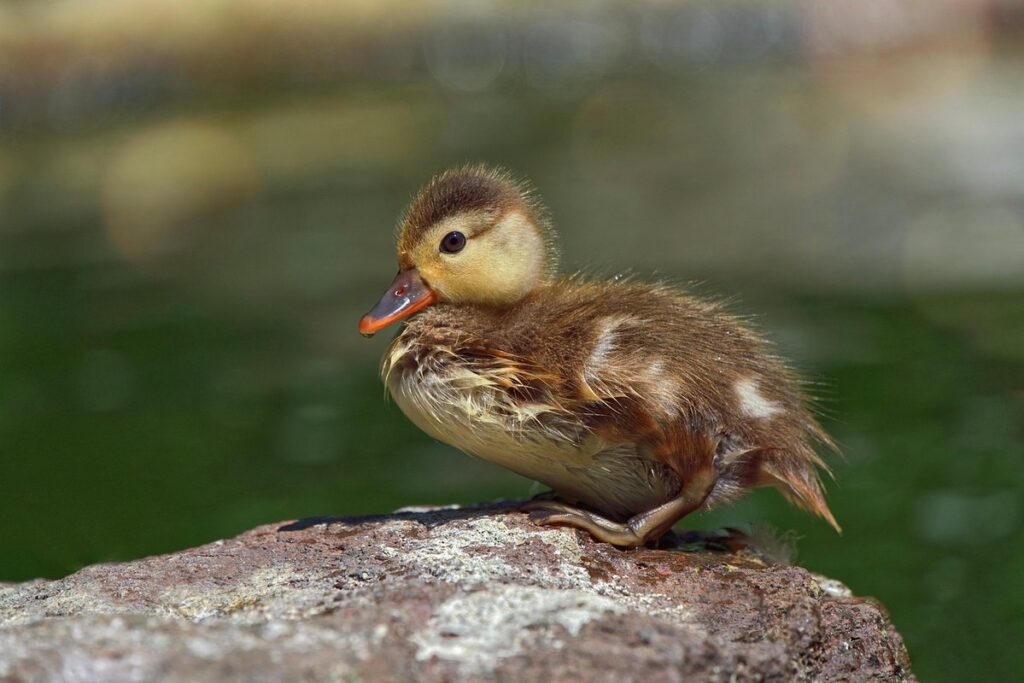
Understanding Duckling Nutrition
Ducklings require a balanced diet that includes a mix of grains, proteins, and vegetables to support their rapid growth and development. This section will explore the essential nutrients your ducklings need to thrive.
Importance of Proper Diet
A well-balanced diet is essential for ducklings’ growth and health. Proper nutrition plays a crucial role in determining their overall development and resistance to diseases. When ducklings are fed inadequate food, it can lead to stunted growth, weakened immunity, and increased susceptibility to illnesses.
Inadequate nutrition can result from feeding ducklings low-quality or unbalanced feed that lacks essential nutrients. This can be due to various factors such as improper diet planning, incorrect feeding quantities, or poor quality of feed. For instance, if a duckling is not receiving enough protein in its diet, it may experience stunted growth and weakened immunity.
To avoid these issues, it’s vital to provide ducklings with a nutrient-rich diet that meets their specific needs. This can be achieved by incorporating essential foods such as mealworms, crickets, leafy greens, and grains into their feed. A balanced mix of these foods will help ensure that your ducklings receive all the necessary nutrients for optimal growth and development.
Feeding your ducklings a varied diet is crucial for maintaining their health and well-being. It’s recommended to provide them with a mix of proteins, vitamins, and minerals through a combination of grains, fruits, and vegetables.
Nutritional Requirements for Different Ages
As ducklings grow and develop, their nutritional requirements change significantly. From hatchling to fledgling, understanding these unique needs is crucial for their growth and well-being.
At birth, ducklings rely heavily on their yolk sac for nutrition. However, within a few hours, they start pecking at feed, and by the time they’re 1-2 days old, they need around 20-25% protein in their diet to support rapid growth. As they mature, their energy requirements shift from high-protein foods to more balanced diets.
By the time ducklings reach 4-6 weeks old, they require less protein but more carbohydrates for energy. A good rule of thumb is to provide around 1/4 pound of starter feed per day for every 100 ducklings. As they continue to grow and develop feathers, their diet should be adjusted accordingly.
For example, you can gradually introduce whole grains like oats or barley into their diet once they reach 6-8 weeks old. This not only provides essential fiber but also helps transition them to a more adult-like diet.
Fresh Fruits for Ducklings
When it comes to a balanced diet for ducklings, introducing fresh fruits is crucial for their growth and development. Let’s explore the best fruits to feed your young ducks in this next section.
Benefits of Fresh Fruits
When it comes to incorporating fresh fruits into your duckling’s diet, there are numerous benefits that can enhance their overall health and well-being. One of the most significant advantages is the enhanced flavor profile they provide, which can help stimulate a duckling’s appetite and encourage them to eat more nutritious foods.
In addition to adding variety to your duckling’s meals, fresh fruits also support improved digestion. For instance, berries such as strawberries and blueberries are high in fiber, making them an excellent choice for helping to regulate bowel movements and prevent constipation. Melons like watermelon and cantaloupe are also rich in water content, which can aid in flushing out toxins from the body.
To further boost your duckling’s immune system, consider introducing citrus fruits like oranges or grapefruits into their diet. These fruits are high in vitamin C, an essential nutrient that plays a vital role in protecting against diseases and infections. To make serving fresh fruits to your ducklings easy and convenient, try mixing them with other foods such as grains or vegetables to create a balanced meal.
Safe Fruit Options for Ducklings
When introducing fresh fruits to ducklings, it’s crucial to be mindful of potential risks. Some fruits can cause toxicity, allergic reactions, or digestive issues if not chosen wisely. For instance, citrus fruits like lemons and oranges contain citric acid, which can irritate their sensitive skin and eyes.
Similarly, grapes and raisins have been known to trigger kidney stones in ducks due to a unique compound called solanine. Avocado, while nutritious for humans, contains persin, a toxic substance that can cause vomiting and diarrhea in ducklings if ingested in large amounts.
To ensure your feathered friends’ safety, it’s essential to introduce new fruits gradually, monitoring their behavior and digestive health closely. Start with small portions of pureed or chopped fruits, like apples, bananas, or berries, and observe their response before increasing the amount.
Some safe fruit options for ducklings include:
* Apples
* Bananas
* Berries (strawberries, blueberries, raspberries)
* Pineapple
* Watermelon
Remember to remove seeds, pits, and peels from fruits to prevent choking hazards. Always wash the fruits thoroughly before offering them to your ducklings.
Leafy Greens and Vegetables for Ducklings
When it comes to feeding your ducklings a balanced diet, leafy greens and vegetables play a vital role in their growth and development. Here are some essential options to add variety to their meals.
Nutritional Value of Leafy Greens
Leafy greens are an excellent addition to a duckling’s diet, providing a wealth of essential vitamins and minerals. Kale, spinach, and collard greens are among the top choices for their high levels of vitamins A, C, and K. Vitamin A is crucial for healthy skin, feathers, and eyesight in ducklings, while vitamin C supports immune function and collagen production. Vitamin K, on the other hand, plays a vital role in blood clotting and bone health.
These leafy greens are also rich in essential minerals like calcium, iron, and potassium. Calcium is necessary for developing strong bones and beaks, while iron supports healthy red blood cells. Potassium helps regulate fluid balance and maintains proper muscle function. To incorporate these nutrient-dense foods into your duckling’s diet, simply chop or tear the leaves into small pieces and mix them with their regular feed. You can also add a handful of fresh kale or spinach to their water bowl for an easy way to boost their nutrition.
Cooking and Preparation Methods
When introducing leafy greens and vegetables to your duckling’s diet, it’s essential to use safe cooking methods that preserve their nutritional value. Overcooking can lead to nutrient loss and potential health issues for your feathered friends.
Steaming is an excellent method for cooking leafy greens like kale and spinach, as it helps retain their vitamins and minerals. You can place the leaves in a steamer basket over boiling water for 2-3 minutes, or until they’re tender but still crisp. For vegetables like carrots and sweet potatoes, roasting brings out their natural sweetness while keeping them soft and easily digestible.
To avoid overcooking, it’s crucial to monitor your ducklings’ consumption of cooked veggies closely. Start by offering a small amount (about 1/4 cup per duckling) and observe their reaction. Gradually increase the serving size as needed, but never force them to eat if they show no interest. Remember, a balanced diet is key to raising healthy and happy ducklings!
Grains and Starches for Ducklings
When it comes to providing a balanced diet for your ducklings, grains and starches are essential components of their nutritional needs. Here’s what you need to know about including them in their meals.
Role of Grains in a Balanced Diet
Grains are an essential component of a balanced diet for ducklings. As they grow and develop, they require adequate energy to support their rapid growth rate. Grains provide this necessary energy, as well as fiber, which helps maintain digestive health.
When selecting grains for your duckling’s diet, choose options that are nutrient-rich and easy to digest. Oats and barley are good choices, as they are high in fiber and relatively low in protein, making them less likely to cause allergies or digestive issues. Quinoa is another excellent option, as it is a complete protein source, meaning it contains all nine essential amino acids ducklings need.
Remember that moderation is key when introducing grains into your duckling’s diet. A balanced mix of grains should account for no more than 20-30% of their daily feed. Focus on providing whole grains over processed or refined options to ensure maximum nutritional value.
Preparing Grain Mixtures for Ducklings
When preparing grain mixtures for ducklings, it’s essential to provide a balanced diet that meets their nutritional needs. A whole-grain based mixture is an excellent starting point, as it offers fiber, vitamins, and minerals. Consider using brown rice, quinoa, or oats as the foundation of your mixture.
To ensure variety, incorporate other nutrient-rich ingredients such as corn, wheat, and barley. A general rule of thumb is to allocate 50-60% of your mixture to whole grains, while allocating the remaining 40-50% to other ingredients like fruits, vegetables, and protein sources. For example, you could add diced carrots or sweet potatoes for added fiber and vitamins.
Rotating grain mixtures every few days is crucial to prevent nutritional deficiencies. This can be achieved by swapping out one ingredient with another of equal nutritional value. By following this approach, you’ll provide your ducklings with a complete diet that supports their growth and development. For instance, switching from brown rice to oats will introduce new fiber sources while maintaining the overall balance of nutrients.
Protein Sources for Ducklings
When it comes to feeding your ducklings, providing a variety of protein sources is crucial for their growth and development. Let’s explore some top picks that will keep them healthy and thriving.
Importance of High-Quality Protein
When it comes to providing essential nutrients to ducklings, high-quality protein sources play a crucial role. Protein is not only necessary for growth and development but also for maintaining strong immunity and repairing tissues. A diet rich in protein helps ducklings build and repair their bones, muscles, feathers, and other vital organs.
Insects such as crickets and mealworms are excellent protein sources that can be fed to ducklings from an early age. They are not only high in protein but also rich in micronutrients like iron, calcium, and phosphorus. Fish meal is another valuable source of protein that provides all the essential amino acids needed for growth.
Commercial duckling starter feed is also formulated with high-quality protein sources to support rapid growth and development. Look for feeds that contain at least 20% protein from animal-based ingredients. Avoid feeds made from low-grade or generic protein sources as they can lead to nutritional deficiencies and health issues in ducklings.
Potential Risks with Insects or Live Food
Feeding live insects or small animals to ducklings can be a nutritious and engaging way to supplement their diet. However, it’s essential to acknowledge the potential risks associated with this practice. One of the primary concerns is the choking hazard posed by whole insects or small animals, which can easily get stuck in the duckling’s airway. According to studies, about 10% of ducklings fed live food experience choking incidents.
Another risk is bacterial contamination. Live insects and small animals can carry pathogens like E. coli, Salmonella, and Campylobacter, which can be transmitted to the ducklings through handling or contaminated feed. To minimize these risks, it’s crucial to choose safer alternatives, such as commercial insect-based diets or freeze-dried mealworms that are specifically designed for ducklings.
If you still prefer to offer live insects, make sure to handle them properly by washing your hands before and after handling the food, and storing it in a clean container. Avoid feeding wild-caught insects, which can be contaminated with pesticides or heavy metals. Always prioritize the health and safety of your ducklings when introducing new foods into their diet.
Safe Feeding Practices for Ducklings
When it comes to feeding your ducklings, safety is just as important as providing a balanced diet. Learn essential tips and guidelines for safe feeding practices in this crucial section of our comprehensive guide.
Guidelines for Introducing New Foods
Introducing new foods to ducklings’ diets requires careful consideration to ensure their health and well-being. It’s essential to follow a gradual introduction process to prevent digestive issues and allergies. Start by mixing small amounts of the new food with their current diet, gradually increasing the proportion over 7-10 days. This allows their system to adjust and prevents shock.
Monitoring for adverse reactions is also crucial. Observe your ducklings closely for signs such as lethargy, diarrhea, or loss of appetite, which could indicate an allergic reaction or intolerance. If you notice any unusual behavior, consult a veterinarian for guidance.
When introducing new foods, maintain a balanced diet by ensuring they receive a variety of essential nutrients. Offer different types of vegetables, fruits, and grains to provide the necessary vitamins and minerals. For example, offer leafy greens like kale or spinach as treats, along with whole grains like oats or barley.
Tips for Preventing Poultry Diseases
When it comes to raising healthy and thriving ducklings, preventing poultry diseases is of utmost importance. Proper nutrition, sanitation, and biosecurity measures are crucial in keeping your feathered friends safe from illnesses.
First and foremost, cleanliness is key. Ensure that their living space is clean and free from any bacteria or viruses. Regularly disinfect feeding areas, water sources, and nesting boxes to prevent the spread of diseases. Wash your hands thoroughly before handling ducklings or their surroundings to avoid cross-contamination.
In addition to good hygiene practices, vaccination programs can also help protect your ducklings against common poultry diseases. Consult with a veterinarian to determine the best vaccination schedule for your flock. Regular health checks are equally important in identifying any potential issues early on.
Some essential vaccinations to consider include Newcastle disease and infectious bronchitis. Make sure to follow the recommended dosages and administration schedules to ensure their effectiveness. By implementing these measures, you can significantly reduce the risk of poultry diseases and keep your ducklings healthy and happy.
Common Mistakes to Avoid When Feeding Ducklings
Feeding ducklings can be a delicate process, and making mistakes can have serious consequences for their health and well-being. This section highlights common errors to steer clear of when feeding your young ducks.
Overfeeding or Underfeeding
Feeding ducklings requires a delicate balance to ensure they grow healthy and strong. One common mistake many new duck owners make is overfeeding their ducklings. While it may seem like a good idea to provide them with as much food as possible, overfeeding can lead to obesity and stunted growth in your ducklings.
On the other hand, underfeeding can result in malnutrition and weakened immune systems. A diet that’s too sparse or insufficient can hinder your duckling’s ability to absorb essential nutrients, leading to poor feather quality, slow weight gain, and even disease susceptibility.
To avoid these common pitfalls, it’s crucial to understand the specific dietary needs of your ducklings at each growth stage. Start by researching the recommended feeding schedules for your particular breed. A good rule of thumb is to feed your ducklings 20-25% of their body weight in food daily until they reach maturity. Monitor their appetite and adjust their portion sizes accordingly, but be sure not to overdo it – a full-grown duckling can easily eat too much. By striking the right balance between feeding them enough and not overfeeding them, you’ll set your feathered friends up for optimal growth and health.
Inadequate Hydration
When it comes to feeding ducklings, one of the most common mistakes new owners make is neglecting their hydration needs. It’s essential to provide access to clean water at all times, as ducklings can quickly become dehydrated if they don’t have a constant supply.
But providing just plain water isn’t enough – you’ll also want to consider introducing electrolytes or probiotics to help prevent digestive issues and promote overall health. Electrolytes like potassium and sodium are essential for maintaining proper fluid balance in the body, while probiotics can help support the duckling’s gut health by promoting the growth of beneficial bacteria.
A simple way to add electrolytes is by mixing a pinch of Epsom salt or sea salt into their water. You can also purchase commercial electrolyte supplements specifically designed for poultry at most pet stores. When introducing new foods, it’s best to do so gradually to prevent digestive upset – and always provide fresh water after feeding.
Monitor your ducklings’ behavior closely for signs of dehydration, such as lethargy or loss of appetite, and adjust their hydration accordingly.
Frequently Asked Questions
Can I feed my ducklings table scraps, or is that not recommended?
While it might be tempting to give your ducklings leftover food from your table, it’s generally not a good idea. Table scraps can be unhealthy and even toxic for ducklings due to high salt content or other contaminants. Stick to the balanced diet outlined in this article for optimal nutrition.
What are some common mistakes I should avoid when feeding my ducklings?
When raising ducklings, it’s easy to make mistakes with their diet. Be sure to avoid overfeeding or underfeeding, as well as not providing adequate hydration. Also, steer clear of giving your ducklings too many treats, which can lead to an imbalanced diet and health problems.
How often should I introduce new foods to my ducklings?
To prevent digestive issues and ensure a smooth transition, introduce new foods gradually and in small quantities. This allows your ducklings’ gut bacteria to adjust and minimizes the risk of digestive upset. A good rule of thumb is to introduce one new food per week.
Can I use store-bought commercial feed as the sole source of nutrition for my ducklings?
While commercial feed can be a convenient option, it’s essential to supplement your ducklings’ diet with fresh fruits and vegetables to provide the necessary nutrients for optimal growth and development. A balanced diet requires variety, so don’t rely solely on commercial feed.
How do I ensure my ducklings are getting enough protein in their diet?
Protein is an essential nutrient for ducklings, particularly during rapid growth phases. To ensure your feathered friends get enough protein, consider adding high-quality protein sources like mealworms or crickets to their diet. You can also use commercial feed specifically formulated with higher protein content.