
Are you raising adorable ducklings at home? As their caregiver, it’s essential to ensure they stay healthy and happy. Unfortunately, many new duck owners face common health issues in their young charges, from malnutrition to environment-related problems. Proper care and attention can make all the difference, but with so much information available, it’s easy to get overwhelmed.
That’s why we’ve created this comprehensive guide on duckling health, focusing on essential practices like nutrition, environment, and hygiene. Our expert advice will help you identify signs of illness, prevent common problems, and manage conditions that may arise. By the end of this article, you’ll be confident in your ability to provide top-notch care for your feathered friends, ensuring they grow into strong, healthy ducks. With the right knowledge and a little bit of TLC, your ducklings will thrive under your loving care.
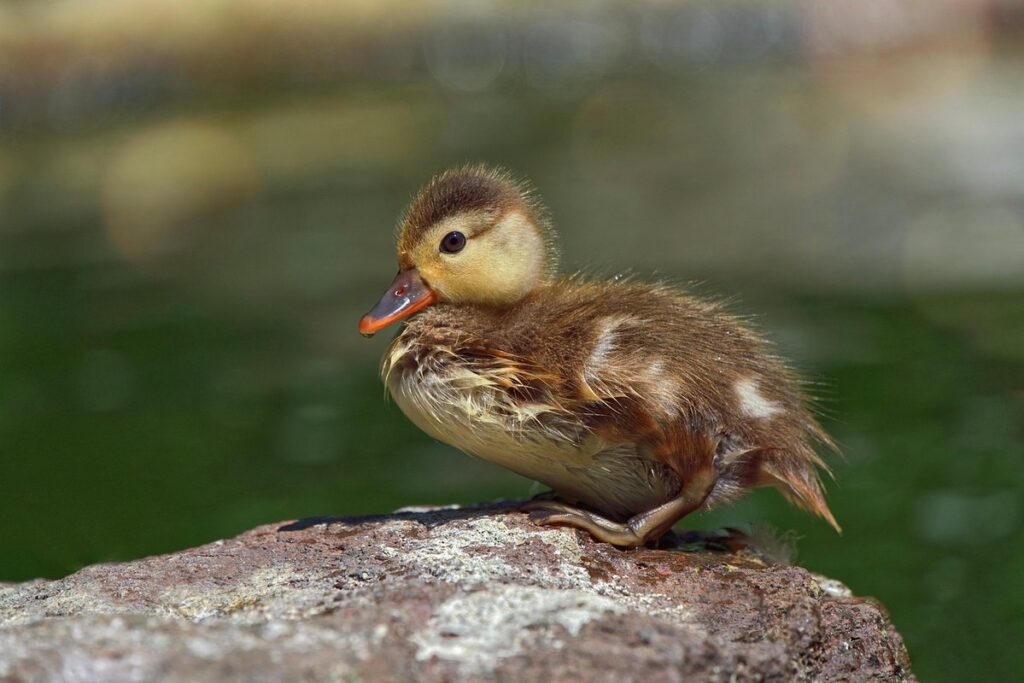
Introduction to Ducklings and Their Health
Welcome to our duckling health guide, where we’ll start by covering the basics of introducing new ducklings to their surroundings safely. This is crucial for their well-being and sets them up for a healthy life.
Understanding the Life Cycle of Ducklings
As a duck breeder or owner, it’s essential to understand the life cycle of ducklings to provide them with optimal care and attention. From hatching to maturity, duckling development is a complex process that involves several stages.
At around 28 days of incubation, duck eggs typically hatch into vulnerable ducklings. During this initial stage, they rely heavily on their mother’s warmth and protection. As they grow, they begin to venture out of the nest, exploring their surroundings and developing essential skills like swimming and foraging.
Between 4-6 weeks old, ducklings start to transition from dependence on their mother to independent living. This is a critical period where they’re susceptible to common health issues like respiratory problems, hypothermia, and nutritional deficiencies. To mitigate these risks, ensure proper ventilation in the brooder, maintain adequate nutrition through high-quality feed, and provide a balanced environment that promotes growth.
Regular monitoring of ducklings’ development is crucial to prevent potential health issues. Keep an eye out for signs of stress, disease, or injury, and consult with a veterinarian if you notice any unusual behavior or symptoms. By being aware of the life cycle stages and providing attentive care, you can significantly improve your ducklings’ chances of reaching maturity healthy and strong.
Importance of Proper Care for Healthy Ducklings
Proper care is crucial for raising healthy ducklings. It’s not just about providing food and water; it also involves creating a clean and safe environment that promotes their overall well-being.
When it comes to nutrition, offering a balanced diet is vital. A mix of commercial starter feed, fruits, vegetables, and grains should make up the duckling’s daily intake. However, overfeeding can lead to obesity and other health issues. Monitor your ducklings’ weight and adjust feeding amounts accordingly.
A clean environment is also essential for preventing health problems. Ensure their enclosure has adequate ventilation, easy access to food and water, and regular cleaning of waste. A dirty living space can expose ducklings to diseases such as respiratory infections and parasites.
Practicing good hygiene is another critical aspect of caring for ducklings. Wash your hands before handling them or their surroundings, and disinfect any equipment used in their care. By prioritizing proper nutrition, environment, and hygiene practices, you’ll significantly reduce the risk of health issues in your ducklings.
Common Health Issues Affecting Ducklings
As a duck breeder, it’s essential to be aware of the common health issues that can affect your ducklings, from respiratory problems to bacterial infections. Let’s explore some of the most prevalent conditions you should watch out for.
Respiratory Problems in Ducklings
Respiratory problems are one of the most common health issues affecting ducklings. Pneumonia is a leading cause of mortality in young ducks, and it’s essential to understand its causes, symptoms, and treatment options to ensure your ducklings stay healthy.
Pneumonia in ducklings can be caused by various factors such as viral or bacterial infections, environmental changes, and inadequate nutrition. Symptoms may include labored breathing, lethargy, loss of appetite, and a greyish-blue coloration around the eyes and bill.
To diagnose pneumonia in ducklings, monitor their behavior closely for any signs of illness. If you suspect your duckling has pneumonia, seek veterinary attention immediately. Treatment options may involve antibiotics, supportive care such as warmth and humidity, and in severe cases, hospitalization.
Prevention is key to avoiding respiratory problems in ducklings. Ensure they have a warm, dry, and well-ventilated environment with access to clean water and a balanced diet rich in nutrients. Regularly cleaning the brooder and providing adequate space can also help prevent the spread of disease.
By recognizing the signs of pneumonia and taking prompt action, you can significantly reduce the risk of respiratory problems in your ducklings.
Gastrointestinal Disorders in Ducklings
Ducklings are prone to gastrointestinal disorders, which can be distressing and potentially life-threatening if left unchecked. Diarrhea is one of the most common issues affecting ducklings, and it’s essential to recognize the signs and take prompt action.
If you notice your duckling has diarrhea, it may seem like a harmless issue, but in reality, it can lead to dehydration, electrolyte imbalances, and even death if not managed properly. Potential causes of diarrhea include bacterial or viral infections, parasites, poor diet, or contaminated water. Other signs of gastrointestinal distress include lethargy, loss of appetite, and weight loss.
To manage your duckling’s diarrhea, ensure their living environment is clean and free from contamination. Provide a balanced diet that includes probiotics to help maintain gut health. You can also try administering electrolyte supplements or oral rehydration solutions specifically designed for waterfowl. Monitor your duckling closely and seek veterinary attention if symptoms persist or worsen over time. Regular check-ups with a qualified avian veterinarian will also help prevent gastrointestinal issues from arising in the first place.
Skin Infections and Fungal Diseases in Ducklings
Skin infections and fungal diseases are common health issues affecting ducklings. These conditions can arise from various factors such as poor ventilation, excessive moisture, and unsanitary living conditions. Symptoms of skin infections include redness, swelling, crusty patches on the feathers, and lethargy in the affected duckling.
Fungal diseases, also known as avian dermatophytosis, are caused by fungi that infect the skin and feathers of ducklings. They can be spread through direct contact with infected birds or contaminated environments. Signs of fungal infections include loss of feathers, crusting on the skin, and a foul odor emanating from the affected area.
Diagnosing these conditions requires a veterinarian’s expertise, as symptoms can resemble other diseases. A correct diagnosis is essential for effective treatment. Treatment methods typically involve topical antibiotics, anti-fungal medications, or a combination of both. It’s crucial to maintain good hygiene practices, such as regular cleaning and disinfection of enclosures, to prevent the spread of these infections.
Nutritional Considerations for Healthy Duckling Growth
When it comes to raising healthy ducklings, proper nutrition is crucial for their growth and development. This section will help you understand what ducklings need to thrive from a nutritional standpoint.
Balanced Diet for Ducklings
A balanced diet is crucial for ducklings to grow strong and healthy. As they develop, their nutritional needs change rapidly, requiring a diverse mix of essential nutrients. The primary components of a duckling’s diet should include protein-rich foods, such as mealworms, crickets, or commercial duck starter feed. Calcium and vitamin D3 are also vital for bone development, and can be provided through crushed oyster shells, dark leafy greens, or specially formulated supplements.
In addition to these nutrient-dense ingredients, it’s essential to introduce a variety of fruits and vegetables into your duckling’s diet. Apples, bananas, and sweet potatoes are excellent choices, but be sure to limit portions to avoid digestive issues. A general rule of thumb is to offer 50-75% commercial feed, supplemented with fresh produce and treats.
It’s also crucial to understand the importance of feeding schedules. Young ducklings require frequent meals throughout the day, typically every hour or two. As they grow, you can gradually transition to twice-daily feedings. Remember to provide fresh water at all times, and always introduce new foods gradually to prevent digestive upset.
Vitamin and Mineral Deficiencies in Ducklings
Vitamin and mineral deficiencies are a common concern for duckling owners. A well-balanced diet is crucial to ensure that your ducklings receive all the necessary nutrients for optimal growth and health.
Some of the most common vitamin and mineral deficiencies seen in ducklings include calcium deficiency, which can lead to softening of the beak and eggshell production issues. Vitamin D3 deficiency can cause stunted growth, muscle weakness, and impaired immune function. Phosphorus deficiency can result in abnormal bone development and weakened muscles.
Symptoms of these deficiencies may appear within a few weeks after hatching and can progress rapidly if left untreated. For example, ducklings with calcium deficiency may display signs such as lethargy, poor feather growth, or reluctance to move around.
To prevent these deficiencies, it’s essential to provide your ducklings with a balanced starter feed that includes the necessary vitamins and minerals. You can also supplement their diet with fresh fruits, vegetables, and grains rich in these nutrients. Monitor your ducklings closely for any signs of deficiency and consult a veterinarian if you notice any unusual behavior or physical changes.
Some recommended dietary supplements include oyster shells (rich in calcium) and alfalfa pellets (high in phosphorus). Regularly review and adjust your duckling’s diet to ensure they are getting the necessary nutrients for optimal growth.
Environmental Factors Affecting Duckling Health
When it comes to duckling health, environmental factors play a significant role in their development and overall well-being. In this section, we’ll explore how temperature, humidity, and other external conditions impact your young ducks’ growth.
Biosecurity Measures to Prevent Disease Spread
Maintaining a clean and safe environment is crucial to preventing the spread of diseases among ducklings. A dirty environment can harbor pathogens that can cause illnesses such as avian influenza, botulism, and coccidiosis. To prevent this, ensure that your duckling enclosure is well-ventilated, dry, and free from standing water.
Implement a regular cleaning schedule to remove droppings and debris. Disinfect all surfaces with a solution of one part bleach to nine parts water. Vaccination protocols are also essential. Consult with a veterinarian to determine the best vaccination schedule for your ducklings based on their age, health status, and local disease prevalence.
In addition to vaccinations, implement good hygiene practices such as washing hands before handling ducklings, using separate equipment for feeding and cleaning, and ensuring that all visitors follow proper sanitation procedures. Keep in mind that prevention is key: regular monitoring of duckling health and prompt treatment of any signs of illness can help prevent outbreaks and ensure a healthy flock.
Providing Adequate Space and Shelter for Ducklings
Providing adequate space and shelter for ducklings is crucial to their overall health and well-being. A suitable environment can help reduce stress levels, prevent health issues, and promote a happy and healthy growth.
Ducklings require at least 10-15 square feet of space per bird, depending on their age and breed. This might seem like a lot, but it’s essential for preventing overcrowding, which can lead to disease transmission and respiratory problems. To give you an idea, if you have a dozen ducklings, aim for a enclosure or coop with dimensions of at least 12 feet by 10 feet.
The shelter should be well-ventilated, dry, and protected from extreme temperatures, wind, and rain. A predator-proof fence is also essential to prevent attacks on the ducklings. Consider adding some shade structures or tarps to provide relief from direct sunlight during hot summer days.
To make the most of your enclosure, add some nesting boxes for egg-laying hens and a dedicated area for feeding and drinking. This will help minimize competition among the birds and keep the space organized.
Identifying and Managing Health Issues in Ducklings
When it comes to raising healthy ducklings, being able to identify potential health issues early on is crucial for their survival. This section will guide you through common problems and how to manage them effectively.
Recognizing Signs of Illness in Ducklings
As you care for your ducklings, it’s essential to recognize signs of illness early on. Changes in behavior are often one of the first indicators that something is amiss. For example, if your normally active duckling becomes lethargic or withdrawn, it may be a sign that they’re not feeling well. Similarly, a decrease in appetite can also signal illness.
Monitor your ducklings’ physical condition as well. Keep an eye out for any unusual droppings, swelling, or lumps on the body. If you notice any of these changes, take action quickly. In addition to behavioral and physical signs, watch for any changes in their vocalizations or interactions with other ducklings.
If you suspect your duckling is ill, start by separating them from the rest of the flock to prevent the spread of disease. Next, consult a trusted veterinarian who has experience caring for waterfowl. Don’t wait until it’s too late – early detection and treatment can make all the difference in ensuring your ducklings’ health and well-being. Keep an eye on your ducklings regularly, and with practice, you’ll become more attuned to recognizing signs of illness before they become serious issues.
When to Seek Veterinary Care for Sick Ducklings
When it comes to sick ducklings, it’s essential to know when to seek veterinary care. As a responsible duck breeder or owner, you want to provide the best possible chance for your feathered friends to recover quickly and thrive.
If you notice any of the following symptoms in your duckling, don’t hesitate to consult with a veterinarian: labored breathing, loss of appetite, lethargy, diarrhea, or bloody stools. These signs can indicate serious health issues, such as respiratory problems, intestinal worms, or bacterial infections.
In addition to these obvious signs, also keep an eye out for less noticeable symptoms like decreased activity levels, changes in feather condition, or unusual vocalizations. Remember, early detection and treatment are crucial when it comes to many duckling health issues.
As a general rule, if you’re unsure about your duckling’s health or notice any significant changes in their behavior or physical appearance, seek veterinary care as soon as possible. Your veterinarian will be able to provide professional guidance on treating the underlying condition and help your duckling get back on its feet.
Conclusion and Preventative Measures
Now that you’ve learned how to identify common duckling health issues, it’s time to take preventative measures to ensure your feathered friends stay healthy. Here are some essential tips to keep in mind for a happy and thriving flock.
Recap of Key Takeaways for Healthy Duckling Growth
As we conclude this Duckling Health Guide, let’s recap the most critical points to ensure healthy growth and development of your adorable ducklings. Proper care and management are essential for their overall well-being, and it all starts from day one.
Firstly, it’s crucial to provide a safe and clean environment with adequate ventilation. This means setting up a warm and draft-free brooder with easy access to food and water. Make sure the temperature is between 90°F to 95°F (32°C to 35°C) during the first week, gradually decreasing by 5°F each week thereafter.
Next, ensure you’re feeding a high-quality starter feed that meets the ducklings’ nutritional needs. A balanced diet will help them grow strong and healthy. Additionally, provide fresh water at all times, and change it frequently to prevent bacterial growth.
Lastly, don’t forget about socialization! Handle your ducklings gently but regularly, starting from day one. This will help them become confident and friendly adult ducks. By following these simple tips and prioritizing their care, you’ll be well on your way to raising happy and healthy ducklings.
Final Thoughts on Prioritizing Duckling Health
As you’ve learned throughout this Duckling Health Guide, prioritizing duckling health and well-being is not just essential for their survival but also for the success of your backyard flock. It’s crucial to remember that healthy ducklings will grow into robust and productive ducks that can thrive in your care.
In conclusion, by following the preventative measures outlined in this guide, you’ll be well-equipped to tackle any health issues that may arise with your ducklings. Regular monitoring, proper nutrition, and a clean living environment are all critical components of maintaining healthy ducklings. Don’t underestimate the importance of vigilance – it’s often the smallest changes or early warning signs that can prevent more severe problems down the line.
Remember, investing in your ducklings’ health will ultimately pay off with reduced vet bills, increased egg production, and a more enjoyable experience for you as a duck keeper. Take these final thoughts to heart and give your feathered friends the care they deserve. By doing so, you’ll be rewarded with a happy and thriving flock that brings joy and companionship into your life.
Frequently Asked Questions
How often should I inspect my ducklings for signs of illness?
Regular inspections are crucial to detecting potential health issues early on. We recommend checking your ducklings at least twice a day, looking out for changes in appetite, droppings, or behavior that may indicate illness.
What if I notice one of my ducklings is showing signs of respiratory problems? What steps can I take?
If you suspect a duckling has respiratory issues, it’s essential to provide them with plenty of fresh air and a clean environment. You can also try giving them warm water for bathing or using a humidifier to help ease congestion.
How do I maintain a balanced diet for my growing ducklings?
To ensure your ducklings receive the nutrients they need, stick to a varied and nutritious feed specifically formulated for their age group. Supplement with fresh vegetables like leafy greens, fruits, and whole grains, but avoid overfeeding to prevent malnutrition.
Can ducklings be exposed to extreme temperatures or drafts without risk of illness?
No, ducklings are sensitive to temperature fluctuations and drafts, which can lead to respiratory issues and stress. Ensure their enclosure is draft-free and maintain a comfortable temperature range between 55-75°F (13-24°C) to keep them healthy.
What are some signs that my ducklings may have vitamin or mineral deficiencies?
Ducklings with nutritional deficiencies might exhibit lethargy, weight loss, or impaired growth. Look for changes in their droppings, skin condition, or appetite, and consider supplementing their feed with essential vitamins and minerals to prevent deficiencies.