
Ducklings have captured our imagination with their endearing appearance and curious nature, but what do they really represent in literature, art, and popular culture? For centuries, duckling imagery has been used to convey innocence, vulnerability, and new life. From Peter Pan’s faithful companion Tinker Bell to the timeless tale of Hans Christian Andersen’s The Ugly Duckling, these symbols have become an integral part of our shared cultural heritage.
In this article, we’ll delve into the cultural significance and psychological appeal of ducklings as a symbol in various contexts. We’ll explore why their imagery is often associated with innocence and vulnerability, and how it continues to captivate audiences worldwide. From its origins in literature to its modern-day appearances in art, advertising, and media, the meaning behind duckling imagery will be revealed.
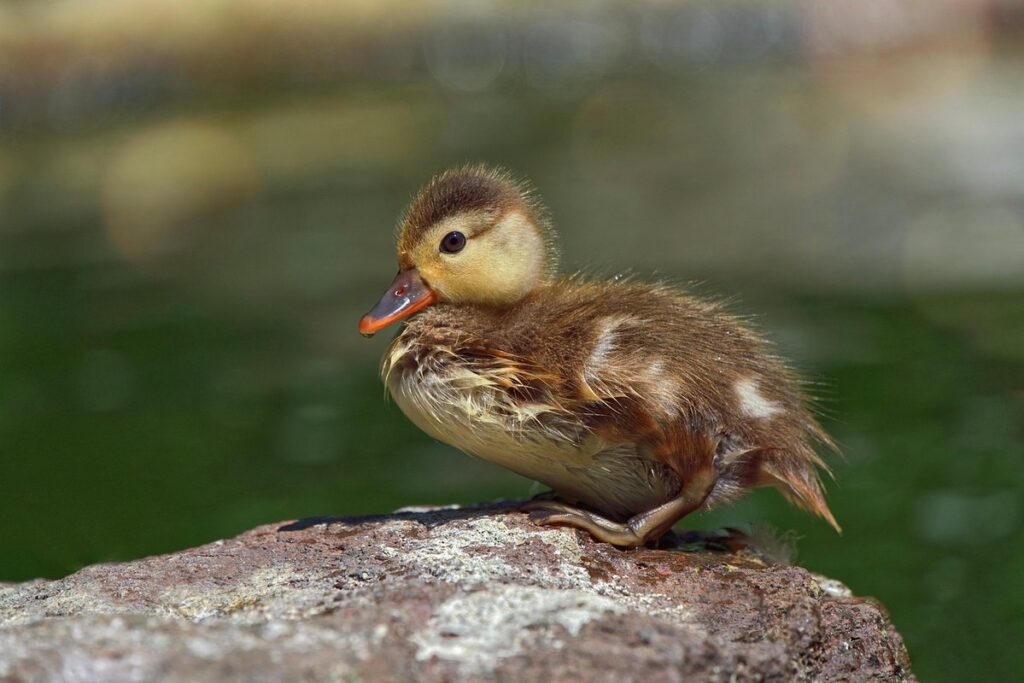
Understanding the Meaning Behind Duckling Imagery
Ducklings have long been a staple of children’s literature and art, but what do these adorable creatures really symbolize? Let’s dive into the meaning behind their imagery.
The Representation of Innocence and Vulnerability
Ducklings are often depicted as innocent and vulnerable creatures, evoking a strong emotional response from audiences. This representation can be attributed to their natural behavior as young birds, completely dependent on their mothers for survival. In literature and art, ducklings are frequently used as symbols of innocence and vulnerability to convey themes of naivety, fragility, and the struggle for existence.
The psychological appeal of this imagery lies in its ability to tap into our inherent emotions of care and protection. When we see a vulnerable creature, such as a duckling, we instinctively feel compelled to help or nurture it. This response is rooted in our primal urge to safeguard and protect those who are defenseless. For instance, in classic children’s literature, such as Beatrix Potter’s “The Tale of Peter Rabbit,” the inclusion of ducklings serves as a poignant reminder of the fragility of life.
In art, the depiction of ducklings can also be seen as a metaphor for human vulnerability. By associating ourselves with these innocent creatures, we are reminded of our own vulnerabilities and the importance of empathy and compassion towards others.
Associations with New Life and Renewal
In many cultures, ducklings are seen as symbols of new life and renewal. This association is rooted in their natural behavior, where mother ducks lead their broods through treacherous waters to safety, a true testament to the cycle of life.
One of the most compelling examples of this symbolism can be found in nature itself. Each spring, millions of ducklings hatch from eggs laid by their mothers during the winter months. As they emerge into the world, they’re vulnerable and dependent on their caregivers for survival – much like human babies rely on their parents for support. This instinctual drive to care for young is a universal language that transcends species.
In mythology, the duckling’s association with new life is also evident in stories like Hans Christian Andersen’s “The Ugly Duckling.” Here, a rejected and isolated young bird finds acceptance and beauty as he transforms into a swan. This tale has been interpreted as an allegory for self-discovery and personal growth – reminding us that our perceived flaws can be just temporary stepping stones to becoming the best versions of ourselves.
In popular culture, this symbolism is echoed in films like “Babe,” where a duckling’s determination and resilience inspire those around him. These examples illustrate how the power of new life and renewal can captivate audiences worldwide – a testament to our collective desire for hope, growth, and transformation.
Duckling Imagery in Literature and Poetry
Ducklings have long been a beloved and enduring symbol in literature, often used to convey innocence, vulnerability, and resilience. Let’s explore how writers have utilized duckling imagery to evoke these emotions.
Classic Examples: Dickens to Wilde
In the realm of literature and poetry, duckling imagery has been employed by some of the most renowned authors to convey profound themes and messages. Take, for instance, Charles Dickens’ iconic novel “The Christmas Carol”, where Ebenezer Scrooge’s transformation from a miserly old man to a benevolent one is symbolized through the character of Little Nell’s duckling companion, Tiny Tim. The association of the duckling with innocence, vulnerability, and the power of love is palpable throughout the narrative.
Similarly, Oscar Wilde’s “The Happy Prince” features a swallow who becomes enamored with a statue of a youth perched atop a cathedral. As the story unfolds, the reader comes to understand that the prince’s golden feathers, which have been removed to give to those in need, symbolize the selfless love and generosity that the people of the city have shown him. Wilde’s use of duckling imagery serves as a poignant reminder of the importance of compassion and empathy.
In both cases, the inclusion of duckling imagery serves as more than just a decorative element; it underscores the themes of redemption, sacrifice, and the transformative power of love.
Modern Interpretations: Ducklings in Contemporary Fiction
In recent years, modern literature has continued to draw upon the rich symbolism of ducklings, often incorporating this imagery into contemporary themes and issues. Authors such as Margaret Atwood and Donna Tartt have used duckling symbolism in their works, often subverting traditional meanings or creating new ones.
For instance, Atwood’s novel “The Blind Assassin” features a protagonist who is compared to a mother duck leading her ducklings across a treacherous landscape, symbolizing the struggle for survival and protection. Meanwhile, Tartt’s “The Secret History” uses the image of a single duckling being devoured by a predator as a metaphor for the destructive power of unchecked ambition.
In both cases, these authors draw upon traditional sources while also infusing them with new meanings. This blurring of boundaries between past and present highlights the dynamic nature of literary symbolism. As a reader, understanding this evolution can enhance your appreciation of contemporary literature and its use of imagery.
Consider how you might apply this insight to your own reading experience: when encountering duckling imagery in modern texts, ask yourself what traditional meanings are being subverted or reinterpreted.
The Impact of Ducklings on Popular Culture
Ducklings have waddled their way into our collective hearts, influencing everything from art and literature to music and film. Let’s dive into how these adorable creatures have left their mark on popular culture.
Iconic Images and Characters
Ducklings have made their mark on popular culture through various iconic images and characters. One of the most recognizable examples is Disney’s Dumbo, a young elephant with oversized ears who befriends a group of adorable duckling friends. These lovable creatures not only bring joy to children but also symbolize innocence and simplicity.
Children’s books featuring anthropomorphic ducks are another notable representation of ducklings in popular culture. Classic tales like “Make Way for Ducklings” by Robert McCloskey showcase the bond between humans and these endearing birds, highlighting their ability to adapt and thrive in human-dominated environments. The story’s enduring popularity is a testament to the universal appeal of ducklings as symbols of growth, renewal, and family.
These images have become ingrained in our collective consciousness due to their recurring presence in media and literature. By examining these iconic representations, we can gain insight into the symbolic significance of ducklings and appreciate their cultural importance.
Advertising and Marketing Strategies
In advertising and marketing campaigns, duckling imagery is often used to evoke emotions and convey brand values. A prime example of this is the iconic “Aflac” insurance commercials featuring a adorable group of ducklings. By using these lovable creatures, the brand effectively communicates its message of comfort, care, and reliability.
Similarly, children’s clothing company, Janie and Jack, uses duckling imagery in their advertising to convey a sense of innocence and playfulness. The brand’s use of soft colors and whimsical illustrations taps into parents’ desire for their little ones to experience a carefree childhood.
When incorporating duckling imagery into your own marketing campaigns, consider the emotional resonance it can create with your audience. By using this symbolism, you can convey values such as nurturing, protection, and growth. To make it work effectively, focus on authentic storytelling and genuine branding that resonates with your target audience.
The Evolution of Duckling Symbolism
As we delve into the world of duckling symbolism, let’s explore how their meaning has evolved over time and across different cultures. From ancient mythology to modern-day media.
Historical Context: Ancient Mythologies and Folklore
Duck symbolism has its roots in ancient mythologies and folklores from around the world. In many cultures, ducks were revered for their unique characteristics, such as their ability to thrive in water yet waddle effortlessly on land. The Egyptians, for instance, worshipped the duck-headed goddess Heqet, who symbolized fertility and protection.
In Japanese mythology, the duck was associated with good luck and prosperity due to its prolific breeding habits. Similarly, in Chinese culture, the duck is a symbol of harmony and balance, as seen in the famous painting “Duck Hunting” by Qi Baishi. This depiction showcases the tranquility of the natural world and the importance of living in harmony with nature.
The Greeks also featured ducks in their mythology, often depicting them as companions to goddesses like Aphrodite. These mythological associations have contributed significantly to the symbolic significance of ducklings today, representing good fortune, prosperity, and new life. By understanding these ancient roots, we can better appreciate the cultural importance of ducklings and the lessons they teach us about living in harmony with nature.
Changing Attitudes and Modern Interpretations
As we explore the evolution of duckling symbolism, it’s clear that cultural attitudes towards these adorable creatures have undergone a significant shift over time. In ancient cultures, ducklings were often seen as symbols of fertility and abundance, but today their meaning has expanded to encompass a broader range of themes.
In modern society, ducklings are increasingly associated with resilience and adaptability. Their ability to thrive in a variety of environments, from ponds to backyards, has made them an inspiring symbol for entrepreneurs and innovators. For example, the popular children’s book “The Ugly Duckling” by Hans Christian Andersen teaches kids about self-acceptance and perseverance.
As our world becomes increasingly complex, we’re seeing new interpretations emerge that reflect contemporary values. Some people view ducklings as a reminder to stay grounded in nature, while others see them as symbols of family and community. This shift in meaning is not only interesting but also provides us with opportunities for self-reflection and growth.
In fact, you can incorporate the symbolism of ducklings into your own life by observing their habits and traits in a more mindful way. For instance, take note of how they stick together as a group, providing mutual support and care. This can inspire you to nurture stronger relationships with loved ones or build a supportive community around yourself.
Consider embracing this modern interpretation by adopting some duckling-inspired practices into your daily routine. Start small – perhaps begin each day with a moment of gratitude for the natural world, just as ducklings rely on their mother’s care and guidance. By tapping into the symbolic significance of ducklings in new ways, we can tap into our own potential for growth and transformation.
The Psychological Appeal of Duckling Imagery
Let’s dive into why we’re so captivated by ducklings – their irresistible charm has captured our hearts and imaginations, don’t you think? We’ll explore this phenomenon in more depth next.
Human Emotion and Connection
Humans have an innate affinity for duckling imagery, often finding it irresistibly cute and endearing. But what lies behind this emotional response? Research suggests that our fondness for ducklings taps into fundamental psychological mechanisms.
One key factor is the concept of “kindchenschema,” or baby schema, first identified by ethologist Konrad Lorenz in the 1940s. This refers to a set of physical characteristics associated with infantile features, such as large eyes, round faces, and soft features. Ducklings, with their big eyes, fluffy feathers, and waddling gait, embody these traits perfectly.
As a result, our brains respond to duckling imagery by releasing oxytocin, often dubbed the “cuddle hormone.” This chemical release fosters feelings of nurturing, care, and affection, making us more inclined to engage with and protect the ducklings. Furthermore, our brains are wired to recognize and respond to vulnerability, and ducklings’ dependence on their mothers triggers a caregiving response.
This emotional connection can be leveraged in various contexts, such as marketing or art, where incorporating duckling imagery can elicit strong positive emotions from audiences. By understanding the psychological mechanisms behind our affinity for ducklings, we can harness this power to create more engaging and memorable experiences.
Cultural Significance: A Reflection of Our Society’s Values
When we look at the cultural significance of duckling imagery, it becomes clear that their symbolism reflects our society’s values and appreciation for life. We find ourselves drawn to these adorable creatures because they represent innocence and new beginnings. A classic example is the Disney movie “The Ugly Duckling,” where a young duckling struggles to fit in with his peers before finally finding acceptance as a swan. This timeless tale speaks to our deep-seated desire to see others succeed and thrive.
Our affection for ducklings also reveals our values of nurturing and care. We often associate these animals with motherly love, as seen in the iconic image of a hen tending to her brood. This stereotype has been perpetuated through art and literature, showcasing the powerful bond between mothers and their offspring. As we marvel at the fluffy feathers and curious antics of ducklings, we’re reminded of our own responsibility to protect and care for future generations.
In many cultures, duckling imagery is used to symbolize hope and renewal. For instance, in some Asian traditions, ducks are considered auspicious animals that bring good fortune and prosperity. By embracing these symbolic meanings, we can tap into the collective unconscious, fostering a deeper appreciation for life’s simple joys and our place within the natural world.
Frequently Asked Questions
How can I use duckling imagery in my own creative work?
You can draw inspiration from the symbolism of ducklings as innocent and vulnerable creatures to convey themes of new life, renewal, or transformation in your art, literature, or advertising. Consider using watercolor or soft pastel colors to evoke a sense of gentle, soothing atmosphere.
Can I associate duckling imagery with complex emotions like grief or loss?
Yes, you can use duckling imagery to represent the fragility and vulnerability that often accompany emotional struggles. For instance, an artist might depict a duckling struggling to free itself from a net, symbolizing the difficulties people face when trying to overcome adversity.
How do I choose between using classic or modern interpretations of ducklings?
It ultimately depends on your creative vision and target audience. If you’re aiming for a timeless, nostalgic feel, consider using classic illustrations or literary references like Dickens’ works. For a more contemporary look, explore modern adaptations in film, literature, or advertising.
Can I use duckling imagery to represent human emotions beyond innocence and vulnerability?
Absolutely. Ducklings can also symbolize growth, learning, and exploration, making them suitable for representing themes of personal development or self-discovery. By tapping into these deeper meanings, you can add richness and complexity to your creative work.
How do I ensure my use of duckling imagery doesn’t come across as insensitive or clichéd?
Be mindful of the context in which you’re using duckling imagery. Avoid using it in situations where it might be perceived as trivializing real-world issues, such as animal cruelty or loss. Instead, focus on conveying deeper themes and emotions that resonate with your audience.