
As a duck owner, you’re probably aware that feeding your ducklings requires more than just tossing some pellets into their enclosure. Providing optimal nutrition to your little ones is crucial for their growth and development, especially during those critical first eight weeks. If not done correctly, it can lead to a range of health issues and stunted growth. In this comprehensive guide, we’ll cover everything you need to know about duckling nutrition, from the ideal diet at each growth stage to preventing common health problems like vitamin deficiencies and digestive issues. We’ll also delve into the importance of providing a balanced diet that meets their unique nutritional needs, ensuring your feathered friends grow strong and healthy. Whether you’re a seasoned breeder or just starting out, this guide will help you make informed decisions about feeding your ducklings.
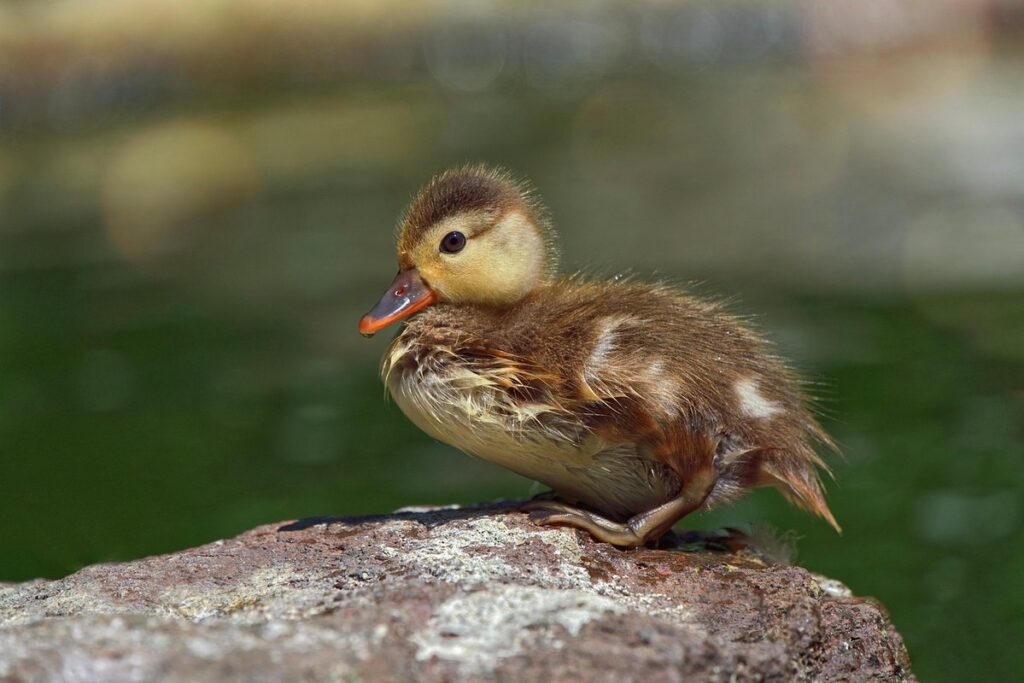
Understanding Duckling Growth Stages
To raise healthy ducklings, it’s crucial to understand their growth stages and how nutrition impacts each phase. Let’s break down the essential milestones in a duckling’s development.
Critical Periods of Development (0-4 weeks)
The first four weeks of a duckling’s life are crucial for its growth and development. This period is often referred to as the critical period, during which the young ducklings rely heavily on their mother for nutrition, warmth, and protection. At this stage, they are unable to regulate their body temperature and require the warmth of their brooder or incubator.
Ducklings start to grow rapidly from day one, with an increase in weight of about 10-15% per day during the first week. This rapid growth demands a high-quality diet rich in protein and nutrients. The yolk sac provides essential nutrition for the first 24 hours, but after that, ducklings need access to water and feed.
A common mistake many backyard breeders make is not providing adequate nutrition or hydration to their ducklings during this critical period. This can lead to stunted growth, weakened immune systems, and increased mortality rates. Ensure your ducklings have access to a high-quality starter feed, fresh water, and a clean brooder to promote healthy development.
Monitor the temperature in your brooder closely, aiming for around 90-95°F (32-35°C) during the first week. Gradually decrease the temperature by 5-10°F (3-6°C) each day thereafter until it reaches around 70-75°F (21-24°C). This will help regulate your ducklings’ growth and prevent overheating or chilling.
Meeting Nutritional Requirements for Fast Growth (4-8 weeks)
During this period of rapid growth (4-8 weeks), ducklings require an exceptional amount of nutrients to support their developing muscles, bones, and organs. A well-balanced diet is crucial to ensure they meet their nutritional needs.
As a general rule, ducklings at this stage should be fed 20% protein-based starter feed as their main source of nutrition. However, it’s essential to provide supplemental feedings of fresh vegetables, fruits, and grains to introduce beneficial microbes and add fiber to their diet. For instance, offering leafy greens like kale or spinach can provide a boost of vitamins A and K.
In addition to a varied diet, ensure that ducklings have access to clean, fresh water at all times. This is particularly crucial during the first few weeks when they’re prone to dehydration due to their high metabolism rate. It’s also important to monitor their weight and adjust feedings accordingly, as overfeeding can lead to digestive issues.
By providing a nutrient-rich diet, ducklings will thrive during this period of rapid growth, setting them up for optimal health and development in the weeks ahead.
Essential Nutrients for Healthy Ducklings
When it comes to raising healthy ducklings, providing them with the right nutrients is crucial for their growth and development. Let’s take a closer look at the essential vitamins and minerals they need to thrive.
Protein Content: Amino Acid Balance
When it comes to feeding ducklings, providing them with the right balance of protein and amino acids is crucial for their growth and development. Protein is an essential nutrient that makes up a significant portion of a duckling’s diet, especially during the first few weeks of life when they are growing rapidly.
Amino acids, which are the building blocks of protein, come in two forms: essential and non-essential. Essential amino acids cannot be synthesized by the duckling’s body and must be obtained through their diet, while non-essential amino acids can be produced internally. A balanced diet should provide a mix of all nine essential amino acids.
Sources of protein-rich foods for ducklings include commercial starter feed, mealworms, and insects. However, it’s essential to ensure that the protein levels in these foods are optimal for growth. Research suggests that ducklings require around 15-20% protein content in their diet during the first four weeks of life. For example, a duckling weighing around 100 grams would need about 13-17 grams of protein per day.
To achieve this balance, it’s recommended to consult with a veterinarian or a poultry expert to determine the best feed formulation for your flock. They can help you choose a high-quality starter feed that meets the nutritional needs of your ducklings and provide guidance on supplementing with additional protein sources if necessary.
Vitamin and Mineral Requirements
When it comes to healthy growth and development, ducklings require a well-balanced diet that includes essential vitamins and minerals. Vitamin D3 is crucial for calcium absorption, which supports strong bone formation. A deficiency can lead to softening of the bones (rickets) or deformities in young ducks.
Other important vitamins include vitamin E, which acts as an antioxidant, protecting against cell damage, and B vitamins like thiamin and riboflavin, necessary for energy production and nerve function. Minerals such as calcium are vital for skeletal development and strong eggshell production, while phosphorus supports overall growth and maintenance of healthy tissues.
To ensure your ducklings receive adequate amounts, consider adding supplements or adjusting their diet to include nutrient-rich foods like leafy greens (kale, spinach), whole grains (oats, barley), and protein sources (cracked eggs, insects). It’s also essential to provide a balanced starter feed that meets their nutritional needs. Remember, proper nutrition sets the stage for healthy growth, strong immune function, and optimal development in your ducklings.
Common Nutrition-Related Health Issues
Some common health issues that can arise from poor nutrition in ducklings include stunted growth, weakened immune systems, and increased susceptibility to diseases. Let’s take a closer look at what you need to watch out for.
Respiratory Problems and Nutritional Deficiencies
Nutritional deficiencies can have a significant impact on ducklings’ respiratory health. A diet lacking essential vitamins and minerals can weaken their immune system, making them more susceptible to infections that affect the lungs and airways. For instance, a deficiency in vitamin E can impair the function of the cilia, tiny hair-like structures that line the trachea and bronchi, leading to a buildup of mucus and increased risk of respiratory problems.
A diet lacking in protein can also contribute to respiratory issues in ducklings. Protein is essential for maintaining healthy lung tissue and supporting the immune system. A deficiency in protein can lead to inflammation and damage to the lungs, making it more difficult for the duckling to breathe.
To prevent nutritional deficiencies that may exacerbate respiratory problems, ensure your ducklings have access to a balanced diet rich in vitamins and minerals. Consult with a poultry expert or veterinarian to determine the best feed for your ducklings based on their age, breed, and health status. Additionally, consider supplementing their diet with probiotics and omega-3 fatty acids, which can help support immune function and reduce inflammation.
Gastrointestinal Issues: Causes and Prevention Strategies
Gastrointestinal issues are a common problem affecting ducklings, and it’s essential to understand their causes and prevention strategies. As a duckling owner, you want your feathered friends to grow healthy and strong. But if they’re experiencing gastrointestinal problems, it can be a challenge.
Ducklings can develop gastrointestinal issues due to various reasons such as bacterial infections (e.g., Salmonella), parasitic infestations (e.g., coccidiosis), or contaminated feed and water. A poor diet lacking essential nutrients can also lead to digestive problems. For example, feeding ducklings too much milk or a diet high in fat can cause stomach issues.
To prevent gastrointestinal problems, it’s crucial to provide your ducklings with a balanced and nutritious diet. Here are some practical tips:
* Feed a starter feed that is rich in fiber and low in protein until they reach 4-6 weeks old.
* Offer fresh water at all times, ensuring it’s free from contaminants.
* Provide a clean living environment by removing droppings regularly and disinfecting the enclosure.
* Consider using probiotics or prebiotics to support gut health.
Dietary Options for Duckling Owners
When it comes to providing a balanced diet, you’ll want to explore various options, such as commercial duck pellets and live foods, to keep your ducklings healthy. We’ll break down these choices in more detail below.
Commercial vs. Homemade Diets: Pros and Cons
When it comes to choosing a diet for your ducklings, you’re likely considering two options: commercial diets and homemade diets. While both have their pros and cons, understanding the benefits and drawbacks of each can help you make an informed decision.
Commercial diets offer convenience and ease of use, as they are readily available at pet stores and often come with feeding instructions. However, they may not provide the same level of nutritional balance that a well-planned homemade diet can offer. Some commercial diets may contain fillers or by-products that don’t add value to your ducklings’ health.
On the other hand, homemade diets allow for complete control over ingredients and nutritional balance. By mixing your own feed using whole foods like fruits, vegetables, grains, and proteins, you can tailor the diet to meet your ducklings’ specific needs. However, this option requires a significant amount of time and research to ensure that the diet is well-balanced and meets all their nutritional requirements.
If you do choose to go with a homemade diet, it’s essential to consult with a veterinarian or experienced breeder to determine the best recipe for your ducklings. You’ll also need to factor in the cost of ingredients, which can be higher than commercial diets initially. However, with proper planning and execution, homemade diets can be a great option for duckling owners who want complete control over their nutrition.
Some key considerations when creating a homemade diet include:
* Ensuring that all essential nutrients are present in the right proportions
* Rotating protein sources to provide variety and prevent nutritional imbalances
* Monitoring your ducklings’ health and adjusting the diet as needed
* Keeping accurate records of feed ingredients, amounts, and costs
Ultimately, the decision between commercial and homemade diets comes down to your lifestyle, resources, and willingness to commit time and effort to ensuring that your ducklings receive a well-balanced diet.
Supplementing with Fresh Fruits and Vegetables
Adding fresh fruits and vegetables to your duckling’s diet can provide essential nutrients, fiber, and antioxidants. However, it’s crucial to introduce these new foods gradually to avoid digestive upset. Start by mixing a small amount of chopped fruits or veggies into their existing feed or pellets.
Some safe options for ducks include leafy greens like kale, spinach, and collard greens; berries such as blueberries, strawberries, and raspberries; and sliced carrots, cucumbers, and apples. Avoid giving them foods high in sugar, fat, and salt, including citrus fruits, avocado, and processed snacks.
To safely introduce new foods, begin with a small amount (about 1-2% of their daily intake) and gradually increase the proportion over several days or weeks. This allows your duckling’s digestive system to adjust and minimizes the risk of illness. You can also try adding fruits and veggies to their water for an added nutrient boost.
Some examples of healthy fruit and veggie combinations include:
• Kale, apple slices, and carrots
• Berries mixed with spinach and sliced cucumbers
• Sliced bell peppers, cherry tomatoes, and a sprinkle of chopped parsley
Nutrition and Health Through Different Life Stages
As your duckling grows and develops, its nutritional needs change significantly over time, from egg to juvenile stages. Let’s explore how to provide optimal nutrition for each life stage.
Weaning Period: Nutritional Considerations (4-6 weeks)
As ducklings transition from their initial brooder to a more mature feeding regimen during the weaning period (around 4-6 weeks), it’s essential to ensure they receive a balanced diet that meets their nutritional needs. This is a critical time for growth and development, and a well-planned transition can prevent digestive issues and other health problems.
During this phase, you should start introducing more adult feed into the ducklings’ diet, gradually increasing its proportion while reducing the starter feed. Aim to mix 25% to 50% of adult feed with their current starter feed, allowing them to adjust to the new texture and nutrient profile. For example, you can start by adding 1/4 cup of mature pellets or grains to each duckling’s feeding trough daily.
Monitor your ducklings’ growth rate, feathering, and overall health closely during this period. Make adjustments as needed to their diet to ensure they’re receiving the optimal balance of nutrients. Keep in mind that individual ducklings may have unique requirements based on breed, size, and other factors, so be prepared to make some trial-and-error adjustments.
Aiming for a 25% protein level is suitable during this period, but you can adjust the amount based on your duckling’s growth rate. With patience and careful planning, you’ll help your ducklings develop strong immune systems and set them up for long-term health and happiness.
Breeding and Reproductive Health (6+ weeks)
Maintaining optimal nutrition is crucial for healthy breeding and reproductive performance in ducks. As ducklings grow beyond 6 weeks of age, their nutritional needs shift to support peak reproductive health. A well-balanced diet rich in essential vitamins and minerals will ensure the duck’s reproductive organs function at their best.
Key nutrients to focus on include:
* Vitamin E: crucial for sperm production and fertility
* Selenium: protects against oxidative stress and supports antioxidant defenses
* Omega-3 fatty acids: promotes healthy egg yolk production and development
A diet lacking in these essential nutrients can lead to reduced fertility, lower egg quality, or even reproductive failure. Ensure the duck’s feed contains adequate levels of these micronutrients by selecting a reputable commercial feed specifically formulated for breeding ducks.
To further enhance reproductive health, consider supplementing with probiotics and prebiotics. These beneficial microorganisms promote gut health, supporting nutrient absorption and reducing the risk of reproductive tract infections.
Frequently Asked Questions
What should I do if my ducklings are not eating their commercial pellets?
Yes, it’s common for ducklings to be picky eaters, especially during the critical period of development (0-4 weeks). If they’re not interested in their commercial pellets, try mixing them with some warm water or offering small amounts of fresh fruits and vegetables. This will help make mealtime more appealing and ensure your ducklings are getting the nutrients they need.
Can I use leftover vegetables from my kitchen to supplement their diet?
No, while it’s tempting to offer leftover veggies to your ducklings, not all human foods are safe for them to eat. Some vegetables can be toxic or cause digestive issues if fed in excess. Stick to fresh fruits and vegetables specifically recommended for ducklings, such as leafy greens, carrots, and sweet potatoes.
How often should I provide fresh water for my ducklings?
Fresh water is essential for your ducklings’ health, especially during hot weather or when they’re growing rapidly. Make sure to change their water at least twice a day, or more frequently if you notice them drinking heavily. Use a clean bucket and keep the water container out of direct sunlight.
Can I feed my ducklings too much protein-rich food, and what are the consequences?
Yes, feeding your ducklings excessive amounts of protein-rich foods can lead to health issues like kidney damage, digestive problems, or even death. Stick to commercial pellets specifically formulated for duckling growth stages, and avoid over-supplementing with protein sources.
What should I do if my ducklings show signs of respiratory problems or gastrointestinal issues?
If you notice your ducklings showing signs of respiratory problems (such as labored breathing) or gastrointestinal issues (like diarrhea), consult a veterinarian experienced in caring for waterfowl. They will be able to diagnose the issue and recommend the best course of treatment, which may involve changes to their diet or administration of medications.