
If you’ve ever been mesmerized by a duck gliding effortlessly across a pond, you’ve probably wondered about its incredible feet. Those webbed toes that seem to propel it through the water with ease are not only functional but also fascinatingly unique. In this article, we’ll delve into the world of ducks’ feet, exploring their remarkable adaptations that enable swimming, diving, and wading with such agility. From their specialized feathers to the incredible functions of each toe, you’ll discover the secrets behind these incredible birds’ ability to thrive in both water and on land. Whether you’re a seasoned birdwatcher or simply a curious learner, this article will provide you with valuable insights into the world of ducks’ feet and offer practical care tips for these remarkable creatures.
Anatomy and Structure
Let’s take a closer look at what makes a duck’s foot so unique, from its webbed toes to its surprisingly complex bone structure.
The Basic Components
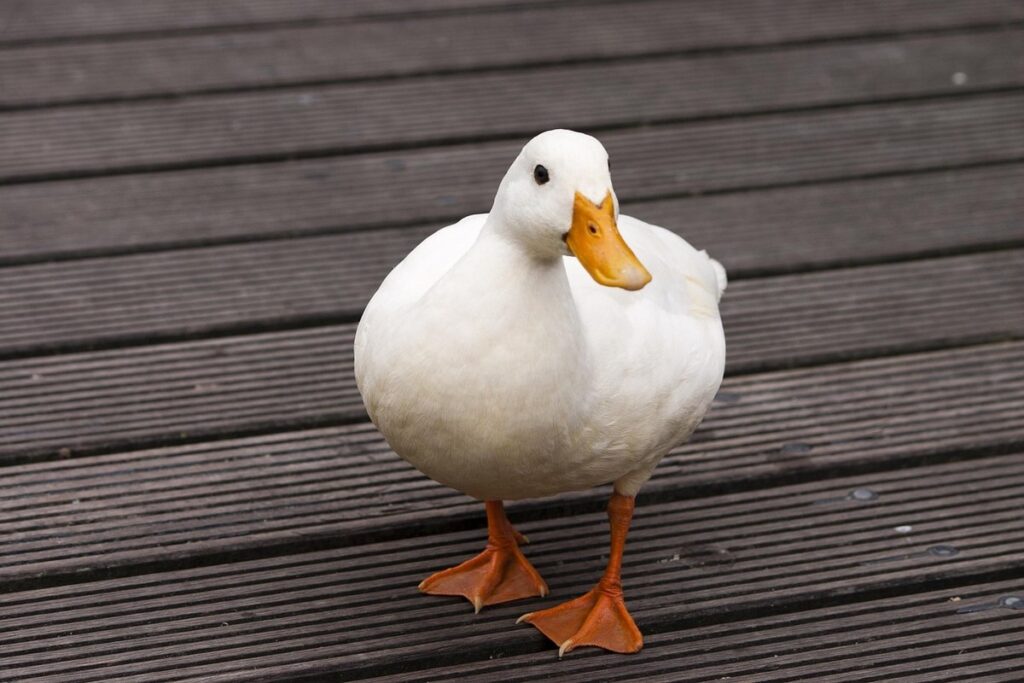
A duck’s foot is a remarkable structure that has evolved to provide support and function for these incredible birds. At its core, a duck’s foot is made up of several basic components that work together seamlessly. Let’s take a closer look at the toes, webs, and nails – the building blocks of a duck’s foot.
The toes are the five distinct digits that protrude from the heel of the duck’s foot. These toes are webbed, meaning they have a membrane connecting them to each other, which plays a crucial role in propulsion and maneuverability in water. The webbing between the toes is made up of a thin layer of skin and connective tissue, allowing for flexibility and movement.
The nails, or claw tips, on the end of each toe are hard keratin structures that provide grip and traction. They come in different shapes and sizes depending on the species of duck, with some having more prominent nails than others. Understanding the basic components of a duck’s foot is essential to appreciating its incredible functionality.
In fact, studies have shown that the unique arrangement of toes, webs, and nails allows ducks to achieve remarkable speeds in water – up to 15 miles per hour for some species! This level of agility and speed is unmatched by most other birds. By examining the basic components of a duck’s foot, we can gain a deeper understanding of its fascinating adaptations.
Unique Features
One of the most distinctive and fascinating features of ducks’ feet is their unique webbed toes. This adaptation allows them to move effortlessly through water with incredible agility and speed. The webs between their toes are made up of a thin membrane, similar to skin, which provides flexibility and support during swimming and diving. When in the water, the webs act as paddles, helping ducks propel themselves forward.
The webbing is so effective that it’s not uncommon for ducks to reach speeds of up to 25 miles per hour while in the water. However, when on land, they can easily fold their toes under their feet to protect the sensitive skin underneath. This remarkable ability allows them to thrive in both aquatic and terrestrial environments.
In addition to webbed toes, ducks’ feet also feature a specialized system for maintaining waterproofing. The feathers surrounding their feet play a crucial role in this process by repelling water and preventing it from seeping into the foot’s sensitive areas. By keeping their feathers well-groomed and clean, ducks can ensure that their feet remain protected from water damage.
Functions and Adaptations
Ducks’ feet may seem simple, but they’re incredibly versatile and have evolved unique functions to help them thrive in various environments. Let’s dive into the fascinating ways their feet adapt to different situations.
Swimming and Diving Abilities
Ducks have evolved an incredible ability to swim and dive with ease, thanks to their remarkable feet. When it comes to propulsion in water, ducks rely heavily on their powerful webbed feet. The wide surface area of the web between their toes acts as a rudder, allowing them to steer through the water with precision. This adaptation is essential for foraging, escaping predators, and migrating across vast distances.
In fact, some duck species can dive to depths of up to 20 feet (6 meters) in search of food, using their feet to push off the bottom and propel themselves upward. The powerful leg muscles and strong foot tendons enable ducks to generate a significant amount of force when kicking, which is crucial for diving.
When swimming, ducks use a unique paddling motion with their feet, keeping them partially submerged in the water. This efficient technique allows them to cover long distances without expending too much energy. By observing how ducks use their feet to swim and dive, we can gain valuable insights into the remarkable adaptability of these fascinating creatures.
Wading and Foraging
Ducks have evolved remarkable adaptations that allow them to wade through shallow waters and forage for food on land with ease. Their feet are perfectly suited for this purpose, with a combination of webbed toes, sturdy legs, and sensitive receptors that detect even the slightest vibrations.
When wading, ducks use their webbed feet to push water aside, allowing them to access areas other birds can’t reach. This is especially useful during courtship displays, when males will often engage in elaborate rituals involving shallow waters. To forage on land, ducks employ a unique gait that enables them to cover great distances with minimal effort.
Interestingly, the shape and structure of a duck’s foot also play a crucial role in its ability to detect food underwater. The papillae – small projections found on the sole of their feet – are highly sensitive to vibrations, allowing them to locate submerged insects and aquatic plants. By understanding these adaptations, we can appreciate the incredible versatility of ducks’ feet and the unique skills they possess to navigate and exploit their environments.
Interesting Facts and Behaviors
You’ll be surprised by some of the unique characteristics of ducks’ feet, from their webbed toes to their remarkable grip, which helps them thrive in water. Let’s dive into these fascinating facts and behaviors.
Courtship and Mating Rituals
When it comes to attracting a mate, ducks rely heavily on their courtship behaviors, and their feet play a crucial role. During mating season, male ducks will often perform elaborate displays of foot movement, flapping their webbed feet to create ripples in the water that can be seen by potential mates.
This unique display is not only visually striking but also serves as a way for males to signal their strength and fitness to females. By showcasing their agility and speed, males demonstrate their ability to forage and protect their territory, making them more attractive partners.
In some species of ducks, the coloration and pattern on the feet can also play a significant role in attracting mates. For example, male Wood Ducks are known for their vibrant orange and blue feet, which serve as a visual signal to females that they possess desirable genetic traits.
So, how can you encourage healthy courtship behaviors in your own duck flock? By providing a stimulating environment with adequate space to roam and engage in natural behaviors, you can help promote the development of strong social bonds between ducks. This includes offering a diverse range of food sources and creating areas for exercise and play.
Parenting and Nesting Habits
As we delve into the world of ducks’ feet, it’s fascinating to observe their unique parenting habits. Female ducks take on the primary role of incubating eggs, using their feet as a vital tool for this purpose. They carefully tuck their eggs under their webbed feet, keeping them warm and safe from potential threats.
This remarkable behavior not only ensures the eggs’ survival but also allows female ducks to maintain a watchful eye over their surroundings, ready to defend their precious cargo at a moment’s notice. The shape of their feet, with their sensitive nerve endings, helps them detect subtle movements, making it easier for them to respond quickly to potential predators.
When protecting their young from predators, duck parents will often use their feet as shields, placing themselves between their chicks and any perceived danger. This selfless behavior is a testament to the strong bond between duck mothers and their offspring. By understanding these unique parenting habits, we can appreciate the intricate role that ducks’ feet play in nurturing and safeguarding their families.
Duck Species and Their Foot Types
Ducks come in a wide range of shapes and sizes, but have you ever wondered how their unique foot types reflect their individual characteristics? Let’s dive into the fascinating world of duck species.
Mallards and Other Common Ducks
When it comes to duck species, some stand out as more common and widespread than others. Among these are the mallards, which are often found in urban and rural areas alike. But what sets them apart from other ducks? Take a closer look at their feet, for instance.
Mallard ducks have webbed feet with three toes forward and one backward, similar to many other duck species. This unique foot structure allows them to swim efficiently through water, propelling themselves with powerful kicks of their webbed feet. Their broad, flat feet also provide stability on land, enabling them to walk comfortably along grassy banks or muddy shores.
Other common ducks that share similarities in foot type include the Pekin and Muscovy ducks. The Pekin duck‘s wide, flat feet are ideal for waddling across wetlands and grasslands, while the Muscovy’s strong, webbed feet enable them to maneuver through dense vegetation with ease.
In fact, a study showed that the majority of duck species have some form of webbing or lobed toes. This adaptation allows them to efficiently propel themselves through water, making swimming an effortless activity for these birds.
Specialized Feet in Rare Duck Species
Some duck species have evolved extraordinary feet to suit their unique environments and lifestyles. Take, for instance, the Magellanic Duck (Anas georgica) found in Patagonia’s rugged terrain. Its webbed feet are remarkably thick-skinned, which allows it to walk on rocky shores with ease.
Another remarkable example is the Fulvous Whistling Duck (Dendrocygna bicolor), native to Africa and Asia. Its zygodactylous foot, where two toes face forward and two backward, enables it to grasp onto plants and grasp onto branches while foraging in dense vegetation.
The Wood Duck (Aix sponsa) boasts a remarkable adaptation – its webbed feet can adjust to become semi-webbed or even fully terrestrial depending on the situation. This flexibility is essential for navigating various habitats from forested areas to grasslands.
These extraordinary adaptations not only showcase nature’s ingenuity but also remind us of the importance of understanding and respecting the diverse needs of different duck species.
Caring for Ducks’ Feet
Taking care of a duck’s feet is crucial to its overall health, so let’s dive into some practical tips on how to keep those webbed wonders in top condition.
Health Issues and Common Problems
As you care for your feathered friends, it’s essential to be aware of common health issues that can affect their feet. One such problem is foot rot, a bacterial infection that causes painful lesions and swelling on the webbed skin between the toes. It’s often caused by poor water quality, inadequate sanitation, or excessive moisture.
To identify foot rot, look for signs like redness, inflammation, and discharge around the affected area. If left untreated, foot rot can lead to further complications, such as abscesses or even amputation in severe cases. Regular cleaning of the feet with a mild antiseptic solution can help prevent this condition.
Other common issues affecting ducks’ feet include cracked heels, bumblefoot, and frostbite. To avoid these problems, ensure your duck’s living area is well-ventilated, dry, and free from drafts. Trim their nails regularly to prevent overgrowth, which can lead to discomfort and infection.
By being vigilant about foot health and taking preventative measures, you can help keep your ducks’ feet in top condition and prevent costly veterinary bills down the line.
Preventative Care and Maintenance
Maintaining healthy duck feet is crucial for their overall well-being and mobility. One of the most effective ways to prevent foot problems is through regular exercise routines that promote circulation and flexibility. You can start by providing a shallow water pool or a designated area with soft, smooth surfaces where your ducks can waddle and play. This will help strengthen their muscles and improve blood flow.
A balanced diet rich in essential nutrients also plays a vital role in maintaining healthy duck feet. Make sure to provide high-quality feed that includes adequate calcium and phosphorus for strong bone development. Additionally, consider supplementing with foods rich in omega-3 fatty acids, such as leafy greens or fish oil, to promote skin health and reduce inflammation.
Some simple daily checks can also help identify potential issues before they become major problems. Look out for signs of overgrowth, cuts, or cracks on your ducks’ feet, and trim any excess growth regularly to prevent ingrown toenails and other complications.
Conclusion
As we wrap up our fascinating journey into the world of duck feet, let’s recap what we’ve discovered and explore some final thoughts on these incredible appendages. We’ll tie everything together in this conclusion.
Recap of Key Points
As we conclude our exploration into the fascinating world of ducks’ feet, it’s essential to recap the key points that have been uncovered. Understanding the unique foot anatomy and adaptations of these incredible creatures is crucial for appreciating their remarkable abilities.
At the heart of a duck’s foot lies a specialized system designed for efficient swimming, walking, and even perching on branches. The combination of webbed feet, powerful leg muscles, and a remarkable distribution of weight onto the toes has allowed ducks to thrive in various aquatic environments. Whether it’s gliding effortlessly across ponds or wading through marshy wetlands, their unique foot anatomy enables them to navigate their surroundings with ease.
But ducks’ feet are more than just an efficient tool for movement – they also play a critical role in thermoregulation and sensory perception. The webbed part of the foot helps to regulate body temperature by increasing the surface area exposed to water or air, allowing ducks to conserve energy during long periods of aquatic activity. Additionally, the arrangement of nerve endings on their feet provides invaluable feedback for balance, orientation, and even prey detection.
Incorporating these unique adaptations into your own life can be as simple as paying attention to the way you walk or stand in different environments. For example, incorporating more weight onto your toes while walking can help improve balance and stability – a principle that ducks have mastered through millions of years of evolution. By emulating some of the remarkable features found in duck feet, we can gain valuable insights into the importance of adaptability and specialized body parts in our own lives.
Frequently Asked Questions
How can I care for my duck’s webbed feet to prevent health issues?
Caring for your duck’s webbed feet is essential to preventing health issues like bumblefoot or cracked webs. Keep their living area clean and dry, provide a balanced diet rich in calcium and vitamin E, and trim their nails regularly to avoid overgrowth. You can also add a small amount of Epsom salt to their water bath for added relaxation.
Can all duck species have webbed feet?
While most duck species have webbed feet, some breeds like the Muscovy duck have partially or fully non-webbed feet. It’s essential to research the specific needs and characteristics of your duck species to provide proper care.
How do I know if my duck is experiencing a foot injury or health issue?
Monitor your duck for signs of discomfort or pain, such as limping, favoring one leg, or showing reluctance to move around. Also, keep an eye out for changes in their droppings or overall behavior. If you notice any unusual symptoms, consult with a veterinarian experienced in caring for ducks.
Can I trim my duck’s nails myself, or do I need professional help?
While it’s possible to trim your duck’s nails yourself, it’s recommended to seek the guidance of an experienced breeder or veterinarian. Improper nail trimming can lead to painful conditions like ingrown toenails or cracked heels.
How often should I clean and disinfect my duck’s living area to prevent disease transmission?
Regularly cleaning and disinfecting your duck’s living area is crucial to preventing disease transmission. Aim to do this at least once a week, using a solution of 1 part white vinegar to 9 parts water. Make sure to rinse thoroughly with clean water after disinfecting.