
As winter settles in, our feathered friends are put to the test. Ducks, in particular, have evolved remarkable strategies to survive the harsh conditions. From behavioral changes that help them conserve energy to unique plumage properties that shield them from the cold, these incredible birds have adapted to thrive in even the most inhospitable environments.
But what exactly enables ducks to adapt to winter? And how are conservation efforts playing a crucial role in protecting duck populations? In this article, we’ll delve into the fascinating world of duck survival strategies and explore the essential role that conservation plays in preserving these magnificent creatures. By understanding how ducks cope with winter’s challenges, we can gain valuable insights into their remarkable resilience and the importance of our collective responsibility to protect them.
Understanding Duck Behavior in Cold Weather
When it comes to surviving the cold winter months, understanding how ducks behave is crucial. In this next part, we’ll explore their fascinating adaptations and strategies for staying warm and thriving in icy temperatures.
The Effects of Temperature on Duck Physiology
When exposed to cold temperatures, ducks undergo significant physiological changes that help them adapt and survive. One of the primary effects of temperature on duck physiology is its impact on metabolism. In colder conditions, ducks increase their metabolic rate to maintain body heat, a process known as thermogenesis. This increase in energy expenditure enables them to generate more heat, but it also means they burn through stored fat reserves at a faster pace.
As a result, ducks may exhibit changes in behavior to conserve energy and optimize heat production. For instance, they might reduce their activity levels, huddle together for mutual warmth, or take on specific postures that minimize exposed skin surface area. A study on mallard ducks found that in temperatures as low as 10°C (50°F), individuals increased their resting metabolic rate by up to 20% to maintain body temperature.
To help your feathered friends during cold snaps, consider providing them with adequate food and water sources, ensuring access to shelter or windbreaks, and maintaining a safe distance from potential predators. By understanding the effects of temperature on duck physiology and adapting their environment accordingly, you can support their adaptation and survival strategies during winter months.
Behavioral Adaptations to Winter
As winter sets in, ducks must employ various behavioral adaptations to survive. One of the most notable strategies is migration. Many duck species migrate to warmer regions, such as southern states or Mexico, where food and water are more abundant. For example, the American Wood Duck migrates from Canada to the southeastern United States.
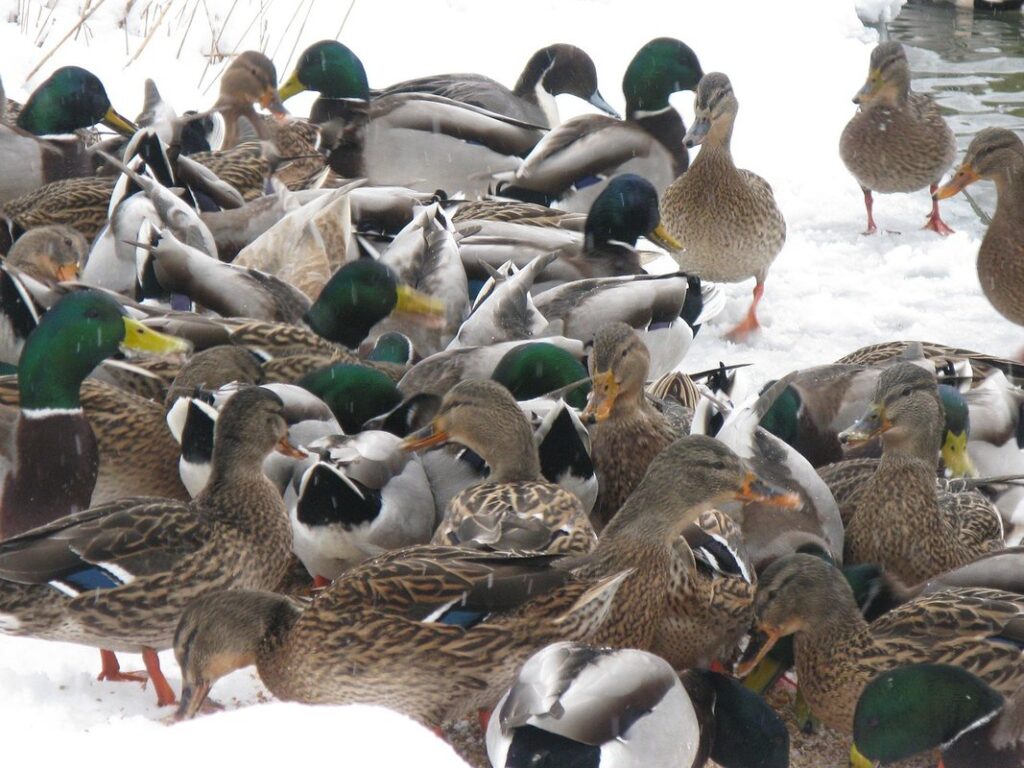
However, not all duck species can or do migrate. In these cases, they must rely on other adaptations. Huddling is a common behavior among ducks during winter. By clustering together, they share body heat and reduce energy expenditure. This behavior is especially crucial for young or weak individuals who may struggle to maintain their own body temperature.
Feather maintenance also plays a vital role in a duck’s ability to cope with cold weather. They preen their feathers regularly to keep them clean and waterproof, trapping warm air next to the skin. Additionally, some ducks will often engage in “sun bathing” by exposing themselves to direct sunlight to warm up their feathers before returning to the water.
Social Structure and Flock Dynamics
As winter sets in, ducks undergo significant changes in their social structure. One of the most notable adaptations is an increase in flocking behavior. In colder climates, it’s common to see larger groups of ducks congregating together for protection and warmth. This communal living arrangement allows them to share body heat, reducing energy expenditure and minimizing the risk of predators.
Within these flocks, dominance hierarchies emerge as ducks establish pecking orders. This social structure helps maintain order and prevents conflicts over resources. Dominant birds typically lead the flock, while subordinate individuals follow their cues. Observers can often identify dominant ducks by their assertive behavior, such as aggressive displays or access to prime feeding spots.
As you observe ducks in winter, keep an eye out for these flocks and dominance hierarchies. By understanding and respecting these social dynamics, you can better appreciate the complex behaviors of ducks during this time. If you’re a duck owner, consider providing additional space and enrichment activities to promote harmonious flocking behavior within your backyard flock.
The Role of Plumage in Duck Winterization
As we explore how ducks adapt to winter, it’s essential to consider their remarkable plumage, which plays a crucial role in keeping them warm and insulated. Their unique feathers are expertly designed for cold weather survival.
Water-Repellent Feathers: A Key to Survival
Duck feathers have evolved to be incredibly efficient at repelling water and maintaining insulation during cold weather. This is crucial for their survival during winter months when temperatures drop and bodies of water freeze over.
The unique properties of duck feathers can be attributed to the structure of individual fibers, which are made up of a series of tiny barbs that branch off from a central shaft. These barbs have tiny hooks at the end, known as ‘zipper-like’ connections, that interlock with neighboring feathers to form an incredibly tight and effective barrier against water.
This specialized arrangement allows duck feathers to be both waterproof and yet provide excellent insulation. When water hits the feather, it forms beads that simply roll off due to the angle of the barbs and the oily coating on each fiber. At the same time, trapped air spaces within the plumage prevent heat from escaping, keeping the bird warm even in freezing temperatures.
This remarkable combination of properties makes duck feathers a prime example of evolutionary adaptation for winter survival.
Down Insulation: A Critical Component of Duck Thermoregulation
When it comes to surviving harsh winter conditions, ducks have evolved several impressive strategies to stay warm. One crucial component of their thermoregulation is down insulation. Down feathers are made up of tiny, soft, and fluffy filaments that trap warm air next to the duck’s skin, providing a vital layer of insulation.
In fact, research has shown that ducks can lose as much as 40% of their body heat through their heads alone if they don’t have sufficient down coverage. This is why you’ll often see ducks fluffing out their feathers when they’re cold – it’s not just for show! By puffing out their plumage, they increase the surface area of their down, allowing them to retain more warmth.
To appreciate the importance of down insulation in duck thermoregulation, consider this: a single down feather can trap up to 90% of its volume in warm air. Multiply that by the thousands of feathers on a duck’s body, and you have a powerful warming system at work. When choosing a duck breed for winter hardiness, look for ones with dense, well-maintained down – it’s a key indicator of their ability to thrive in cold climates.
Feather Molt and Maintenance During Winter
As winter sets in, ducks undergo a natural process to adapt their plumage for optimal insulation and protection. This process is called feather molt and maintenance, which involves the gradual shedding of old feathers and replacement with new ones.
During this period, ducks may appear to lose some of their characteristic fluffy appearance as they shed their old feathers. However, it’s essential to note that this process is a natural part of their life cycle. In fact, molting allows ducks to conserve energy by reducing the need for frequent preening and cleaning.
To maintain their plumage during winter, ducks adapt their feathers in several ways. For instance, they may grow longer guard hairs on top of their body to provide additional insulation against cold temperatures. Additionally, some duck species develop thicker down layers underneath their main feathers to retain warmth.
By understanding these adaptations, you can provide a supportive environment for your ducks during the winter months. Ensure their living space is draft-free and keep them well-fed to maintain their overall health.
Nutrition and Energy Sources for Ducks in Winter
When it comes to keeping your ducks healthy and thriving during winter, providing them with adequate nutrition and energy is crucial. A well-balanced diet will help them stay warm and energized throughout the cold months.
Food Availability and Scarcity During Winter
As winter sets in, ducks face significant challenges when it comes to finding food. One of the primary issues is reduced availability of forage, which can lead to malnutrition and starvation if not addressed properly. During this time, water bodies freeze over, leaving ducks with limited access to their usual food sources.
Competition from other wildlife adds another layer of complexity. Other birds, such as geese and pigeons, also flock to the same areas, increasing competition for resources. Squirrels and other small mammals may also be competing for seeds, fruits, and nuts, further reducing the available food supply.
In a study conducted by the University of Minnesota, researchers found that ducks in winter had access to only 20% of their usual food sources due to snow cover and freezing temperatures. This scarcity can have long-term effects on duck populations, making it crucial for owners and caregivers to take proactive measures to ensure their ducks’ nutritional needs are met during this period.
If you’re a duck owner or caregiver, consider supplementing your ducks’ diet with high-calorie grains, such as oats or wheat, to help bridge the gap. You can also provide fresh vegetables like kale and spinach, which are rich in nutrients and easy to digest.
Plant-Based and Animal-Based Nutrients
When it comes to finding energy sources for ducks during winter, it’s essential to consider both plant-based and animal-based nutrients. In the wild, ducks forage for a variety of plants, including grasses, aquatic plants, and algae. These plants provide essential vitamins, minerals, and antioxidants that help maintain their immune system and overall health.
Some examples of nutritious plant-based foods for ducks include duckweed, water lilies, and cattails. You can also supplement their diet with grains like oats, barley, and wheat, which are rich in carbohydrates for energy. In addition to these plant-based sources, ducks will also search for animal-based nutrients like insects, small fish, and crustaceans.
In fact, studies have shown that ducks can obtain up to 30% of their protein requirements from aquatic insects alone. By incorporating a mix of both plant-based and animal-based foods into your duck’s winter diet, you can help ensure they stay healthy and thrive throughout the colder months. Make sure to provide fresh water and a balanced diet that meets their nutritional needs.
The Importance of Water Sources During Winter
Access to clean water is essential for ducks during winter, as it plays a vital role in their survival and overall health. When water bodies freeze over, ducks are forced to rely on alternative sources, which can be contaminated with pollutants, bacteria, or other substances that can harm them.
Frozen ponds, lakes, and rivers become a significant risk during winter months, especially for young ducklings who require access to unfrozen water for drinking and swimming. If they cannot find suitable water sources, they may become dehydrated or succumb to hypothermia. Moreover, frozen water bodies can also hide dangers like thin ice that may break under their weight.
It is crucial for duck owners to ensure that their birds have access to clean, unfrozen water throughout the winter season. This can be achieved by installing a reliable source of freshwater, such as a water dispenser or a heated birdbath, in a sheltered area protected from harsh winds and extreme temperatures.
Conservation Efforts and Threats to Duck Populations
When it comes to duck populations, conservation efforts play a crucial role in protecting these amazing birds from various threats that impact their numbers each year. Let’s take a closer look at some of these pressing concerns.
Habitat Destruction and Fragmentation
Human activities have a significant impact on duck populations during winter. One of the most critical threats is habitat destruction and fragmentation, which can be attributed to urbanization and agricultural expansion. As natural habitats are converted into agricultural fields, urban areas, or infrastructure projects, ducks lose their breeding, feeding, and sheltering grounds.
Agricultural practices such as monoculture farming lead to the degradation of wetlands, grasslands, and forests that provide essential resources for duck populations. Urbanization further exacerbates this issue by reducing available habitats and increasing competition for remaining resources. For instance, in North America, it’s estimated that between 1970 and 2015, over 55% of wetlands were lost due to agricultural activities and urban development.
To mitigate these effects, consider supporting conservation efforts that focus on restoring natural habitats and promoting sustainable agriculture practices. By preserving and creating habitat corridors, you can help ducks migrate safely through fragmented areas and find suitable breeding grounds. You can also make eco-friendly choices in your daily life by choosing locally sourced produce, reducing meat consumption, or participating in community garden projects that promote biodiversity.
Climate Change Impacts on Duck Migration Patterns
Climate change is significantly impacting duck migration patterns, with far-reaching consequences for these iconic birds. One of the most striking effects is the alteration of timing, routes, and population sizes. For instance, a study on Wood Ducks found that their spring arrival dates have advanced by an average of 11 days over the past few decades. This change in migration schedule can disrupt the delicate balance between ducks and their food sources, making it challenging for them to adapt.
Moreover, climate-driven changes are causing shifts in habitat quality and availability, leading to a decline in suitable breeding grounds and wintering sites. The resulting changes in population dynamics can be particularly concerning for species that rely on specific habitats during different seasons. For example, the American Golden-Plover migrates from the Arctic tundra to South America each year, but climate change has altered its route, forcing it to traverse warmer regions with less food and water.
If you’re an avid birdwatcher or simply concerned about duck populations, it’s essential to note that these changes in migration patterns can have broader implications for ecosystems. By understanding the intricate connections between climate, habitat, and species distribution, we can work towards developing effective conservation strategies. This might involve protecting key habitats, promoting sustainable agriculture practices, and educating communities about the importance of preserving natural areas.
Disease and Parasite Transmission in Winter Flocks
When winter rolls around, duck flocks often become more concentrated in search of food and shelter. While this may seem like a survival strategy, it actually increases the risk of disease transmission among ducks. Poor hygiene practices and close quarters can spread illnesses like avian cholera, duck plague, and respiratory diseases.
These diseases can be devastating to duck populations, causing significant mortality rates. For example, in 2016, an outbreak of avian cholera killed over 1,000 waterfowl in the UK. This highlights the importance of maintaining good flock hygiene during winter months.
To mitigate this risk, it’s essential for duck owners and managers to implement proper sanitation and biosecurity measures. This includes regularly cleaning feeding and watering areas, disinfecting equipment, and monitoring bird health closely. By taking these steps, you can help protect your flock from disease transmission and ensure their survival during the harsh winter months.
Conclusion: Promoting Sustainable Coexistence with Ducks
As we conclude our exploration of ducks’ winter adaptation strategies, let’s discuss how you can promote harmonious coexistence with these waterfowl in your own community.
Key Takeaways for Humans and Environmental Stewardship
As we conclude our exploration of ducks’ winter adaptation strategies, it’s essential to remember that their survival and well-being also depend on our actions as humans. By implementing a few simple changes in our daily lives, we can significantly contribute to promoting duck populations and preserving their habitats.
One critical step is preserving and restoring natural habitats for ducks to thrive in. This includes planting native vegetation along waterways and maintaining wetlands. A study by the Audubon Society found that restoring just 10% of degraded wetlands can support up to 20 million waterfowl, including ducks.
Reducing pesticide use is another vital strategy for supporting duck populations. Many pesticides have been linked to declining duck populations, as they accumulate in their bodies and impact their immune systems. We can adopt more sustainable gardening practices by using natural pest control methods or opting for integrated pest management (IPM) techniques.
Lastly, responsible waste management plays a significant role in maintaining duck habitats. Avoid littering in parks and waterways, and properly dispose of trash to prevent it from entering our ecosystems. By taking these simple steps, we can promote sustainable coexistence with ducks during the winter months and beyond.
The Importance of Educating the Public about Duck Conservation
As we’ve explored the incredible adaptations and survival strategies of ducks during winter, it’s essential to consider the broader implications of our actions on their habitats. Educating the public about duck conservation is crucial for promoting sustainable coexistence with these amazing birds.
By understanding the importance of preserving duck habitats, we can work together to protect their natural environments. This involves respecting their nesting and breeding grounds, as well as reducing our impact on water quality. Public awareness campaigns and educational programs can play a significant role in promoting this mindset. For instance, teaching children about the interconnectedness of ecosystems and the delicate balance between species and their habitats can foster empathy and responsibility.
By incorporating simple actions into our daily lives, such as reducing waste and conserving energy, we can make a tangible difference. We can also support local conservation efforts by volunteering or donating to reputable organizations that protect duck habitats. By joining forces with local communities and sharing knowledge about duck behavior, nesting habits, and habitat requirements, we can create a ripple effect of positive change for these incredible creatures.
Frequently Asked Questions
How can I support local duck populations during harsh winters?
By providing supplemental food sources, such as cracked corn or oats, you can help sustain ducks through periods of scarcity. Additionally, creating shallow water areas with access to sheltered spots will allow them to rest and conserve energy.
What are some common signs that a duck’s plumage is not adapted for winter conditions?
If a duck appears frayed around the edges, has bare patches on its feathers, or seems to be struggling to stay warm in cold temperatures, it may indicate a lack of adaptation. Consult with local wildlife experts or veterinarians to determine the best course of action.
Can ducks still migrate during extreme weather events?
Yes, some duck species are capable of adapting their migration patterns to avoid harsh winter conditions. However, other factors such as food availability and habitat quality also play significant roles in determining whether a flock will continue migrating or remain in one area for the winter.
How can I identify whether a duck’s water-repellent feathers are compromised?
Pay attention to how easily the feathers absorb water. If they seem wet or heavy after exposure, it may indicate that their natural oil barrier is compromised. Regular cleaning and preening can help maintain healthy feathers.
What are some key indicators of climate change impacts on duck migration patterns?
Changes in temperature and precipitation patterns, shifts in food availability, and modifications to existing habitats all contribute to altered migration routes. Monitoring local water levels, tracking changes in vegetation growth, or observing alterations in bird behavior may signal broader ecosystem transformations.