
Are you considering bringing home a new pet chicken, but not sure where to start? If you’re looking for a gentle and laid-back breed that’ll provide you with an abundance of colorful eggs, then the Easter Egger chicken hen might be just what you need. These birds are known for their unique ability to lay eggs in various shades of blue, green, pink, and yellow, making them a standout choice among backyard flock enthusiasts. In this article, we’ll delve into the characteristics that make Easter Eggers such ideal companions, including their egg-laying abilities, temperament, and specific care requirements. Whether you’re an experienced chicken owner or just starting out, our expert advice will help you understand why these birds are perfect for small farms, homesteads, and backyard flocks alike.
What are Easter Eggers?
So, you’re curious about what makes an Easter Egger an Easter Egger? Let’s break down the basics and explore how these unique hens got their name.
Origin and History of Easter Eggers
The term “Easter Egger” originated from the fact that these chickens lay eggs with colored shells, often resembling the vibrant colors of Easter eggs. This unique trait was first discovered and popularized by backyard chicken enthusiasts in the United States during the 1980s.
It’s worth noting that the actual breed or genetics of an Easter Egger is not tied to a specific heritage or region. Instead, these chickens are often the result of cross-breeding between various egg-laying breeds, such as Ameraucanas or Araucanas, and other domestic chicken breeds. This intentional breeding has led to the creation of hens that can produce eggs with shades of blue, green, pink, yellow, and even copper-colored shells.
The history of Easter Eggers is largely a story of innovation and experimentation in backyard chicken-keeping. As enthusiasts sought to create unique and exciting egg-laying birds, they discovered that the genetic combination of certain breeds could result in these extraordinary eggs. Today, Easter Eggers remain a popular choice for those looking to add some excitement and variety to their flock.
Characteristics of Easter Eggers
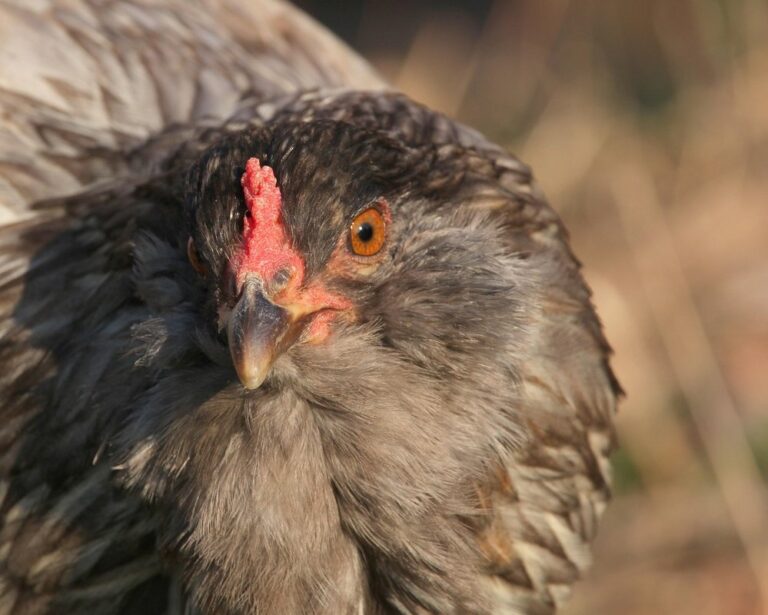
Easter Eggers are known for their striking appearance, which often sets them apart from other chicken breeds. One of the most distinctive physical characteristics of Easter Eggers is their egg-laying ability and egg color. Unlike many other breeds that lay white or light-brown eggs, Easter Eggers are bred to produce a wide range of colors, including pink, blue, green, olive, and even dark brown. The exact shade of the eggs depends on the specific genetics of the individual bird.
In terms of physical appearance, Easter Eggers can exhibit characteristics from their parent breeds, such as the Araucana or Ameraucana. They may have a mix of feathers, beak shape, and comb type that resemble these breeds. However, they are not purebred Araucanas or Ameraucanas, which makes them unique in their own right.
Some Easter Eggers may also inherit traits like mottled or swirling patterns on their feathers, as well as varying degrees of feather length. As a result, each Easter Egger can look quite different from the next, making them a delight for backyard chicken keepers to collect and raise.
Benefits of Keeping Easter Eggers as Pet Hens
If you’re considering adding some colorful eggs and charming personalities to your backyard, you’ll love the many benefits of keeping Easter Egger hens as pets. They bring so much joy to families and solo chicken keepers alike.
Egg Production and Quality
When it comes to egg production and quality, Easter Eggers truly shine. These birds are known for their impressive egg-laying abilities, which make them a great addition to any backyard flock. On average, an Easter Egger will lay around 280-300 large brown eggs per year, with some hens producing up to 320 eggs annually.
One of the most distinctive features of Easter Egger eggs is their color and shell quality. Unlike many other breeds, which often produce white or light-brown eggs, Easter Eggers are known for their stunning range of colors – pink, blue, green, and even olive! The shells themselves tend to be thicker than those produced by other breeds, making them more durable and less prone to breakage.
When it comes to choosing an Easter Egger as a pet hen, egg production is just one factor to consider. These birds are also known for their friendly, outgoing personalities – they love human interaction and will often follow you around the yard in search of treats. With proper care and nutrition, your Easter Egger hens should thrive and produce plenty of delicious eggs throughout the year.
Temperament and Personality
One of the most appealing aspects of keeping Easter Egger hens as pets is their temperament and personality. These lovely birds are renowned for being friendly, docile, and gentle, making them an ideal choice for beginners who want to start a backyard flock. Their calm nature allows them to thrive in small spaces, such as backyards or even urban gardens with limited room.
Easter Egger hens are known to be quite social and enjoy human interaction. They’ll often come when called by name and can become quite attached to their owners. This means you can expect a lot of entertainment from watching your Easter Eggers explore their surroundings, search for treats, or simply frolic in the sun.
In contrast to some other breeds that can be aggressive or territorial, Easter Egger hens are generally laid-back and accepting of new people and pets. They’re also less likely to get stressed or anxious, which is a bonus when it comes to caring for your feathered friends.
When introducing an Easter Egger hen to your family, make sure to spend quality time with her from the start. This will help establish trust and strengthen your bond with her. With proper care and attention, you’ll find that these charming birds become loyal companions that bring joy to your daily life.
Choosing the Right Easter Egger Breed
When it comes time to pick out your new Easter Egger, understanding their unique characteristics is key. Let’s dive into the specifics of choosing a breed that suits your needs and lifestyle.
Types of Easter Eggers: Ameraucana and Araucana
When it comes to choosing an Easter Egger breed, two popular options stand out: Ameraucana and Araucana. While both breeds share the characteristic of laying blue eggs, they have distinct differences in appearance, temperament, and egg-laying abilities.
The Ameraucana is a larger bird with a sturdy build, weighing between 5-7 pounds. They have a calm and friendly nature, making them an excellent choice for families or those new to raising chickens. Their feathers come in a variety of colors, including blue, wheaten, and black, which can add visual interest to your backyard flock.
In contrast, the Araucana is smaller, weighing between 3-5 pounds, with a more delicate build. They are known for their intense, energetic personalities and require regular exercise and mental stimulation. Their plumage often displays striking bi-color or tri-color patterns, adding an extra layer of charm to their appearance.
Both breeds are prolific egg-layers, producing around 200 eggs per year. However, Ameraucanas tend to lay larger eggs with a more rounded shape, while Araucanas produce smaller, more oval-shaped eggs. If you’re looking for a breed that’s easy-going and laid-back, the Ameraucana might be the better choice. But if you’re willing to provide the necessary care and attention, the Araucana can make a delightful addition to your flock.
Other Easter Egger Breeds and Varieties
If you’re already familiar with some of the more popular Easter Egger breeds like Ameraucana and Araucana, you may want to consider lesser-known varieties that are also egg-cellent. The Marans and Barnevelder breeds are two such examples.
The French Marans breed is known for its dark, chocolate-brown eggs, while the Dutch Barnevelder lays a deep terracotta-colored egg. These breeds may not be as well-known as some of their more popular counterparts, but they’re certainly worth considering if you want to add some unique egg-laying capabilities to your flock.
If you’re looking for even more unusual varieties, you might consider crossing one of these breeds with another Easter Egger breed or experimenting with different strains within a single breed. This can result in even more innovative and colorful eggs being laid by your hens.
Some other notable mentions include the Swedish Flower Hen and the Belgian Bearded d’Anvers, which also produce blue eggs. While they may not be as prolific egg-layers as some of the other breeds mentioned here, their unique characteristics make them worth considering for backyard chicken keepers who want to stand out from the crowd.
Caring for Your Easter Egger Hens
To keep your Easter Egger hens happy and healthy, learn how to provide them with the best care possible, from nutrition to health checks. With proper attention, they’ll thrive in your backyard flock.
Nutrition and Feeding Requirements
Easter Eggers have unique nutritional needs that are slightly different from other chicken breeds. When it comes to feeding your Easter Egger hens, it’s essential to provide a balanced diet that meets their specific requirements.
A good quality layer feed should be the foundation of your hen’s diet. However, you may also need to supplement with calcium and protein-rich foods, especially if you’re collecting eggs regularly. Dark leafy greens like kale and spinach are excellent sources of calcium, while mealworms or crickets can provide a boost of protein.
It’s also crucial to ensure access to fresh water at all times. A general rule of thumb is to provide one quart of water per three hens, with an additional quart for every 10 degrees above 60°F (15°C). You may need to adjust this ratio depending on your climate and the size of your flock.
Remember to introduce new foods gradually to prevent digestive issues. Start by mixing a small amount into their regular feed and observe how they react before increasing the quantity.
Health Considerations and Common Issues
Maintaining the health of your Easter Egger hens is crucial to their well-being and egg production. One common issue you may encounter is egg binding, a condition where the hen’s egg gets stuck in her vent and prevents her from laying normally. This can be caused by dehydration, constipation, or poor nutrition.
To prevent egg binding, ensure your Easter Eggers have access to plenty of fresh water and a balanced diet rich in fiber and calcium. You should also provide a clean and dry nesting box, as hens prefer to lay eggs in a private, comfortable space.
Another issue you may encounter is prolapse, where the hen’s reproductive organs protrude from her vent. This can be caused by excessive egg laying, poor posture, or obesity. To prevent prolapse, monitor your Easter Eggers’ weight and ensure they have enough exercise and opportunities to move around freely.
Regular health checks and monitoring of your hens will help you identify any potential issues early on, allowing you to take corrective action and keep your Easter Eggers healthy and happy.
Housing and Environment for Easter Eggers
When it comes to creating a comfortable home for your Easter Egger hens, their housing and environment play a crucial role in their overall health and happiness. In this section, we’ll cover the essential considerations for providing a suitable space.
Coop Design and Layout
When it comes to providing a happy and healthy home for your Easter Eggers, coop design, ventilation, and sanitation are crucial factors to consider. A well-planned coop not only protects your chickens from predators but also ensures their physical and mental well-being.
Aim for adequate space per bird, with at least 3-4 square feet of interior coop space and 8-10 square feet of outdoor run area. This will give them room to move around comfortably and engage in natural behaviors like foraging and dust bathing.
Proper ventilation is also essential to prevent ammonia buildup from droppings and maintain a healthy atmosphere. Install windows, vents, or fans to ensure airflow and keep the coop well-ventilated. Clean out droppings regularly and disinfect the coop every few months to maintain cleanliness and prevent disease.
Remember, a happy and healthy Easter Egger is more likely to be a productive layer, so invest time and effort into creating a safe and comfortable living space for your feathered friends.
Outdoor Space and Fencing Requirements
When it comes to creating a safe outdoor space for your Easter Eggers, you’ll want to consider several factors. First and foremost, fencing is crucial to keep these curious birds from escaping or getting into trouble. A good rule of thumb is to provide at least 2-3 feet of vertical clearance around the entire perimeter of the enclosure to prevent flying escape artists.
As for the type of fencing, hardware cloth or chicken wire with openings no larger than 1 inch are excellent options. You’ll also want to bury the fencing material at least 12 inches underground to prevent digging escapees. Consider a sturdy gate that can withstand enthusiastic flapping and scratching, and make sure it’s securely locked.
Don’t forget about shade and shelter – Easter Eggers love to roost in trees or under covered areas during hot summer days. You can create a simple lean-to structure using chicken wire and some sturdy branches, or even repurpose an old doghouse for your feathered friends. By prioritizing safety and providing a comfortable outdoor space, you’ll ensure your Easter Eggers thrive and enjoy their time spent outdoors.
Conclusion: Why You Should Consider Getting an Easter Egger Hen
Now that you’ve learned all about Easter Egger chicken hens, let’s summarize why they’re a great addition to any backyard flock. They bring unique surprises to your table!
Final Thoughts on Easter Eggers as Pets
As we conclude our comprehensive guide to Easter Egger chicken hens, it’s time to summarize the benefits of keeping these incredible birds as pets. If you’re considering bringing an Easter Egger home, be prepared for a lifelong companionship that will bring joy and excitement to your daily life.
One of the most significant advantages of having an Easter Egger is their gentle nature. Unlike some other breeds, Easter Eggers are known to be calm and docile, making them perfect for families with children or those who want a low-maintenance pet. They’re also incredibly intelligent and curious, ensuring that you’ll never get bored watching them explore their surroundings.
Another benefit of keeping an Easter Egger is their unique egg-laying abilities. Not only will you enjoy the thrill of collecting colorful eggs from your backyard, but you’ll also be getting high-quality protein for your family’s table. With proper care and attention, an Easter Egger can lay up to 200 large eggs per year, making them a valuable addition to any homestead.
If you’re ready to bring some excitement and fresh air into your life, consider welcoming an Easter Egger hen into your home. With their loving personalities and impressive egg-laying abilities, they’ll be sure to delight and entertain you for years to come.
Resources and Next Steps
If you’re interested in learning more about Easter Egger chicken hens and how to incorporate them into your backyard flock, there are several resources available that can provide valuable information and support. One of the best ways to learn from experienced breeders is through online forums and social media groups dedicated to Easter Eggers. These communities offer a platform for sharing knowledge, asking questions, and connecting with others who share similar interests.
Some popular online forums include BackYard Chickens and Chicken Forum, both of which have dedicated sections for Easter Egger enthusiasts. Additionally, many breeders and farmers maintain their own websites or social media profiles where they share information about their flocks and offer advice on how to care for these unique birds.
If you’re looking to connect with other local chicken keepers, consider joining a nearby poultry club or attending a regional chicken show. Not only will you have the opportunity to learn from experts in the field, but you’ll also be able to network with others who share your passion for Easter Egger hens.
Frequently Asked Questions
Can I keep Easter Eggers as pets if I live in a small apartment with no outdoor space?
Yes, you can keep Easter Eggers as pets even in a small apartment without outdoor space, but it’s essential to provide regular exercise and mental stimulation. Consider setting up a large indoor coop or enclosure where your chickens can roam freely. You’ll also need to ensure adequate ventilation and lighting. Research local regulations regarding backyard chickens in urban areas before bringing home your Easter Eggers.
How often should I collect eggs from my Easter Egger hens, and what are some tips for handling their unique egg shells?
Collecting eggs regularly will encourage your Easter Eggers to continue laying. It’s best to gather eggs daily or every other day to prevent breakage. When handling the eggs, be gentle, as the colored shells can be more prone to cracking than traditional brown or white eggs. Wash your hands before and after handling eggs to maintain cleanliness.
What are some common health issues that Easter Eggers may experience, and how can I minimize their risk?
Easter Eggers, like all breeds, can be susceptible to health issues such as mites, lice, and respiratory problems. Keep an eye on your flock’s behavior and appearance, and research natural remedies for these common issues. Regular cleaning of the coop, proper ventilation, and a balanced diet can go a long way in maintaining your Easter Eggers’ overall health.
Can I mix Easter Eggers with other breeds in my backyard flock, or do they have specific requirements?
While it’s possible to mix Easter Eggers with other breeds, it’s essential to consider compatibility. Some breeds may not tolerate the Easter Egger’s gentle nature, while others might be too aggressive for your Easter Eggers. Research compatible breeds and ensure that any new additions are integrated slowly and under close supervision.
How long do Easter Eggers typically live, and what factors can affect their lifespan?
Easter Eggers generally have a lifespan of 5-7 years, similar to many other chicken breeds. Factors affecting their lifespan include nutrition, health issues, and environmental conditions. Regular check-ups with a veterinarian, proper care, and a balanced diet will contribute to a long and healthy life for your Easter Eggers.