
Easter Eggers are a fascinating breed of chicken, known for their ability to lay eggs in a variety of stunning colors. But have you ever wondered what makes these egg colors so unique? It’s all about genetics! As it turns out, Easter Eggers owe their colorful eggs to the genetic combination of an American Blue Egg or Olive Egger parent with another breed that lays a specific color. If you’re considering bringing home one of these beautiful birds, it’s essential to understand what factors contribute to their egg-laying abilities and how to provide them with optimal care.
In this article, we’ll delve into the world of Easter Eggers’ unique egg colors, exploring their genetics, care requirements, and health considerations. By the end of this post, you’ll be equipped with the knowledge to make informed decisions when choosing an Easter Egger for your flock or to better understand these remarkable birds.
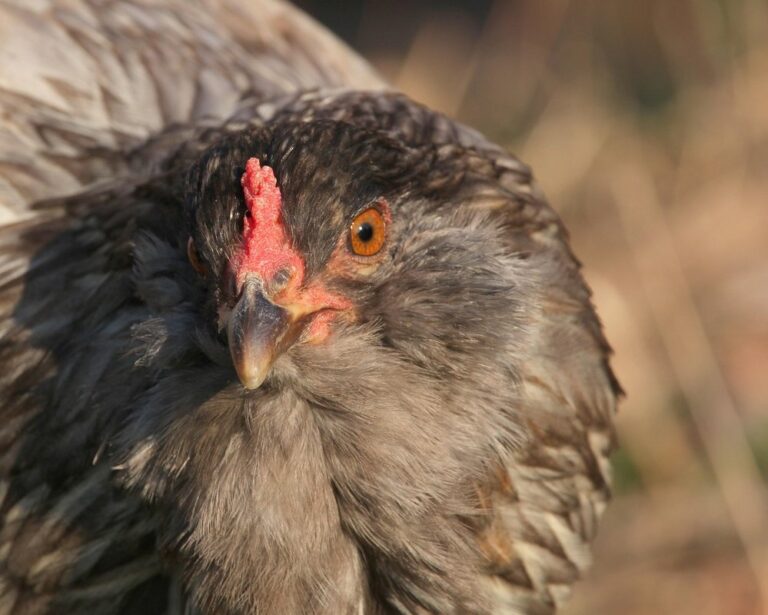
What Are Easter Egger Chickens?
So, you’re curious about these fascinating birds that lay eggs in a kaleidoscope of colors, but what exactly are Easter Egger chickens and why do they get their name? Let’s dive into this unique breed.
Characteristics of Easter Eggers
Easter Eggers are a unique and fascinating breed that has captured the hearts of many chicken enthusiasts. Originating from cross-breeding between Ameraucana or Araucana chickens with other breeds such as Leghorns, Easter Eggers were created to pass on their incredible egg-laying abilities while adding a dash of uniqueness to the traditional chicken coop.
One of the most distinctive characteristics of Easter Eggers is their calm and docile temperament. They are known for being friendly, social birds that get along well with other chickens and even make great pets. This gentle nature makes them an excellent choice for families with children or for those who want a low-maintenance flock.
In terms of egg-laying abilities, Easter Eggers have proven to be remarkable. They can lay up to 300 eggs per year, with some hens producing as many as 5-6 eggs per week. What’s more impressive is the array of colors and patterns they produce – from blues and greens to pinks and yellows, no two eggs are ever alike!
History of Easter Egger Breeding
The history of Easter Egger breeding is a fascinating story that involves cross-breeding between Ameraucanas and Araucanas with other chicken breeds. These two breeds are native to South America and are known for their unique ability to produce eggs with blue or green shells. However, they have some limitations in terms of egg production and temperament, which led breeders to experiment with crossing them with other breeds.
The goal was to create a bird that retained the desirable characteristics of Ameraucanas and Araucanas, such as their egg-laying abilities and hardiness, but also gained benefits from other breeds, like increased fertility and egg size. To achieve this, breeders crossed Ameraucanas and Araucanas with various chicken breeds, including Leghorns, Orpingtons, and Marans.
The result of these breeding efforts was the creation of Easter Eggers, a new generation of chickens that can lay eggs in a wide range of colors, from blue to green to pink. Today, Easter Egger breeders continue to experiment with new combinations of breeds to develop even more diverse egg-laying abilities and characteristics. If you’re considering adding Easter Eggers to your flock, be prepared for the excitement of discovering which egg color your birds will produce!
Understanding Egg Color Genetics
So, you’re curious about why Easter Egger chickens lay such a variety of egg colors? Let’s dive into the fascinating world of egg color genetics and uncover the secrets behind their unique hues.
The Science Behind Egg Color Production
The fascinating world of egg color production in chickens is largely determined by genetics. Specifically, two pigments play a crucial role: oocyanin and phaeomelanin. Oocyanin is responsible for the blue and green hues found in some Easter Egger eggs, while phaeomelanin produces red and yellow tones.
When oocyanin and phaeomelanin interact with each other, they create a range of colors. The exact shade depends on the concentration and combination of these pigments. For example, if an egg contains high levels of oocyanin but low levels of phaeomelanin, it may display a deep blue color.
The genetics behind egg color production are complex, involving multiple genes working together to produce the final result. Easter Egger chickens, being a cross between Ameraucana or Araucana breeds and another breed, can inherit a combination of these genes, leading to their unique egg colors.
To give you an idea of just how intricate this process is, consider that a single gene can have multiple variations, each influencing the final color. As a chicken breeder, understanding these genetic interactions can help you predict and potentially create new, exciting egg colors in your flock.
How to Determine if Your Easter Egger is an Ameraucana or Araucana
Identifying whether your Easter Egger is a true Ameraucana or Araucana can be a challenge, but there are some key physical characteristics and egg coloration traits to look out for. If you’re fortunate enough to have an Easter Egger that lays blue eggs, it’s likely that it carries the genetics from either of these two breeds.
One way to determine which breed your Easter Egger is most closely related to is by observing its beak shape and size. Ameraucanas typically have a beak that is medium in length and slightly curved upwards, while Araucanas tend to have a shorter beak with a distinctive spoon-like shape at the tip.
Another characteristic to look for is comb type – Ameraucanas usually have a single comb, whereas Araucanas often display a rosecomb. However, it’s essential to note that these characteristics alone may not definitively prove which breed your Easter Egger comes from, as they can be influenced by other genetic factors.
If you’re still unsure about the origins of your Easter Egger, take a closer look at its egg production. Ameraucanas tend to lay eggs with a more vibrant blue color, often ranging in hue from pale sky blue to deep navy. Araucanas, on the other hand, typically produce eggs that are more turquoise or greenish-blue.
It’s worth noting that even if your Easter Egger doesn’t exhibit all of these characteristics, it can still be an excellent layer and a wonderful addition to any flock – regardless of its specific breed.
The Color Palette of Easter Egg Chickens
Let’s take a closer look at the color palette of these unique birds, as we explore how their egg colors come in such an incredible range of shades. From pink to green and every hue in between!
Blue Eggs: A Rare and Beautiful Trait
When it comes to blue eggs, Easter Egger chickens owe their unique trait to the genetic combination of two key genes: Oocyanin and Eumelanin. These genes work together to produce a pigment called porphyrin, which is responsible for the blue coloration in eggs. The Oocyanin gene codes for the production of oocyanidin, a compound that reacts with other pigments to create the characteristic blue hue.
This genetic combination is relatively rare and can be influenced by breeding programs. For example, some breeders crossbreed Ameraucanas or Araucanas with other breeds to introduce this trait into their flock. However, even within these breeds, not all chickens will lay blue eggs, as it depends on the specific genetic makeup of each individual.
To increase your chances of hatching a blue-egg-laying chicken, you’ll need to carefully select breeding stock that carries the necessary genes. This may involve purchasing from reputable breeders or conducting your own breeding program with experienced guidance.
Green Eggs: A Result of Genetic Variation
If you’re an Easter Egger chicken owner who’s ever cracked open a carton to find a lovely shade of green peeking out from beneath the white or brown eggs, you might wonder what makes this phenomenon possible. The truth is that green eggs are a result of genetic variation in these birds. Specifically, they owe their unique coloration to the interaction between two genes: the O gene and the B gene.
In chickens, the O gene controls the production of a pigment called porphyrin, which contributes to eggshell color. However, it’s not enough on its own to create green eggs – that’s where the B gene comes in. The B gene influences the amount and type of other pigments present, resulting in a range of colors including blue, pink, and yes, even green.
To increase your chances of hatching green egg-layers, consider breeding Easter Eggers with existing blue- or pink-shelled birds – this combination may just produce some gorgeous green eggs. Keep in mind that predicting the exact color outcome can be tricky, so it’s essential to research the specific genetics involved and understand what traits you’re working with.
Caring for Your Easter Egger Flock
Now that you have your Easter Egger flock settled in, let’s dive into the essential care and maintenance they’ll need to thrive. This includes tips on feeding, health checks, and providing a happy environment for your girls.
Nutrition and Diet for Optimal Egg Color Production
To ensure your Easter Egger flock is producing eggs with vibrant colors, it’s essential to provide them with the right nutrition and diet. A balanced feed rich in protein, vitamins, and minerals will not only promote optimal egg production but also enhance coloration.
A study published by the Journal of Applied Poultry Research found that laying hens fed a diet high in omega-3 fatty acids produced eggs with richer, more vibrant yolks. To replicate this at home, consider adding flaxseeds or chia seeds to your flock’s feed. These seeds are rich in alpha-linolenic acid (ALA), an essential omega-3 fatty acid that promotes healthy egg production.
Fresh fruits and vegetables can also play a significant role in promoting optimal coloration. Leafy greens like kale and spinach are rich in antioxidants, which help protect the eggs from oxidation and preserve their vibrant colors. Berries like blueberries and raspberries are also excellent additions to your flock’s diet, providing them with essential vitamins and minerals that promote overall health.
In addition to dietary changes, ensure your flock has access to fresh water at all times and maintain a clean, stress-free environment to promote optimal egg production and coloration.
Tips for Managing a Large Flock of Easter Eggers
Managing a large flock of Easter Eggers requires careful planning and attention to detail. When it comes to coop size, aim for at least 3-4 square feet per bird inside the coop, with additional space for nesting boxes and feeding areas. For example, a flock of 20-25 birds will require a minimum coop size of around 60-80 square feet.
Proper ventilation is also crucial in managing large flocks. Ensure that your coop has adequate airflow by installing windows or vents to allow fresh air to circulate and stale air to escape. This can be achieved through simple DIY projects, such as installing chicken wire mesh around windows for a secure but ventilated design.
Predator protection is another vital consideration when managing a large flock of Easter Eggers. Consider using hardware cloth or chicken wire with openings of 1 inch or smaller to prevent predators like raccoons and foxes from accessing your birds. Additionally, keep your coop clean and free of clutter, as this can attract unwanted attention from pests.
Remember, a happy and healthy flock requires a safe and well-designed living space. By providing the right environment for your Easter Eggers, you’ll be rewarded with stunning egg colors and a thriving backyard flock.
Health Considerations for Easter Egg Chickens
When considering bringing Easter Egger chickens into your flock, it’s essential to think about their specific health needs and how they might impact your overall backyard chicken setup. This is especially true for beginners.
Common Health Issues in Easter Eggers
As you continue to enjoy the unique egg colors of your Easter Egger chickens, it’s essential to be aware of some common health issues that may affect these birds. Respiratory problems are one of the most prevalent issues facing Easter Eggers. This can be caused by a variety of factors, including drafts, wet litter, and viruses such as Marek’s disease.
In addition to respiratory issues, Easter Eggers are also susceptible to external parasites like mites and lice. These pesky critters can cause discomfort, stress, and even disease in your flock. Regular cleaning and inspection of your coop is crucial to prevent infestations. You can use a fine-tooth comb to gently remove these parasites from the birds’ feathers.
To keep your Easter Eggers healthy, make sure their living environment is clean, dry, and well-ventilated. Provide plenty of space for exercise and fresh air. Also, implement a regular health check routine, monitoring for signs of illness or stress in your flock. This includes watching for changes in appetite, droppings, or behavior. By taking these precautions, you can enjoy the beautiful eggs from your Easter Eggers while keeping them healthy and thriving.
Keeping Your Easter Egger Flock Healthy and Happy
Maintaining a healthy Easter Egger flock is crucial to ensure they thrive and produce those vibrant eggs you adore. Let’s dive into the essential tips for keeping your girls happy and healthy.
First and foremost, vaccination is key to protecting your flock from diseases that can spread quickly among chickens. Consult with a veterinarian to determine which vaccinations are necessary for your area and climate. For example, if you live in an area prone to Newcastle disease, your vet may recommend vaccinating against it.
Parasite control is also vital to prevent internal and external parasites like mites, lice, and worms from taking over your flock. Regularly check your girls’ droppings for signs of parasite infestation, and use a combination of diatomaceous earth, DE powder, or natural dewormers to keep them at bay.
Biosecurity measures should be implemented to prevent diseases from entering your flock in the first place. This includes regular cleaning of coops and runs, proper waste management, and limiting human contact with other birds. By following these simple yet crucial steps, you’ll be well on your way to a healthy and happy Easter Egger flock.
Conclusion: Embracing the Unique Beauty of Easter Egg Chickens
Now that we’ve explored the science behind their colorful eggs, let’s talk about how to make Easter Egger chickens a beautiful addition to your backyard flock.
Recap of Key Takeaways
As we conclude our exploration into the world of Easter Egger chickens and their extraordinary egg-laying abilities, let’s recap the key takeaways from this fascinating journey. By now, you should have a deeper understanding of these remarkable birds and their unique characteristics that make them so intriguing.
Firstly, it’s essential to remember that Easter Eggers are not a specific breed but rather a term used to describe any chicken that lays eggs with blue or green shells due to the presence of an unusual genetic trait. This means you can find Easter Eggers in various breeds, such as Araucana and Ameraucana.
One of the most significant benefits of keeping Easter Eggers is their ability to lay eggs with a range of colors, including pink, blue, green, and even aqua. Not only do these eggshell hues add visual interest to your flock, but they’re also an excellent way to identify which birds are laying eggs. This can be particularly helpful when managing multiple chickens in the same coop.
Another advantage of Easter Eggers is their friendly and docile nature. They make great additions to backyard flocks and are often a hit with children due to their gentle disposition. When selecting an Easter Egger, look for breeds that are known for their calm temperament, such as the Ameraucana or Araucana.
To ensure you’re getting the most out of your Easter Eggers, remember to provide them with a balanced diet, plenty of fresh water, and adequate space to roam. With proper care and attention, these birds will reward you with an abundance of colorful eggs that are sure to delight both you and your family.
Frequently Asked Questions
How can I ensure my Easter Egger flock lays the most vibrant eggs possible?
To maximize egg color, provide a balanced diet rich in omega-3 fatty acids and antioxidants, such as leafy greens, fruits, and high-quality commercial layers feed. Also, ensure access to fresh water and adequate sunlight for optimal health.
What are some common challenges I might face when caring for an Easter Egger flock?
Easter Eggers can be prone to certain health issues like egg binding, mites, or respiratory problems due to their unique genetics. Regular health checks, a clean living environment, and proper nutrition can help mitigate these risks.
Can I breed my own Easter Eggers, or should I purchase them from a reputable breeder?
While breeding your own Easter Eggers might seem appealing, it’s often more challenging than purchasing from an experienced breeder who has mastered the genetics involved. Consider consulting with experts or researching reliable breeders to ensure you’re getting high-quality birds.
How do I determine if my Easter Egger is laying blue eggs or green eggs?
Egg color can vary among individuals, even within the same flock. Observe your chicken’s plumage and leg coloration: Ameraucana parents typically produce blue eggs, while Araucana parents tend to lay green eggs.
Can Easter Eggers be integrated into a existing flock with different breeds and ages?
Yes, but it’s essential to introduce new birds gradually and under close supervision to prevent stress and conflicts. Monitor your flock’s dynamics closely, and consider consulting with a poultry expert for personalized advice on integrating Easter Eggers with other breeds.