
Are you ready to crack open the world of Easter Egger chickens? These fascinating birds have captured the hearts of many backyard chicken enthusiasts, and for good reason. Not only do they lay eggs with stunning color variations, but they’re also relatively easy to care for and can provide a lucrative source of income through egg sales.
If you’re new to raising Easter Egers or looking to expand your knowledge on these colorful chickens, this article is for you. We’ll delve into the unique characteristics that make Easter Egger eggs so special, including their breeding history and genetics. Plus, we’ll share practical tips on how to raise these birds successfully and maximize their egg-laying potential, all while exploring ways to monetize your flock’s fresh produce. Get ready to learn everything you need to know about raising Easter Egers and turning their eggs into a profitable venture!
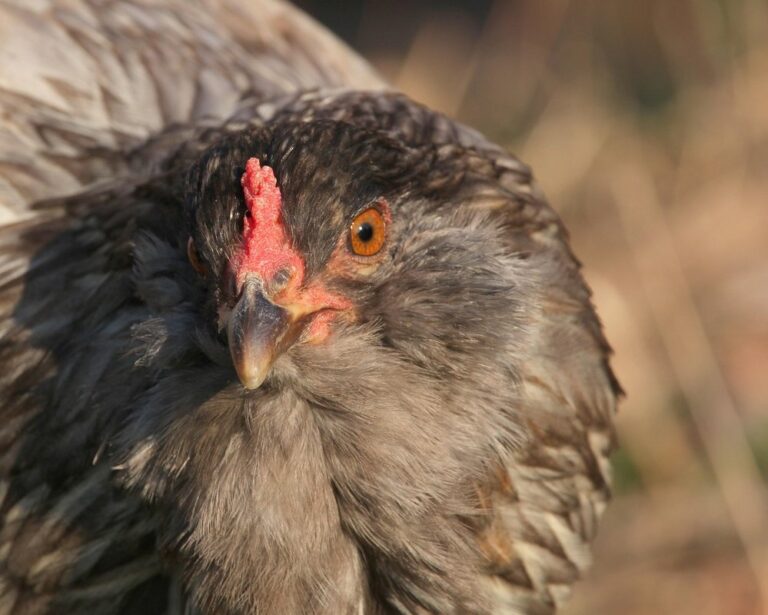
What Are Easter Egger Chickens?
If you’re curious about chickens that lay those gorgeous blue, green, and pink eggs, you’re probably wondering what makes an Easter Egger chicken so special. Let’s dive in to explore their unique characteristics!
Origin and History of Easter Eggers
Easter Eggers have been delighting backyard chicken keepers with their unique and colorful eggs for decades. But where did these fascinating birds come from? The history of Easter Egger chickens dates back to the early 20th century, when American farmers began experimenting with crossing blue-egged breeds with other varieties.
The goal was to create a bird that would produce a consistent supply of blue or green eggs without the need for genetic testing. By combining the best qualities of various breeds, breeders were able to develop a hardy and prolific layer that would thrive in backyard flocks. As Easter Eggers gained popularity, they became a staple among homesteaders and small-scale farmers who valued their unique egg-laying abilities.
Today, Easter Egger chickens are a result of the cross between Ameraucana or Araucana breeds with other chicken varieties such as Leghorns or Orpingtons. This genetic combination not only produces eggs in shades of blue but also inherits desirable traits like docility and cold hardiness from their heritage parents.
Characteristics of Easter Egger Chicks
Easter Egger chicks are truly one of a kind. Not only do they grow into beautiful and productive egg-laying hens, but their physical characteristics and personality traits make them an instant favorite among breeders. When it comes to physical appearance, Easter Egger chicks can vary depending on the mix of breeds used in their genetics. Some may inherit the bright eyes and fluffy feathers of their Ameraucana or Araucana parents, while others may take after their Leghorn or Rhode Island Red grandparents with their sleeker builds.
One of the most endearing qualities of Easter Egger chicks is their friendly and curious nature. From a young age, they are often described as ” Velcro chickens” because of their affectionate personalities and tendency to stick close by their human caregivers. With proper handling and socialization, Easter Eggers can become incredibly tame and enjoy being handled, making them an excellent choice for backyard flocks with children.
Their friendly demeanor also makes them a great addition to farm or homestead settings where they will be integrated into existing flocks. Just remember that as with any breed of chicken, proper handling and socialization from an early age is key to developing their trusting nature.
The Science Behind Easter Egger Eggs
So, you’re curious how those beautiful blue and green eggs come to be? Let’s dive into the fascinating science behind Easter Egger egg production.
How Genetic Diversity Creates Colorful Eggs
When it comes to Easter Eggers, one of the most exciting aspects is the colorful eggs they produce. But have you ever wondered what genetic factors contribute to this phenomenon? The answer lies in a combination of genetics and biochemistry.
Ovotransferrin, a protein found in egg whites, plays a crucial role in determining the color of an eggshell. When ovotransferrin reacts with certain metal ions, it can cause the formation of pigment complexes that give eggs their characteristic colors. For example, copper ions react with ovotransferrin to produce the blue-green pigment responsible for Easter Eggers’ signature colors.
Genetic diversity is key here – each breed and individual has a unique combination of genetic markers that influence ovotransferrin’s activity. This is why some Easter Eggers lay eggs in shades of pink, blue, or green, while others may produce more muted tones. By selecting breeds with diverse genetic backgrounds, you can increase the chances of getting colorful eggs from your flock.
In practical terms, this means that breeders and farmers must carefully select breeding stock to create a pool of genetic diversity, which is essential for producing Easter Eggers with their distinctive egg colors.
Understanding the Role of Genetics in Eggshell Coloration
Eggshell coloration is one of the most fascinating aspects of chicken biology. When it comes to Easter Egger eggs, genetics play a significant role in determining their unique colors and patterns. The interaction between genes is what creates the stunning variety of eggshell hues we see.
To break this down, let’s consider the two main genetic factors responsible for eggshell coloration: Oocyanin and Porphyrins. Oocyanin is responsible for the blue-green pigment in eggs, while Porphyrins produce the reddish-brown colors. When these genes interact, they create a wide range of possible combinations, resulting in various shades and patterns.
For instance, if an Easter Egger chicken has a genotype that combines dominant and recessive alleles of Oocyanin and Porphyrins, it may lay eggs with marbled or speckled patterns. Another example is the interaction between genes that produce white pigment, which can create eggs with striking white streaks on a blue background.
To predict the potential eggshell coloration of your Easter Egger flock, you’ll need to understand the genetics behind these colors and patterns. By considering the breed and genetic makeup of your chickens, you can make informed decisions about the diversity of eggshell colors in your collection.
Breeding Easter Egger Chickens: Tips and Tricks
When it comes to breeding Easter Egger chickens, there are some key considerations you’ll want to keep in mind as a backyard breeder. This includes selecting the right breed combinations for your desired egg traits.
Selecting the Right Parents for Egg Production
When it comes to selecting breeding pairs for egg production, you’ll want to focus on finding individuals with desirable traits that will increase the chances of hatching Easter Egger chicks. The key is to identify birds that are not only prolific layers but also possess characteristics such as egg size, shell color, and flavor.
Start by evaluating each bird’s pedigree, looking for those with a history of producing high-quality eggs. Consider factors like egg weight, shape, and color. You’ll want to identify birds that lay large or extra-large eggs with blue or green yolks. In addition, assess their temperament – Easter Egger chicks can be quite energetic, so it’s essential to choose calm and docile parents.
When selecting breeding pairs, look for individuals with complementary traits. For example, pair a bird with a genetic predisposition for egg size with one that lays eggs with the desired shell color. This will help ensure that your hatched chicks inherit the best of both worlds. With careful consideration and selection, you’ll be well on your way to producing Easter Egger chicks with exceptional egg-laying abilities and characteristics.
Strategies for Encouraging Egg Color Variations
When it comes to breeding Easter Egger chickens, creating a variety of eggshell colors is a top priority for many breeders. To encourage genetic diversity and induce egg color variations, you’ll want to focus on selecting birds with diverse ancestry and implementing strategies that promote cross-breeding.
One effective way to increase the chances of getting colored eggs is to pair Easter Eggers with other breeds known for their unique eggshell colors. For example, pairing an Ameraucana or Araucana (both known for producing blue eggs) with a Marans or Barnevelder (which lay dark brown eggs) can result in chicks that inherit traits from both parents and produce beautifully speckled or marbled eggs.
Additionally, incorporating genetic diversity into your breeding program is essential. This involves introducing new bloodlines to prevent inbreeding and allow for the mixing of genes. You can achieve this by attending poultry shows, networking with other breeders, or importing birds from reputable sources.
By implementing these strategies, you’ll be well on your way to creating a flock that lays an assortment of colorful eggs, adding visual interest to your farm and making your Easter Egger eggs truly unique.
Caring for Easter Egger Chickens: Nutrition and Health
When it comes to keeping your Easter Eggers healthy, a balanced diet is just the beginning. Let’s dive into their nutrition and health needs to ensure they thrive under your care.
Dietary Needs for Maximum Egg Production
To optimize egg production, it’s essential to provide your Easter Eggers with a balanced diet that meets their nutritional needs. As layers, they require a higher protein intake than non-layers, typically around 16-18% of their daily calorie intake. A good quality layer feed should be the foundation of their diet, supplemented with fresh fruits and vegetables to ensure they get all necessary vitamins and minerals.
You can also offer them treats like mealworms or crickets as a source of protein and calcium. Some chicken owners have reported success with feeding their Easter Eggers a varied diet that includes cooked oatmeal, sweet potatoes, and leafy greens like kale or spinach.
It’s worth noting that over-supplementation can be detrimental to your flock’s health, so stick to moderate amounts and choose treats wisely. For example, too much calcium can lead to kidney stones in chickens, while excessive vitamin A can cause issues with egg production.
When selecting a layer feed for your Easter Eggers, look for products specifically formulated for laying hens and contain the necessary nutrients for optimal egg production. Consult with a veterinarian or poultry expert if you’re unsure about creating a balanced diet for your flock.
Common Health Issues in Easter Egger Flocks
Easter Eggers are known for their hardiness and robust health, but like all breeds of chickens, they can be susceptible to certain common health issues. One of the most prevalent problems you may encounter is respiratory infections, which can be caused by viruses or bacteria. Symptoms include labored breathing, coughing, and a decrease in appetite. To prevent these infections, make sure your flock has plenty of fresh air and space to move around.
Another common issue is mites and lice infestations, which can cause discomfort and stress for the birds. Regular cleaning of their coop and run, as well as monitoring for signs of parasites like excessive scratching or droppings, will help prevent these problems.
Fatty liver hemorrhagic syndrome (FLHS) is a condition that affects hens around 4-6 years old, where the liver becomes damaged due to fatty deposits. This can be prevented by maintaining a balanced diet and ensuring your birds have access to fresh water at all times.
Regular check-ups with a veterinarian will also help identify any underlying health issues early on, allowing for prompt treatment and preventing more serious complications from arising. By staying vigilant and taking preventative measures, you can keep your Easter Egger flock healthy and thriving.
The Economics of Raising Easter Egger Chickens
If you’re planning to raise Easter Eggers, it’s essential to understand the costs involved in feeding and caring for your flock. Let’s dive into the economics of raising these wonderful birds.
Initial Investment: Starting a Backyard Flock
When starting an Easter Egger flock, it’s essential to consider the initial investment required. This includes not only the cost of the chickens themselves but also the necessary equipment and ongoing expenses such as feed and veterinary care.
You can expect to pay around $20-$30 per chick for a purebred Easter Egger, which is comparable to other heritage breeds. However, it’s crucial to factor in the cost of vaccinations and initial health checks, which can add an additional $10-$20 per bird. As your flock grows, you’ll need to invest in coop and run equipment, such as nesting boxes, feeders, and fencing, which can range from a few hundred to several thousand dollars.
Ongoing expenses include feed, which costs around $1-$2 per day per chicken, depending on the quality and quantity. You’ll also need to budget for veterinary care, including regular check-ups and potential health issues that may arise. To give you a better idea, here’s a rough breakdown of initial investment:
* Chickens: $20-$30 each
* Vaccinations and health checks: $10-$20 each
* Coop and run equipment: $500-$2,000
* Initial feed and supplies: $100-$300
Potential Revenue Streams from Selling Easter Egger Eggs
Selling Easter Egger eggs can be a profitable venture, especially when done creatively. One of the most straightforward ways to monetize an Easter Egger flock is by selling eggs directly to consumers through farmers’ markets or roadside stands. This method allows you to connect with potential buyers and showcase your unique product. For instance, consider partnering with local restaurants or bakeries that can benefit from using Easter Egger eggs in their recipes.
You can also explore online marketplaces like Craigslist or Facebook Marketplace to reach a wider audience. Another option is to establish relationships with local grocery stores or co-ops that might be interested in carrying your specialty eggs. To further increase revenue, consider offering value-added products such as pre-scrambled eggs, egg washes, or even baked goods made from Easter Egger eggs.
By diversifying your sales channels and getting creative with packaging and marketing, you can turn your Easter Egger flock into a lucrative business venture. For example, label your eggs with the unique characteristics of the breed, such as their pink or blue eggs, to make them stand out in the market.
Easter Eggers in the Broiler Industry: Uses and Challenges
Easter Egger chickens are increasingly being used in the broiler industry, but their unique characteristics also present some challenges for producers. Let’s dive into the specifics of using Easter Eggers on a large scale.
The Growing Demand for Heritage Breed Chickens
In recent years, there has been a significant shift towards heritage breeds in the poultry industry. Consumers are increasingly seeking out unique and sustainable options for their farms and families. This trend is driven by factors such as rising concerns over food safety, environmental sustainability, and animal welfare.
Easter Eggers, with their blue or green eggs, have become a staple in many backyard flocks and small-scale farms. They offer an attractive alternative to traditional broiler breeds, which are often bred for high-yielding efficiency but lack the distinct characteristics that make heritage breeds so appealing.
One of the key roles Easter Eggers can play is as part of a mixed-breed flock. By incorporating Easter Eggers into their flock, farmers and backyard chicken keepers can diversify their egg-laying capabilities while also adding unique genetic traits to their birds. This approach not only enhances biodiversity but also allows for more sustainable farming practices.
As consumers become more informed about the differences between heritage breeds and commercial broilers, the demand for Easter Eggers and other heritage breeds is likely to continue growing. By embracing this trend, farmers can capitalize on the growing interest in unique and sustainable egg-laying options.
Challenges Facing Commercial Egg Producers Who Want to Raise Easter Egger Chickens
Commercial egg producers considering the addition of Easter Eggers to their operations may face several challenges. One major concern is ensuring consistent egg production, as Easter Eggers are known for laying a mix of blue and brown eggs. This can make it difficult to meet the exacting standards of large-scale commercial egg production, where consistency is key.
Another challenge is managing expectations around egg color and size. While some producers might view the unique characteristics of Easter Egger eggs as an asset, others may worry about potential consumer confusion or disappointment if their eggs don’t meet certain visual expectations. Producers will need to carefully weigh these factors when deciding whether to incorporate Easter Eggers into their operations.
From a practical perspective, integrating Easter Eggers also requires consideration of feeding and nutrition strategies, as well as disease management protocols tailored to this specific breed.
Conclusion: Why Keep Easter Egger Chickens?
If you’re considering keeping Easter Egger chickens for their unique eggs, here are some compelling reasons to make them a part of your flock.
Summary of Benefits and Drawbacks
Raising Easter Egger chickens can be a rewarding experience for both breeders and backyard flock owners. These birds offer a multitude of benefits that make them an attractive choice for many chicken enthusiasts.
On the plus side, Easter Eggers are known for their unique egg-laying abilities, producing eggs in a variety of colors including blue, green, pink, and yellow. They are also relatively easy to care for, making them a great option for beginners. Additionally, their friendly and docile nature makes them an excellent choice for families with children.
However, there are some drawbacks to consider as well. For instance, Easter Eggers can be prone to certain health issues such as hypothyroidism and egg-bound problems if not properly cared for. They also require regular exercise and mental stimulation to prevent boredom and stress.
Ultimately, the decision to raise Easter Egger chickens should be carefully considered based on individual circumstances and needs. With proper care and attention, these birds can provide endless entertainment and a steady supply of delicious eggs.
Final Thoughts on the Appeal of These Unique Birds
Easter Eggers have captured the hearts of chicken enthusiasts with their unique egg-laying abilities and fascinating characteristics. Despite being a relatively new breed to the market, they’ve quickly gained popularity among backyard farmers and poultry enthusiasts alike.
One reason for their enduring appeal lies in their genetic diversity. As crossbreeds between Ameraucana or Araucana and other chicken breeds, Easter Eggers inherit traits from both parents, making them an exciting addition to any flock. Their egg-laying abilities are a major draw, with many Easter Eggers producing eggs with blue or green shells, adding a pop of color to the typical brown or white eggs found in most backyards.
For those considering bringing home an Easter Egger, be prepared for their energetic and curious nature. They require regular exercise and mental stimulation to prevent boredom, making them ideal for families or experienced chicken keepers who can provide the necessary attention. With proper care and management, Easter Eggers can thrive as a beloved addition to any backyard flock, providing endless entertainment and of course, delicious eggs.
Frequently Asked Questions
Can I raise Easter Egger chickens if I have limited space?
Yes, Easter Eggers are a great choice for backyard flocks due to their relatively small size and gentle nature. However, keep in mind that they still require at least 2-4 square feet of space per bird inside the coop, and about 8-10 square feet of outdoor run space per bird.
What’s the best way to ensure consistent egg color variation?
To encourage consistent egg color variation, it’s essential to breed Easter Eggers from a diverse range of genetic lines. This can be achieved by selecting parents with different eggshell colors and patterns. Additionally, maintaining a healthy and balanced flock is crucial for optimal egg production.
How do I handle potential health issues in my Easter Egger flock?
Common health issues in Easter Egger flocks include respiratory problems, parasites, and nutritional deficiencies. To minimize the risk of these issues, maintain good hygiene practices, provide a balanced diet rich in calcium, and ensure access to clean water at all times.
Can I sell Easter Egger eggs directly to customers without a farm or storefront?
Yes, you can sell Easter Egger eggs directly to customers through various channels such as farmer’s markets, online marketplaces, or even door-to-door sales. Building relationships with local customers and promoting your products effectively can help establish a loyal customer base.
How long does it take for Easter Egger chickens to start laying eggs?
Easter Eggers typically begin laying eggs around 18-24 weeks of age, although some may start earlier or later depending on factors such as breed, nutrition, and overall health. Keep in mind that egg production will continue to increase over the first year after hatching, with peak production usually occurring between 1-2 years of age.