
If you’re anything like me, you’ve probably wondered about those mysterious Easter Egger chicken eggs that show up in your neighbor’s backyard or at the local farmer’s market. What makes them so special? Where do they come from? And how can you get your hands on some of these unique eggs yourself?
In this article, we’ll take a closer look at the fascinating world of Easter Eggers and their incredible ability to lay blue and green eggs. We’ll explore their origins, characteristics, and egg-laying abilities, as well as provide tips and advice for breeding and caring for these special birds. Whether you’re an experienced chicken keeper or just starting out, you’ll learn everything you need to know about Easter Egger chickens and their remarkable eggs. So let’s dive in and crack open the secrets of these amazing birds!
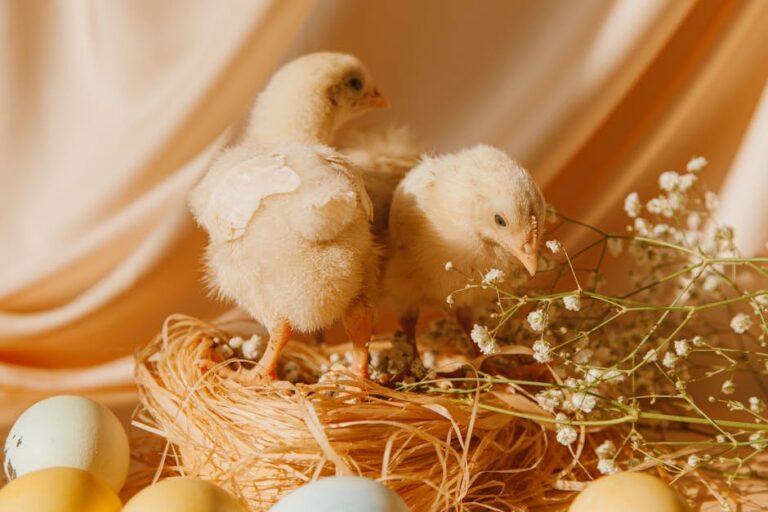
What Are Easter Egger Chickens?
Easter Egger chickens are a unique breed known for their ability to lay blue, green, pink, and other colored eggs due to an interesting genetic quirk. Let’s dive into what makes these birds so special.
Origin and History of Easter Eggers
Easter Eggers have a unique and fascinating history that’s closely tied to their distinct egg-laying abilities. These chickens originated from crosses between Ameraucana and Araucana breeds with other popular chicken varieties, such as Leghorns or Rhode Island Reds. The goal was to create birds that would lay blue eggs without introducing the genetic trait for flightlessness found in some of these South American heritage breeds.
The history of Easter Eggers dates back to the 1970s when chicken enthusiasts began experimenting with breeding programs focused on producing chickens that could lay blue eggs. These early experiments were largely driven by backyard chicken keepers who wanted to add a unique twist to their flocks. Today, Easter Eggers have become incredibly popular among hobby farmers and urban backyard chicken keepers due in large part to their ability to produce colorful, blue or green-tinted eggs.
The crossbreeding process has resulted in a diverse range of genetic combinations that can produce varying shades of egg color from pale blue to deep turquoise.
Characteristics of Easter Egger Chickens
Easter Egger chickens are known for their unique characteristics that set them apart from other breeds. Physically, they can resemble various combinations of Ameraucana and Araucana heritage breeds, which is where the name “Easter Egger” originates – their eggs often display a surprising Easter egg-like appearance in shades of blue or green due to genetic traits inherited from these breeds.
Temperament-wise, Easter Eggers are friendly, outgoing birds that tend to be relatively low-maintenance compared to other chicken breeds. They’re generally easy-going and social, getting along well with humans and other chickens if introduced properly. However, they do require regular interaction and can become bored if left without enough stimulation or activities.
In terms of egg-laying abilities, Easter Eggers are prolific layers that typically produce an average of 280-300 eggs per year – although individual output can vary significantly depending on factors such as nutrition, health, and overall living conditions. What’s particularly interesting is their ability to lay a wide range of colors, from the classic brown or white to blue, green, pink, olive, and even lavender in some cases, thanks to the genetic traits inherited from their Ameraucana and Araucana heritage.
Types of Easter Egger Chickens
Easter Egger chickens are a fascinating breed, and their eggs come in a variety of colors due to genetic characteristics inherited from Ameraucana or Araucana parents. Let’s explore the different types of Easter Eggers that can brighten up your backyard!
Ameraucana vs. Araucana: What’s the Difference?
When it comes to Easter Egger chickens, two breeds often come up in conversation: Ameraucana and Araucana. But what’s the difference between these two birds? Are they one and the same? The answer lies in their origins and characteristics.
Ameraucana and Araucana are both breeds known for laying blue eggs, which is a key trait of Easter Eggers. However, while they share this commonality, they have distinct differences. Ameraucana chickens originated from North America and were developed to be cold-hardy and friendly birds. They’re known for their gentle nature and are often described as “gentle giants.” On the other hand, Araucanas hail from South America and are recognized by their crest of feathers on top of their heads.
In terms of egg-laying, both breeds are prolific producers of blue eggs. But if you’re looking for a bird that’s low-maintenance and easy-going, Ameraucana might be the better choice.
Other Breeds That Lay Blue or Green Eggs
If you’re fascinated by the unique trait of Easter Egger chickens laying blue or green eggs, you might be wondering if there are other breeds that share this characteristic. While Easter Egggers owe their colorful eggs to a genetic variation that can occur within the Araucana and Ameraucana breeds, other chicken breeds also produce blue or green eggs.
One such breed is the Marans, known for its dark chocolate-brown eggs. However, some Marans lines have been reported to lay blue-green eggs due to a genetic trait called “blue-egg inheritance.” Another breed that lays blue eggs is the Welsummer, an old Dutch breed known for its distinctive appearance and robust nature.
The Cream Legbar, while primarily white egg-layers, can also produce blue or green eggs in some cases. This unique trait is thought to be due to a genetic combination similar to that of Easter Eggers. Keep in mind that these breeds may not always lay blue or green eggs consistently, but they do share the potential for this characteristic.
If you’re considering adding one of these breeds to your flock, it’s essential to research their egg-laying habits and ensure you can provide them with suitable living conditions and care.
Egg Characteristics of Easter Egger Chickens
So you’re curious to know what makes Easter Egger eggs so special, and let’s start by exploring the unique characteristics that set them apart from other chicken breeds. Their eggs come in a variety of colors and sizes.
Shell Color: What Determines the Color?
The color of an Easter Egger’s eggshell is determined by a combination of genetics and environmental factors. But did you know that it’s primarily the latter? The pigment responsible for the shell color is produced in the hen’s body and then deposited onto the shell as it forms.
In chickens, specifically, the production of two types of melanin – eumelanin and pheomelanin – influences the final eggshell color. Eumelanin produces black or dark brown pigments, while pheomelanin produces red or yellow colors. The ratio and combination of these melanins determine the overall shell color.
For Easter Eggers, the genetics play a significant role in determining the color. As hybrid birds, they inherit traits from their Ameraucana and Araucana parents, which are responsible for producing blue eggs. However, it’s not just about the genetics; environmental factors like diet, age, and health also impact eggshell color.
Understanding how shell color is determined can help you better appreciate the unique characteristics of your Easter Egger hens‘ eggs.
Egg Size and Shape: What to Expect
When it comes to the size and shape of Easter Egger eggs, you can expect some variation depending on the individual bird. On average, an Easter Egger egg will typically fall somewhere between large and extra-large in terms of size, with most ranging from 1-2 ounces more than a standard large chicken egg.
In terms of shape, Easter Egger eggs tend to be a bit more oval or teardrop-shaped compared to the rounder eggs you’d find from a traditional laying breed. This is because many Easter Eggers are crossed with Araucana or Ameraucana breeds, which are known for their unique egg-laying abilities and often produce blue-green or pink-tinged eggs.
It’s worth noting that some Easter Eggers may lay larger or smaller eggs than average, depending on their individual genetic makeup. If you’re hoping to hatch out chicks from your Easter Egger flock, keep in mind that egg size and shape can be a good indicator of the overall health and fertility of the breeding stock.
Keeping Easter Eggers as Pet Chickens
If you’re considering bringing these unique birds home, learning how to properly care for Easter Egger chickens is essential to keeping them happy and healthy. We’ll cover the basics of raising and caring for your new feathered friends in this section.
Pros and Cons of Raising Easter Eggers
Raising Easter Eggers as pets can be a delightful experience for backyard chicken enthusiasts. One of the most significant advantages of keeping these birds is their friendly nature. They are known to be docile and social, making them an excellent choice for families with children or for those who want low-maintenance companions.
Easter Eggers are also prolific egg-layers, producing a range of colors from blue to green, depending on the breed’s genetic makeup. This means you’ll get a diverse selection of eggs in your daily collection, adding a fun element to your backyard chicken-keeping experience. However, it’s essential to note that their egg-laying abilities can vary significantly from one bird to another.
On the other hand, Easter Eggers may not be the best choice for beginners or those who are looking for a high-yielding breed. They can be prone to health issues such as mites and respiratory problems if not properly cared for. Additionally, their eggs may not be suitable for commercial production due to their variable size and color.
Overall, raising Easter Eggers requires patience, understanding, and proper care. If you’re willing to provide the necessary attention, these birds can bring immense joy and satisfaction to your backyard chicken-keeping experience.
Tips for Caring for Easter Eggers in Your Backyard Flock
Caring for Easter Eggers is a rewarding experience that requires attention to their unique needs. First and foremost, ensure they have access to fresh water at all times, as this will help prevent dehydration and maintain egg production. A high-quality layer feed is also essential, providing the necessary protein and calcium for healthy eggs and strong bones.
When it comes to housing, Easter Eggers require a safe and secure coop with adequate ventilation to protect them from extreme temperatures and potential predators. The coop should be well-maintained, cleaned regularly, and provide ample space for your birds to roam comfortably.
In terms of health considerations, monitor your flock for signs of illness or stress, such as changes in behavior, appetite, or egg production. Regular health checks will help you catch any issues early on and prevent the spread of disease. Additionally, consider implementing a vaccination program to protect against common chicken diseases.
Easter Eggers are also prolific layers, producing an average of 280-300 eggs per year. To encourage healthy laying habits, provide your flock with plenty of space to forage and engage in natural behaviors like scratching and dust bathing.
Breeding and Raising Easter Egger Chicks
If you’re interested in raising Easter Eggers, understanding their breeding and rearing process is crucial to producing healthy, fertile eggs. This guide will walk you through the basics of breeding and raising these wonderful birds from chickhood.
Choosing the Right Parent Stock
When it comes to breeding Easter Eggers, selecting healthy parent stock is of utmost importance. This decision will not only impact the quality and quantity of eggs produced by your flock but also ensure the overall well-being of your birds.
To choose the right parent stock, look for birds that are at least 6-12 months old and have a proven track record of laying large to extra-large brown eggs. Consider purchasing from reputable breeders who can provide documentation on the parents’ egg-laying history. This will give you an idea of what to expect from your own flock.
It’s also essential to inspect the parent birds for any signs of illness or stress, such as labored breathing, dull feathers, or lethargy. Avoid birds with a history of health issues or those that are showing obvious physical defects. By selecting healthy parent stock, you’ll be setting yourself up for success and ensuring your Easter Egger flock thrives.
Aim to select at least two breeding pairs, one male and one female, to start your flock off right. This will give you a balanced gene pool and increase the chances of producing healthy, egg-laying offspring.
Rearing Chicks: Tips and Tricks for Success
Rearing Easter Egger chicks requires careful attention to their nutritional needs, health checks, and management strategies. As a breeder, you want to ensure that your chicks develop into healthy, thriving hens that will produce an abundance of delicious eggs.
First and foremost, nutrition is key. Provide a starter feed specifically formulated for young chickens, and ensure access to fresh water at all times. A balanced diet should include a mix of protein, calcium, and other essential nutrients. For example, you can offer crushed oyster shells or dark leafy greens like kale or spinach as a source of calcium.
Conduct regular health checks to detect any signs of illness or disease. Look for symptoms such as lethargy, loss of appetite, or changes in droppings. Keep the brooder clean and well-ventilated to prevent the buildup of bacteria and germs.
Management strategies are also crucial. Provide enough space for your chicks to move around comfortably, and ensure that they have access to adequate light and ventilation. Consider using a heat lamp or infrared heat source to maintain a safe temperature range of 90-100°F (32-38°C) during the first few weeks of life.
Common Health Issues in Easter Egger Chickens
Easter Eggers can be prone to certain health issues, and it’s essential to understand these potential problems so you can provide the best care for your flock. We’ll explore some common health issues that may affect Easter Egger chickens in this section.
Parasites and Pests: How to Prevent Infestations
As an Easter Egger chicken owner, it’s essential to be aware of common parasites and pests that can affect your flock. External parasites like mites, lice, and fleas can cause discomfort and stress for your chickens, while internal parasites like worms can lead to health issues and decreased egg production.
To prevent infestations, maintain a clean coop by regularly removing soiled bedding, disinfecting surfaces, and ensuring proper ventilation. Keep your chickens’ living area dry and well-ventilated to discourage parasite growth. You can also use diatomaceous earth, a natural powder that dehydrates parasites, in their coop and on their feathers.
For treatment, identify the type of infestation by observing symptoms like excessive scratching, feather loss, or egg laying decline. Consult with a veterinarian for advice on medicated treatments, such as powders or liquids containing Ivermectin or permethrin. Monitor your flock closely during treatment to ensure the effectiveness of the medication and prevent re-infestation.
Regular health checks, parasite control measures, and proper nutrition can help keep your Easter Egger chickens healthy and thriving, ensuring a strong and consistent egg-laying performance.
Respiratory Issues: Causes and Solutions
Respiratory issues are a common health problem affecting Easter Egger chickens. These problems often stem from poor air quality within the coop, high temperatures, and excessive dust. If you notice labored breathing, wheezing, or coughing in your flock, it’s essential to address these conditions promptly.
Poor ventilation is one of the primary causes of respiratory issues. When humidity levels rise, mold thrives, producing spores that can irritate your chickens’ lungs. Ensure adequate airflow by installing windows, vents, and fans in your coop. You should also maintain a clean environment by regularly removing droppings and litter.
To treat respiratory issues, provide a warm, humid environment to help loosen mucus. Administering antibiotics or antiviral medication may be necessary under the guidance of a veterinarian. In some cases, treating underlying causes such as fungal infections can resolve respiratory problems entirely.
In addition to addressing immediate health concerns, consider implementing long-term preventive measures. Incorporate dust-reducing materials like pine shavings into your coop litter and ensure adequate hydration for your flock. By prioritizing air quality and taking proactive steps, you can reduce the likelihood of respiratory issues in your Easter Egger chickens.
Frequently Asked Questions
Can I raise Easter Egger chickens if I have a small backyard or limited space?
Yes, Easter Eggers are relatively low-maintenance birds and can thrive in smaller spaces as long as you provide adequate shelter, nutrition, and care. Consider building a portable coop or using existing structures to create a suitable environment for your flock.
How do I ensure the blue eggs from my Easter Egger chickens will be consistent in color?
To achieve consistent blue egg production, focus on breeding purebred Ameraucana or Araucana chickens with other Easter Eggers. This increases the likelihood of passing down the genetics responsible for the blue egg trait. Additionally, maintaining a healthy and stress-free flock environment can also promote consistent egg-laying.
Can I crossbreed my existing chicken breeds with Easter Eggers to create birds that lay blue eggs?
Yes, you can crossbreed your existing chickens with Easter Eggers to introduce the genetic trait for blue egg-laying. However, be aware that this may lead to unpredictable results in terms of egg color and quality. It’s essential to research and understand the genetics involved before attempting to breed blue-egg laying birds.
What are some common health issues I should watch out for in Easter Egger chickens?
Easter Eggers can be prone to respiratory issues, parasites, and pest infestations due to their genetic makeup. Keep a close eye on your flock’s health by providing regular vaccinations, maintaining clean living conditions, and monitoring for signs of illness or stress.
How long does it take for Easter Egger chicks to mature and start laying blue eggs?
Easter Egger chicks typically take around 18-24 weeks to mature and begin laying eggs. However, egg-laying frequency and quality can vary depending on factors such as diet, living conditions, and genetics. Be patient and provide optimal care for your flock to ensure they reach their full potential.