
If you’re anything like me, there’s something undeniably special about Easter Egger chicks. Those big, bright eyes and fluffy feathers are just irresistible! But beyond their adorable charm, these birds have a secret that makes them particularly appealing to backyard chicken enthusiasts: they’re prolific egg-layers, with the potential to produce an astonishing array of colors – pink, blue, green, and more!
As it turns out, Easter Eggers aren’t actually a specific breed in their own right. Instead, they’re a type of hybrid chicken, resulting from cross-breeding between Ameraucana or Araucana chickens (which lay blue eggs) with other breeds. This unique genetic mix makes them an exciting option for anyone looking to add some excitement to their flock and enjoy an impressive range of egg colors. In this article, we’ll delve into the world of Easter Egger chicks, exploring their characteristics, care requirements, breeding tips, and more!
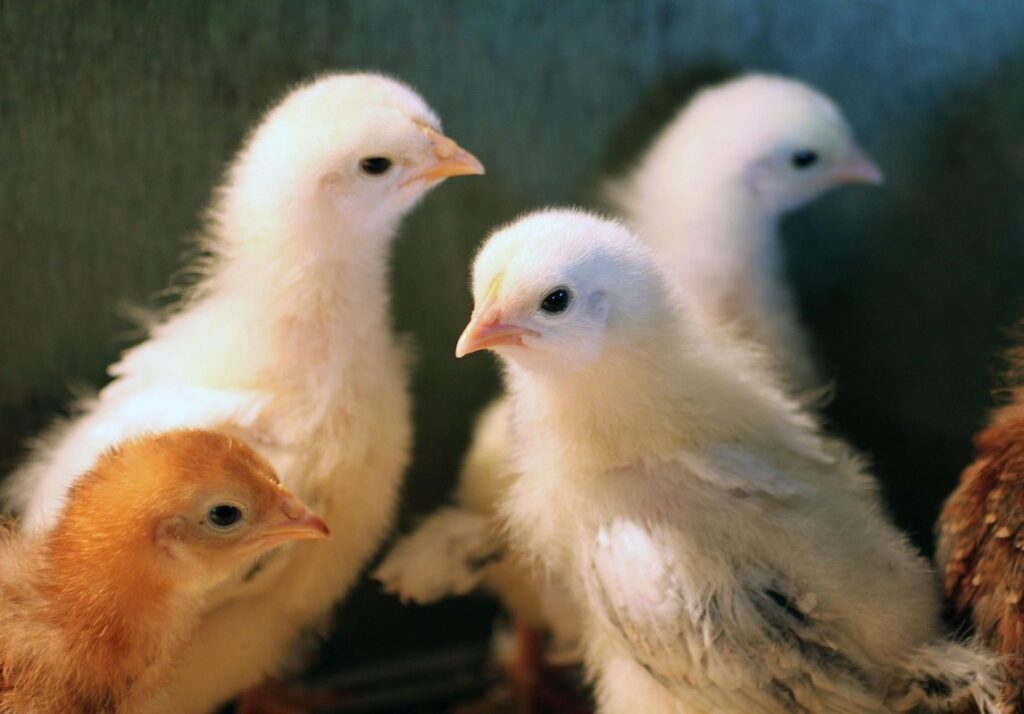
What are Easter Egger Chicks?
So, you’re curious about those adorable Easter Egger chicks that lay blue and green eggs? Let’s dive into what makes them so unique and special.
The Origin of Easter Eggers
So you’re curious about where Easter Egger chicks come from? Well, let me tell you, it’s a fascinating story. These adorable birds are the result of a clever breeding program that aimed to combine the best traits of two different chicken breeds. Specifically, Easter Eggers are a cross between an Ameraucana or Araucana chicken (which is known for its unique ability to lay blue eggs) and another breed, often a standard egg-laying breed like Leghorn or Rhode Island Red.
The idea behind this hybridization was simple: create birds that would not only produce plenty of eggs but also give them an extra-special trait – the ability to lay blue or green eggs. And it worked! By combining the genetics of these two breeds, Easter Egger chicks inherited the blue-egg-laying gene from their Ameraucana or Araucana parent and paired it with the excellent egg-laying abilities of their other parent. This genetic combination resulted in birds that not only lay plenty of eggs but also give them a beautiful color to boot!
Characteristics of Easter Eggers
Easter Eggers are truly one-of-a-kind birds, and it’s all because of their unique genetic makeup. As a cross between an Ameraucana or Araucana breed and another breed, they inherit traits from both parents, making each individual Easter Egger distinct.
One of the most recognizable characteristics of Easter Eggers is their potential for ear tufts and beard growth. If your Easter Egger inherits this trait from its Ameraucana or Araucana parent, you might notice a fluffy “pom-pom” on the end of its ears or a chin strap with feathers growing down towards the chest. These features add to the bird’s charm and are often a delight for owners.
Keep in mind that not all Easter Eggers will exhibit these traits, as it depends on which parent breed passes them down. However, even if your Easter Egger doesn’t grow ear tufts or have a beard, they’ll still be a special addition to your flock due to their unique genetic mix. When selecting an Easter Egger, look for signs of Ameraucana or Araucana heritage in the parents or grandparents to get an idea of what traits might be passed down.
Choosing the Right Easter Egger Breed
When selecting the perfect Easter Egger breed, you’ll want to consider factors such as egg-laying ability, temperament, and desired size. Let’s break down the top breeds to help you make an informed decision.
Considerations for Selecting an Easter Egger
When selecting an Easter Egger breed, it’s essential to consider factors that will affect not only their well-being but also yours. Let’s start with egg production – a top priority for many backyard chicken enthusiasts. Some breeds are prolific layers, producing upwards of 300 eggs per year, while others may be more modest in their output. Consider your personal needs: do you want a steady supply of fresh eggs or are you looking to supplement an existing flock?
Temperament is also crucial when choosing the right Easter Egger breed for you. Some breeds can be quite feisty and require extra attention and socialization, while others are docile and laid-back. Think about your lifestyle: do you have young children who will be interacting with the chickens? Or do you live in a small backyard where space is limited?
Lastly, consider the space requirements of each breed. Some Easter Eggers need plenty of room to roam, while others are happy in smaller spaces. Make sure to check the mature size and growth rate of your chosen breed to ensure it will fit comfortably in your yard or coop.
Popular Breeds Used in Easter Egger Crosses
When it comes to creating Easter Egger chicks, breeders often look to pair two distinct breeds together to create something new and exciting. Some popular breeds used in Easter Egger crosses include the Leghorn, Rhode Island Red, and Barred Plymouth Rock.
The Leghorn brings a touch of Italian flair with its sleek appearance and high egg-laying abilities. Its contribution to the Easter Egger mix can result in offspring that are not only prolific layers but also carry some of the desirable traits of the Leghorn’s ancestors. For example, a Leghorn-Rhode Island Red cross might produce chicks that inherit the Leghorn’s robust egg-laying abilities and combine them with the Rhode Island Red’s friendly and docile nature.
The Rhode Island Red is another popular breed used in Easter Egger crosses, prized for its rich brown eggs and hardiness. Its contribution to the mix can add depth and richness to the offspring, making them an excellent choice for backyard chicken keepers. A Leghorn-Barred Plymouth Rock cross might produce chicks that inherit the Rhode Island Red’s striking appearance and combine it with the Barred Plymouth Rock’s intelligence and adaptability.
Ultimately, the key to success lies in selecting breeds that complement each other well, resulting in offspring that exhibit desirable traits from both parents.
Caring for Your Easter Egger Chicks
Now that you’ve brought home your adorable Easter Egger chicks, it’s time to learn how to care for them and keep them happy and healthy. This section covers essential tips on feeding, housing, and monitoring their health.
Health Considerations for Easter Eggers
As you bring home your Easter Egger chicks, it’s essential to be aware of their potential health concerns. Due to their hybrid nature, they can inherit certain genetic predispositions that may affect their overall well-being.
One common issue affecting Easter Eggers is hypothyroidism, a condition where the thyroid gland doesn’t produce enough hormones. This can lead to weight gain, lethargy, and other symptoms. If you suspect your bird has hypothyroidism, consult with a veterinarian experienced in poultry care. They will recommend blood tests and a proper treatment plan.
Another concern is genetic disorders, which can arise from the cross-breeding process. Some breeds are more prone to specific issues, such as Marans or Araucana-related defects. Regular health checks and monitoring for any changes in behavior, appetite, or physical condition can help detect potential problems early on.
To ensure your Easter Eggers receive proper care, provide a balanced diet rich in nutrients, fresh water, and regular veterinary check-ups. A nutritious diet can help mitigate some genetic issues, while frequent health exams will allow you to catch any problems before they become severe.
In addition to these precautions, it’s also essential to learn about the specific breed characteristics of your Easter Eggers’ parents, as this information can be valuable in predicting potential health concerns.
Nutrition and Dietary Needs
When it comes to feeding your Easter Egger chicks, providing a balanced diet that meets their nutritional needs is crucial for their growth and development. Start by offering high-quality starter feed specifically formulated for young chickens. Look for feeds that are rich in protein (18-20%) and contain essential vitamins and minerals like calcium and phosphorus.
In addition to a good quality feed, ensure access to fresh water at all times. Change the water frequently to keep it clean and free of bacteria. You can also supplement their diet with fresh fruits and vegetables daily, such as leafy greens, carrots, and apples. However, introduce new foods gradually to prevent digestive issues.
As your chicks grow into pullets (around 16-20 weeks), you can switch them to a layer feed that’s higher in calcium to support egg production. Don’t forget to provide grit or crushed oyster shells as an essential supplement to help them digest their food. By following this feeding plan, you’ll set your Easter Eggers up for a happy and healthy life.
Raising Your Easter Egger Chicks from Hatch to Flock Status
Congratulations on bringing home your adorable Easter Egger chicks! This section will guide you through the basics of raising them into a happy, healthy flock.
The First Few Weeks
The first few weeks after hatching are crucial for establishing strong bonds between your Easter Egger chicks and their flock. This is a critical period where they learn essential social skills and develop trust in their surroundings. To create a safe and nurturing environment, provide a warm and draft-free brooder with adequate ventilation. The ideal temperature range for the first few weeks should be around 90-95°F (32-35°C), gradually decreasing to 70-75°F (21-24°C) as they grow.
Make sure the brooder is well-lit, but not too bright, to prevent eye strain and promote healthy growth. Offer a shallow dish of fresh water and a starter feed specifically formulated for young chickens. It’s essential to keep the feeding area clean and easily accessible to encourage proper eating habits. Monitor their health closely during this period, watching for signs of illness or stress.
By providing a safe and nurturing environment, you’ll be giving your Easter Egger chicks the best possible start in life.
Integration into the Main Flock
Introducing new Easter Eggers to an existing flock can be a delicate process. It’s essential to do it gradually to prevent stress and aggression that may arise from sudden integration. Start by keeping the new additions isolated for a few days to allow them to settle into their new environment.
Once they appear calm, introduce them to the existing flock in stages. Begin with visual introductions, allowing the birds to see each other through a fence or divider without direct contact. Observe their behavior and body language, watching for signs of stress or aggression. If all seems well, it’s time for controlled interactions under close supervision.
Keep a close eye on individual personalities and adjust your approach as needed. For example, if you notice a dominant bird in the existing flock, introduce the new additions separately to avoid confrontation. Monitor feeding times, nesting areas, and other resources to ensure everyone has access without tension rising between them.
Tips for Egg Collectors and Enthusiasts
If you’re an egg collector or enthusiast, here are some valuable tips to help you identify and care for Easter Egger chicks in your flock. From feeding to breeding, we’ve got you covered!
Maximizing Egg Production
When it comes to maximizing egg production from your Easter Egger flock, understanding the role of diet is crucial. A balanced and nutrient-rich diet will help support your girls’ overall health and fertility. Include a mix of high-quality layer feed, fruits, vegetables, and probiotics in their daily intake. For example, adding mealworms or crickets as a protein supplement can provide essential nutrients.
Regular health checks are also vital to ensure optimal egg production. Keep an eye out for signs of illness or stress, such as decreased egg laying, changes in behavior, or physical symptoms like ruffled feathers or loss of appetite. Consult with a veterinarian if you suspect any issues.
Breed selection is another important factor influencing egg production. While Easter Eggers are known for their prolific egg laying, some breeds may be more productive than others. Research different breeds and select those that best suit your needs and living situation.
Remember to also consider factors like light exposure, space, and temperature when optimizing your flock’s egg production. Providing a suitable environment will help support the overall health and well-being of your Easter Eggers, leading to optimal performance.
Handling and Storage of Easter Egger Eggs
When collecting Easter Egger eggs from your backyard flock, it’s essential to handle them gently and store them properly. This ensures the quality of the eggs remains high and their shelf life is extended.
Begin by carefully picking up the eggs from the nesting box or coop floor, making sure not to crack any shells. If an egg does break, do not worry – it can still be used for baking or cooking purposes, but set aside those that are broken as they won’t last long on the shelf.
For storing, a clean and dry environment is crucial. Store eggs in a single layer, pointed end down, to prevent moisture from entering through the air cell at the large end. Keep them away from direct sunlight and heat sources like radiators or ovens.
A cool, dry place with consistent temperatures between 60°F and 70°F (15°C and 21°C) is ideal for storing eggs. You can also store them in a refrigerator at the same temperature range. Be sure to collect eggs frequently to prevent overcrowding, which can lead to breakage or contamination. Regularly check on your stored eggs for any signs of spoilage or damage.
Common Questions and Concerns about Easter Eggers
As you start your Easter Egger journey, you might have some questions about these unique birds. Let’s address some of the most common concerns and queries that prospective owners often have.
Addressing Misconceptions and Myths
When it comes to Easter Eggers, there’s often confusion surrounding their unique characteristic: laying blue eggs. One common myth is that these eggs are somehow “different” or even poisonous because of their blue color. The truth is, the color of an eggshell has absolutely no correlation with its edibility or nutritional value.
The blue pigment responsible for the Easter Egger’s eggs comes from a genetic trait that affects the way the shell is formed, not from any inherent property of the bird itself. This means you can safely consume eggs laid by Easter Eggers just as you would those from any other chicken breed. In fact, their eggs are often considered to be among the healthiest and most nutritious due to the higher levels of antioxidants and vitamins found in them.
It’s also worth noting that some people mistakenly believe that blue eggs are less fertile or have a lower hatch rate than regular brown or white eggs. However, numerous studies have shown that this is simply not true – the fertility of an egg has nothing to do with its shell color. By separating fact from fiction and understanding what truly makes Easter Eggers special, you’ll be better equipped to care for these unique birds and enjoy their delicious blue eggs in peace.
Troubleshooting Problems with Your Flock
Raising Easter Egger chicks can be a delightful experience, but like with any flock, problems may arise. If you’re experiencing issues with egg laying, feather pecking, or other concerns, don’t worry – we’ve got some troubleshooting tips to help you get back on track.
Firstly, let’s talk about egg laying issues. If your Easter Egger hens are not producing eggs at the expected rate, check their diet and living conditions. Ensure they have access to a balanced layer feed and plenty of fresh water. Also, consider the breed characteristics – some Easter Eggers may lay more frequently than others.
Feather pecking is another common issue that can lead to stress and injury among flock members. To prevent feather pecking, provide adequate space for your chickens to move around, and make sure they have enough calcium-rich food. You can also try separating aggressive birds from the rest of the flock or providing enrichment activities like scratching posts.
Other concerns you may face include respiratory problems, molting issues, or even predator attacks. To mitigate these risks, ensure good ventilation in your coop, provide a balanced diet during molting season, and consider using secure fencing around your property. By being proactive and attentive to your flock’s needs, you can prevent many potential problems from arising.
Conclusion and Final Tips
As you’ve reached the end of this guide on Easter Egger chicks, I hope you’re now well-equipped to embark on your chicken-keeping journey. Now that you know what to expect from these unique birds, it’s time to put your newfound knowledge into action. Make sure to do plenty of research and prepare a safe and healthy environment for your new feathered friends. Consider investing in a high-quality coop and run to provide them with the space they need to thrive.
Before bringing home your chicks, double-check that you have all necessary supplies, such as food, waterers, and a heat source. Don’t forget to schedule regular veterinary check-ups to keep your flock healthy and happy. With proper care and attention, your Easter Egger chicks will grow into stunning adult chickens that will reward you with an abundance of delicious eggs.
Frequently Asked Questions
Can I raise Easter Egger chicks as pets, or are they best suited for egg production?
Yes! Easter Eggers can make wonderful pets due to their friendly and docile nature. However, it’s essential to note that breeding them for show purposes might be more challenging due to their hybrid nature. If you’re looking to keep them as pets, consider their space requirements, social needs, and potential health issues before making a decision.
How do I ensure the continued production of colorful eggs in my Easter Egger flock?
To maximize egg production and color variety, provide your Easter Eggers with a balanced diet rich in calcium and protein. Ensure they have access to fresh water, adequate space, and suitable shelter. Regularly collect eggs from the nesting box to encourage laying behavior and prevent breakage. Also, consider introducing a companion chicken or two to reduce stress and promote social interaction.
Are there any specific health considerations I should be aware of when raising Easter Egger chicks?
Yes! Due to their mixed heritage, Easter Eggers may inherit certain health issues from their parent breeds. Be on the lookout for potential health problems like feather pecking, egg binding, or respiratory issues. Regular vaccinations, parasite control measures, and monitoring their overall well-being will help prevent or detect these issues early.
Can I mix Easter Egger chicks with other chicken breeds in my flock?
Yes! Easter Eggers can thrive in mixed flocks, especially if introduced gradually to the existing group. Ensure a harmonious integration by providing enough space, resources, and shelter for all birds. Keep an eye on any potential conflicts or stressors that might arise from mixing different breeds.
What are some common misconceptions about Easter Egger chickens that I should be aware of?
Some common myths surrounding Easter Eggers include their alleged lack of egg-laying ability, high maintenance requirements, or unsuitability for backyard flocks. These claims are largely unfounded and can be addressed by providing proper care, nutrition, and attention to their specific needs. With the right approach, Easter Eggers can become a delightful addition to your flock!