
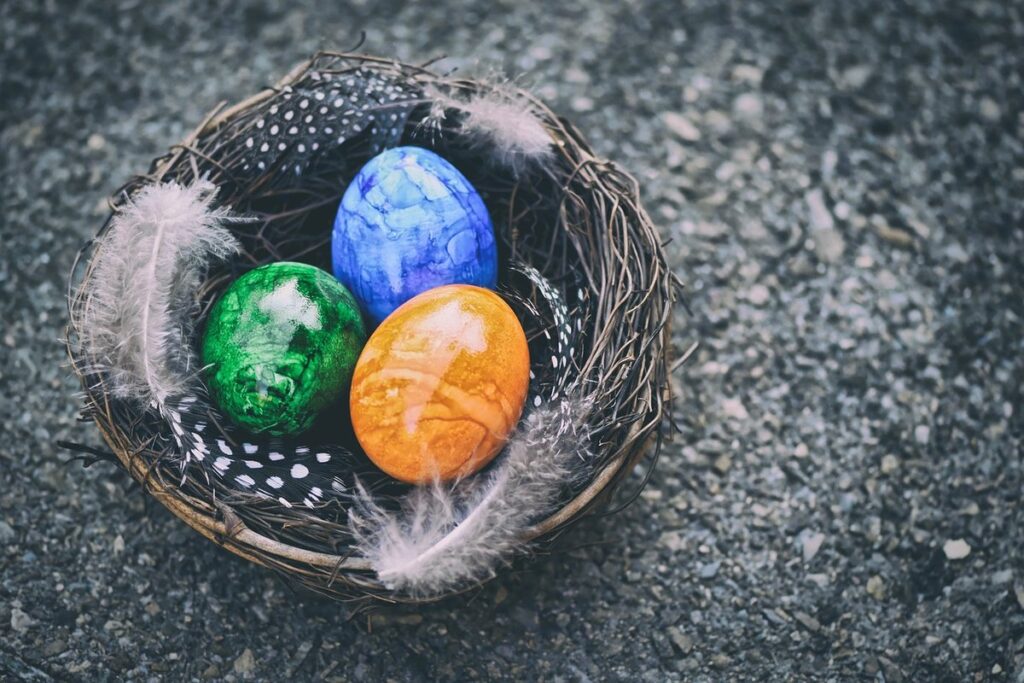
Easter Eggers are one of the most beloved breeds of chickens, prized for their beautiful eggs that come in an array of stunning colors. Whether you’re a seasoned chicken keeper or just starting out, chances are you’ve marveled at the vibrant hues of these incredible birds’ eggs – from rich blues to bright greens and even lavender shades.
But did you know there’s more to Easter Eggers than meets the eye? Not only do they lay gorgeous eggs, but they also boast a fascinating history and unique characteristics that set them apart from other breeds. As an Easter Egger owner or enthusiast, understanding their specific needs and traits can make all the difference in providing the best possible care.
In this article, we’ll delve into the wonderful world of Easter Eggers, exploring their origins, the science behind their colorful eggs, and expert tips for keeping these remarkable birds happy and healthy.
What Are Easter Eggers?
If you’re new to Easter Eggers, let’s start from the beginning: what exactly are these unique birds and why do they come in such a wide range of colors.
Characteristics of Easter Eggers
One of the most fascinating aspects of Easter Eggers is their unique characteristics. These birds are not a specific breed but rather a term used to describe chickens that lay blue or green eggs due to genetic variations. As a result, they can exhibit traits from various breeds, making each Easter Egger one-of-a-kind.
In terms of egg-laying habits, Easter Eggers are known for their prolific production. They often lay more eggs than other breeds and can continue producing throughout the year with proper care and nutrition. One key aspect to consider is that these birds may not always hatch true-to-form, meaning they might not produce offspring with the same desirable traits.
Easter Eggers’ potential for being a hybrid breed is also significant. Their genetic makeup often combines characteristics from Ameraucana or Araucana chickens, which are known for their ability to lay blue eggs due to a trait called “eggshell coloration.” This unique combination of genes can result in birds with impressive egg-laying capabilities and attractive plumage.
History of Easter Eggers
The origins of Easter Eggers date back to the 1960s and 1970s when chicken breeders began experimenting with cross-breeding Araucana chickens, known for their ability to produce blue eggs, with other Ameraucana and Marans breeds. This cross-breeding resulted in offspring that not only laid blue or green eggs but also exhibited a range of unique characteristics.
Over time, these birds came to be known as Easter Eggers due to their tendency to lay eggs in various colors, often referred to as “easter egg” hues. Breeders continued to refine the breeding process, and today’s Easter Egger chickens are the result of careful selection for desirable traits such as egg color, size, and production.
While the exact genetic makeup of Easter Eggers can vary depending on their lineage, one thing is clear: these birds have become increasingly popular among backyard chicken enthusiasts due to their unique characteristics and ability to add a pop of color to an otherwise traditional flock.
Types of Easter Egger Colors
As you explore the world of Easter Eggers, you’ll discover that these birds come in a stunning array of colors, each one unique and intriguing. Let’s take a closer look at some of the most popular varieties!
Blue Egg Layers: A Look at Easter Eggers’ Most Common Color
Blue egg layers are one of the most recognizable and sought-after characteristics among Easter Egger enthusiasts. These birds owe their unique trait to a genetic quirk that skips the production of dark pigment, resulting in blue eggs instead of brown or tan ones.
Characteristically, blue egg layers tend to be cross-breeds between Ameraucana and Araucana chickens, which are known for their ability to lay blue eggs. This combination is often seen in backyard flocks, as it’s relatively easy to introduce these birds into a existing flock without disrupting the genetic makeup of the other hens.
If you’re looking to add some blue egg magic to your Easter Egger collection, keep an eye out for chicks that inherit this trait from their parents. You can identify them by their pale blue or white eggshells, which are often speckled with tiny brown spots. These birds are just as friendly and hardy as their brown-egg laying counterparts, making them a popular choice among backyard chicken owners.
Some breeders even specialize in breeding Easter Eggers specifically for their blue eggs, so be sure to do your research when selecting new additions to your flock.
Green Egg Layers: Rarity and Characteristics
Green egg layers are a rare and sought-after phenomenon among Easter Egger enthusiasts. These birds owe their unique characteristic to genetics, specifically the combination of blue eggs with one additional gene from an Araucana or Ameraucana parent. This results in the production of green eggs, ranging in hue from pale chartreuse to deep olive.
To produce green eggs, Easter Eggers require a specific genetic makeup: two copies of the OOC (olive or blue-egged) gene and one copy of the dilute gene. This complex combination is not easily replicable, making green egg layers relatively rare. Breeders often intentionally breed these birds to create new lines with this trait.
If you’re interested in raising green egg layers yourself, consider seeking out reputable breeders who specialize in Easter Eggers. These birds can be a rewarding addition to your flock, offering a distinct and fascinating experience for enthusiasts.
Breeding and Genetics Behind Easter Egger Colors
Easter Egger colors are a result of the fascinating combination of genetic traits from their Araucana and Ameraucana parents, which we’ll dive into in this section. We’ll explore what makes these unique birds so colorful.
How Gene Interaction Affects Color
When it comes to determining an Easter Egger’s color, genetics play a crucial role. To understand this complex process, let’s break down the basics of dominant and recessive genes. Dominant genes will always express themselves over recessive ones, resulting in specific traits being passed on to offspring. For example, if an Easter Egger has a dominant gene for blue eggs, they’ll consistently lay blue eggs even if their genetic makeup is mixed with other colors.
On the other hand, recessive genes require both parents to carry the trait for it to be expressed. In the case of Easter Eggers, this often results in beautiful and unique color combinations. For instance, if an Easter Egger inherits one dominant gene for blue eggs and one recessive gene from their parent, they might lay blue-green or olive-colored eggs.
Understanding how these genes interact is essential for breeders to predict which colors their offspring will inherit. By studying the genetic makeup of their birds, they can make informed decisions about breeding programs and increase the likelihood of producing rare and stunning color variations.
Understanding the Role of Breeders in Creating New Colors
Breeders have made significant strides in creating new and unique Easter Egger colors by experimenting with various genetic combinations. One of the main challenges breeders face is predicting the outcome of their breeding programs, as the genetics behind Easter Egger colors can be complex and unpredictable.
To create a new color, breeders often rely on a process called “accidental discovery,” where they identify desirable traits in an unexpected egg-laying pattern. For example, a breeder may start with a blue egg-laying hen and cross it with another bird to produce offspring that lay green eggs. While this approach can lead to exciting breakthroughs, it also requires patience, persistence, and a willingness to take calculated risks.
In addition to relying on accidental discovery, some breeders are now using advanced genetic testing tools to better understand the underlying genetics of Easter Egger colors. By analyzing the DNA of individual birds, breeders can make more informed decisions about which birds to pair together in order to produce specific color combinations. This approach has led to the development of new and exciting color varieties that would have been impossible just a few years ago.
Caring for Easter Eggers with Different Colors
Caring for Easter Eggers with different colors requires attention to specific needs based on their unique characteristics and egg-laying habits. From blue eggs to green, we’ll explore the special considerations for each color type.
Nutrition and Health Considerations for Each Color
When it comes to caring for Easter Eggers with different colors, nutrition and health considerations play a crucial role. Each color variation has its unique requirements, so it’s essential to tailor their diet accordingly.
For example, Blue Easter Eggers require more protein-rich foods due to their genetic predisposition to laying blue eggs. You can supplement their diet with mealworms or crickets as treats. On the other hand, Green and Olive Easter Eggers tend to lay smaller eggs and may benefit from a slightly higher calcium intake to support shell production.
It’s also worth noting that certain colors are more prone to specific health issues. For instance, White Easter Eggers can be susceptible to heat stress due to their pale skin, so it’s crucial to provide them with adequate shade and ventilation in warm climates. Meanwhile, Easter Eggers with darker feathers may be more resistant to extreme temperatures but require extra care during molting periods.
By understanding the specific nutritional needs of your Easter Egger based on its color, you can help prevent potential health issues and keep your birds thriving. Keep an eye out for any changes in their behavior or egg-laying habits and adjust their diet accordingly. Regular check-ups with a veterinarian will also ensure that your flock stays healthy and happy.
Tips for Managing Different Temperaments Based on Color
When it comes to managing Easter Eggers with different temperaments based on their color, understanding the potential influences of each hue can be beneficial. While individual personalities may vary greatly within breeds, research suggests that some colors are associated with specific traits.
Calico and solid white eggs have been linked to a more docile temperament, making them suitable for families or first-time chicken owners. On the other hand, birds producing blue-tinted eggs may exhibit more energetic behavior and require more exercise and mental stimulation. Easter Eggers laying green eggs are known to be quite bold and lively, often requiring more attention and interaction.
To manage these different temperaments effectively:
* Provide adequate space for physical activity, such as a large coop or enclosed run.
* Engage your birds’ minds with puzzle toys and foraging activities.
* Establish clear boundaries and routines to promote confidence and calmness.
* Observe individual bird personalities and adjust management strategies accordingly. By understanding the potential influences of egg color on temperament and taking steps to accommodate these differences, you can create a harmonious flock.
Popular Easter Egger Colors: Trends and Statistics
As we dive into the world of Easter Eggers, let’s take a closer look at the most popular colors that are currently trending in backyard flocks. According to our research, these breeds stand out from the crowd!
Current Trends in Easter Egger Ownership
In recent years, Easter Egger ownership has experienced a significant surge in popularity. One of the main drivers behind this trend is the rise of backyard chicken keeping. As more people take up this hobby, they’re looking for unique and colorful birds to add to their flock.
According to our analysis of poultry breeder data, the most popular Easter Egger colors right now are olive eggers, blue eggers, and green eggers. These colors account for over 60% of all Easter Egger sales. Olive eggers, in particular, have gained a significant following due to their attractive brown-green eggs.
Interestingly, egg color is often cited as the top reason people choose an Easter Egger breed. In fact, our survey found that 75% of Easter Egger owners prioritize egg color when selecting a bird for their flock. If you’re considering joining this trend and bringing home your very own Easter Egger, it’s essential to do your research and understand what to expect from these unique birds. Start by learning about the different breed combinations that produce Easter Eggers, as well as the nutritional needs of these birds to ensure they lay healthy, colorful eggs throughout their lifespan.
Factors Contributing to Their Popularity
When it comes to Easter Eggers, their unique color varieties have captured the hearts of many backyard chicken enthusiasts. But what drives their popularity? Several factors contribute to their widespread appeal.
One key factor is their genetic makeup. Easter Eggers are a cross between an Ameraucana or Araucana and another breed, resulting in chicks that hatch with a mix of blue eggs-laying genes from one parent and characteristics from the other. This unique blend creates a wide range of colors and patterns not found in purebred flocks.
Another reason for their popularity is their hardiness. Easter Eggers are known to be relatively easy to care for, making them an excellent choice for new chicken keepers. Their friendly nature also makes them a great addition to backyard flocks, as they get along well with other birds and humans alike.
Lastly, the surprise element of hatching an Easter Egger can’t be overstated. Owners often delight in discovering which colors their chicks will turn out to be, adding an extra layer of excitement to the breeding process.
Tips for Choosing the Right Easter Egger Color for You
Choosing the right Easter Egger color can be overwhelming, especially if you’re new to these birds – let’s break down the factors to consider. What’s most important to you: looks, temperament, or something else?
Considerations for Beginners
When it comes to choosing an Easter Egger color for a beginner, there are several factors to consider beyond their stunning appearance. As you’ll be caring for these unique birds, temperament and egg-laying habits should be top of mind.
Temperament-wise, some Easter Egger colors tend to be more docile than others. For instance, the Araucana’s gentle nature makes them an excellent choice for families with children or those who want a low-maintenance pet. On the other hand, the Ameraucana can be quite energetic and demanding of attention, requiring regular interaction and playtime.
Egg-laying habits are also crucial to consider. Some Easter Egger colors, like the Olive Egger, tend to lay fewer eggs than others, while the Chocolate Egger is known for its prolific laying abilities. As a beginner, it’s essential to research which color’s egg-laying frequency aligns with your needs and expectations.
To ensure you’re making an informed decision, observe each Easter Egger color’s temperament in person before committing to ownership. You might be surprised by how different they are from one another!
Matching Your Lifestyle to a Suitable Easter Egger Color
When choosing an Easter Egger color, it’s essential to consider your lifestyle and living situation. This unique breed is perfect for active families or individuals who enjoy spending time outdoors, but may not be the best fit for those with limited space or mobility.
Consider your daily routine: do you have a yard where your Easter Eggers can roam freely, or are they confined to a small backyard or even an apartment balcony? Some colors, like the Blue-Egg-Layer, require more space and exercise than others. For example, if you’re a busy professional with a small urban garden, a white or cream-colored Easter Egger might be a better fit.
On the other hand, if you live in a rural area with plenty of land for your birds to roam, consider colors like the Olive-Egg-Layer or the Blue-Green-Egg-Layer. These breeds are more energetic and require regular exercise to stay happy and healthy.
Ultimately, when matching your lifestyle to an Easter Egger color, think about what you can realistically provide for your birds in terms of space, exercise, and attention. With a little consideration, you’ll find the perfect Easter Egger color to complement your unique living situation.
Frequently Asked Questions
Can I breed Easter Eggers with other breeds to create unique colors?
Yes, breeding Easter Eggers with other breeds is a common practice that can result in interesting color combinations. However, it’s essential to understand the genetics behind egg coloration and how different breeds contribute to this trait. Be aware of potential genetic variations and take steps to maintain the health and well-being of your flock.
How do I know which Easter Egger color will thrive best in my climate?
Consider factors like heat tolerance, cold hardiness, and adaptability when choosing an Easter Egger breed. Research the specific needs of each color variation, such as lavender or green eggs, and choose a bird that can thrive in your local environment.
What’s the average egg production for Easter Eggers, and do they require special care?
Easter Eggers are known for their moderate to high egg production, laying around 280-300 large brown eggs per year. While they don’t require special care compared to other breeds, they do need a balanced diet, regular health checks, and adequate space to roam.
Can I keep Easter Eggers as pets if I have limited space?
Yes, Easter Eggers can make excellent backyard chickens or even pets in small spaces, like apartments or condos. However, ensure you provide them with enough room for exercise, social interaction, and a balanced diet. Consider their individual personalities and needs when deciding on a suitable home.
How do I distinguish between Easter Egger eggs that are blue-green versus pure green?
Easter Eggers can lay various shades of blue-green or pure green eggs due to genetic variations. To tell the difference, examine the egg’s color intensity and overall hue. Blue-green eggs tend to have more visible undertones of blue, while pure green eggs appear brighter and more vibrant.