
Are you looking to bring backyard chickens into your life but want to do it in an eco-friendly way? You’re not alone. Many of us are rethinking our approach to chicken keeping, and for good reason: conventional methods can have a significant environmental impact. But with a few simple changes, you can reduce waste, improve animal welfare, and even save money on your grocery bill. In this article, we’ll explore the benefits of eco-friendly chicken keeping, from designing a sustainable coop to selecting breeds that thrive in natural conditions. We’ll also dive into practical tips on manure management, integrating chickens with permaculture systems, and more – so you can keep hens that are healthy, happy, and kind to the planet.
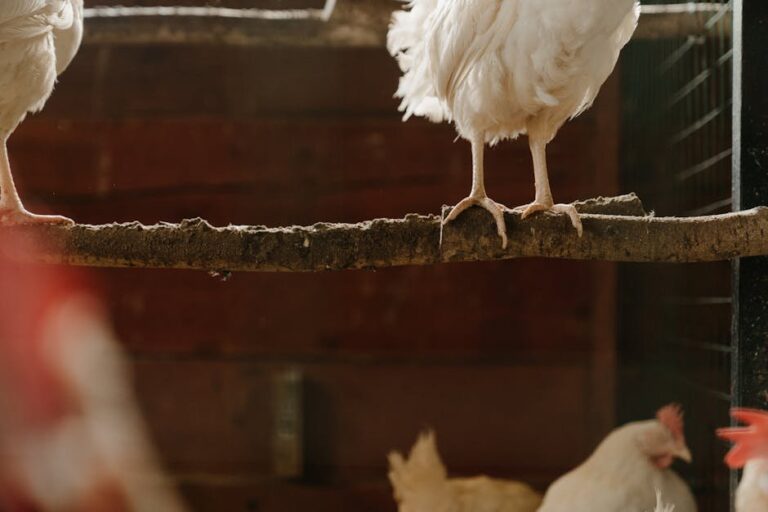
Understanding the Benefits of Eco-Friendly Chicken Keeping
As you consider bringing backyard chickens into your eco-friendly lifestyle, let’s explore the numerous benefits of raising environmentally conscious poultry. We’ll dive into how these birds can enrich your life and contribute to a more sustainable future.
Why Choose Eco-Friendly Chicken Keeping?
When considering keeping chickens, many people overlook the environmental and animal welfare benefits of choosing an eco-friendly approach. However, this type of chicken keeping can have a significant impact on reducing your carbon footprint and improving the lives of your feathered friends.
One of the main advantages of eco-friendly chicken keeping is its reduced environmental impact. Traditional commercial chicken farms are often criticized for their high energy consumption, resource usage, and waste production. In contrast, small-scale backyard chicken keeping allows you to manage resources more efficiently and produce fewer greenhouse gas emissions. By using locally sourced feed, reducing water consumption, and implementing composting systems, you can significantly minimize your chicken’s environmental footprint.
Moreover, eco-friendly chicken keeping prioritizes animal welfare, ensuring that your chickens live in a safe, healthy environment. This approach promotes natural behaviors, such as foraging and free-range movement, which are essential for the mental and physical well-being of your birds. By choosing eco-friendly methods, you can enjoy fresh eggs while also contributing to a more sustainable food system and improving animal welfare.
Common Challenges Faced by Backyard Chicken Keepers
As you embark on adopting an eco-friendly approach to backyard chicken keeping, it’s essential to be aware of the common challenges that many enthusiasts face. One of the primary hurdles is managing pests and diseases effectively without relying on chemical-based solutions. This can be achieved by maintaining a clean coop, monitoring flock health closely, and implementing natural pest control methods such as diatomaceous earth or citrus peels.
Another challenge is finding a balance between providing adequate nutrition to your birds and reducing waste. This involves researching and implementing sustainable feeding practices, such as using locally sourced grains or making your own chicken feed. Additionally, many backyard chicken keepers struggle with managing space and ensuring that their flock has enough room to exercise and engage in natural behaviors.
To overcome these challenges, it’s crucial to do thorough research, join online communities or local groups for support, and be willing to adapt and try new approaches as you gain experience. By being mindful of these common obstacles and taking proactive steps to address them, you can successfully transition to eco-friendly backyard chicken keeping.
Creating a Sustainable Coop Design
When it comes to building a chicken coop, sustainable design is crucial for both your flock’s health and the environment. Let’s explore key considerations for creating an eco-friendly coop that thrives alongside nature.
Key Considerations for Eco-Friendly Coop Design
When designing an eco-friendly coop, it’s essential to consider several key factors that promote a healthy and sustainable environment for both your chickens and the surrounding ecosystem. Ventilation is crucial, as it helps to regulate temperature and prevent moisture buildup, which can lead to respiratory issues in chickens. A well-designed ventilation system should include windows, vents, or other openings that allow for airflow while also protecting against predators.
Insulation is another vital aspect of eco-friendly coop design. Proper insulation will help maintain a consistent temperature inside the coop, reducing the need for artificial heating and cooling methods. You can use natural materials like straw bales or recycled denim to insulate your coop.
Effective waste management is also critical in an eco-friendly coop. This includes collecting manure, composting it, and using it as fertilizer. Consider incorporating a run with grassy areas that will allow the chickens to forage and help control pests naturally. Regular cleaning and maintenance of the coop are also essential to prevent disease and odor buildup.
Building Materials and Their Environmental Impact
When it comes to building an eco-friendly chicken coop, the materials used are just as important as the design itself. Let’s take a closer look at some of the most commonly used building materials and their environmental impact.
Wood is often considered a sustainable option for coop construction, but not all types of wood are created equal. For example, pressure-treated lumber contains chemicals like arsenic, which can leach into soil and water, posing a risk to both humans and animals. Opting for reclaimed or sustainably sourced woods, such as cedar or cypress, is a better choice.
Metal coops may seem like an unlikely eco-friendly option, but they can be a good choice if made from recycled materials. However, some metal components, like screws and nails, are often made from non-recyclable plastics. To minimize waste, choose coops with built-in features that allow for easy disassembly and reuse.
Recycled materials, such as reclaimed wood, repurposed metal, and salvaged glass, can be incorporated into coop design to reduce waste and lower environmental impact. When selecting materials, consider local availability, transportation emissions, and end-of-life recyclability. By making informed choices, you can build a sustainable coop that not only benefits your feathered friends but also the planet as a whole.
Choosing the Right Chicken Breed
When it comes to selecting a breed for your eco-friendly flock, choosing one that’s well-suited to your climate and lifestyle is crucial. This section will help you narrow down your options.
Understanding the Characteristics of Eco-Friendly Chicken Breeds
When it comes to choosing an eco-friendly chicken breed, there are certain characteristics that make some breeds more suitable than others. One of the most important factors is disease resistance. A breed that is resistant to diseases such as salmonella and E. coli will not only reduce the risk of illness but also minimize the use of antibiotics in your flock.
Heat tolerance is another crucial characteristic for eco-friendly chicken keeping. Breeds like the Marans, Australorp, and Brahma are well-suited for hot climates due to their ability to regulate body temperature effectively. These breeds can thrive in temperatures as high as 100°F (38°C), making them an excellent choice for backyard farmers living in warm regions.
In addition to disease resistance and heat tolerance, some breeds also offer other eco-friendly advantages such as low feed consumption and efficient egg production. For example, the Leghorn breed is known for its high egg production while requiring less feed than many other breeds. By choosing a breed with these characteristics, you can create a more sustainable and environmentally friendly backyard chicken-keeping operation.
Factors to Consider When Selecting a Chicken Breed
When selecting a chicken breed for an eco-friendly flock, there are several key factors to consider. First and foremost, think about egg production. If you’re looking to harvest eggs regularly, choose a breed known for its high egg-laying ability, such as Leghorns or Rhode Island Reds. However, if you’re prioritizing sustainability and reducing your carbon footprint, consider breeds that produce smaller but more nutritious eggs, like Marans or Australorps.
Temperament is also crucial in an eco-friendly flock. You’ll want chickens that are easy-going and adaptable to outdoor living conditions. Look for breeds known for their friendly and docile nature, such as Silkies or Polish. Foraging ability is another important consideration. Chickens that can forage efficiently will require less feed and be more self-sufficient.
When evaluating a breed’s foraging ability, consider its size, energy level, and instinct to peck at the ground. Breeds with a strong foraging drive, like Sussex or Orpingtons, are ideal for eco-friendly flocks.
Managing Manure and Waste Effectively
Properly managing manure and waste is crucial for maintaining a healthy, sustainable flock and protecting the environment from potential pollutants. We’ll explore practical tips and strategies to make it happen effectively.
The Importance of Manure Management in Eco-Friendly Chicken Keeping
Proper manure management is a crucial aspect of eco-friendly chicken keeping. When it comes to raising chickens in your backyard, managing their waste can have a significant impact on the environment. Manure from chickens contains nutrients like nitrogen and phosphorus that can pollute soil, waterways, and air if not handled correctly.
To put this into perspective, consider this: a single laying hen produces about 12 pounds of manure per week. Over the course of a year, this adds up to nearly 600 pounds of waste per bird. If not managed properly, this can lead to nutrient runoff, leachate contamination, and even greenhouse gas emissions.
To mitigate these issues, it’s essential to implement effective manure management strategies in your backyard chicken-keeping setup. This can be achieved through practices such as composting, using manure to fertilize plants, or utilizing specialized manure collection systems. By doing so, you can not only reduce the environmental impact of your chickens but also create a nutrient-rich resource for your garden.
Methods for Effective Manure and Waste Management
Effective manure and waste management is crucial for maintaining a healthy and sustainable chicken-keeping environment. Composting is an excellent method to reduce waste and create nutrient-rich fertilizer for your garden. This process involves allowing the manure to break down naturally, either by pile-building or vermicomposting with worms. By doing so, you can significantly decrease odors and pests while producing a valuable resource.
Worm farming is another efficient way to utilize chicken manure. Red wiggler worms are ideal for this purpose as they thrive in moist environments and consume organic waste quickly. After several months of processing, worm castings become available as an excellent fertilizer that enhances soil structure and fertility. Mulching can also be used to manage waste effectively by incorporating it into garden beds or pathways.
Remember to always follow proper health guidelines when composting, such as ensuring the pile is at least 3 feet wide and has adequate carbon-to-nitrogen ratios.
Navigating Regulations and Local Laws
Before you bring home those adorable chicks, it’s essential to familiarize yourself with local laws and regulations regarding backyard chicken keeping. We’ll guide you through the process of navigating these guidelines effectively.
Understanding Zoning Laws and Regulations
Before bringing home those adorable feathered friends, it’s essential to understand the zoning laws and regulations in your area. Zoning laws vary significantly from one location to another, and some municipalities have strict rules governing backyard chicken keeping. Ignoring these regulations can lead to fines, penalties, or even having to relocate your chickens.
When researching local zoning laws, look for keywords like “backyard chickens,” “chicken-keeping ordinances,” or “urban agriculture regulations.” You can also contact your local planning department or municipal office directly. Be prepared to provide specific details about your property and chicken-keeping plans. Some questions to consider: Are there restrictions on the number of chickens allowed per household? Do you need a permit or license to keep chickens?
Understanding zoning laws is crucial for creating a harmonious relationship with your neighbors and ensuring that your eco-friendly chicken keeping endeavor remains stress-free. By doing your due diligence upfront, you’ll be able to plan and execute your backyard chicken project without any unexpected surprises down the line.
Communicating with Neighbors and Local Authorities
When it comes to keeping chickens, you may encounter concerns from neighbors and local authorities about noise, odors, and other potential issues. Effective communication is key to addressing these concerns and ensuring a harmonious relationship with those around you.
Before introducing chickens to your backyard, consider having an open conversation with your neighbors about your plans. Explain the benefits of eco-friendly chicken keeping, such as reduced carbon footprint and increased access to fresh eggs. Be transparent about the steps you’ll take to minimize potential issues, like using odor-absorbing materials or implementing noise-reducing measures.
When interacting with local authorities, be prepared to provide information on your chicken-keeping practices, including breed selection, coop design, and waste management strategies. Familiarize yourself with local ordinances and regulations regarding backyard chickens, and be willing to adapt your plans accordingly. By being proactive and communicative, you can build trust and credibility with those around you, ensuring a smooth and successful eco-friendly chicken keeping experience.
To maintain good relationships with neighbors, consider offering them the occasional egg or hosting a potluck dinner featuring fresh eggs from your backyard flock. This approach not only fosters goodwill but also encourages others to adopt more sustainable practices.
Integrating Your Flock into a Sustainable Lifestyle
Now that you have your flock established, let’s explore how to seamlessly integrate them into your existing eco-friendly lifestyle and reduce your carbon footprint further.
Tips for Creating a Balanced Ecosystem
Creating a balanced ecosystem when integrating your flock into a sustainable lifestyle is crucial for their health and well-being. This involves considering the needs of both the chickens and the environment. Start by assessing your land’s natural resources, including sunlight, water, and soil quality.
Aim to create a diverse range of microclimates within your chicken-keeping area. For example, provide shaded spots using trees or shrubs to protect your flock from extreme temperatures. Incorporate a mix of plants that attract beneficial insects, like bees and butterflies, which can pollinate your garden while also providing natural pest control.
Incorporate composting into your ecosystem by collecting waste from your flock and using it as fertilizer for your garden. This reduces waste and creates nutrient-rich soil. Also, consider integrating companion planting techniques to create a balanced food web. For instance, plant marigolds with your vegetables to repel nematodes while also attracting beneficial insects.
By implementing these strategies, you’ll be creating an interconnected ecosystem that benefits both your flock and the environment. Remember, every element in this system plays a crucial role in maintaining balance and harmony.
Strategies for Reducing Food Waste and Incorporating Chickens into Meal Planning
Reducing food waste and incorporating chickens into meal planning is a clever way to get the most out of your backyard flock. One of the biggest perks of having chickens is the nutrient-rich manure they produce, which can be used as fertilizer for your garden. Consider setting up a compost bin specifically for chicken manure to create a valuable resource for your plants.
Incorporating chickens into meal planning involves making the most of their eggs and meat. Start by planning meals around what you have in store, including eggs from your flock. This will help reduce food waste and encourage creativity in the kitchen. Consider meal prepping or cooking in bulk to use up ingredients before they go bad.
Some other strategies for reducing food waste include:
* Using chicken fat as a cooking oil
* Making stock or broth with leftover chicken bones
* Composting vegetable scraps from your garden into nutrient-rich fertilizer
Conclusion: Embracing Eco-Friendly Chicken Keeping
As we wrap up our comprehensive guide, let’s reflect on the practical steps you can take to create a truly eco-friendly chicken-keeping setup that benefits both your flock and the planet.
Recap of Key Takeaways
As you embark on your eco-friendly chicken keeping journey, let’s recap the key takeaways from our comprehensive guide. By embracing sustainable practices, not only will you contribute to a healthier environment, but also enjoy numerous benefits for yourself and your feathered friends.
One of the primary advantages of eco-friendly chicken keeping is the reduction of carbon footprint associated with traditional farming methods. By utilizing renewable energy sources, composting waste, and implementing rotational grazing techniques, you can significantly minimize your impact on the planet. For instance, a study by the University of California found that small-scale, sustainable farms produce 50% less greenhouse gas emissions compared to large-scale industrial operations.
In addition to environmental benefits, eco-friendly chicken keeping also offers numerous practical advantages. By incorporating permaculture principles and crop rotation strategies, you can create a thriving ecosystem that fosters biodiversity and improves soil health. For example, planting nitrogen-fixing legumes alongside your chicken’s favorite forage crops can enhance the overall fertility of your land.
To implement these sustainable practices in your backyard flock, consider the following tips:
* Start by reducing waste through composting and recycling materials
* Incorporate renewable energy sources such as solar or wind power to illuminate your coop and run
* Implement rotational grazing techniques to maintain soil health and prevent erosion
* Plant a diverse range of crops and forage plants to support biodiversity
* Consider integrating beehives into your eco-friendly chicken keeping setup to promote pollinator health
By embracing these practical tips and sustainable practices, you’ll not only create a thriving ecosystem but also contribute to a healthier environment. Remember, every small step counts, and by making conscious choices in your backyard flock, you’re paving the way for a more sustainable future.
Frequently Asked Questions
How do I integrate my flock with a permaculture system?
Integrating chickens into your permaculture system can be a fantastic way to create a balanced ecosystem. To get started, consider the chicken’s foraging needs and how they can help control pests and weeds in your garden. You can also use their manure as natural fertilizer. Be sure to provide a safe and comfortable environment for them by incorporating features like dust baths and roosts.
What are some common challenges faced by eco-friendly chicken keepers, and how can I overcome them?
One of the biggest challenges is managing manure and waste effectively. To overcome this, consider implementing a composting system or using a tarp to collect droppings under the coop. You can also reduce waste by feeding your chickens a balanced diet that minimizes scraps and leftovers.
Can I use recycled materials in my eco-friendly chicken coop design?
Yes! Using recycled materials is an excellent way to create a sustainable coop design. Consider repurposing old pallets, reclaimed wood, or even straw bales to create a cozy and eco-friendly home for your chickens. Just be sure to ensure the materials are safe and durable.
How do I communicate with my neighbors about my backyard chicken-keeping plans?
When communicating with your neighbors, focus on the benefits of eco-friendly chicken keeping and how it can benefit everyone in the community. You can also offer to share knowledge or resources with them if they’re interested in starting their own flock.
What are some strategies for reducing food waste when incorporating chickens into my meal planning?
Consider using your chicken’s eggs as a central component in meals, such as omelets or breakfast burritos. You can also use leftover vegetable scraps and fruit peels to create nutritious feed for your flock. Finally, get creative with recipes that incorporate chicken byproducts like broth or stock.