
Foraging for wild edibles can be a thrilling experience, but it requires knowledge and attention to detail. Among the many wild plants that grow in North America is the bunchberry dogwood, a shrub that produces edible berries and has been used by indigenous communities for its medicinal properties. If you’re interested in adding this versatile plant to your repertoire, learning how to identify, harvest, and use it safely is crucial. In this article, we’ll provide expert tips on foraging for bunchberry dogwood, including how to recognize the plant, when to pick the berries, and ways to prepare them for consumption or medicinal use. We’ll also cover some creative recipe ideas and safety precautions to keep in mind when working with wild edibles.
Introduction to Bunchberry Dogwood
Bunchberry dogwood is a sweet and versatile edible plant that’s often overlooked, but don’t worry, we’re here to guide you through its identification and uses. Let’s dive in!
What is Bunchberry Dogwood?
Bunchberry dogwood is a fascinating edible plant that’s worth getting to know. Also known by its botanical name Cornus canadensis, it belongs to the Cornaceae family of plants. To put this into perspective, bunchberry dogwood is closely related to other shrubs and small trees in the same family, such as flowering dogwoods (Cornus spp.).
As a member of the Cornaceae family, bunchberry dogwood exhibits characteristics common to its relatives, including simple leaves with an alternating arrangement on the stem. However, what sets it apart from other species is its unique growth habit. Bunchberry dogwood grows low to the ground, often forming dense clusters or “bunches” that give it its name.
In terms of classification, bunchberry dogwood is considered a shrub rather than a tree due to its small stature and woody stems. Its compact size makes it an excellent choice for gardeners looking to add a native, edible plant to their landscape. With proper identification and handling, the parts of the bunchberry dogwood plant can be safely harvested for consumption.
History of Use and Cultural Significance
For centuries, bunchberry dogwood has been an integral part of indigenous cultures’ traditional practices, not only for its nutritional value but also for its medicinal properties. The Ojibwe and Algonquin tribes in North America have utilized the plant’s berries, leaves, and bark to create a variety of remedies. For instance, the ripe berries were used to treat stomach ailments, while the crushed leaves applied directly to wounds could speed up healing.
The Cree Nation would use bunchberry dogwood tea as a natural remedy for fever reduction and to ease menstrual cramps. Similarly, in traditional Inuit medicine, the bark was believed to have antiseptic properties and was used to treat sore throats and skin irritations. The plant’s adaptogenic qualities were also recognized by indigenous healers, who used it to improve overall health and resilience.
As we learn from these traditional practices, it’s essential to acknowledge the historical significance of bunchberry dogwood as a staple in many indigenous cultures’ lives. By honoring this heritage, we can gain a deeper appreciation for the plant’s multifaceted uses and continue to respect its value in modern times.
Growing Conditions and Habitat
Bunchberry dogwood thrives in moist, acidic environments with partial shade, making it a common inhabitant of woodland edges and mountainous regions. Understanding its natural habitat will help you locate this plant successfully.
Preferred Environment
Bunchberry dogwood thrives in cool, moist environments with well-defined seasons. It prefers to grow in areas with mild winters and moderate summers. When it comes to soil type, bunchberry dogwood is highly adaptable and can tolerate a wide range of conditions. However, it tends to do best in acidic soils with a pH between 4.5 and 6.5.
To create an ideal environment for growing bunchberry dogwood, look for areas with consistent moisture levels. It prefers to grow in wetlands, near streams, or in shaded woodland areas where the soil remains consistently moist. Avoid planting it in areas with standing water, as this can lead to root rot.
In terms of sunlight, bunchberry dogwood prefers partial shade to full sun, but it will still perform well in deep shade. This makes it an excellent choice for woodland gardens or areas with dense tree cover. By providing the right conditions, you’ll be able to enjoy a bountiful harvest of delicious and nutritious bunchberry dogwood.
Identification in the Wild
When foraging for bunchberry dogwood in its natural habitat, it’s essential to be able to identify it accurately. This will not only ensure that you’re picking the right plant but also avoid mistaking it for a poisonous lookalike.
To begin with, look for a low-growing shrub with a spread of around 1-2 feet. Bunchberry dogwood typically grows in moist environments, such as near streams or in woodland areas. The leaves are an excellent identifying feature – they’re oval-shaped, pointed at the tip, and have a wavy edge. They’re usually a bright green color on top and lighter underneath.
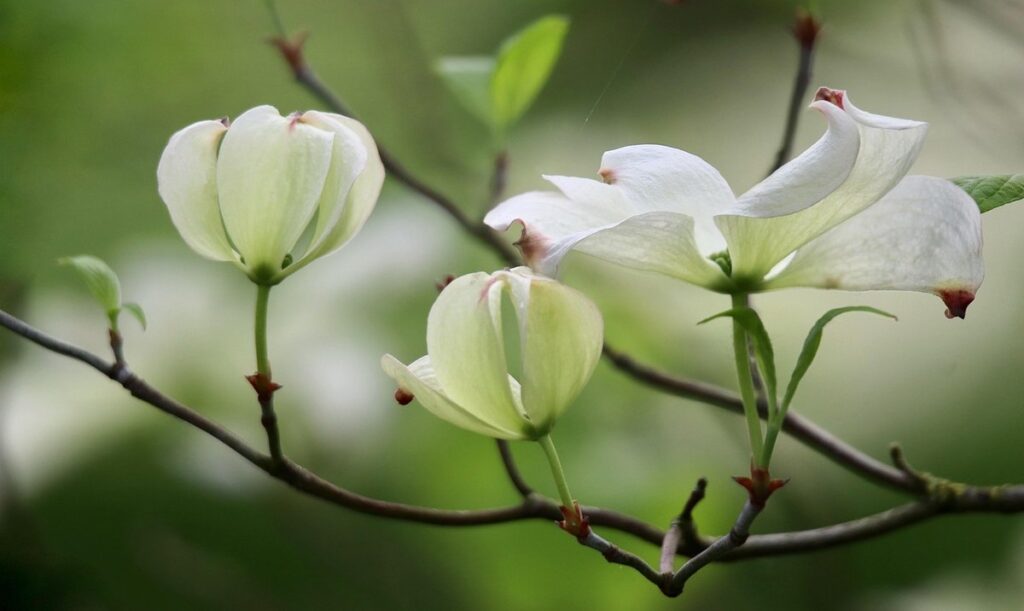
As you examine the plant more closely, notice the clusters of small white flowers that appear in late spring. These flowers are followed by red berries, which are not only edible but also an attractive feature to look out for when identifying bunchberry dogwood. Be sure to check for any signs of over-maturity or decay before harvesting the leaves and berries, as these can be indicators of toxicity.
Foraging Guidelines and Precautions
When foraging for bunchberry dogwood, it’s crucial to know how to identify it safely and use it responsibly to avoid any potential harm. This section outlines essential guidelines and precautions to follow.
When to Harvest
When it comes to harvesting bunchberry dogwood, timing is everything. You’ll want to pick the plant at its ripest stage to ensure maximum flavor and nutritional value. The best time to harvest bunchberry dogwood is during the summer months when the berries are fully ripe and the greenish-yellow caps covering them have turned a deep blue or purple color.
As a general rule, bunchberry dogwood berries are ready to eat when they’re bright red and easily detach from the stem. However, if you’re picking for canning or freezing, it’s best to harvest them when they’re still slightly tart and not yet fully ripe. This will help preserve their flavor and texture.
When harvesting bunchberry dogwood, be sure to check the plant regularly as the berries will quickly ripen and spoil if left on the stem too long. It’s also essential to only pick what you need, leaving some for other foragers and allowing the plant to continue producing fruit in future seasons. By following these guidelines, you’ll be able to enjoy your bunchberry dogwood harvest at its best.
Avoiding Lookalikes and Pesticide Contamination
When foraging for bunchberry dogwood, it’s essential to be aware of lookalike plants that may resemble it. One such plant is the chokeberry (Aronia arbutifolia), which has similar clusters of small white flowers and red berries. However, chokeberries are generally larger in size and have a more bitter taste. To avoid mistaking chokeberries for bunchberry dogwood, take note of their size and flavor profile.
Another concern when foraging is pesticide contamination. If you’re foraging in areas near agricultural fields or urban centers, there’s a risk of exposure to pesticides. Look for areas that are far from human activities, such as remote wilderness areas or woodlands. Always inspect the plants before harvesting, checking for any signs of pesticide use, like unusual growth patterns or discoloration.
When foraging, it’s also crucial to note that some bunchberry dogwood plants may have been sprayed with pesticides due to nearby agricultural activities. To minimize this risk, choose plants from areas that are at least 1-2 miles away from agricultural fields.
Preparing Bunchberry Dogwood for Consumption
Before enjoying bunchberry dogwood, it’s essential to properly prepare it to ensure maximum flavor and safety. Learn how to clean, chop, and cook this edible plant in the right way.
Traditional Recipes and Preparation Methods
Traditional recipes from indigenous cultures showcase the versatility of bunchberry dogwood. In many Native American communities, the ripe berries are crushed and mixed with other berries to make a sweet and tangy sauce. This sauce is often served over dried meats or used as an ingredient in stews.
In some regions, the roots and stems of bunchberry dogwood are harvested and boiled for their medicinal properties. The resulting liquid can be stored for later use, either by freezing it or by preserving it through fermentation. When preparing the plant for storage, it’s essential to clean and dry the root and stem material thoroughly to prevent spoilage.
In traditional cooking methods, bunchberry dogwood is often paired with other wild edibles like sunchokes and dandelion greens. A simple recipe involves sautéing the berries with garlic and onions before serving them as a side dish or adding them to soups and stews. This approach highlights the plant’s potential for adding flavor and nutrition to a variety of meals.
It’s worth noting that proper preparation is crucial when consuming bunchberry dogwood. Only harvest ripe, bright red berries to avoid any adverse effects from unripe or green fruit.
Modern Culinary Uses and Substitutions
Bunchberry dogwood is an incredibly versatile ingredient that can add unique flavor and texture to a variety of modern dishes. In contemporary cuisine, it’s often used as a substitute for rhubarb due to its similar tartness and sweetness. Try using the berries in a savory compote with balsamic vinegar and herbs like thyme or rosemary to complement roasted meats or game.
In baked goods, the fruit can be used in place of blueberries or raspberries, adding a subtle earthy flavor to muffins, cakes, or tarts. Simply substitute 1/4 cup of bunchberry dogwood for each cup of traditional berries called for in your recipe. The leaves and young stems can also be pickled like rhubarb and used as a tangy side dish.
When experimenting with bunchberry dogwood, remember that its flavor profile is often described as a cross between blueberries and strawberries, but with a slightly bitter undertone. This unique taste makes it an excellent addition to sauces, marinades, or braising liquids for meats like lamb or venison.
Medicinal Properties and Potential Health Benefits
Bunchberry dogwood has been used for centuries in traditional medicine, and we’ll explore its potential health benefits and medicinal properties in more detail below. Let’s dive into its uses and applications.
Ethnobotanical Evidence
Research on bunchberry dogwood’s medicinal properties has been conducted by indigenous communities for centuries. Ethnobotanical studies reveal that this plant was used to treat a variety of ailments, including fever, rheumatism, and sore throats. The Haudenosaunee people, for instance, made a decoction from the roots to alleviate joint pain.
Studies have also isolated bioactive compounds in bunchberry dogwood with potential anti-inflammatory properties. One such compound, flavonoid glycoside, has been shown to exhibit significant antioxidant activity in vitro. Additionally, the plant’s antimicrobial properties have been documented, suggesting its potential use in treating infections and wounds.
While more research is needed to fully understand bunchberry dogwood’s medicinal applications, its traditional uses offer a foundation for further investigation. Foragers can leverage this knowledge by infusing the leaves or roots into teas, tinctures, or salves for potential therapeutic benefits. When harvesting, be sure to identify bunchberry dogwood correctly and follow sustainable foraging practices to ensure the plant’s continued viability in the wild.
Scientific Research and Studies
Research has begun to uncover the potential health benefits of consuming bunchberry dogwood. A 2018 study published in the Journal of Ethnopharmacology found that the plant’s berries contain high levels of anthocyanins, powerful antioxidants that have been linked to reduced inflammation and improved cardiovascular health. Another study conducted in 2020 investigated the antimicrobial properties of bunchberry dogwood extracts, revealing significant activity against several common pathogens.
Some research suggests that the unique combination of flavonoids and phenolic acids present in bunchberry dogwood may contribute to its potential health benefits. For example, a 2015 study published in the Journal of Food Science found that consuming a diet rich in these compounds could help protect against age-related cognitive decline. While more research is needed to fully understand the effects of consuming bunchberry dogwood on human health, preliminary findings are promising and warrant further exploration.
If you’re considering incorporating bunchberry dogwood into your diet, be sure to consult with a qualified healthcare professional first. When foraging or purchasing bunchberry dogwood products, choose fresh or high-quality dried materials to ensure maximum nutrient retention and safety.
Safety Precautions and Allergies
When foraging for bunchberry dogwood, it’s essential to be aware of potential safety concerns and allergies that can arise from handling or consuming this plant. Be mindful of any sensitivities you may have.
Common Side Effects and Allergic Reactions
While bunchberry dogwood is considered safe for consumption, there are potential side effects and allergic reactions to be aware of. Raw or unripe berries can cause digestive issues such as nausea, vomiting, and diarrhea due to the presence of tannins and malic acid.
Some individuals may experience skin irritation or allergic contact dermatitis upon handling the plant’s stems or leaves. This is usually mild and temporary but can be uncomfortable. If you experience any redness, itching, or burning sensations on your skin after coming into contact with bunchberry dogwood, wash the affected area thoroughly with soap and water.
More severe allergic reactions are rare but possible, especially for people with pre-existing allergies to plants in the Cornaceae family. If you’re new to consuming bunchberry dogwood, start with a small amount and monitor your body’s response. Be cautious if you notice any symptoms such as hives, swelling, or difficulty breathing.
Keep in mind that proper identification of the plant is crucial to avoid mistaken identity with lookalike species. If you’re unsure about the safety of the bunchberry dogwood you’ve found, consult with a trusted field guide, expert forager, or healthcare professional before consumption.
Interactions with Medications and Health Conditions
When using bunchberry dogwood, it’s essential to be aware of potential interactions with medications and health conditions. If you have pre-existing health conditions such as kidney disease, high blood pressure, or diabetes, consult with a healthcare professional before consuming the plant.
Certain medications can interact with bunchberry dogwood’s chemicals, particularly anthocyanins and flavonoids. For example, if you’re taking blood thinners like warfarin, consume bunchberry dogwood in moderation as it may enhance bleeding risks. Similarly, if you’re on diabetes medication, monitor your blood sugar levels closely after consuming the plant.
If you experience any side effects such as dizziness, nausea, or allergic reactions while using bunchberry dogwood, discontinue its use immediately and consult a healthcare professional. Always prioritize caution when introducing new plants into your diet, especially if you have pre-existing health conditions or take medications.
Frequently Asked Questions
Can I use bunchberry dogwood berries immediately after foraging, or do they require preparation?
Yes, it’s essential to properly clean and prepare the berries before consumption. Rinse them with cold water, remove any stems or debris, and consider drying or freezing for later use. This helps preserve their flavor and nutritional value.
How can I ensure I’m picking bunchberry dogwood safely, avoiding pesticide contamination or lookalikes?
When foraging, inspect the plants carefully for signs of pesticides or damage. Look for bunchberry dogwood’s distinctive white flowers in late spring and its red berries in summer. Be aware that similar-looking shrubs like red osier dogwood (Cornus sericea) can be toxic.
Can I use bunchberry dogwood berries in sweet recipes, or are they only suitable for savory dishes?
Bunchberry dogwood berries have a sweet-tart flavor profile and pair well with both sweet and savory ingredients. Feel free to experiment with them in baked goods, jams, and preserves, but also consider using them as a topping for salads or meats.
Are there any specific health benefits or medicinal uses for bunchberry dogwood that I should be aware of?
Bunchberry dogwood has been traditionally used to treat various ailments, including fever reduction, digestive issues, and skin problems. However, consult with a healthcare professional before using it medicinally, especially if you have allergies or are pregnant/breastfeeding.
How can I store bunchberry dogwood berries for long-term use, and what’s the shelf life?
Properly dried or frozen bunchberry dogwood berries can be stored in airtight containers for up to 6-8 months. When using frozen berries, simply thaw and rinse with water before consuming.