
Are you a forager or foodie looking to add some new flavors to your kitchen? You might be surprised to learn that one of the most versatile ingredients out there is actually hiding in plain sight – the dogwood berry. Not only are these tiny fruits packed with nutrients, but they’re also incredibly easy to use in cooking and have a rich cultural history. But can you eat them safely? The answer is yes, but it requires some knowledge on how to identify them correctly. In this article, we’ll delve into the world of edible dogwood berries, exploring their nutritional benefits, creative cooking methods, and even touch on their significance in traditional medicine and folklore. Whether you’re looking to forage wild or cook up a new recipe, we’ve got you covered.
Understanding Dogwood Plants
Before diving into whether dogwood berries are safe to eat, let’s take a closer look at these beautiful plants and what makes them so unique in their growth habits.
What is a Dogwood Tree?
At its core, a dogwood tree is a type of flowering plant that belongs to the Cornus genus. There are many species within this family, but two of the most well-known and widely cultivated are Cornus florida, also known as the flowering dogwood, and Cornus sericea, commonly referred to as red-osier dogwood.
These trees can be found growing in a variety of environments, from woodlands to wetlands. They typically thrive in areas with partial shade and moist soil, but can adapt to different conditions depending on the specific species.
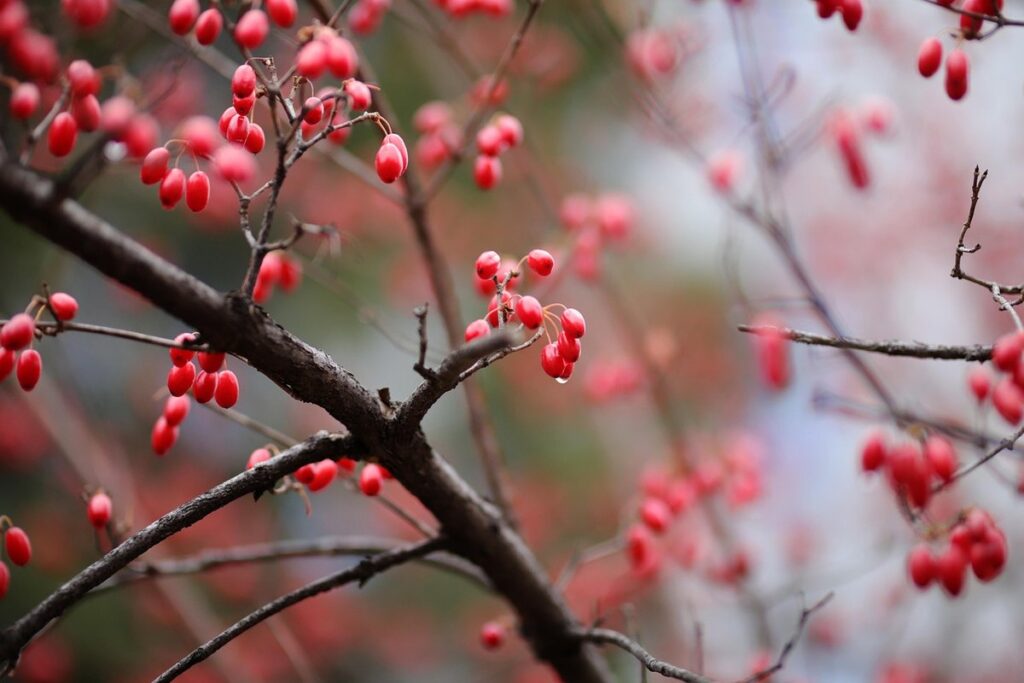
One key feature that sets dogwood trees apart is their stunning display of showy flowers, often followed by clusters of red, purple, or white berries. The berries themselves are a crucial part of the ecosystem, providing vital food sources for various birds and small mammals. This characteristic will become particularly relevant as we explore the edibility of dogwood berries in this blog post.
If you’re considering planting a dogwood tree in your yard, it’s essential to understand which species is best suited to your local climate and soil conditions. With proper care, these trees can bring a beautiful splash of color and life to any outdoor space, while also attracting wildlife with their abundant berries.
Habitat and Distribution
Dogwoods are native to North America and Europe, with many species thriving across diverse environments. In North America, you can find dogwood trees from Canada to Mexico, while in Europe, they’re widespread throughout the UK, France, Germany, and other countries. These adaptable plants grow well in various conditions, from full sun to partial shade, and tolerate a range of soils, including clay, loam, and sand.
When it comes to specific habitats, dogwoods tend to favor moist areas with rich soil. They’re often found near streams, rivers, or lakes, where the trees can access plenty of water. However, some species can also survive in drier environments, making them a versatile choice for gardeners. In terms of climate, dogwoods are generally hardy and can withstand temperatures ranging from -20 to 100°F (-29 to 38°C), depending on the specific variety.
Knowing their habitat preferences can help you determine whether dogwood trees are likely to grow in your area. If you’re planning to forage for dogwood berries or grow a dogwood tree, understanding its native range and environmental needs is essential.
Identifying Edible Berries
When foraging for wild berries, it’s crucial to correctly identify them, and that starts by recognizing the different types of berries you might encounter. We’ll break down the key characteristics of edible berries to help you feel more confident in your identification process.
Characteristics of Dogwood Berries
When it comes to identifying edible dogwood berries, one of the key characteristics is their physical appearance. These berries are usually small, ranging from 1/4 inch to 1/2 inch in diameter, and have a rounded or oval shape. The color can vary depending on the species, but common colors include blue-purple, white, or red. Some dogwood species may produce multiple berry sizes.
The texture of edible dogwood berries is typically firm and slightly soft to the touch. A good rule of thumb is that if the berry feels mushy or overripe, it’s best to avoid eating it. Be sure to inspect the berry for any visible signs of mold, rot, or pests before consumption.
It’s also worth noting that some dogwood species can produce berries with a powdery coating called “bloom.” This is completely normal and won’t affect edibility. When in doubt, consult a trusted field guide or expert to confirm the identity of the berry before eating it. With practice and experience, you’ll become more familiar with the characteristics of edible dogwood berries.
Similarities to Other Fruits
When foraging for wild berries, it’s easy to get excited and misidentify similar-looking fruits. Dogwood berries might be mistaken for blueberries or huckleberries due to their comparable size and color. However, there are distinct signs that indicate a fruit is actually a dogwood berry.
One of the most notable differences between dogwood berries and other edible berries is their texture. Dogwood berries tend to be softer and more fragile than blueberries, often breaking apart easily when handled. This softness is due to the high water content and relatively thin skin of the fruit. On the other hand, blueberries typically have a thicker, more robust skin.
To avoid confusion, take note of the location where you find the berries. Dogwood trees are commonly found in woodland edges or along streams, whereas huckleberry bushes often thrive in more acidic soils and drier environments.
Safety Precautions and Allergies
Before enjoying dogwood berries, it’s essential to be aware of potential safety concerns and allergens that may affect you or your loved ones. This section will outline key precautions to take.
Poisonous Varieties
While most dogwood species are safe for consumption, there are some poisonous varieties to be aware of. Cornus kousa, also known as the Korean dogwood, is one such example. Its berries may appear appealing and edible due to their bright red color, but they contain toxic compounds that can cause serious health issues if ingested.
If you accidentally ingest a few berries from this species, you might experience mild symptoms like nausea or diarrhea. However, consuming larger quantities can lead to more severe problems, including vomiting, abdominal pain, and even seizures in rare cases.
To avoid any potential harm, it’s crucial to identify the dogwood species before attempting to consume its berries. If you’re unsure about the type of dogwood tree, consult with a botanist or a medical professional for guidance. Always prioritize caution when exploring wild edibles, as some species can be deadly poisonous. Remember that it’s always better to err on the side of safety and avoid eating unknown plants altogether.
Common Allergies to Berries
When it comes to consuming dogwood berries, one crucial aspect to consider is potential allergies or sensitivities. Although rare, some people may experience adverse reactions to these berries. Common allergies to berries can be just as prevalent among humans as they are among our furry friends.
The most notable allergens found in berries include pollen, proteins, and fructan (a type of carbohydrate). Individuals with pre-existing conditions such as eczema, asthma, or seasonal allergies might be more susceptible to adverse reactions. For instance, if you’re allergic to birch pollen, you may also experience symptoms when consuming dogwood berries.
To minimize the risk of an allergic reaction, it’s essential to exercise caution when introducing dogwood berries into your diet. If you’re unsure about any potential allergies or sensitivities, consult a healthcare professional for guidance. Begin with small amounts and monitor your body’s response. Be aware that some people may experience mild symptoms like itching, hives, or stomach discomfort, while others might experience more severe reactions.
It’s also crucial to note that not all berry species are created equal; some might be more allergenic than others. Dogwood berries are relatively low on the allergy risk scale compared to other fruits and plants. However, always prioritize caution when introducing new foods into your diet.
Preparation and Cooking Methods
Before enjoying dogwood berries, it’s essential to prepare them safely. This section will walk you through various preparation and cooking methods to make these wild treats a part of your meals.
Harvesting the Right Time
When it comes to harvesting dogwood berries, timing is crucial. You want to pick them at the right moment to ensure their quality and flavor. One key factor to consider is ripeness. Dogwood berries are typically ready to harvest when they’re fully red or purple, depending on the species. However, don’t rely solely on color as an indicator of ripeness.
A more reliable method is to gently twist the berry from the stem. If it comes off easily, it’s ripe and ready for eating. Avoid overripe berries, as they can be mealy and taste bitter.
Weather conditions also play a significant role in determining when to harvest dogwood berries. Avoid picking them during hot or dry spells, as this can cause the berries to shrivel up quickly. Instead, aim for cooler, more humid days, typically after a light rain shower. Lastly, inspect the plant itself before harvesting. Healthy plants with lush foliage are more likely to produce ripe and flavorful berries.
Recipes and Usage Ideas
One of the most exciting parts about learning that dogwood berries are edible is exploring all the creative ways to use them in cooking and baking. You can make a variety of sweet and savory dishes using these versatile berries, from classic jams and jellies to innovative baked goods and refreshing salads.
To get started, try making a simple dogwood berry jam by combining the fresh or frozen berries with sugar and pectin (optional) in a saucepan. Bring the mixture to a boil, then reduce heat and simmer for 10-15 minutes until thickened. This homemade jam is perfect for topping toast, yogurt, or using as a filling for cakes and pastries.
You can also use dogwood berries in baked goods like muffins, scones, and breads. Simply substitute some of the sugar with fresh or frozen dogwood berries pureed in a blender or food processor. The sweet-tart flavor pairs well with citrus and spices, so don’t be afraid to experiment!
For a lighter option, mix dogwood berries with greens like arugula, spinach, or mixed baby leaves for a unique salad topping. Add some crumbled goat cheese, chopped nuts, or dried cranberries for added texture and flavor.
Remember to always clean and prepare the dogwood berries properly before using them in cooking or baking. Rinse the berries under cold running water, then pat dry with paper towels to remove excess moisture. This will help prevent spoilage and ensure your dishes turn out fresh and delicious.
Potential Health Benefits and Nutritional Value
If you’re considering foraging for dogwood berries, understanding their potential health benefits and nutritional value is a crucial part of making an informed decision. Let’s dive into what these tiny fruits have to offer.
Antioxidants and Vitamins
Dogwood berries are an excellent source of essential nutrients, including antioxidants and vital vitamins. One of the most significant advantages of consuming dogwood berries is their high antioxidant levels. Antioxidants play a crucial role in protecting our bodies from oxidative stress caused by free radicals, which can lead to cell damage and various diseases. Dogwood berries contain a range of antioxidants, including anthocyanins and quercetin, which have been shown to possess anti-inflammatory properties.
The nutritional value of dogwood berries is also notable due to their high content of vitamin C and E. Vitamin C is essential for immune function, wound healing, and the absorption of iron, while vitamin E acts as an antioxidant that protects cells from damage caused by free radicals. Consuming foods rich in vitamins C and E can help prevent conditions such as scurvy, cardiovascular disease, and age-related macular degeneration.
When consuming dogwood berries, it is essential to note that they are often associated with other nutrients like potassium, magnesium, and manganese. These minerals play a vital role in maintaining healthy blood pressure levels, bone health, and enzyme function.
Folk Medicine Uses
In traditional medicine, dogwood berries have been used for various health purposes. For instance, the berries were said to be effective against fever and rheumatism due to their bitter and astringent properties. In some cultures, a tea made from dogwood berries was consumed to treat digestive issues such as diarrhea and stomach cramps.
In folk medicine, dogwood berries have also been used as an anti-inflammatory agent. A poultice made from the crushed berries was applied topically to relieve pain and swelling in joints and muscles. Furthermore, some people believed that the berries had antiseptic properties, which were said to aid in wound healing.
It’s essential to note that these uses are based on traditional knowledge rather than scientific evidence. While some studies have investigated the potential health benefits of dogwood berries, more research is needed to confirm their efficacy for various health conditions. If you’re considering using dogwood berries for medicinal purposes, consult with a healthcare professional first and exercise caution when preparing or consuming them.
Cultural Significance and Regulations
Dogwood berries have been a part of traditional medicine and cuisine for centuries, but their cultural significance varies greatly across different regions and communities. Let’s explore how they’re perceived and regulated today.
Traditional Use in Various Cultures
Dogwood berries have been an integral part of traditional medicine and cuisine for various cultures around the world. In indigenous communities, such as those found in North America, dogwood berries were a vital food source during the winter months when other fruits were scarce. The berries were often dried or made into a tea to provide sustenance and flavor.
In Eastern Europe and Russia, dogwood berries have been used for centuries in jams, preserves, and desserts. They’re particularly prized for their sweet-tart flavor and high pectin content, which makes them an ideal choice for preserving fruits. The berries are also valued for their medicinal properties, with traditional practitioners using them to treat fever, rheumatism, and even cancer.
Interestingly, some cultures have used dogwood berries in a more spiritual context. In ancient Greek mythology, the dogwood tree was said to be the site where Aphrodite wept tears of blood after being wounded by Diomedes. This mythological significance has led some modern practitioners to use dogwood berries in rituals and ceremonies.
When foraging for dogwood berries, it’s essential to note that only certain species, like Cornus sericea (red-osier dogwood) and Cornus florida (flowering dogwood), are safe for consumption. Be sure to positively identify the plant and only harvest ripe berries to avoid any adverse reactions.
Current Laws and Regulations
When it comes to collecting and consuming wild fruits like dogwood berries, it’s essential to be aware of current laws and regulations. In many places, the collection of wild fruits is heavily regulated, especially when it comes to protected species or areas.
In the United States, for example, some states have specific laws regarding the collection of wild fruits. In California, the Department of Fish and Wildlife regulates the collection of wild fruits, including dogwood berries. You’ll need a permit to collect them in certain areas, such as national parks or wildlife refuges.
Before heading out to collect dogwood berries, research local regulations in your area. Check with your state’s fish and wildlife agency or department of agriculture for specific guidelines. You can also contact local park rangers or conservation organizations for information on permits and restrictions.
Remember, even if there are no regulations governing the collection of dogwood berries, it’s still important to follow best practices when harvesting wild fruits. This includes only collecting what you need, avoiding over-harvesting, and being mindful of protected areas. By doing your research and following local guidelines, you can enjoy these delicious berries while also preserving their sustainability for future generations.
Frequently Asked Questions
Can I eat dogwood berries if they’re not fully ripe?
Yes, dogwood berries can be edible even when they’re not fully ripe, but it’s essential to use caution. Unripe or green berries may contain higher levels of tannins, which can make them taste bitter. Wait until the berries are deep blue or purple in color and slightly soft to the touch before harvesting.
How do I store dogwood berries to maintain their nutritional value?
To preserve the nutrients in dogwood berries, store them in an airtight container in the refrigerator at a consistent temperature below 40°F (4°C). You can also freeze them for later use. Before freezing, rinse and pat dry the berries to remove excess moisture.
Can I grow my own dogwood tree for edible berries?
Yes, you can grow your own dogwood tree if you live in an area with suitable climate conditions. Choose a species that thrives in your region, such as Cornus florida or Cornus sericea. Plant the tree in well-draining soil and provide partial shade until it’s established.
What are some common food allergy symptoms I should be aware of when consuming dogwood berries?
Be cautious if you have allergies to other fruits or plants, as dogwood berries can cause similar reactions. Common symptoms include hives, itching, swelling, stomach cramps, diarrhea, and difficulty breathing. If you experience any of these symptoms, discontinue consumption.
Can I use dogwood berries in baked goods and sweet recipes?
Yes, you can use dogwood berries in a variety of sweet treats like pies, jams, and muffins. The sweetness level will depend on the ripeness of the berries; unripe berries will be more tart. Mix them with sugar, honey, or other sweeteners to balance out the flavor.