
When you collect eggs from your backyard chickens or purchase them from a local farm, proper storage and handling are crucial to maintain their freshness and safety. Unfortunately, many small-scale producers and consumers often overlook these essential steps, which can lead to spoiled eggs and even foodborne illnesses.
In this article, we’ll delve into the best practices for egg collection, storage, and handling. We’ll cover expert tips on how to keep your eggs fresh for an extended period, including proper cooling, washing, and drying techniques. Whether you’re a seasoned backyard farmer or a newcomer to egg production, these guidelines will help you ensure optimal freshness and food safety for the eggs in your care. By following these simple best practices, you can enjoy your farm-fresh eggs at their peak quality.
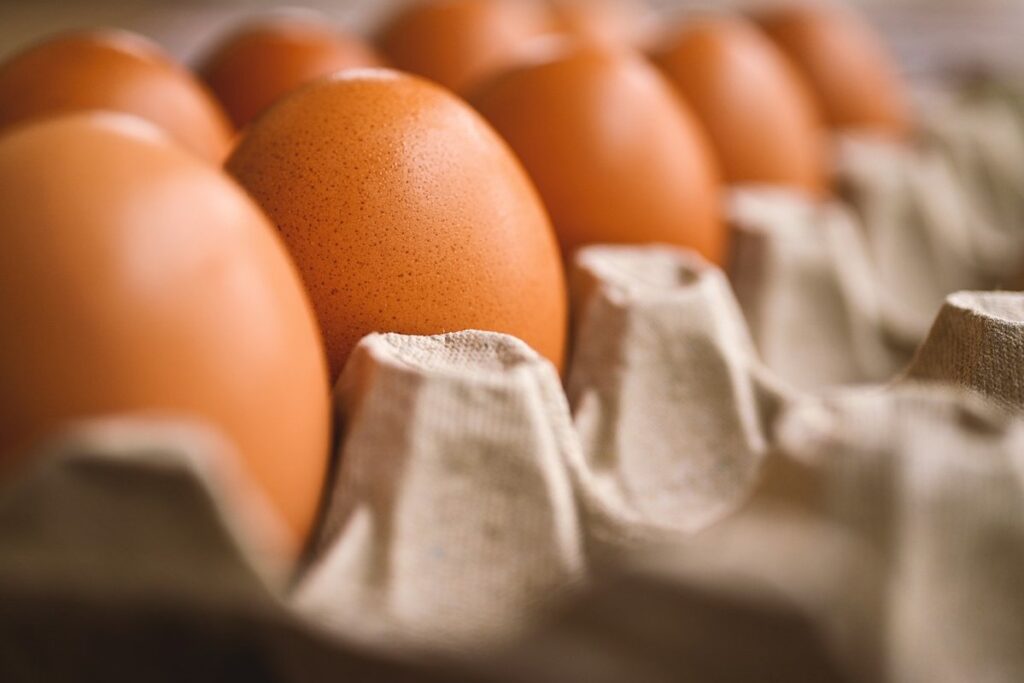
Understanding Egg Handling
Proper egg handling is crucial for maintaining their freshness and quality. In this section, we’ll explore the do’s and don’ts of collecting and storing eggs to keep them safe and healthy.
The Importance of Cleanliness in Egg Handling
Maintaining cleanliness throughout the egg handling process is crucial to prevent contamination and breakage. Dirty equipment, surfaces, and hands can spread bacteria and other microorganisms that can lead to the contamination of eggs. This not only affects the quality and safety of the eggs but also has economic implications for farms and producers.
A single contaminated egg can cause a batch to be rejected, resulting in financial losses. Furthermore, poor hygiene practices can lead to the introduction of diseases such as salmonella into the flock, posing a risk to both human health and animal welfare.
To maintain cleanliness during egg handling, it’s essential to follow proper sanitation procedures. This includes washing hands regularly, cleaning equipment thoroughly after each use, and ensuring that storage facilities are well-ventilated and free from pests. Regular inspections of storage areas should also be carried out to identify any potential sources of contamination. By prioritizing cleanliness throughout the egg handling process, farms can minimize the risk of contamination and breakage, resulting in higher-quality eggs and reduced economic losses.
Identifying Freshness: Visual Cues for Egg Quality
When evaluating egg freshness, it’s essential to look beyond just the expiration date. Visual cues can provide valuable insight into an egg’s quality and age. One of the most critical indicators is a crack-free shell. Eggs with cracks or visible damage should be discarded immediately, as they can compromise the interior’s safety.
Another crucial aspect is the appearance of the whites. Fresh eggs will have clear or slightly cloudy whites, while older eggs may develop a more pronounced cloudiness or even an almost milky appearance. If you’re unsure about an egg’s freshness, gently swirl it in a bowl of cold water. A fresh egg will sink to the bottom and lie flat on its side, while a less fresh one will stand on end.
Remember that these visual cues are not foolproof, but they can significantly enhance your judgment when determining egg freshness.
Types of Eggs and Storage Considerations
When it comes to collecting eggs, understanding different types is crucial, as well as knowing how to store them properly for maximum freshness. Let’s dive into the specifics!
Breeds and Sizes: How They Impact Storage
When it comes to storing eggs, the breed and size of the egg can significantly impact storage conditions. For instance, eggs from larger breeds like Leghorns tend to have a higher moisture content than those from smaller breeds like Orpingtons. This means that Leghorn eggs may require more frequent rotation and monitoring of humidity levels to prevent condensation buildup.
On the other hand, smaller eggs often have a lower moisture content, making them more resistant to spoilage. However, their smaller size can make them more prone to damage during storage and handling.
To accommodate these differences, it’s essential to consider the breed and size of your egg collection when developing a storage plan. For example, you may need to adjust the frequency of rotation or the type of storage containers used based on the specific needs of each breed. By taking these factors into account, you can optimize storage conditions and ensure the longevity and quality of your eggs.
In terms of rotation strategies, it’s crucial to store eggs from different breeds in separate sections or compartments to prevent cross-contamination and maintain optimal humidity levels. This may involve using egg cartons or containers specifically designed for different breed sizes or types.
Temperature Sensitivity in Egg Storage
When it comes to storing eggs, temperature sensitivity is a crucial factor to consider. The ideal storage temperature for eggs is between 32°F (0°C) and 40°F (4°C). This range allows for the slow release of moisture from the eggs, which helps prevent bacterial growth and spoilage.
If you store eggs at temperatures above 45°F (7°C), the risk of spoilage increases significantly. This is because bacteria such as Salmonella can multiply rapidly between 40°F (4°C) and 90°F (32°C). On the other hand, storing eggs at temperatures below 32°F (0°C) can cause moisture to condense on the eggshell, leading to a condition known as “sweating.” This can create an ideal environment for bacteria to grow.
To maintain optimal storage conditions, it’s essential to store eggs in a well-ventilated area with consistent temperature. Avoid storing eggs near direct sunlight, ovens, or refrigerators with fluctuating temperatures. By keeping your egg storage at the right temperature, you’ll be able to enjoy fresh and safe eggs for a longer period.
Storage Container Options
When it comes to storing eggs, choosing the right container is crucial for maintaining freshness and preventing breakage. Here are some storage container options to consider.
Reusable Containers vs. Single-Use Bags
When it comes to storing eggs, one crucial decision is whether to use reusable containers or single-use bags. While both options have their advantages and disadvantages, understanding the differences can help you make an informed choice.
Reusable containers are a popular option for egg storage due to their durability and versatility. They can be used multiple times, reducing waste and saving you money in the long run. However, they may require more maintenance than single-use bags, as they need to be regularly cleaned and sanitized to prevent bacterial growth.
Single-use bags, on the other hand, offer convenience and are often more cost-effective upfront. However, their disposable nature contributes to a significant amount of waste, with millions of plastic bags ending up in landfills each year. Additionally, single-use bags can tear easily, potentially causing egg damage or breakage during transport or storage.
If you opt for reusable containers, make sure to choose ones that are specifically designed for egg storage and follow the manufacturer’s guidelines for cleaning and maintenance. Consider using a container with a lid or seal to prevent moisture and contamination. If single-use bags are your preferred choice, look for biodegradable or compostable options to minimize their environmental impact.
Material Considerations: Breathability, Odor Resistance
When it comes to storing eggs, the material of the storage container plays a crucial role in maintaining their freshness and cleanliness. Different materials offer varying levels of breathability and odor resistance, which can impact the quality of your stored eggs.
Breathability is essential in egg storage containers as it allows for airflow, helping to prevent moisture buildup and subsequent mold growth. Containers made from breathable materials such as mesh or perforated plastic are ideal for storing eggs. These types of containers allow air to circulate around the eggs while keeping them clean.
On the other hand, some materials can retain odors, which can transfer to your stored eggs. Non-porous materials like stainless steel and hard plastics are effective at preventing odor absorption, making them suitable options for egg storage.
When selecting a material for your egg storage container, consider the trade-off between breathability and odor resistance. For example, mesh containers offer excellent airflow but may not be suitable for storing eggs in humid environments due to their inability to retain odors.
Storage Conditions and Locations
When it comes to storing eggs, proper conditions and locations are crucial to maintaining their quality. Let’s explore how to choose the best storage spot for your fresh eggs.
Humidity Levels and Egg Safety
Proper humidity levels are crucial when storing eggs to prevent moisture-related issues. Excess moisture can lead to mold or slime formation on the eggshell, which not only affects their appearance but also compromises their safety for consumption.
As a general rule of thumb, the ideal storage environment for eggs should have a relative humidity level between 60% and 70%. This range helps maintain the natural moisture balance on the eggshell. When storing eggs in a refrigerator, ensure that the appliance maintains this optimal humidity level to prevent condensation from forming.
It’s worth noting that extreme humidity levels can have adverse effects. If the environment is too dry (below 50%), eggs may become dehydrated and develop cracks. Conversely, if it’s excessively humid (above 80%), moisture can penetrate through the shell, posing a risk of bacterial contamination.
To maintain optimal storage conditions, store eggs in their original carton or container with ventilation holes to facilitate airflow. This setup helps regulate humidity levels within the storage area, reducing the likelihood of moisture-related issues.
Proper Rotation Techniques for Long-Term Storage
When it comes to long-term storage of eggs, proper rotation techniques are crucial to prevent breakage and ensure even weight distribution. Imagine a stack of eggs, with the heaviest ones at the bottom and the lightest on top – this unevenness can cause pressure points that increase the risk of cracking.
To mitigate this issue, rotate your stored eggs regularly. We recommend doing this every 7-10 days. Simply move the eggs from one end to the other or rearrange them in a different pattern to redistribute the weight evenly. This simple task makes all the difference in maintaining egg stability and preventing breakage.
Another way to ensure stable storage is to store eggs in a single layer, with each egg touching another. This might seem counterintuitive, but it actually helps prevent pressure points that lead to cracking. By doing this, you’re creating an environment where eggs can be stacked safely without risking damage.
Handling and Transporting Eggs Safely
When handling eggs, you need to be gentle to prevent damage and contamination, so let’s take a closer look at safe transporting methods.
Preventing Breakage During Transportation
When transporting eggs, preventing breakage during shipment or travel is crucial to maintaining their quality and ensuring food safety. One of the most effective ways to prevent egg breakage is by using proper packaging materials.
Opt for sturdy boxes specifically designed for egg transportation. These boxes have individual compartments that cushion each egg, minimizing movement and impact during transit. You can also use foam inserts or paper fillers to provide additional cushioning.
When packing eggs, it’s essential to handle them gently and place them in the box carefully. The pointed end of the egg should face up, and the eggs should be packed tightly but not excessively. This helps prevent movement within the box during transport.
During transportation, maintain a consistent refrigerated temperature between 32°F and 40°F (0°C and 4°C). Avoid exposure to direct sunlight, extreme temperatures, or humidity fluctuations, as these can cause egg breakage and compromise their quality.
To further minimize risk, consider using specialized egg transportation containers with built-in insulation and climate control. These containers maintain a consistent temperature and humidity level throughout the journey, ensuring eggs arrive at their destination in excellent condition.
Maintaining Egg Freshness During Shipping or Travel
Maintaining egg freshness during shipping or travel is crucial to ensure they remain safe for consumption upon arrival. When eggs are transported over long distances, it’s essential to maintain consistent refrigeration temperatures between 32°F and 40°F (0°C and 4°C). This temperature range helps slow down the metabolic processes that cause eggs to spoil.
It’s also vital to monitor egg freshness during extended storage periods. A good indicator of freshness is the ‘Sell By’ or ‘Use By’ date printed on the carton. Check for any visible signs of damage, such as cracks or broken shells. Keep in mind that even if an egg looks fine, bacteria can still be present inside.
To maintain egg freshness during shipping or travel:
* Store eggs in a single layer to prevent them from rolling around and breaking.
* Avoid stacking cartons on top of each other, as this can cause pressure on the eggs.
* Monitor temperature fluctuations and adjust storage conditions accordingly.
* Keep eggs away from strong-smelling foods, as they can absorb odors easily. By following these tips, you can help maintain egg freshness during shipping or travel and ensure they remain safe for consumption upon arrival.
Monitoring and Discarding Eggs
Now that you have a stash of fresh eggs, it’s essential to monitor their quality regularly. In this next step, we’ll cover how to check for spoilage and when it’s time to discard your eggs.
Checking for Spoilage: Signs and Symptoms
When it comes to checking for spoiled eggs, there are several signs and symptoms you can look out for. One of the most obvious indicators is visible mold growth on the egg. Check the egg for any white or greenish patches, as these can be a sign that bacteria have taken hold.
Another giveaway is an unusual odor emanating from the egg. If it smells strongly of sulfur or has a pungent smell, it’s likely gone bad. You can also check the texture of the egg by gently pressing on it with your finger. A spoiled egg will often feel slimy or soft to the touch.
In addition to these visual and tactile cues, you should also be mindful of unusual sounds coming from the refrigerator where the eggs are stored. If you notice a faint cracking or hissing noise, it could indicate that one or more eggs have ruptured and are leaking into the surrounding area.
When in doubt, it’s always best to err on the side of caution and discard any eggs that show signs of spoilage. Better safe than sorry!
Disposing of Expired or Spoiled Eggs Safely
When eggs expire or become spoiled, it’s essential to dispose of them safely to prevent contamination and ensure proper food waste management. Expired eggs may still look and smell fine, but their interior quality can be compromised.
Always check the expiration date on the carton before consuming eggs. If an egg has cracked, even slightly, discard it immediately as bacteria can enter through the crack. For spoiled or expired eggs with visible signs of mold, slime, or an off smell, err on the side of caution and dispose of them.
To safely dispose of expired or spoiled eggs:
* Wrap each egg tightly in plastic wrap or aluminum foil to prevent leakage and spills during disposal.
* Place the wrapped eggs in a leak-proof bag or container to contain any potential mess.
* Dispose of the wrapped eggs in your regular trash, making sure to follow local guidelines for food waste collection.
Properly disposing of expired or spoiled eggs not only prevents contamination but also maintains good hygiene practices.
Tips for Small-Scale Egg Producers and Consumers
If you’re a small-scale egg producer or consumer, you’ll appreciate these practical tips on how to collect and store eggs safely and efficiently at home. Here’s how to get started with the best practices for your needs.
Home Storage Solutions: DIY and Commercial Options
When it comes to storing eggs, you’ll want to consider options that balance convenience, safety, and cost-effectiveness. As a small-scale egg producer or consumer, you may be weighing DIY solutions against commercial products.
For those looking for budget-friendly alternatives, creating a home storage system using items like wooden crates, plastic bins, or even repurposed containers can be an attractive option. However, ensure that these materials are food-grade and meet local regulations regarding egg storage. For instance, you might line the bottom of a crate with newspaper or paper towels to absorb any potential moisture.
Commercial products offer several advantages, including easy cleaning and precise temperature control. Consider investing in a refrigerated egg keeper or an automated turner to streamline your collection process. These solutions can help minimize breakage and maintain egg quality over longer storage periods. Some popular commercial brands include Egg Minder, CoolCrate, and Carter’s Egg Keeper.
When selecting either DIY or commercial options, consider factors like space constraints, humidity control, and ease of maintenance to ensure that you’re choosing the best fit for your specific needs. By weighing these points, you can make informed decisions about how to store your eggs safely and efficiently.
Best Practices for Maintaining a Long-Term Egg Supply
Maintaining a steady egg supply is crucial for small-scale egg producers and consumers alike. To achieve this, it’s essential to select breeds that are known for their high productivity and gentle nature. For example, Leghorns are popular choices due to their ability to lay an average of 280-300 eggs per year.
Nutrition also plays a vital role in maintaining a long-term egg supply. Ensure that your flock has access to a balanced diet rich in calcium, protein, and other essential nutrients. A lack of these nutrients can lead to reduced egg production and overall health issues. Provide a high-quality layer feed as the main staple, supplemented with fresh fruits and vegetables daily.
Health management is another critical aspect to consider. Regularly inspect your flock for signs of illness or injury and maintain a clean and hygienic coop environment. Implement a vaccination program to protect against common diseases such as salmonella and E. coli. By prioritizing breed selection, nutrition, and health management, you can establish a reliable egg supply that meets the demands of both producers and consumers. Regularly collect and store eggs properly to ensure their quality and safety.
Frequently Asked Questions
Can I store eggs at room temperature for a few hours before refrigeration?
Yes, it’s safe to store eggs at room temperature (around 70-75°F) for up to 2 hours before refrigeration. However, if you live in a warm climate or the eggs will be stored at room temperature for longer than 2 hours, it’s best to chill them first.
How do I handle eggs that have been exposed to extreme temperatures during transportation?
Eggs should be kept away from direct sunlight and heat sources during transport. If they are exposed to extreme temperatures, make sure to inspect them carefully before storage. Discard any eggs with visible signs of cracking or damage, as bacteria can multiply rapidly in damaged eggs.
Are there specific humidity levels I should maintain when storing eggs?
Yes, maintaining a consistent humidity level is crucial for long-term egg storage. The ideal humidity range is between 50-60%. You can achieve this by storing eggs in a sealed container with silica gel or using a breathable storage bag designed specifically for egg storage.
Can I wash and dry eggs before storing them, even if they’re clean?
Yes, washing and drying eggs before storage can help prevent bacterial contamination. Use cold water and a soft cloth to gently wipe away any dirt or debris. Dry the eggs thoroughly with a clean towel or let them air-dry on a wire rack.
How often should I check stored eggs for signs of spoilage?
Regularly inspect your stored eggs every week or two, depending on storage conditions and egg age. Check for visible signs of cracking, mold, or slime on the eggs. If you notice any of these symptoms, discard the affected eggs immediately to prevent contamination.