
Are you tired of wondering which chicken breeds will give you the perfect eggs? From classic whites to vibrant blues and greens, the possibilities are endless. But have you ever stopped to think about how your chicken breed affects the color of their eggs? It’s not just a matter of luck – certain breeds are naturally more likely to produce eggs in specific colors. If you’re looking to add some variety to your egg carton or simply want to know what to expect from your flock, we’ve got you covered. Our comprehensive guide will walk you through the world of chicken breed and egg color, highlighting the key factors that influence this fascinating phenomenon. With our help, you’ll be well on your way to selecting breeds that match your desired egg colors and enjoying a more diverse and delicious egg basket.
Introduction to Egg Color and Breeds
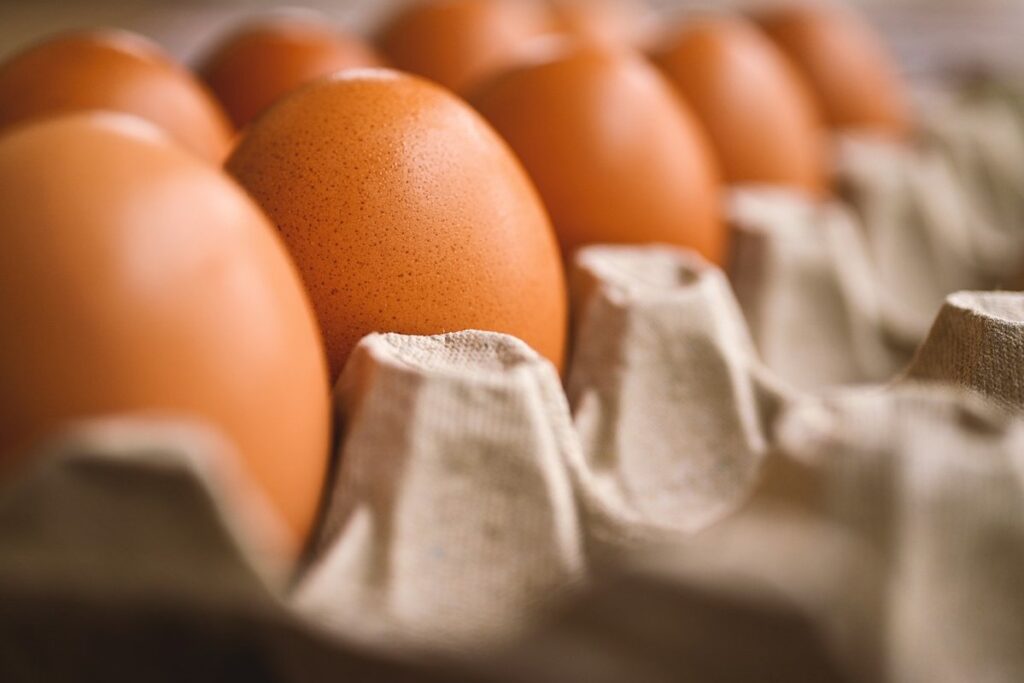
Welcome to our guide on egg color by chicken breed chart! Here, we’ll explore how different breeds produce their signature eggshell colors.
Importance of Egg Color in Poultry Keeping
When it comes to poultry keeping, egg color is more than just a cosmetic consideration. It’s an important factor that can impact the nutritional value and quality of your eggs. For instance, eggs with dark pigmentation, such as those from Marans or Welsummers, contain higher levels of antioxidants like lutein and zeaxanthin. These compounds are essential for eye health in both humans and chickens.
Additionally, egg color is often linked to breed characteristics. For example, the genetic makeup of Araucanas produces the blue pigment that gives their eggs their distinctive blue-green color. In contrast, some breeds like Leghorns tend to lay lighter-colored eggs due to their genetic predisposition.
As a poultry keeper, it’s essential to consider egg color when selecting breeds for your flock. Not only can dark-pigmented eggs have nutritional benefits, but they can also be more visually appealing in the market or at farmer’s markets. If you’re looking to maximize both the quality and appearance of your eggs, understanding the importance of egg color is a great place to start.
Overview of Common Chicken Breeds
When it comes to keeping chickens for their eggs, there are several popular breeds that are known for their impressive egg-laying abilities. Let’s take a look at some of the most common chicken breeds and what you can expect from them.
Leghorns, for example, are one of the most well-known egg-layers. They’re lightweight, easy to manage, and can produce up to 300 large white eggs per year! Their high egg production is due in part to their fast metabolism and ability to consume a lot of food without getting fat.
Rhode Island Reds are another popular breed for backyard chicken keepers. Known for their friendly and docile nature, they’re a great choice for families or beginners. They lay around 200 large brown eggs per year and are relatively low maintenance when it comes to grooming and health issues.
Barred Rocks, on the other hand, are known for their hardiness and resistance to disease. They’re also great egg-layers, producing around 200-220 large brown eggs per year. Their friendly personalities make them a favorite among chicken keepers.
These breeds are just a few examples of the many wonderful chicken varieties out there. Each has its own unique characteristics, temperament, and egg-laying abilities, so it’s essential to research and choose a breed that fits your lifestyle and needs. By doing so, you’ll be able to enjoy the benefits of backyard chickens while also getting plenty of fresh eggs!
Factors Influencing Egg Color
When it comes to egg color, several key factors come into play, influencing the shades and hues of your flock’s eggs. Let’s dive into these essential influences on egg color.
Pigmentation Genes and Egg Yolk Color
The pigmentation genes responsible for egg yolk color are a fascinating topic. Xanthophylls and carotenoids play crucial roles in determining the shades of yellow, pink, and red you see when cracking open an egg.
Xanthophylls, such as lutein and zeaxanthin, contribute to the yellow hue of egg yolks. These compounds are derived from the diet of the chicken, particularly leafy greens and algae-rich feed. Carotenoids, including beta-carotene and astaxanthin, influence the depth of color and saturation. When carotenoids accumulate in the yolk, they can produce a range of yellow shades, from light cream to deep golden.
But that’s not all – other compounds like riboflavin (B2) also contribute to the egg yolk’s color profile. While these pigments may seem minor, their effects can be significant. For instance, feeding hens with high levels of beta-carotene can result in eggs with vibrant orange or reddish hues.
As a backyard chicken keeper, you can experiment with different feed sources and supplements to influence the egg yolk colors of your flock. By understanding how pigmentation genes work, you’ll be better equipped to fine-tune their diet for the perfect shade of yellow – whether it’s a soft buttery tone or a deep golden hue!
Shell Color and Eggshell Membrane
The color of a chicken’s eggshell is not just a matter of aesthetics; it’s also influenced by genetics, diet, and environmental factors. The shell color can range from creamy white to deep brown, with various shades of pink and blue in between. Genetics play a significant role in determining the eggshell color, as some breeds are known for their distinctive egg colors. For example, Araucana chickens are famous for laying blue eggs due to a genetic trait that affects the production of porphyrins.
Diet also plays a crucial role in influencing eggshell color. Chickens that consume more beta-carotene-rich foods will produce darker-colored eggs. On the other hand, those with limited access to sunlight may lay lighter-colored eggs. Environmental factors such as temperature and humidity can also impact eggshell color. For instance, a sudden change in temperature or humidity can cause a chicken’s egg production to shift towards laying lighter-colored eggs.
The eggshell membrane is a thin, translucent layer that separates the shell from the albumen (egg white). It plays a vital role in maintaining egg quality by providing a barrier against bacteria and other contaminants. A healthy eggshell membrane is essential for producing high-quality eggs with intact shells and clean, healthy contents.
Breed-Specific Egg Colors
Let’s explore how different breeds of chickens produce eggs in a range of stunning colors, from blue to pink to green. We’ll break down the most notable breed-specific egg colors for you.
White Eggs from White Breeds
White breeds of chickens are known for their ability to lay white eggs. One of the most well-known and prolific egg layers is the Leghorn breed. These birds can produce up to 300 large, white eggs per year. Their high egg production rate makes them a popular choice among backyard chicken keepers.
Another white breed that’s gaining popularity is the Polish. This breed is known for its unique appearance, with feathered heads and crests. Despite their gentle nature, Polishes are prolific layers, producing around 200 large, white eggs per year. They’re also relatively low-maintenance birds, requiring less space and care than some other breeds.
The Campine breed is another example of a white egg layer. Originating from Belgium, this breed is known for its high egg production rate and ability to thrive in small spaces. Campines can produce around 200 large, white eggs per year and are also considered to be relatively quiet birds.
In general, white breeds tend to have similar characteristics that contribute to their ability to lay white eggs. These include a low concentration of pigment-producing cells in the ovaries and a specific type of eggshell formation. By choosing a white breed, backyard chicken keepers can expect consistent production of large, white eggs throughout the year.
Brown and Tinted Eggs from Various Breeds
Brown and tinted eggs are not only a delight to behold but also a testament to the incredible diversity of chicken breeds. When it comes to brown and tinted eggs, you’ll find that breeds like Rhode Island Reds, Barred Rocks, and Australorps consistently produce eggs in these shades.
Genetically, egg color is determined by multiple genes working together. The production of brown pigment in eggs is influenced by the presence or absence of certain enzymes and pigments. For example, the gene responsible for the production of the yellow pigment carotenoid interacts with another gene that controls the distribution of melanin, resulting in a range of brown egg colors.
Rhode Island Reds, as one of the most popular breeds, consistently lay light to dark brown eggs due to their high concentration of melanin. Barred Rocks, on the other hand, produce eggs with a pinkish-brown tint due to their genetic makeup. Meanwhile, Australorps are known for laying large, pale brown eggs.
To encourage your own flock to lay these stunning eggs, make sure they have access to adequate nutrition and sunlight. A balanced diet rich in vitamins and minerals will help enhance the natural pigmentation of your hens’ eggs.
Breed-Specific Egg Colors (continued)
Let’s dive into some specific breeds known for their unique and vibrant egg colors, from blue to green and beyond. You’ll find a mix of expected and unexpected color varieties within these breed groups.
Blue and Green Eggs from Rare Breeds
One of the most fascinating and unique aspects of rare chicken breeds is their ability to lay blue or green eggs. Two such breeds that stand out are the Araucana and Ameraucana. These birds owe their distinctive egg-laying abilities to a specific genetic trait known as the ‘arista’ gene, which causes their oviducts to produce eggs with blue or green pigmentation.
The Araucana is one of the most well-known breeds for laying blue eggs. Originating from South America, this breed has been prized for its unique egg-laying abilities for centuries. They are known to be friendly and docile birds, making them a great addition to backyard flocks. In terms of egg production, Araucanas are prolific layers, producing an average of 180-200 eggs per year.
The Ameraucana is another breed that shares the same genetic trait as the Araucana, resulting in blue or green eggs. They are known for their hardiness and adaptability to various climates, making them a popular choice among chicken enthusiasts. Ameraucanas are also known to be friendly and social birds, thriving in the company of humans.
When considering adding one of these breeds to your flock, keep in mind that they require regular maintenance and care. With proper attention, they can become beloved members of your family. If you’re looking to add a touch of uniqueness to your egg-laying operation, consider giving one of these rare breeds a try.
Other Unique Egg Colors and Patterns
While many breeds produce brown and white eggs, some unique egg colors and patterns are produced by specific breeds. Olive eggs, for instance, are a result of the interaction between two genes responsible for egg production: the Brown gene (B) and the Inhibitor gene (I). The combination of these genes produces a range of olive shades in egg yolks.
Peach and pink eggs are also produced by certain breeds due to variations in the genetic makeup. For example, the Marans breed’s dark brown or chocolate-brown eggs get their color from the interaction between the Brown gene (B) and other genes influencing pigment production. Similarly, the Ameraucana breed produces blue-green eggs due to a genetic trait known as the “blue egg gene.” This unique characteristic is a result of the presence of oocyanin, a pigment that gives the eggs their distinctive color.
These unusual colors offer a fascinating look into the complexities of genetics in chicken breeds and can be a great draw for backyard chicken keepers looking to add some variety to their flocks.
Tips for Breeding or Keeping Chickens with Desired Egg Colors
If you’re looking to breed or keep chickens that lay a specific egg color, understanding their genetics is crucial. This section will offer valuable tips on how to achieve your desired results.
Selecting Birds for Egg Color Traits
When selecting birds from reputable breeders for their egg color traits, it’s essential to consider proper breeding practices and genetics. Consistent egg colors are a result of careful selection and breeding over generations. To achieve the desired egg color characteristics, you’ll need to choose breeds known for laying eggs in those specific hues.
For instance, if you’re looking for blue or green eggs, breeds like Araucana or Ameraucana would be an excellent choice. However, these birds can only produce blue eggs due to their genetic makeup. If you want a mix of egg colors, consider breeding birds from different heritage lines that have been specifically bred for their unique traits.
When selecting birds, ask your breeder about the specific genetics behind the desired trait. Ensure they follow proper breeding practices and provide documentation on the bird’s lineage. This will give you a better understanding of what to expect from the eggs produced by your flock.
Care and Management Practices Affecting Egg Color
When it comes to breeding or keeping chickens with desired egg colors, understanding the impact of care and management practices is crucial. Nutrition plays a significant role in determining egg color. For example, chickens that eat a diet rich in lycopene, a pigment found in tomatoes, will produce more eggs with a reddish tint. On the other hand, a lack of sufficient calcium can lead to pale or washed-out colors.
Proper health and hygiene practices are also vital. For instance, managing parasites like mites or lice can prevent them from affecting egg color by feeding on the chicken’s skin and causing stress. Additionally, ensuring access to clean water and providing a balanced diet will help maintain your flock’s overall well-being.
Environmental factors such as temperature, humidity, and light exposure can also impact egg color. For example, extreme heat or cold stress can cause eggs to have less vibrant colors. By controlling these variables and creating a suitable environment for your chickens, you can enhance the desired egg colors. This includes providing enough calcium-rich feed, ensuring access to UV light, and maintaining optimal temperature ranges.
It’s also essential to understand that different breeds may respond differently to various care practices. For example, some breeds are more sensitive to light exposure than others. By knowing your breed-specific needs, you can tailor your care and management strategies to achieve the desired egg colors.
Conclusion: Navigating the World of Egg Color by Breed
Now that you’ve got a solid understanding of egg color inheritance, let’s wrap up our guide by helping you navigate the diverse world of egg colors associated with different chicken breeds.
Recap of Key Points
To recap, let’s review the key points covered in this comprehensive guide. We explored the fascinating world of egg color by chicken breed, delving into the genetic and environmental factors that influence the colors we see.
From our discussion on genetics, you learned that egg color is primarily determined by a combination of genes inherited from your flock’s parents. Certain breeds, such as Marans and Welsummers, have a natural genetic predisposition to laying dark brown or chocolate-colored eggs due to their high levels of porphyrins.
On the other hand, we discussed how environmental factors can also impact egg color. Exposure to certain diets, lighting conditions, and even the chicken’s age can affect the intensity or change of the eggshell color. For instance, a lack of vitamin A in your flock’s diet can lead to lighter-colored eggs.
In our breed-specific section, you discovered that different breeds have unique characteristics when it comes to egg color. Some breeds, like Araucanas and Ameraucanas, lay blue-green eggs due to their genetic makeup.
Final Thoughts on Choosing the Right Breeds for Your Needs
Choosing the right chicken breeds for your needs is crucial when it comes to achieving the desired egg colors. For backyard keepers, commercial producers, and breeders alike, understanding the specific characteristics of each breed can make all the difference.
When selecting breeds for a small flock or personal farm, consider the color palette you’re aiming for. If you want brown eggs, focus on breeds like Marans, Welsummers, or Barnevelders. For blue eggs, choose breeds like Araucanas or Ameraucanas. Remember to also consider factors such as egg quantity, size, and hardiness.
Commercial producers should prioritize breeds that meet specific production requirements. For example, Leghorns are renowned for their high egg-laying capacity and white eggs, making them a popular choice. However, if you’re aiming for colored eggs, look into breeds like Marans or Barnevelders.
Ultimately, choosing the right breed is about matching your needs with the characteristics of each breed. Consider consulting reputable sources, joining online forums, or seeking advice from experienced chicken keepers to find the perfect fit for your operation.
Frequently Asked Questions
Can I expect egg color consistency from my flock, or will it vary?
Consistency in egg color can depend on several factors, including breed, age, diet, and health. While some breeds are more likely to produce consistent colors, others may show more variation. To encourage consistency, provide a balanced diet, ensure good health, and consider maintaining a smaller flock size.
How do I determine which chicken breeds will give me the eggs I want?
Consider factors like breed characteristics, egg color inheritance patterns, and desired egg production levels when selecting breeds. Research specific breeds known for their unique egg colors and factor in their temperaments, space requirements, and management needs to make informed decisions.
Can I influence my chickens’ egg color through nutrition or supplements?
While diet plays a crucial role in overall health, it has little direct impact on eggshell pigmentation. However, a balanced diet rich in essential nutrients will contribute to healthy hens that produce high-quality eggs with consistent colors. Avoid using supplements as a means to manipulate egg color.
What are the implications of selecting breeds based solely on egg color?
Prioritizing egg color can lead to overlooking other important factors like temperament, egg production levels, and disease resistance. Consider a balanced approach that combines desired traits with practical considerations to ensure a thriving and diverse flock.
How do I know which pigmentation genes affect egg yolk color versus shell color?
Pigmentation genes primarily influence eggshell color; those affecting egg yolk color are fewer in number and less well-studied. Research indicates that certain breeds exhibit strong correlations between yolk color and specific genetic markers, but more research is needed to fully understand these interactions.