
As an incubator user, you know how crucial a well-executed egg turning schedule is to the success of your breeding program. A reliable turn schedule can significantly boost fertility rates and hatchability, while minimizing hatching failures and chick mortality. But creating such a schedule isn’t always easy – especially if you’re new to incubation or haven’t found what works best for your setup yet. This guide will walk you through the essential steps of crafting an optimal egg turning schedule that adapts to your specific needs, helps track progress, and overcomes common challenges. With this comprehensive approach, you’ll be empowered to fine-tune your incubator’s performance, ensure hatching success, and give your chicks the best possible start in life.
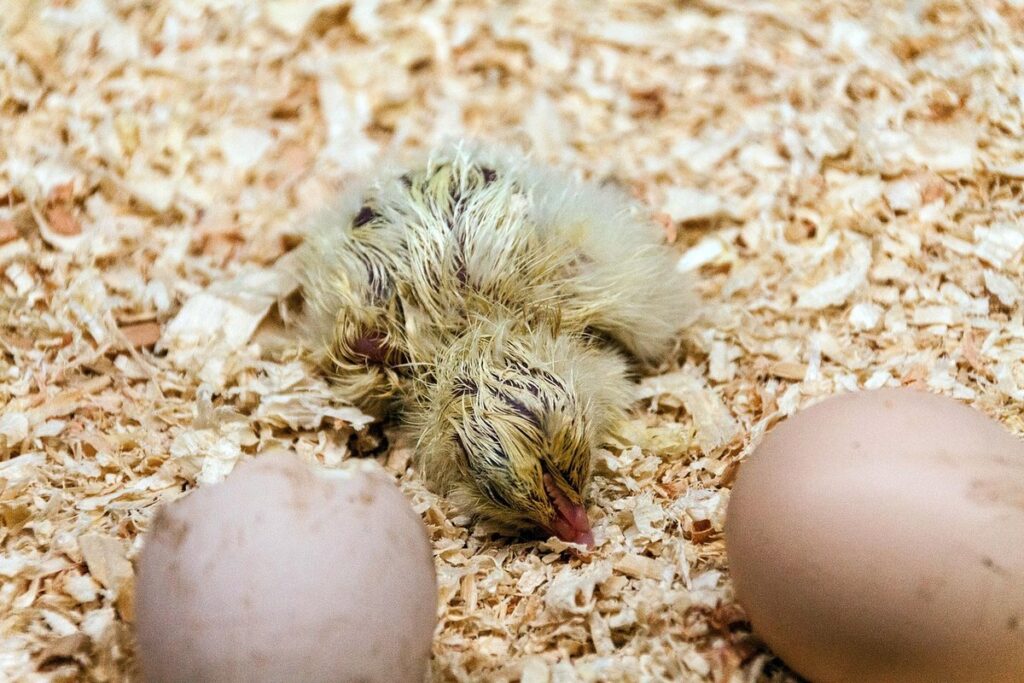
Understanding the Importance of Proper Egg Turning
Proper egg turning is crucial for even development and hatching success, so let’s explore why it matters and what to expect. This will set the stage for creating an effective incubator schedule.
Benefits of Regular Egg Turning
Regular egg turning is crucial for successful incubation, and its benefits extend far beyond just keeping eggs from sticking to the turner. When you regularly turn your eggs, you’re giving them a significant boost in embryonic development.
Let’s start with fertility rates – when eggs are turned regularly, it increases the chances of a fertile egg developing into an embryo. In fact, studies have shown that embryos developed 24 hours faster in eggs turned regularly compared to those left stationary. This is because turning stimulates blood flow and oxygenation within the egg, promoting healthy development.
The impact on hatchability is equally significant. With regular egg turning, you can expect a higher percentage of successful hatch rates. This is largely due to the reduced risk of embryonic malposition – a common problem that occurs when an embryo develops in an abnormal position, leading to poor hatching success.
By incorporating regular egg turning into your incubation schedule, you’re essentially giving your embryos the best possible chance at developing properly and successfully hatching.
Common Mistakes in Egg Turning
Egg turning is a crucial aspect of incubation, and making common mistakes can significantly impact hatching success. Incorrect turning frequencies are one of the most critical errors that can occur. Turning eggs too frequently can cause stress to the embryo, while infrequent turning may lead to uneven development. The ideal turning schedule varies depending on the type of incubator and egg temperature.
Some other common mistakes include improper incubator setup, inadequate temperature control, and neglecting humidity levels. For instance, if the incubator is set at an excessively high temperature, it can cause embryos to develop too quickly, leading to poor hatching success. Similarly, underestimating or overestimating humidity levels can lead to dehydration or fungal growth on the eggs.
To avoid these mistakes, it’s essential to carefully follow the manufacturer’s guidelines for your specific incubator model and to regularly monitor temperature, humidity, and turning schedules. By doing so, you’ll be able to provide optimal conditions for egg development and increase hatching success rates.
Choosing the Right Egg Turning Schedule
When it comes to selecting the perfect egg turning schedule, you’ll want to consider your incubator’s capacity and the needs of the specific breed you’re hatching. Let’s dive into the factors that influence this crucial decision.
Manual vs Automated Incubators
When it comes to egg turning schedules, one of the most critical decisions you’ll make is whether to use a manual or automated incubator. Both types have their advantages and disadvantages, which we’ll break down below.
Manual Incubators
Manual incubators require you to turn eggs by hand at regular intervals. This can be a time-consuming process, especially if you’re hatching large numbers of eggs. However, some breeders swear by manual turning as it allows for more flexibility in terms of schedule and temperature control. If you only have a small number of eggs or prefer a hands-on approach, a manual incubator might be the way to go.
Automated Incubators
On the other hand, automated incubators use sensors and motors to turn eggs at set intervals. This can save you time and reduce fatigue, making it ideal for larger operations or busy breeders. Automated incubators often come with additional features like temperature control and humidity monitoring, which can help optimize hatch rates.
When deciding between manual and automated, consider your specific needs and goals. If you’re just starting out or have limited space, a manual incubator might be more feasible. However, if you plan on scaling up your operation or want the convenience of hands-free turning, an automated incubator is likely the better choice.
Factors Influencing the Egg Turning Schedule
When choosing an egg turning schedule, several factors come into play to determine the optimal frequency and timing. The breed and size of the eggs are crucial considerations. For example, smaller breeds like Bantams require more frequent turns than larger breeds like Leghorns. Similarly, smaller eggs may need to be turned every 6-8 hours, while larger eggs can go for 12-18 hours between turns.
Temperature fluctuations in the incubator also impact the egg turning schedule. If the temperature is consistently above or below the recommended range, it’s best to adjust the turn frequency accordingly. This ensures that the developing embryo isn’t subjected to unnecessary stress. Additionally, if you’re using an automated incubator, you may need to consider its level of sophistication and adjust your egg turning schedule accordingly.
It’s essential to monitor these factors and adjust your egg turning schedule as needed to ensure optimal hatch rates and healthy chicks.
Developing a Customized Egg Turning Plan
To create a customized egg turning plan, you’ll need to consider your incubator’s specific features and your own unique needs as an egg turner. Let’s break down the key factors to keep in mind.
Calculating the Optimal Turning Frequency
To calculate the optimal turning frequency for your incubator, you’ll need to consider several factors. First, determine the age of the embryos and the type of eggs being turned. For example, if you’re working with chicken eggs, a standard turning schedule is 3-5 times per day between days 1-7.
To calculate the ideal turning frequency for your setup, use the following formula: Turning Frequency (TF) = (Total Eggs x Number of Turns) / Incubation Period. For instance, if you have 24 eggs and want to turn them 6 times a day, with an incubation period of 21 days, the calculation would be TF = (24 x 6) / 21 ≈ 5.7 turns per day.
Keep in mind that this is just an estimate, and actual turning frequency may need to be adjusted based on specific conditions such as temperature fluctuations or uneven egg distribution. Regular monitoring will help you refine your schedule for optimal results.
Integrating Humidity and Temperature Control
When it comes to egg turning schedules, many people overlook one crucial aspect: integrating humidity and temperature control. However, these factors play a significant role in the development of eggs, and neglecting them can lead to poor hatch rates or even embryo loss.
To begin with, let’s discuss how temperature fluctuations affect egg development. As you may know, most incubators are set between 99°F and 100°F (37°C to 38°C). However, during critical periods like candling and hatching, temperature stability is crucial. If the temperature drops or rises significantly, it can cause stress to the embryo, potentially leading to deformities or death.
Similarly, humidity levels also impact egg development. High humidity helps maintain moisture in the egg white, while low humidity causes dehydration. The ideal humidity range for incubation varies between 40% and 60%. To integrate temperature and humidity control into your egg turning schedule, consider using a combination thermometer/hygrometer to monitor both factors simultaneously. This will enable you to make necessary adjustments to ensure stable conditions within the incubator.
By incorporating these elements into your egg turning plan, you’ll be better equipped to provide optimal conditions for successful hatching.
Implementing the Egg Turning Schedule
Now that you’ve created a customized egg turning schedule for your incubator, let’s dive into the nitty-gritties of implementing it successfully and consistently. This is where attention to detail really matters!
Setting Up Your Incubator
When setting up your incubator, it’s essential to follow a few crucial steps to ensure optimal conditions for your eggs. First and foremost, place the eggs in the incubator with the large end pointing upwards. This allows the yolk to stay centered and promotes even development.
Next, set the temperature according to the specific breed of chicken you’re trying to hatch. The standard temperature range is between 99°F (37°C) and 100°F (38°C), but some breeds may require a slightly higher or lower temperature. Consult your incubator’s manual for specific guidance.
Humidity control is also vital, as it helps maintain the perfect environment for embryonic development. Aim for a humidity level of around 50-60% during the first 18 days and increase it to 70-80% for the remaining time. Remember to check the temperature and humidity levels regularly to ensure they remain within the optimal range.
Keep in mind that different incubators may have varying settings, so familiarize yourself with your specific model’s features and requirements. Proper setup is key to successful hatching, so take your time and double-check everything before turning on the incubator.
Performing Regular Maintenance Tasks
Performing regular maintenance tasks is crucial to ensure that both manual and automated egg turners function optimally. This includes cleaning the incubator’s interior, replacing worn-out parts, and checking for proper alignment of turning mechanisms.
When it comes to automated egg turners, pay attention to software updates and sensor calibration. Regularly update your software to take advantage of new features and bug fixes. Calibration ensures that sensors accurately detect temperature fluctuations and humidity levels.
Common issues often arise from improper installation or usage. If an automated egg turner is not turning eggs correctly, check the turning radius and ensure it’s set according to the manufacturer’s guidelines. For manual turners, verify if the eggs are being turned at exactly 180-degree intervals as recommended by most incubators.
Regular maintenance also involves monitoring temperature and humidity levels within the incubator. This includes checking for leaks in the cooling system and ensuring proper air circulation. Keep a log of your maintenance activities to track any issues that may arise and make necessary adjustments accordingly.
Monitoring Progress and Adjusting the Schedule
As you monitor your incubator, it’s essential to track progress and make adjustments to ensure healthy development of your embryos, which is why accurate monitoring is key. Let’s discuss how to do that effectively.
Tracking Egg Development Stages
When tracking embryonic development stages, it’s essential to rely on established guidelines that help you understand what to expect at each stage. The most commonly used system is the Hamburger-Lewis Scale, which divides embryonic development into six distinct stages: Unfertilized egg, Cleavage, Morula, Blastoderm, Heartbeat, and Pipping.
Using a scope or a candling light, observe your eggs carefully to identify these stages. At each stage, make adjustments as necessary to optimize the egg turning schedule. For example, during the cleavage stage (around 24-48 hours after incubation), eggs typically require more frequent turns to prevent adhesion to the shell membrane.
Keep in mind that fertility rates and breed-specific differences can influence developmental timing. As you monitor your eggs, be prepared to adjust the turn frequency based on individual egg progress. For instance, if an egg reaches the heartbeat stage (around 96-102 hours) earlier than expected, it may require less frequent turns to avoid disrupting embryo development.
Regularly monitoring embryonic development allows for more precise adjustments to the egg turning schedule, ultimately leading to healthier hatch rates and better overall incubation outcomes.
Adapting to Unexpected Incubation Challenges
Life can be unpredictable, and even with meticulous planning, unexpected events can occur while incubating eggs. One of the biggest challenges you may face is a sudden power outage or an unexpected temperature fluctuation that requires immediate attention.
If this happens, it’s essential to assess the situation and adjust your egg turning schedule accordingly. For instance, if there’s a power outage during the middle of the day when the eggs are usually turned, wait for at least 30 minutes after the power returns before resuming the regular turning schedule. This allows you to ensure that the incubator has stabilized and the temperature is within the safe range.
In case of an unexpected temperature fluctuation, adjust your egg turning schedule by about 10-15% in the direction opposite to the temperature change. For example, if the temperature rises above the recommended level, reduce the frequency of turns. Conversely, if it drops below the recommended level, increase the frequency of turns. Always prioritize keeping a stable environment for optimal incubation.
Keep in mind that these adjustments should be temporary and only made until the issue is resolved.
Maximizing Hatching Success with Continuous Improvement
To maximize hatching success, it’s essential to continually assess and refine your egg turning schedule based on real-time data from previous incubations. This allows you to identify areas for improvement.
Analyzing Results and Identifying Areas for Improvement
Regularly analyzing your hatching success rates is crucial to identifying areas that need improvement. By monitoring these metrics, you can pinpoint specific factors contributing to failed incubations and make targeted adjustments for future improvements. Start by tracking temperature fluctuations, humidity levels, and turning schedules to ensure consistency.
Compare your results with industry benchmarks or consult online resources like the Poultry Federation’s hatchery data to gauge performance. Identify potential issues, such as inconsistent egg candling, inadequate ventilation, or irregular incubator cleaning. Implementing changes may require slight adjustments to your egg turning schedule, temperature settings, or even the type of equipment used.
Develop a data-driven approach by maintaining detailed records and using software tools like Hatchery Log or Egg Tracker to streamline analysis. Regularly reviewing these metrics will allow you to refine your techniques and optimize future incubations, ultimately leading to higher hatching success rates and healthier chicks.
Staying Up-to-Date with Industry Advancements
Staying up-to-date with industry advancements is crucial to maximizing hatching success. In recent years, significant developments have transformed egg turning technology and best practices. One notable example is the introduction of smart incubators that can automatically adjust egg turning schedules based on factors like temperature, humidity, and embryonic development stage.
These innovations are backed by ongoing research in poultry science. A study published in the Journal of Applied Poultry Research found that egg turning frequencies can be optimized using machine learning algorithms. This means that you don’t have to rely solely on traditional schedules; instead, you can tailor your egg turning schedule to the specific needs of your flock.
To stay informed about these advancements, follow reputable sources like poultry industry publications and academic journals. Attend conferences or workshops where experts share their research and experiences. By doing so, you’ll be able to adapt your egg turning schedule to incorporate new technologies and best practices, ultimately enhancing hatching success rates.
Frequently Asked Questions
What’s the minimum equipment required to start creating a customized egg turning schedule?
To get started, you’ll need a reliable incubator with temperature and humidity controls, as well as an egg turner that can handle your desired frequency. A simple manual turner or even a smartphone app connected to your incubator can help you track progress and adjust the schedule accordingly.
How do I handle unexpected power outages during incubation?
Power outages can be devastating for your breeding program! To mitigate this risk, consider investing in an uninterruptible power supply (UPS) specifically designed for incubators. This will provide a temporary backup power source, allowing you to safely shut down the incubator and prevent damage.
Can I use my existing egg turner with an automated incubator?
Most automated incubators come with their own integrated egg turners or can be paired with third-party devices. However, before switching, check if your current turner is compatible with the new system’s frequency settings to avoid potential conflicts.
What are some key factors I should consider when choosing a manual vs automated egg turning schedule?
Your choice between a manual and automated schedule ultimately depends on your specific needs and resources. If you have limited time or want more control over the process, an automated schedule might be the better option. However, if you’re looking for a cost-effective solution with fewer technical requirements, a manual turner can still provide reliable results.
How do I adjust my egg turning schedule for different breeds or species?
Different bird breeds and species have varying incubation periods and temperature/humidity requirements. Research the specific needs of your target breed to ensure you’re providing optimal conditions for successful hatching. This may involve adjusting frequency, duration, or even switching between manual and automated schedules as needed.