
The wonder of eggs hatching is a miracle that never gets old. For bird enthusiasts, breeders, and even beginners, understanding how eggs hatch can be a fascinating and rewarding experience. The process involves precise temperature control, careful incubation, and meticulous breeding techniques to achieve optimal results. But what exactly goes into making an egg hatch successfully? In this comprehensive guide, we’ll delve into the intricacies of avian development, covering topics such as ideal incubation temperatures, proper breeding practices, and strategies for maximizing hatch rates. Whether you’re a seasoned breeder or just starting out, this article aims to provide you with the knowledge and insights necessary to achieve success in hatching eggs. By the end of this guide, you’ll be equipped with the skills and confidence to successfully hatch your own eggs at home.
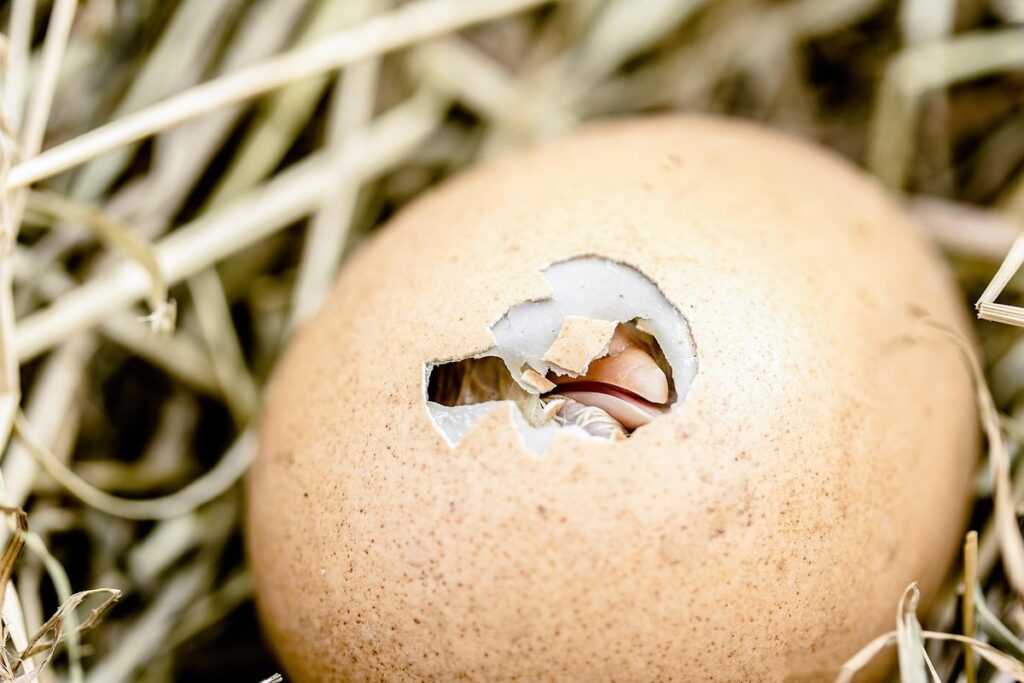
The Science Behind Egg Incubation
Let’s dive into the fascinating world of egg incubation, where science meets nature, and discover the intricate processes that bring life to these tiny, yet remarkable, wonders. We’ll examine the key factors involved in successful incubation.
What is Egg Incubation and How Does it Work?
Egg incubation is the process by which a fertilized egg develops into a chick. It’s a remarkable journey that requires precise conditions to ensure optimal embryonic development. At its core, incubation involves maintaining a stable temperature and humidity level within the egg to simulate the natural environment of the hen’s nest.
The ideal temperature range for incubation is between 99°F and 100°F (37°C to 38°C), with slight variations depending on the breed of bird. Humidity should be kept at around 50-60%, which helps maintain the moisture needed for embryonic development. Regular turning of the eggs, typically every 6-8 hours, also plays a crucial role in preventing the embryo from sticking to one side.
The egg turns naturally inside the hen’s nest due to her movements and body weight. To replicate this process outside the hen, it’s essential to turn the eggs manually using an incubator or by hand. This ensures even distribution of heat and prevents any potential damage to the developing chick.
The Importance of Temperature Control
Maintaining precise temperature control is crucial during egg incubation, as even slight variations can significantly impact the health and viability of the developing embryo. A stable temperature range between 99°F and 100°F (37°C to 38°C) is essential for optimal development.
For example, if the temperature rises above 102°F (39°C), it can cause increased metabolism in the embryo, leading to a condition known as ‘runting,’ where the chick develops abnormally. Conversely, temperatures below 98°F (36°C) can slow down growth, making the chick more susceptible to illness.
To illustrate this point, consider the findings of a study on poultry incubation: researchers discovered that eggs incubated at 100.5°F (38.1°C) had an average hatch rate of 85%, compared to only 55% for those incubated at 101.5°F (38.6°C). This highlights the importance of adhering strictly to temperature guidelines.
Practically, this means monitoring your incubator’s temperature closely and making adjustments as necessary to maintain a stable environment.
Humidity and Ventilation: Maintaining a Healthy Environment
Maintaining optimal humidity and ventilation levels is crucial for creating a healthy environment that supports embryonic development. During incubation, eggs undergo significant changes, and excess moisture can lead to respiratory problems, while inadequate ventilation can cause drying out of the embryo.
To maintain proper moisture levels, it’s essential to control temperature fluctuations within the incubator. A consistent temperature between 99°F and 100°F (37°C to 38°C) helps regulate humidity levels. As a general rule, you should maintain a relative humidity level between 50% to 60%. However, this may vary depending on the breed of chicken.
Proper air circulation is also vital for preventing respiratory issues in the embryo. Ensure that there are no drafts within the incubator and maintain a gentle air exchange rate of about 1-2 exchanges per hour. This can be achieved by installing a ventilation system or using a fan with adjustable speed settings. Regular checks on humidity levels and airflow will help you identify any potential problems before they affect your eggs.
The Process of Egg Development
Let’s dive into the fascinating process that transforms a tiny egg yolk and white into a fully formed chick, from fertilization to incubation. We’ll explore every step in between.
Stages of Embryonic Development
The journey from fertilization to hatching is a remarkable process that involves several critical stages of embryonic development. As soon as the sperm penetrates the egg cell, it triggers the activation of genes responsible for initiating the embryonic development.
During the initial stage, called cleavage, the zygote undergoes multiple cell divisions without significant growth in size or complexity. This is followed by the blastula stage, where the cells begin to differentiate and form a fluid-filled cavity.
Gastrulation marks another pivotal milestone, where the cells rearrange themselves to form three primary germ layers: ectoderm, mesoderm, and endoderm. These layers will eventually give rise to various tissues and organs throughout the embryo’s development.
Organogenesis is a complex process where the embryonic structures start taking shape. This includes the formation of vital organs such as the heart, lungs, and digestive system. Differentiation is another crucial stage where cells become specialized in function, preparing the embryo for hatching. By around 21 days into incubation, the chick’s major organs are formed, and it’s getting ready to pip its way out of the eggshell.
Morphological Changes During Incubation
During incubation, the egg undergoes remarkable physical transformations. One of the most critical changes is the formation of major organs, including the heart, lungs, and digestive system. These vital structures begin to take shape around 4-5 days into incubation, laying the foundation for the chick’s future growth.
As development progresses, limb buds start to emerge, initially as small swellings on the sides of the embryo. Over time, these buds elongate and branch out, eventually forming the wings, legs, and feet of the chick. This process typically occurs between 7-10 days into incubation.
Feather growth also commences during this period, with tiny follicles beginning to form beneath the skin. These follicles will eventually give rise to the chick’s downy covering, providing insulation and protection from the elements.
Meanwhile, external changes become more pronounced. The egg white (albumen) and yolk begin to shift in response to the growing embryo, creating an uneven appearance on the surface of the egg. This change can be a sign that incubation is progressing as it should, but it’s essential for breeders to monitor temperature and humidity levels carefully to ensure optimal conditions for hatching.
Sensory Development: How Embryos Respond to Stimuli
As the embryo develops within the egg, it begins to respond to its surroundings through sensory development. This process is crucial for the chick’s survival and eventual hatching. During incubation, the embryo’s senses start to become functional, allowing it to detect stimuli such as light, sound, and touch.
Initially, the embryo’s visual system starts to develop around 18-20 days of incubation, with the retina forming and light-sensitive cells appearing. By 22-24 days, the eyes have begun to take shape, and the embryo can sense light and darkness. Hearing also begins to develop around this time, with the chick’s ears forming and becoming sensitive to sound waves.
As for touch, the embryo’s sense of proprioception (awareness of body position) starts to develop early on, allowing it to move and adjust its limbs in response to external stimuli. By 24-26 days, the chick’s skin is sensitive enough to detect touch and vibrations. As the embryo grows, its senses become increasingly refined, preparing it for the world outside the egg.
This sensory development is crucial for the chick’s motor function, as it begins to move and stretch its limbs in preparation for hatching.
Factors Affecting Egg Hatchability
Understanding what affects egg hatchability is crucial for any aspiring breeder, and it’s essential to consider several key factors that can impact fertility rates. Temperature, humidity, and incubation technique are just a few of these critical variables.
Environmental Factors: Temperature, Humidity, and More
When it comes to ensuring successful egg hatchability, environmental factors play a significant role. Temperature fluctuations are one of the most critical aspects to consider. Extreme temperatures can either slow down or speed up embryonic development, with ideal temperatures ranging between 99°F and 100.5°F (37°C to 38°C). However, even minor deviations from this range can have a substantial impact.
Humidity is another essential factor that affects egg hatchability. Eggs need a humid environment to develop properly, typically between 45% to 60% relative humidity. Breeding stock or incubator settings may be adjusted accordingly based on the specific climate and season. Exposure to toxins, such as pesticides or air pollutants, can also compromise egg development.
It’s essential to understand how these factors interact with each other to influence incubation success. For example, temperature fluctuations can affect humidity levels, and extreme humidity can impact egg cleanliness, potentially leading to bacterial infections. By controlling these environmental variables and creating an optimal breeding environment, breeders can improve the chances of successful hatching.
When selecting a location for your flock or breeding stock, consider factors such as natural light exposure, wind patterns, and proximity to potential pollution sources. Implementing simple strategies like temperature and humidity monitoring systems, or using incubator settings that mimic natural conditions, can also help optimize egg hatchability.
Breed-Specific Considerations for Egg Hatchability
When it comes to egg hatchability, breed-specific characteristics can play a significant role. For instance, some breeds are naturally more inclined towards larger eggs, which can pose challenges for hatching. In contrast, smaller egg-laying breeds tend to have thinner shells that may compromise embryo viability.
To optimize breeding programs and improve hatch rates, breeders should consider the unique needs of each breed. Research has shown that certain breeds, such as Leghorns, are more prone to shell thinning due to their high egg production rates. On the other hand, larger breeds like Orpingtons tend to lay eggs with thicker shells, but may have lower fertility rates.
To overcome these challenges, breeders can implement targeted breeding strategies. For example, they can focus on selecting individuals that produce eggs with optimal shell thickness or work towards improving embryo viability through nutritional and environmental adjustments. By acknowledging and addressing breed-specific characteristics, breeders can take a more informed approach to optimizing their flocks’ reproductive performance.
Incubating Eggs: Tips and Best Practices
Now that you’ve got your eggs incubated, it’s time to learn the essential tips and best practices for hatching healthy chicks successfully. This section shares expert advice to help you achieve a high hatch rate.
Setting Up an Incubator for Success
When setting up an incubator for optimal results, there are three critical factors to consider: ventilation, temperature control, and humidity management. Proper ventilation is essential to prevent the buildup of carbon dioxide, which can lead to respiratory problems in developing embryos. Ensure that the incubator has a sufficient air exchange rate, typically around 20-30 exchanges per hour, and maintain a slight positive pressure inside the chamber.
Temperature control is equally crucial, as it directly affects the metabolic processes within the embryo. Most incubators are set between 99°F (37°C) and 100°F (38°C), with some models allowing for precise temperature adjustments. It’s essential to research the specific temperature requirements for your breed or species, as slight variations can impact hatch rates.
Humidity management is often overlooked but plays a vital role in maintaining the delicate balance of moisture within the incubator. Aim for a relative humidity level between 40% and 50%, with some models allowing for automatic humidification control. Maintaining optimal humidity levels will help prevent dehydration and promote even development.
Monitoring and Maintaining the Incubation Environment
Monitoring and maintaining a healthy incubation environment is crucial for successful hatching. A consistent temperature between 99-100°F (37.2-37.8°C) is essential, so invest in an accurate thermometer to track this vital parameter. Keep the incubator’s humidity level between 50-60%, as extreme dryness or moisture can be detrimental to embryonic development.
Regularly check for air leaks, ensure the incubator is well-insulated, and maintain a stable atmosphere within the unit. A drop in temperature or failure of the ventilation system can spell disaster for your eggs. Be vigilant about power outages and have a backup plan in place to prevent temperature fluctuations.
Monitor egg turning frequency to avoid positional deformities. Aim for 5-7 turns per hour during the first 12 days, reducing the frequency as incubation progresses. Check on the eggs daily, looking for signs of potential issues such as mold growth or cracked shells, which can be indicative of a malfunctioning incubator or incorrect handling.
Keep a close eye on your equipment and don’t hesitate to intervene if you notice any deviations from optimal parameters. Remember, prevention is key in achieving successful hatching outcomes.
Troubleshooting Common Issues During Egg Hatchability
When problems arise during egg hatchability, knowing what to expect and how to address common issues can mean the difference between life and loss for your precious chicks. Let’s tackle some of these challenges together.
Identifying Causes of Low Hatch Rates
Identifying the root cause of low hatch rates is crucial to making informed decisions and implementing effective solutions. Genetic factors can play a significant role in determining hatch rates. Some breeds may be naturally more fertile than others, while individual birds within a breed can have varying levels of fertility. For example, certain chicken breeds like Leghorns are known for their high egg production and decent hatch rates, whereas some heritage breeds might struggle to produce viable eggs.
Environmental stressors such as temperature fluctuations, humidity extremes, or poor ventilation can also impact hatch rates significantly. For instance, if the incubator’s temperature is too high or too low, it can cause embryos to develop abnormally, leading to failed hatches. Similarly, extreme humidity levels can affect embryonic development, making it essential to monitor and control these conditions closely.
Human error, such as incorrect temperature settings or failing to turn eggs regularly, can also lead to low hatch rates. It’s not uncommon for new breeders to overlook the importance of proper incubation techniques, resulting in subpar hatch rates.
Strategies for Improving Egg Hatchability
Improving egg hatchability requires a multi-faceted approach that addresses various factors influencing embryonic development. To optimize incubation conditions, ensure precise temperature control within the optimal range of 99-100°F (37-38°C) for chicken eggs and slightly lower for duck eggs. Regularly check and adjust humidity levels to maintain between 50-60% relative humidity.
Breed selection is another crucial aspect to consider. Some breeds are more prone to high hatch rates than others, with factors such as fertility rate, embryo mortality, and chick viability varying significantly across different strains. Research local breed recommendations or work closely with a breeder to select high-performing eggs that meet your specific needs.
Reducing environmental stressors is also vital in enhancing egg hatchability. Minimize handling of eggs before incubation, maintain a consistent temperature range in the breeding and incubation areas, and avoid sudden changes in temperature or humidity levels. By implementing these strategies, you can significantly improve the chances of successful hatching.
The Future of Egg Hatchability Research and Development
As we explore the intricate world of egg hatching, let’s take a glimpse into what the future holds for advancements in hatchability research and development. New breakthroughs are transforming our understanding of incubation techniques and chick development.
Emerging Technologies for Improved Incubation
As we continue to push the boundaries of egg hatchability research and development, emerging technologies are playing a significant role in improving the process. One such area is artificial intelligence (AI), which has shown promise in predicting incubation outcomes with remarkable accuracy. AI-powered systems can analyze vast amounts of data on temperature fluctuations, humidity levels, and embryo development to identify potential issues before they become major problems.
Precision agriculture is another technology that’s gaining traction in the poultry industry. By leveraging data analytics, precision agriculture enables farmers to monitor and control environmental factors such as light, temperature, and air quality with unprecedented precision. This can lead to healthier chick development and improved hatch rates.
Biotechnology, meanwhile, holds potential for developing novel solutions to improve egg hatchability. Researchers are exploring ways to engineer embryonic development using genetic manipulation techniques. While still in its infancy, this area of research may ultimately lead to breakthroughs that revolutionize the industry.
Best Practices for Further Research and Innovation
As we explore the wonders of egg hatchability, it’s essential to acknowledge that there is still much to be discovered and improved upon. Continued research and innovation are crucial for advancing our understanding of this complex process. If you’re a researcher or scientist looking to contribute to this field, here are some best practices to keep in mind:
To ensure the validity and reliability of your findings, it’s vital to employ robust experimental designs and methodologies. This includes controlling for variables that may impact egg hatchability, such as temperature, humidity, and nutrition. Additionally, consider collaborating with experts from diverse backgrounds to bring unique perspectives and expertise to your research.
Another essential aspect is data sharing and open communication among researchers. By making your findings and data available, you can facilitate the exchange of ideas and accelerate progress in the field. This can be achieved through publications, conferences, or online platforms dedicated to egg hatchability research.
Ultimately, staying up-to-date with the latest developments and advancements in related fields, such as embryology, genetics, and reproductive biology, will help you stay ahead of the curve and make meaningful contributions to our understanding of egg hatchability.
Frequently Asked Questions
Can I hatch eggs from any breed, or are there specific breeds that are easier to incubate?
Some bird breeds are more challenging to incubate than others due to factors like egg size, shell thickness, and fertility rates. For beginners, it’s recommended to start with popular breeds like Leghorns, Rhode Island Reds, or Barred Rocks, as they tend to have higher hatch rates and are relatively easy to care for. As you gain experience and confidence, you can experiment with more exotic breeds.
How do I know if my incubator is at the right temperature?
Temperature control is crucial during egg incubation. Most modern incubators come equipped with digital thermometers that allow you to set a precise temperature range (usually between 99°F and 100°F). It’s essential to monitor the temperature closely, especially in the first few days of incubation, as small deviations can impact hatch rates. You can also use a separate thermometer to double-check the accuracy of your incubator’s reading.
Can I still achieve high hatch rates if my incubation environment is not ideal?
While an optimal incubation environment is essential for successful hatching, it’s not impossible to achieve good results with less-than-ideal conditions. However, you’ll likely experience lower hatch rates and increased mortality among chicks. To mitigate this, focus on maintaining a stable temperature and humidity level within the egg, as these are more critical than environmental factors like light or air quality.
How long does it take for eggs to develop fully before hatching?
The length of time an egg develops depends on various factors, including breed, incubation conditions, and individual embryonic development. On average, a fertile egg takes around 21 days to hatch after fertilization. However, some breeds may take longer or shorter periods, so it’s crucial to research the specific breed you’re working with to anticipate these variations.
What are some common mistakes that can lead to low hatch rates, and how can I avoid them?
Common mistakes include inadequate temperature control, poor ventilation, and incorrect egg handling. To minimize the risk of these issues, make sure your incubator is calibrated correctly, maintain a clean and well-ventilated environment, and handle eggs gently to prevent damage or cracking.