
Leaving your feathered friends behind while you’re away can be stressful, but with the right plan in place, you can enjoy your vacation without worrying about their well-being. A chicken sitter checklist is a must-have for any responsible chicken owner. It ensures that someone taking care of your flock knows exactly what to do from feeding and providing fresh water to monitoring health and behavior. But creating such a checklist can be overwhelming, especially if you’re not sure where to start.
In this article, we’ll break down the essential tasks to include in your chicken sitter checklist, covering everything from feeding schedules and nutrition plans to emergency procedures and contact information. By following our comprehensive guide, you’ll have peace of mind knowing that your chickens are receiving the best care possible while you’re away, allowing you to relax and enjoy your time off without worrying about their health and happiness.
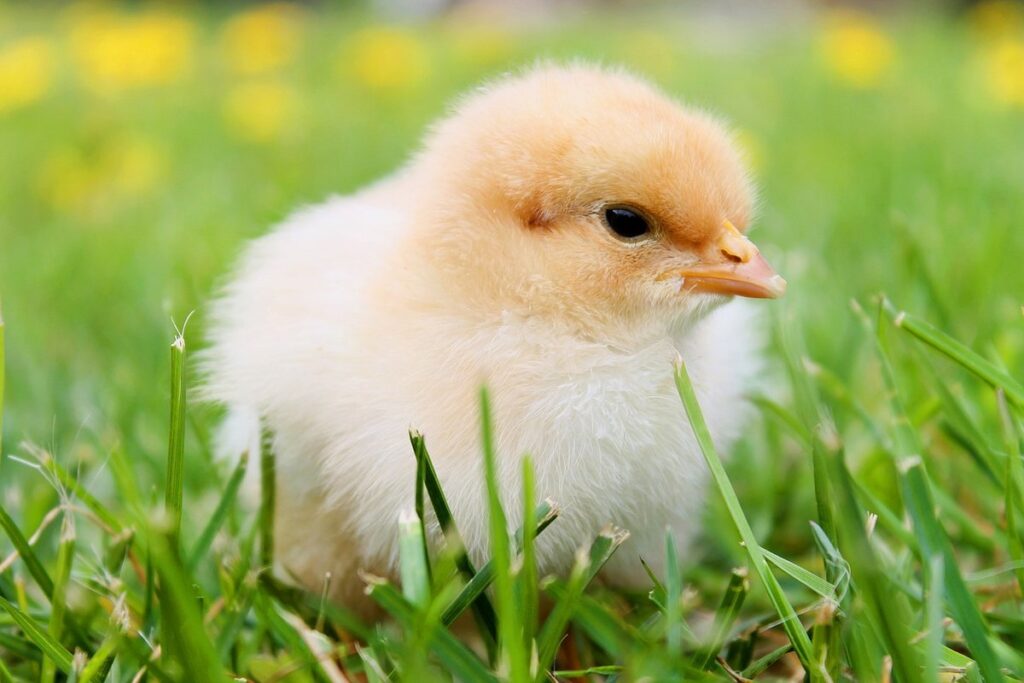
What is a Chicken Sitter?
So you’re wondering what exactly a chicken sitter does, and how they can help take care of your feathered friends while you’re away. Let’s break down this important role in simple terms.
Defining a Chicken Sitter’s Role
As you consider hiring a chicken sitter to care for your flock while you’re away, it’s essential to understand their role and responsibilities. A chicken sitter is responsible for ensuring the health, happiness, and safety of your chickens during their stay.
Their primary tasks include feeding, which involves providing fresh water and high-quality feed at regular intervals. This may also involve supplementing with treats or special diets as per your instructions. Monitoring is another crucial aspect, where they keep a close eye on the flock’s behavior, watching for signs of illness or stress. They will also need to clean and maintain the coop, removing waste, cleaning feeding areas, and replenishing bedding material.
In addition to these duties, a chicken sitter should be able to identify potential health issues and take prompt action to prevent them from escalating. This may involve consulting with you or a veterinarian for guidance on treatment or preventative measures. By choosing a responsible and experienced chicken sitter, you can rest assured that your flock is in good hands while you’re away.
Benefits of Hiring a Chicken Sitter
Hiring a professional chicken sitter can be a game-changer for you and your flock. Not only will it give you peace of mind knowing that your feathered friends are being taken care of, but it also reduces the stress associated with caring for chickens on your own.
Imagine being able to leave town without worrying about who’s going to let the hens out of their coop every morning or collect fresh eggs from the nesting boxes. With a chicken sitter, you can enjoy your time away knowing that your flock is in good hands. This convenience also means you’ll have more time for other important things – like tending to your garden or simply relaxing with family and friends.
Furthermore, a professional chicken sitter will have the knowledge and experience to identify any potential health issues or problems within the flock, allowing for prompt action to be taken to prevent further complications. By hiring someone to care for your chickens, you’ll not only be ensuring their happiness but also investing in their overall well-being.
Preparing Your Flock for the Sitter’s Arrival
Before the sitter arrives, make sure you’ve taken care of the essentials: feeding and watering instructions, lock combinations, and emergency contact information are a must.
Getting to Know Your Chickens
Getting to know your chickens is crucial before leaving them in someone else’s care. Observe their behavior and personality traits to understand what makes each one unique. This knowledge will help you identify potential issues that may arise during the sitter’s stay. Start by noting down individual characteristics such as aggression, shyness, or dominance.
Understand their needs, too. Chickens have specific requirements for food, water, and shelter. Some may prefer certain types of feed or have a penchant for exploring their surroundings. Recognize these quirks to ensure the sitter is aware of what’s normal behavior for your flock. For instance, if one chicken likes to roost in a particular spot, instruct the sitter to provide an alternative location.
As you develop a relationship with your chickens, they’ll become more trusting and easier to care for. Take time to interact with them daily, providing treats and affection. This will help build trust between the sitters and your flock, ensuring their well-being while you’re away.
Ensuring a Safe Environment
When you’re preparing to leave your flock with a sitter, ensuring their safety and well-being should be at the top of your list. This includes making sure their coop is secure, providing ample space for them to roam, and maintaining a clean environment that promotes good health.
First and foremost, inspect your coop’s security features before handing it over to the sitter. Ensure all doors and windows are securely locked, and any vulnerable areas (such as gaps under the door or loose roofing) are sealed. You can also consider adding additional measures like hardware cloth or chicken wire to prevent predators from getting in.
A minimum of 3-4 square feet per bird is recommended for a coop’s internal space. However, providing more room for your flock will not only improve their comfort but also reduce stress and the likelihood of health issues. Encourage your sitter to add some perches, scratching posts, and toys to keep them occupied.
Cleaning out the coop is another crucial task that should be handled before you leave. Remove all soiled bedding, wash down surfaces with a solution of one part white vinegar to nine parts water, and disinfect all feeding and watering equipment. This will not only prevent disease but also create an environment where your flock can thrive under the sitter’s care.
Introducing the Sitter to Your Flock
When introducing the sitters to your flock, it’s essential to take things slowly and carefully to minimize stress on both sides. Begin by letting them get familiar with the chicken run or enclosure from a safe distance. Encourage them to observe your chickens’ behavior, habits, and feeding schedules without disrupting their routine.
Next, have the sitters participate in some basic tasks such as cleaning, feeding, or providing fresh water for the chickens. This not only helps them understand their responsibilities but also allows them to bond with the birds through shared activities. Consider allowing them to spend quiet time near the coop at first, so they can listen to and observe the chickens without interference.
As the sitters gain more experience and build trust with your flock, gradually increase their involvement in daily care tasks. Always supervise interactions between humans and animals, especially during the initial phases. By doing so, you’ll ensure a smooth transition for both the sitters and your precious feathered friends.
The Chicken Sitter Checklist: Essential Tasks
When it comes to taking care of your flock while you’re away, there are several essential tasks that need attention every day. Here’s what to check on to ensure their safety and happiness.
Feeding and Nutrition
As a chicken sitter, it’s essential to ensure your flock is well-fed and nourished while you’re away. Start by reviewing their feeding schedule to make sure they’re getting the right amount of food at the right times. Most chickens require about 1/4 pound of feed per day, but this can vary depending on their age, size, and breed.
Consider supplementing their diet with fresh produce like leafy greens, carrots, and fruits. Not only is this a nutritious way to keep them healthy, but it’s also a great way to provide mental stimulation and encourage foraging behavior. Aim to introduce new foods gradually to prevent digestive upset.
If you’re concerned about the nutritional content of your chickens’ feed, consider consulting with a veterinarian or poultry expert to determine if additional supplements are needed. Some common additions include oyster shells for calcium and probiotics for gut health. Remember to always follow proper food safety guidelines when handling and storing their feed. By paying attention to feeding schedules and nutrition requirements, you can help keep your flock happy and healthy while you’re away.
Monitoring Health and Hygiene
When checking on your flock as a chicken sitter, it’s essential to monitor their health and hygiene to ensure they remain safe and happy. Start by regularly inspecting the birds for signs of illness or injury. Look for changes in appetite, droopy wings, labored breathing, or unusual behavior such as excessive feather pecking or lethargy.
To prevent the spread of disease, maintain a clean coop by removing soiled bedding and disinfecting surfaces with a poultry-safe sanitizer. Ensure good ventilation to reduce ammonia buildup from waste. Keep the coop free of debris and rotting food, which can attract pests that carry diseases.
Regular vaccinations are also crucial in maintaining your flock’s health. Consult with a veterinarian or experienced breeder to determine the necessary vaccinations for your specific breed and region. Schedule regular check-ups to ensure all birds are up-to-date on their shots and receive any recommended boosters.
Remember to keep accurate records of vaccination dates, bird weights, and any notable changes in behavior or health. This will help you track potential issues before they become serious problems.
Managing Flock Dynamics
When managing flock dynamics as a chicken sitter, it’s essential to be aware of potential conflicts and take steps to maintain social harmony. Conflicts can arise from introducing new chickens, existing pecking orders, or even changes in the environment.
To address conflicts, start by observing your flock’s behavior and body language. Are there any signs of aggression or stress? Identify the root cause and separate the birds if necessary. Introduce new chickens gradually, allowing them to get accustomed to each other’s presence, sounds, and scents.
When introducing a new chicken, do so in a neutral area where they can establish their own hierarchy without feeling territorial. Monitor their interactions closely and intervene if you notice any signs of aggression or fear. For existing birds, provide plenty of space and enrichment activities to reduce stress and promote harmony. By being proactive and attentive to your flock’s needs, you can prevent conflicts and create a safe, happy environment for all.
Handling Emergencies and Incidents
In case of a crisis, knowing how to respond quickly and effectively is crucial for your flock’s safety. This section outlines essential steps for handling emergencies and incidents.
Identifying Potential Risks
As a chicken sitter, it’s essential to be aware of potential risks that could affect your flock’s safety and happiness. Common hazards include predators such as foxes, coyotes, hawks, and raccoons. These animals can easily jump over or dig under fences, so it’s crucial to ensure your coop is secure. Consider investing in sturdy fencing, electric netting, or other deterrents.
Power outages are another concern, especially if you rely on automatic feeders or waterers. Make sure to have a backup plan, such as manual feeders and extra food supplies. Natural disasters like floods, wildfires, and tornadoes can also impact your flock’s safety. Develop an emergency evacuation plan in case of such events.
Regularly inspect your coop and surrounding area for potential entry points. Remove any attractants that might draw predators to the area. Keep your flock indoors during peak predator hours or severe weather conditions.
Creating an Emergency Plan
As a chicken sitter, you must be prepared for emergency situations that can arise on your watch. Developing an emergency plan is crucial to ensure the safety and well-being of your feathered friends. Start by identifying potential hazards such as natural disasters like hurricanes or wildfires, power outages, and health emergencies.
Evacuation procedures are a critical aspect of your emergency plan. Designate safe zones within and outside your property where you can relocate your chickens in case of an emergency. Make sure these areas are easily accessible, have adequate shelter, and provide a secure source of food and water for your birds. You should also establish a communication system to inform local authorities about the situation, such as keeping important phone numbers handy.
In addition to evacuation procedures, it’s essential to know how to contact local emergency services and animal control agencies in case of an incident. Keep their numbers saved on your phone or near your coop for quick access. Regularly review and update your emergency plan with nearby neighbors, family members, or other trusted individuals so they’re aware of what to do in case you’re not available.
Communicating with the Sitter
When communicating with your sitter during emergencies or unexpected events, clear and concise information is crucial. To ensure your sitter knows what to do in a crisis, you should provide them with all necessary contact details beforehand. This includes your veterinarian’s phone number, the address of your local emergency clinic, and any relevant medical history about your flock.
It’s also essential to establish open communication channels throughout the sitting period. Regular updates on weather conditions, potential threats like predators or disease outbreaks, and any issues that may arise are vital for effective decision-making. For instance, if a strong storm is forecasted in your area, you can inform the sitter about necessary precautions, such as bringing chickens inside their coop or securing outdoor enclosures.
To facilitate smooth communication, consider sharing a document with essential contact information and emergency procedures with your sitter beforehand. This can include steps to follow for common issues like escaped birds, injuries, or sudden illness. By being prepared and open with your sitter, you’ll be confident that your flock is receiving the best care even in unexpected situations.
Communication and Organization: Key to Success
Effective communication and organization are crucial when leaving your flock in someone else’s care, so let’s dive into some key strategies for success. This will help ensure a smooth experience for both you and the chicken sitter.
Establishing Clear Expectations
When you’re away from home, it can be stressful to think about who will take care of your feathered friends. To alleviate some of that stress, establishing clear expectations with your chicken sitter is crucial. Start by creating a comprehensive care schedule that outlines specific tasks for each day.
This should include feeding and watering schedules, egg collection, coop cleaning, and health checks. Be realistic when setting goals – for example, if you have a large flock or live in an area with extreme weather conditions, it may be necessary to simplify the care routine for certain days. Make sure your sitter understands what’s expected of them and how to handle any unexpected situations.
Consider creating a checklist or chart that outlines daily responsibilities, as well as emergency procedures. This will help ensure your sitter stays on track and is prepared in case something goes wrong. Communicate clearly with your sitter about the needs of each individual bird – if you have birds with special requirements, make sure to include this information in the care plan.
By setting clear expectations and creating a comprehensive care schedule, you’ll be able to enjoy your time away from home knowing that your flock is in good hands.
Keeping Records and Reporting Issues
As you embark on caring for your flock while their owners are away, it’s essential to maintain accurate and up-to-date records of daily activities. This includes tracking feeding schedules, water levels, and any notable events such as egg production or unusual behaviors.
To ensure seamless communication with the owner upon return, establish a reporting system that works for everyone involved. Consider implementing a shared online calendar or spreadsheet to monitor progress, noting specific dates and times for tasks completed.
If issues arise during your care of the flock, address them promptly and document the incidents thoroughly. Be sure to report any concerns or questions directly to the owner via phone calls, emails, or messaging apps, providing detailed descriptions of the problems encountered.
For example, if you notice a drop in egg production, take note of it and inform the owner immediately so they can investigate potential causes upon their return. By maintaining open lines of communication and keeping accurate records, you’ll be better equipped to provide excellent care for your feathered friends and ensure the owners’ peace of mind while away.
Building Trust with Your Sitter
Building trust with your sitter is crucial to ensure a smooth and stress-free experience for both you and your flock. It starts with establishing open communication from the get-go. Make sure to provide your sitter with all necessary contact information, including your phone number, email address, and any other relevant details.
Addressing questions or concerns promptly will also help build trust. If your sitter reaches out with a query or concern, respond in a timely manner. Be open to their suggestions and ideas – they may have valuable insights that can benefit the care of your flock.
Fostering a positive relationship requires effort from both parties. Consider having a pre-sitter meeting to discuss expectations, routines, and any specific needs of your chickens. This will help you both feel more comfortable and confident in each other’s abilities. By investing time in building trust with your sitter, you’ll be able to enjoy a worry-free break knowing that your flock is receiving the best care possible.
Final Preparations: Last-Minute Checks
Before leaving your flock in someone else’s care, make sure to double-check that all necessary information is shared and your sitter knows exactly what to do in case of an emergency. Review these final preparations to guarantee a smooth experience for both your chickens and the sitter.
Coop Maintenance and Inspection
Before leaving for an extended period, take some time to inspect and maintain your coop. A clean and well-maintained coop is essential for your flock’s health and happiness. Start by removing all droppings from the floor and disposing of them properly. Next, scrub the coop with a solution of 1 part white vinegar to 9 parts water to eliminate any bacteria or odor-causing agents.
Inspect the coop for any damage or wear and tear, making repairs as needed. Check that all doors and latches are functioning correctly and securely fastened. Ensure that all necessary equipment, such as feeders, waters, and nesting boxes, is in good working condition and easily accessible to your flock.
Take a walk-through of the coop with a flashlight to identify any potential issues or hazards. Make sure there are no gaps or holes for predators to enter, and that all wiring and electrical components are safely secured. By performing these final checks, you can rest assured that your flock is safe and comfortable while you’re away. This extra effort will ensure their health and happiness until you return home.
Providing Essential Information
Before leaving your chicken sitter alone with your flock, it’s essential to provide them with all the necessary information to ensure your birds’ safety and well-being. Start by sharing emergency contact numbers, including your own cell phone number, your neighbor’s or a nearby friend’s number, and any local animal control services.
Also, make sure to leave a list of trusted local veterinarians, including their contact details and hours of operation. This will come in handy if your sitter needs to take one of your chickens for medical attention. You should also provide your sitter with copies of relevant documents such as veterinary records, vaccination certificates, and any known health issues or allergies.
Take a few minutes to walk your sitter through the coop, pointing out specific areas where potential problems may arise, such as weak fencing or leaky roofs. Leave a note with important details like feeding schedules, egg collection procedures, and any unusual behaviors or quirks of your flock’s personalities.
Frequently Asked Questions
What if I have multiple flocks with different needs? Can I still use the same chicken sitter checklist?
Yes, you can adapt the checklist to accommodate your specific flock’s needs. Identify the unique requirements for each group and create separate sections within the checklist. This way, the sitter knows exactly what to do for each flock.
How often should I update my chicken sitter checklist to ensure it remains relevant?
Regularly review and revise your checklist every 3-6 months or whenever changes occur in your flock’s needs or living arrangements. This will help prevent outdated information from being shared with future sitters, ensuring consistency and continuity of care for your chickens.
What if the chicken sitter can’t reach me immediately? How should they handle emergencies?
Provide a backup emergency contact for situations where the primary sitter cannot reach you. Also, include essential phone numbers, such as your local animal hospital or 24-hour pet hotline, in case of unexpected events requiring immediate attention.
Can I customize my chicken sitter checklist to fit specific needs, like medical conditions or special diets?
Absolutely! Tailor the checklist to address any unique requirements of your flock. This could include providing detailed information on their health concerns, nutritional needs, and medication schedules. Be sure to communicate these specifics clearly with the sitter before you leave.
How long does it take for a new chicken sitter to become familiar with my flock’s routine?
Typically, it takes 1-2 visits or about 24 hours of interaction with your chickens for the sitter to feel comfortable and confident in their care. This is why regular communication and clear instructions are crucial during this transition period to ensure seamless handover and optimal chicken well-being.